Mushroom-Based Eco Products You Didn’t Know Existed
Introduction
Mushroom-based eco products are everyday goods—packaging, leather, building materials, even skincare—grown from the root structure of fungi rather than made from plastic or animal products. You might have seen headlines about mushroom leather replacing cowhide or mycelium packaging as a styrofoam alternative. The hype is real, but there’s a lot of noise too. This article is for the eco-conscious shopper, the gift buyer looking for something genuinely different, and the DIY enthusiast who wants to know what actually works. We’ll look at real-world usability, cost, and durability of these products. No greenwashing. Just a practical breakdown of where this material makes sense and where it doesn’t. Let’s start with the basics.
What Exactly Are Mushroom-Based Eco Products?
At the heart of these products is mycelium, the underground root network of mushrooms. Think of it as nature’s glue. Mycelium grows by feeding on agricultural waste like sawdust, corn stalks, or hemp hurds. In a controlled environment, it binds this waste together into a solid mass. The result is a material that can be molded into shapes, sheets, or blocks. Unlike plastic, which comes from fossil fuels and lasts pretty much forever, or animal leather, which requires grazing land and chemical tanning, mycelium is grown in days or weeks, needs minimal water, and is fully biodegradable at the end of its life.
So is this just a trend? Not really. The technology has been maturing for over a decade. Companies like Ecovative, MycoWorks, and Bolt Threads are already supplying major brands. IKEA uses mycelium packaging for some furniture. Dell ships server components in it. It’s not a lab curiosity anymore—it’s a commercial material with real performance data. But it’s not perfect. Durability varies. Production is slower than injection molding. And cost is still higher than conventional materials in many cases. Understanding these tradeoffs is the key to making informed decisions.
Mushroom Packaging: The Styrofoam Replacement That Works
This is the most mature and accessible category of mushroom-based eco products. Mycelium packaging is grown by placing agricultural waste into a mold and inoculating it with fungal spores. Over about a week, the mycelium grows through the waste, binding it into a rigid, protective form. The result is a block or shape with a similar density to expanded polystyrene (styrofoam) but home-compostable.
The performance is genuinely impressive. It absorbs impact well and is lightweight. You can drop a box full of mycelium packaging and the contents will survive. But there are tradeoffs. It takes longer to produce than styrofoam molding. And it costs more—roughly 20–30% more per unit at current volumes. It’s also not suitable for direct food contact unless specifically designed for it, as the mycelium can be porous. Stick to protecting non-food items: electronics, glassware, ceramics, or small furniture components.
For small businesses, this is a practical option. You can buy sample kits or order custom molds. Some companies offer starter packs so you can test the material. If you ship fragile goods and want to eliminate plastic from your supply chain, mushroom packaging is the most proven place to start. Look for suppliers that offer compostability certification and transparent pricing. For those wanting to experiment, mycelium packaging kits available online provide a hands-on introduction to the material.
Mycelium Leather: A Better Alternative to Vegan Leather?
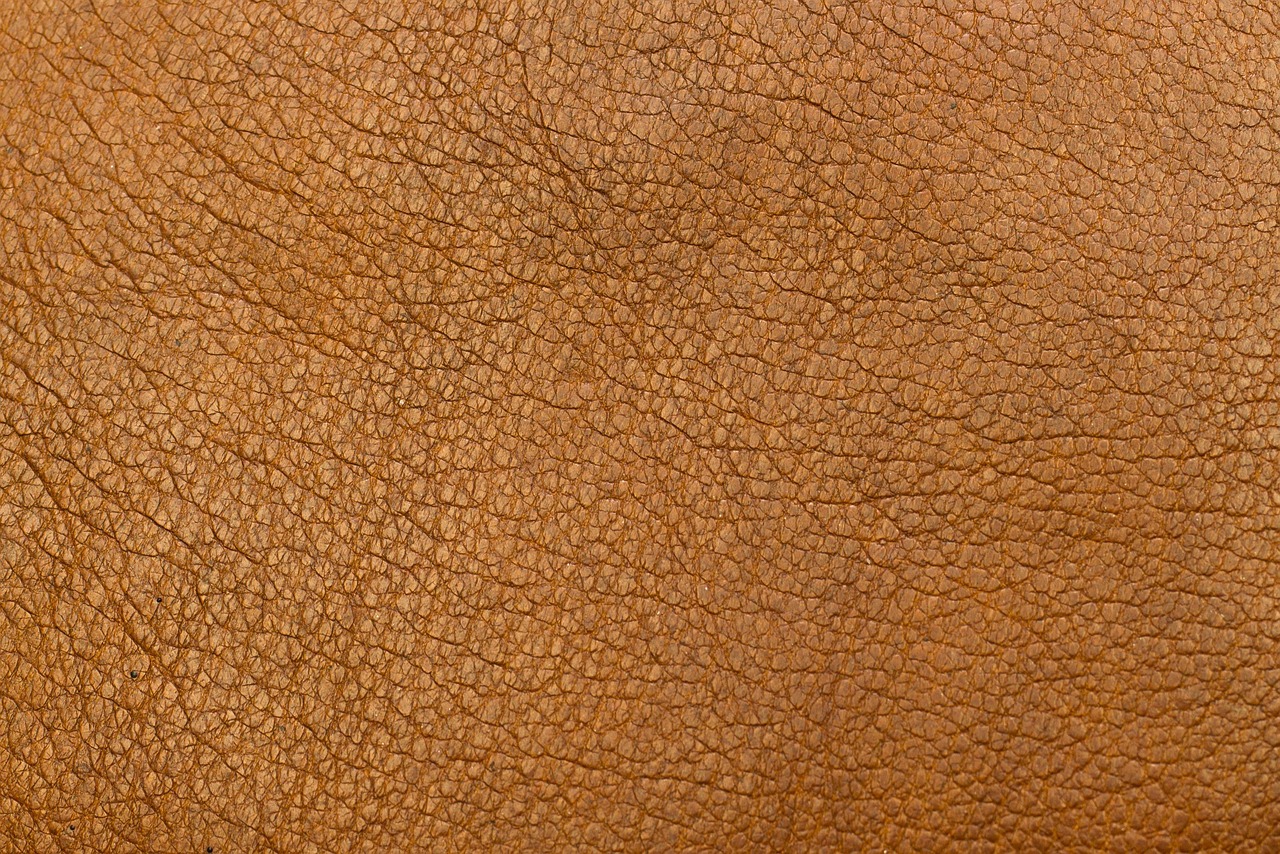
Mushroom leather is made by growing mycelium into a thin sheet, then treating it with natural oils and dyes. The result feels like suede or soft leather, depending on the finish. Companies like MycoWorks and Bolt Threads (through their Mylo brand) have pioneered this. Stella McCartney has used it in handbags. Hermès has done limited runs.
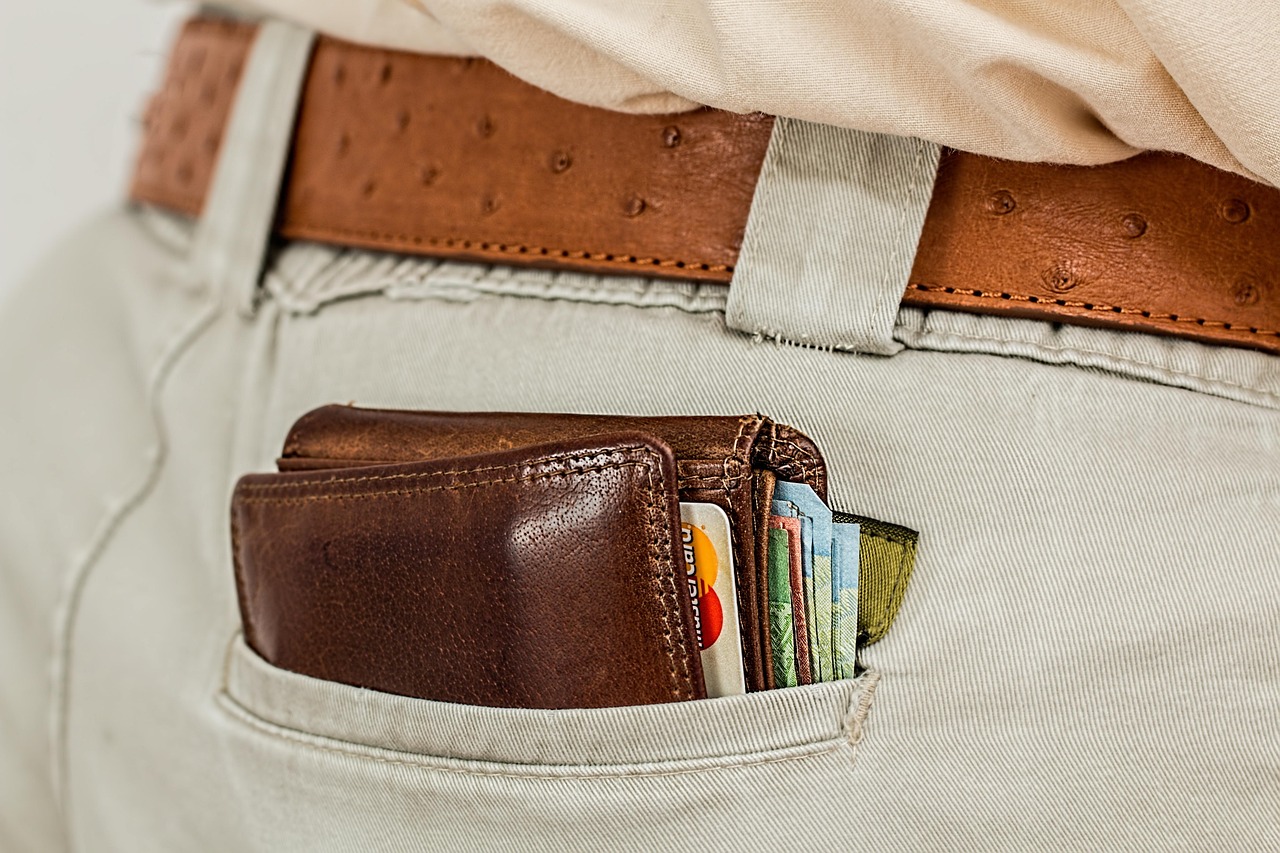
Here’s the honest comparison. Against real leather: mushroom leather is lighter, breathes better, and has a much lower carbon footprint. But it’s not as durable for high-abrasion use. A mushroom leather wallet might show wear after a year. A cow leather wallet will outlast it. Against synthetic vegan leather (PU or PVC): mycelium is biodegradable and doesn’t shed microplastics. But it’s significantly more expensive—think $50–$150 for a small wallet versus $20–$40 for PU.
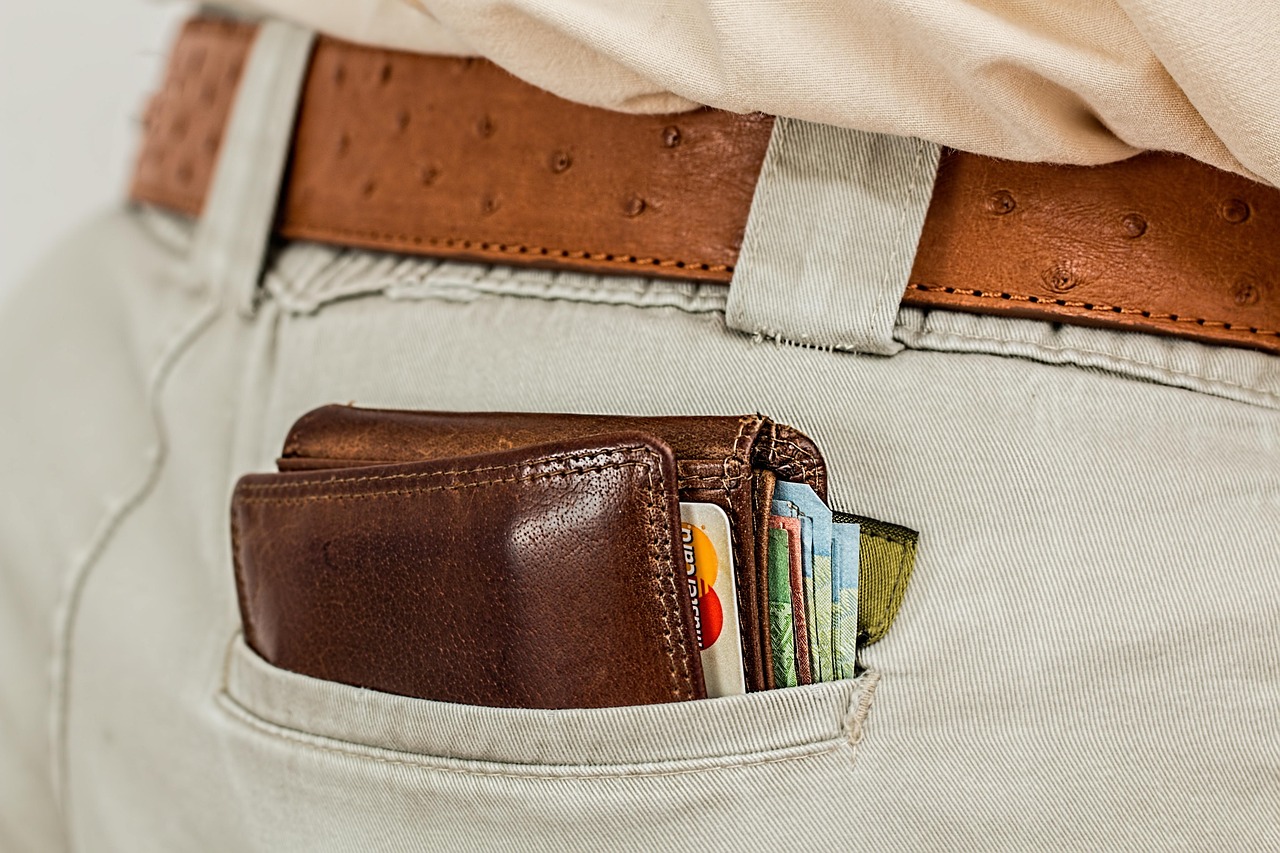
The sweet spot for mycelium leather is low-wear items. Wallets, phone cases, watch straps, and belts are all good choices. Avoid it for heavy-use items like work boots or motorcycle gear. If you’re looking for a gift that’s both sustainable and unique, a mushroom leather wallet or card holder is an excellent option. They’re available on Amazon from several brands. Check the material composition before buying—some “mushroom leather” products are actually blends with synthetics.
Mushroom-Based Building Materials and Insulation
Mycelium bricks and insulation panels are a niche but growing category. They’re made by growing mycelium into a dense block, then heat-treating it to stop growth. The material is naturally fire-resistant (it doesn’t burn easily), mold-resistant, and provides good thermal and acoustic insulation. It’s also lightweight, which makes installation easier than traditional fiberglass batts.
The catch is structural. Mycelium bricks are not load-bearing. They’re used for interior walls, temporary structures, garden studios, or as insulation within a frame. Companies like Ecovative have tested prototypes for modular housing, but it’s not yet a mainstream building material. If you’re building a tiny house or a backyard office, it’s worth exploring. But expect a premium over conventional insulation—roughly 15–25% higher.
For practical use, mycelium insulation is best for projects where you prioritize eco-friendliness and are willing to pay a bit more for it. You can find suppliers online that sell small panels for DIY projects. Make sure the product is certified for fire resistance and has a clear installation guide. This is still an early adopter space, but it works.
Mushroom Textiles: Clothing and Accessories
Mushroom-based fabrics for clothing are less developed than packaging or leather, but they exist. The material is grown as a continuous sheet of mycelium, then processed into a textile that feels like suede or a soft cotton blend. It’s breathable, lightweight, and biodegradable.
Realistic wear includes hats, scarves, lightweight jackets, and maybe liners for heavier coats. Stella McCartney has shown runway pieces. But availability is still limited. You’re not going to walk into a department store and find a mushroom-fiber dress. Online, a few brands sell mushroom fiber accessories. They tend to be expensive—$80–$200 for a hat or scarf—and the color palette is narrow (earth tones, mostly).
The key care instruction is to wash less and air dry. Mycelium fibers can be damaged by heat and agitation. If you buy a mushroom fiber item, treat it gently. It’s a statement piece, not a hard-wearing daily item. For gift givers, this is a fascinating option for someone who already has everything. But be ready for the recipient to ask you to explain it.
Mushroom-Based Furniture and Home Decor
Mycelium furniture and decor are where the aesthetic really shines. Organic shapes, natural textures, and a look that sits somewhere between wood and foam. You can find lamps, tabletops, bowls, and decorative objects made from mycelium composites. They have a warm, tactile feel.
Durability is decent for accent pieces. A mycelium lamp base or a decorative bowl can hold modest weight. But don’t expect it to stand up to heavy daily use. A mycelium coffee table is better suited for low-traffic areas. The mistake people make is treating it like wood or plastic. Mycelium will degrade if exposed to constant moisture or direct sunlight. Keep it dry and out of UV light.
Small mycelium decor items are easy to find online. Some companies sell DIY kits where you can grow your own lamp base or coaster set. These make great conversation-starting gifts. They’re also a low-cost way to test the material before committing to a larger purchase. Look for items that specify “pure mycelium composite” rather than “mushroom-inspired” or “mushroom-infused” plastic. A mycelium decor kit on Amazon is a neat way to start.
Mushroom-Based Eco Products for Personal Care
This category is different from the others. It doesn’t use mycelium as a structural material. Instead, it uses chitosan, a compound derived from chitin, which is found in mushroom cell walls. Chitosan has natural antibacterial and moisturizing properties. It’s used in face masks, serums, and creams.
The practical benefit is for people with acne-prone or sensitive skin. Chitosan can help calm inflammation and maintain moisture barrier. A few brands, like Mushroom Skincare and some Korean beauty lines, have products built around this. They’re not “grown” like packaging or leather—they’re processed from mushroom biomass. Expect to pay a premium for these products, typically $20–$50 per item.
Be cautious of over-claiming. Not all mushroom skincare is created equal. Look for products that list “chitosan” or “mycelium extract” in the ingredients and have third-party testing for purity. Avoid anything that claims to be “pure mushroom extract” without specifics. This is a supporting category, not a primary reason to go mushroom-based.
How to Buy Mushroom-Based Eco Products Without Getting Scammed
As mushroom products gain popularity, so do misleading claims. Here’s how to buy smart.
- Look for third-party certifications. For packaging and compostable goods, check for ASTM D6400 or similar standards. For leather, look for OEKO-TEX or similar leather-specific certification. For insulation, check for fire ratings.
- Demand transparency. The seller should be able to tell you the percentage of mycelium in the product. “Mushroom-based” can mean 5% or 95%. You want the latter.
- Compare pricing. Mushroom products are not generally cheaper than their conventional counterparts. If it’s significantly cheaper, it’s likely a blend or a fake.
- Start small. Buy a coaster set or a wallet before investing in furniture. Test the material yourself. See how it wears.
- Avoid vague claims. “Eco-friendly,” “green,” or “natural” on their own mean nothing. Go for specific, verifiable statements.
Trust is earned. The mushroom product space is still maturing. A little caution now saves you disappointment later.
Cost Comparison: Mushroom Products vs. Conventional Alternatives
Let’s put some numbers on this. These are rough estimates based on current market prices as of 2025.
- Packaging: Mushroom per unit costs 20–30% more than styrofoam. But you save on waste disposal fees and brand reputation.
- Leather (wallet size): Mycelium $50–$150. Real leather $30–$80. Synthetic $10–$30. You’re paying a premium for eco-credentials.
- Insulation (per square foot): Mycelium $2–$4. Fiberglass $1–$2. Spray foam $2–$3. Comparable if you factor in the health and environmental costs of fiberglass.
- Textiles (hat): Mycelium $80–$200. Cotton $15–$40. Synthetic $10–$30. Clearly a niche premium product.
The higher costs are due to R&D, small-scale production, and lower automation. As production scales, prices will drop. For now, prioritize the swaps that give you the most environmental impact per dollar. Packaging is a clear winner. Leather is a statement. Textiles are for enthusiasts. Budget accordingly.
The Environmental Impact: What the Numbers Actually Say
Let’s be specific. According to lifecycle assessments published by Ecovative, mycelium packaging produces 90% less CO2 than expanded polystyrene during production. It uses 80% less energy. And it’s home-compostable within 30–60 days, compared to styrofoam, which lasts hundreds of years.
Land use is minimal. Fungi grow on agricultural waste that would otherwise be burned or landfilled. No arable land is needed. Water use is low—a fraction of what cotton or leather require. End-of-life is straightforward: compost it yourself if you have a pile, or send it to an industrial facility. Some mycelium leather products are even home-compostable, though most need industrial conditions to break down completely.
This isn’t a perfect story. Mycelium production does use energy for climate control. And transportation still adds to the carbon footprint. But compared to plastic, foam, and animal products, the numbers are overwhelmingly better. If you care about measurable impact, mycelium products are a genuine improvement, not a marketing gimmick.
Where to Find Mushroom-Based Eco Products Right Now
Availability is growing but still requires some hunting. Your best bets:
- Amazon: Search for mycelium packaging kit or mushroom leather wallet. You’ll find a curated selection of products. Filter by Prime for reliable shipping.
- Direct from manufacturers: Ecovative sells packaging materials and DIY kits. MycoWorks and Bolt Threads have limited direct-to-consumer leather goods. Check their websites for drops and collaborations.
- Niche eco stores: Websites like EarthHero or Package Free Shop carry some mycelium items. They vet for sustainability claims, so it’s a safer bet.
- Etsy: Handmade mycelium decor and small goods are common here. You can find unique, one-of-a-kind pieces. Just ask the seller to confirm the mycelium content percentage.
A quick note on geography: most of these products ship from North America or Europe. If you’re elsewhere, shipping costs and customs may add to the cost. Plan accordingly.
The Biggest Mistake People Make When Buying Mushroom Products
The assumption that all mushroom products are the same. They’re not. There’s a difference between pure mycelium (grown as a solid block) and mycelium-composite (mycelium grown through a substrate like hemp). The former is denser and more durable. The latter is lighter and less expensive.
Another mistake is expecting plastic-level durability. Mycelium is biodegradable by design. It won’t last forever. That’s the point. If you need a product that will survive 20 years of hard use, stick with metal, glass, or real leather. Mushroom products are best for items with a shorter lifespan or that you plan to compost eventually.
Finally, people buy too much too fast. Start with one item. See if it fits your life. Then expand. This isn’t a trend that requires a full wardrobe shift. It’s a tool in your sustainable living toolkit.
Final Recommendations: Which Mushroom-Based Products Are Worth It?
Here’s a summary down to brass tacks.
Packaging is the most proven. If you ship packages or run a small business, mushroom packaging is the easiest place to make a measurable environmental change. It works, it’s compostable, and the cost gap is narrowing.
Mushroom leather is promising but expensive. Best for small, low-wear items like wallets and phone cases. A quality mycelium leather wallet makes a thoughtful and unique gift. If you’re curious, this is a good category to try.
Building materials are for the committed eco-builder. They work, but require a willingness to pay a premium and adapt to a niche supply chain.
Textiles are early. Interesting, but still costly and limited. Wait for more options unless you’re an early adopter.
For the gift giver, the safest bet is a small mycelium decor piece or a mycelium leather wallet. It’s unique, sustainable, and genuinely useful. If you’re ready to try one product, consider starting there. It’ll tell you everything you need to know about whether mushroom materials fit your life.
Have you tried any mushroom-based products? What worked and what didn’t? Drop your experience below—it helps others make better choices.