Best Handmade Leather Goods from Small Workshops: A Curated Gift Guide
Introduction
Finding a thoughtful gift takes more than clicking ‘buy now.’ You want something that shows you paid attention—to their taste, their habits, and what they’ll actually use. That’s where handmade leather goods gifts come in. These aren’t accessories you toss in a drawer. They’re tools that age alongside the person using them, developing character over years of daily wear.
This guide is for anyone tired of mass-produced items that fall apart after a season. You’ll find a practical comparison of workshops that still do things the old way: cutting, stitching, and finishing each piece by hand. We’ll cover what separates real craftsmanship from marketing, what to watch out for when ordering, and which workshop fits your specific gifting situation. No fluff, no hype—just straight talk from someone who’s bought and tested this stuff.
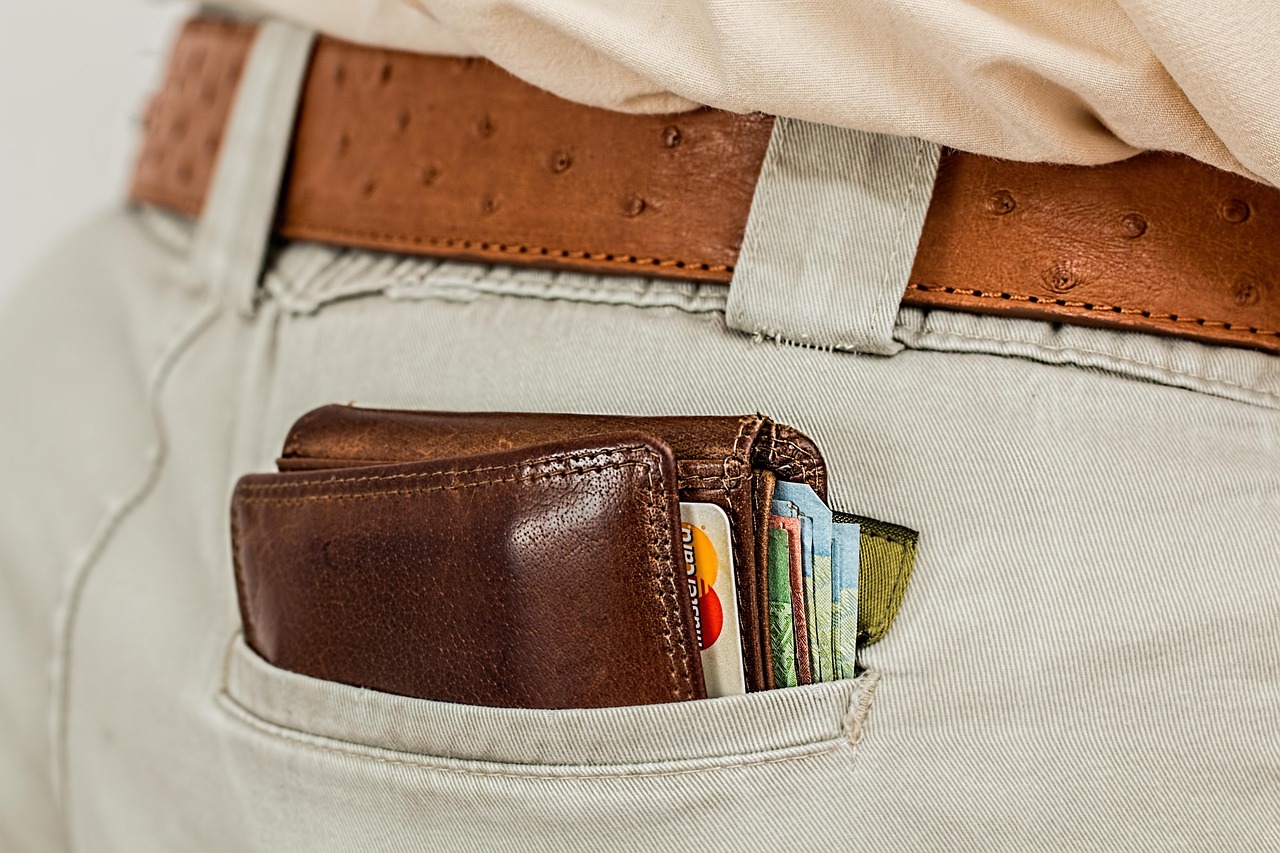
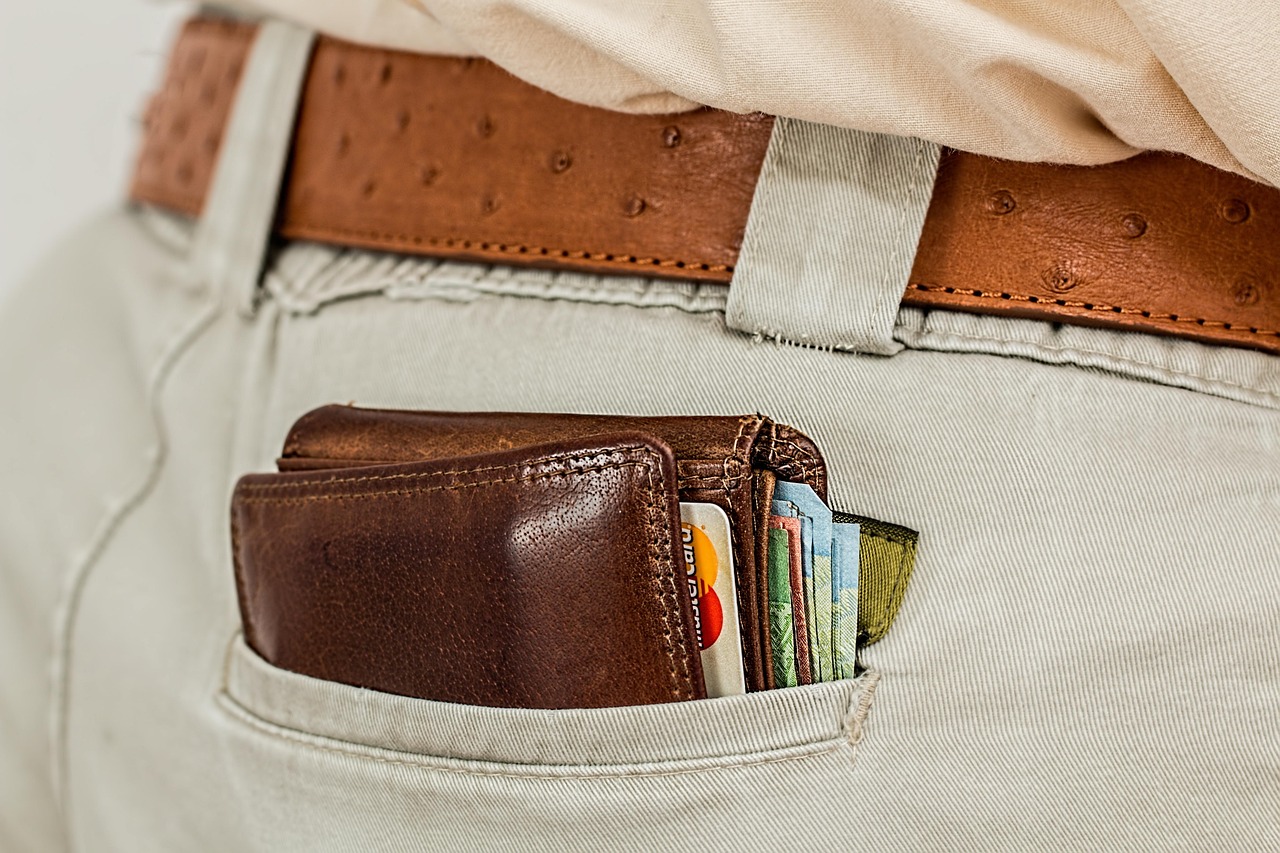 handmade leather wallet resting on a rustic wooden table, showing the natural grain and saddle stitching.” loading=”lazy” />
Why Choose Handmade Leather Over Mass-Produced Alternatives
The difference isn’t just looks. Mass-produced leather goods often rely on bonded leather—a mix of leather scraps and synthetic materials held together with glue. It looks fine in store lighting but starts peeling within months. Handmade pieces, especially from small workshops, use full-grain or top-grain leather cut from a single hide. That means the leather breathes, flexes, and develops a patina only your hand oils can create.
Repairability is another practical advantage. A saddle-stitched wallet from a small maker can be re-stitched by a cobbler. A heat-bonded, machine-stitched alternative from a big brand usually ends up in the trash when the thread snaps. You’re also supporting ethical production. Small workshops typically source their leather from regional tanneries with better environmental standards than the bulk suppliers used by fast-fashion brands. The upfront cost is higher. But if you’re buying a gift meant to last, the cost per year of use is almost always lower.
Long-term value matters here. A well-crafted leather belt from a barn workshop might outlive three ‘genuine leather’ belts from the mall. That’s not nostalgia. That’s material science and honest construction. And it’s the reason people remember who gave them a handmade piece years later.
What to Look for When Buying Leather Gifts from Small Workshops
Not all handmade leather is created equal, even among small makers. Here’s what separates a true artisan piece from a hobbyist project. Pay attention to these details before you order.
Leather Type
Full-grain leather is the top of the pile. It retains the natural grain, including scars and markings, which adds character. It’s stronger and develops the best patina. Top-grain leather has the top layer sanded off, making it more uniform but less durable. For a gift that ages well, full-grain is the standard. Genuine leather (a confusing marketing term) is often a lower grade.
Stitching Quality
Saddle stitching is the hallmark of handmade quality. Two needles pass through the same hole from opposite sides, creating a lock stitch that doesn’t unravel if a single thread breaks. Machine stitching, even on expensive bags, can come undone quickly if a stitch pops. Look for maker photos showing their stitching jig or awl work.
Hardware and Finishing
Good hardware doesn’t tarnish or snap. Brass or stainless steel is standard. Cheap zinc alloy buckles and zippers will fail. Also inspect edge finishing. Painted edges that are sanded smooth and sealed indicate attention to detail. Rough, unfinished edges mean the maker cut corners. A one-person operation that paints each edge by hand is likely producing better work than a larger shop rushing orders.
Common Mistakes to Avoid
Don’t ignore leather thickness. A wallet made from 5-ounce leather is sturdy; something too thin won’t hold shape. Over-engineering is another pitfall—a dopp kit with too many pockets becomes a frustrating jumble. Never skip the return policy. Reputable small workshops stand by their work. If their FAQ doesn’t address returns or repairs, ask before ordering.
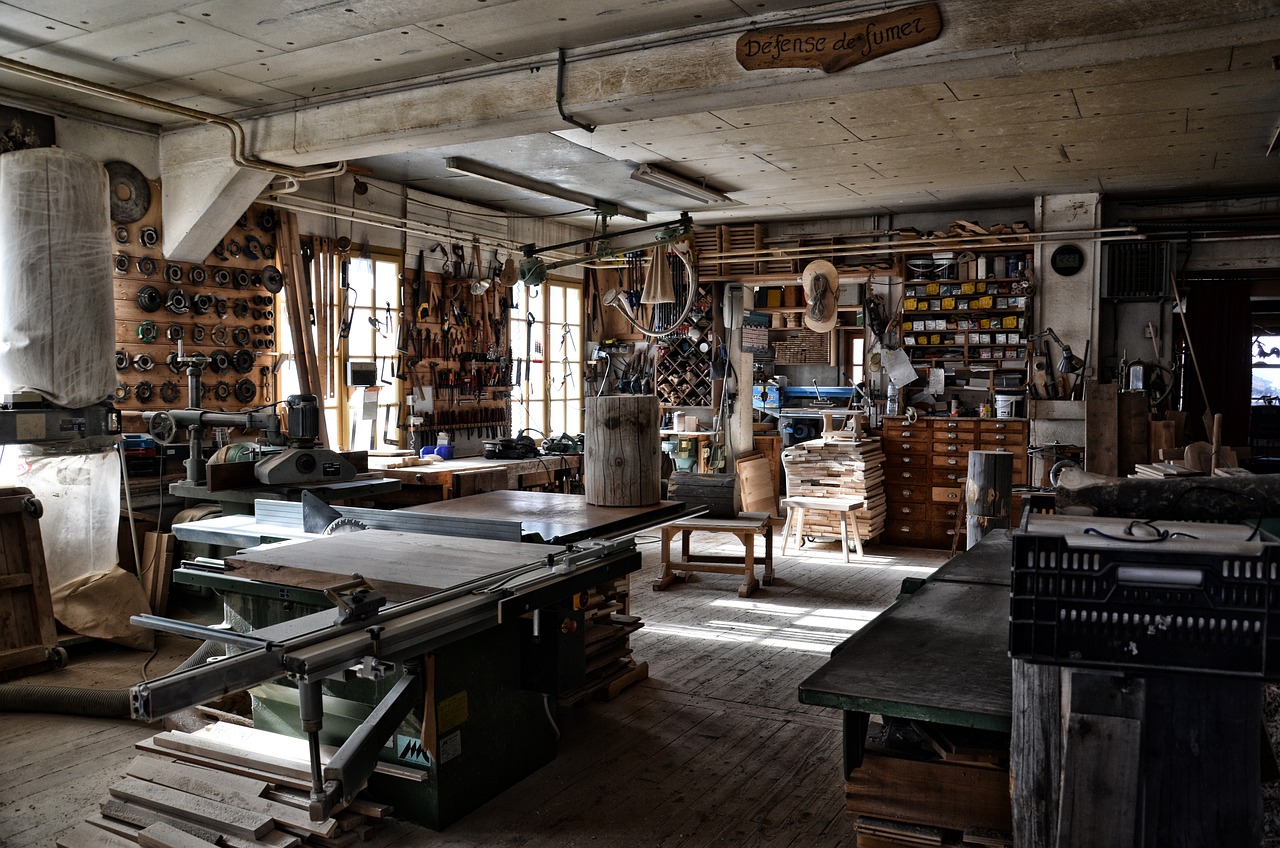
Workshop 1: Oak & Honey Leather – Best for Classic Everyday Wallets
Oak & Honey Leather operates out of a small workshop in Oregon, focusing on slim, minimalist wallets and cardholders. Their signature product is the ‘Utility Wallet,’ a three-pocket design that holds six to eight cards plus cash without the bulk most bifolds carry. They use 3-4 ounce full-grain leather from a family-run tannery in Pennsylvania. The leather is dyed through, not just on the surface, so creases don’t reveal a cheap white core underneath.
Construction is all saddle stitch with waxed polyester thread in contrasting colors—a deliberate aesthetic choice. Lead time averages around 10 business days, plus shipping. Prices for their cardholders start at $65, with their bifolds hitting $120. What stands out is the deliberate simplicity. There are no gimmicks, no RFID blocking claims (most minimalist wallets don’t hold enough cards to matter). Just well-fit leather that forms to your pocket over a few weeks of use.
Best for: Someone who wants a slim wallet that molds to them over time. Avoid this if they want a bi-fold with many compartments or an integrated money clip.
Workshop 2: Heritage & Hide – Best for Custom Engraved Belts and Bags
Heritage & Hide offers personalization that actually feels bespoke, not like a quick laser burn. Located in a converted barn in Vermont, this workshop specializes in belts and messenger bags with deep hand-stamped engraving. Their ordering process is straightforward: pick your leather grade (they offer a ‘rustic’ grade with more visible grain character and a ‘smooth’ grade), choose your hardware finish (brass or darkened steel), and provide the text or date you want stamped.
The engraving is done with hand tools before the piece is assembled, which means the impressions are clean and consistent. They offer up to 25 characters on belts and 15 characters on bag flaps. Pricing reflects the manual labor: belts start at $75 and can reach $130 with custom engraving. Messenger bags hover around $340. A limitation is color selection—they only offer three shades: chestnut, black, and natural. That keeps inventory simple and quality high, but it might not suit every recipient.
Best for: Gift-givers who want to add initials, a wedding date, or a meaningful phrase. Skip this if you need a wide range of colors or very fast shipping (lead times often stretch to four weeks).
Workshop 3: Trailhead Leather Co. – Best for Rugged Travel Accessories
Trailhead Leather Co. builds gear for people who actually travel. Their focus is on dopp kits, passport holders, and field notes covers made from a combination of heavy 8-ounce full-grain leather and waxed canvas. The waxed canvas adds structure and water resistance without making the package too stiff to pack. Their dopp kit uses YKK Excella zippers—the same brass zippers found on high-end mountaineering gear—and all stress points are reinforced with rivets.
What separates Trailhead from others is how their products age in rough conditions. The waxed canvas softens over time but never frays. The leather darkens from sun and oil but doesn’t crack. Their passport holder is slim enough to fit in a front pocket, yet it holds two cards and a boarding pass alongside the passport. Prices are fair for the durability: dopp kits at $95, passport holders at $45, and field notes covers at $35.
Comparable brands like Tanner Goods offer similar aesthetics but at about 20% higher cost. Trailhead wins on rugged practicality for people who actually use their gear hard. The trade-off is a more utilitarian look—if someone prefers polished, dress-friendly leather, this isn’t it.
Best for: Frequent travelers, outdoor enthusiasts, or anyone who wants a travel kit that can survive being tossed into a backpack for years.
Comparison: Which Workshop Wins by Use Case?
| Use Case | Best Workshop | Price Range | Customization | Lead Time |
|---|---|---|---|---|
| Everyday slim wallet | Oak & Honey Leather | $65–$120 | Minimal (color choice only) | 2 weeks |
| Personalized belt or bag | Heritage & Hide | $75–$340 | Extensive (hand-stamped text) | 4 weeks |
| Rugged travel gear | Trailhead Leather Co. | $35–$95 | Minimal (hardware finish choices) | 2–3 weeks |
Don’t expect personalized engraving from Oak & Honey, and don’t ask Trailhead to make a dress belt. Each workshop has clear strengths. Match them to your recipient’s lifestyle, not just your budget.
Budget Friendly Options: Quality Leather Gifts Under $100
You don’t need to spend a lot to give a quality leather gift, but you need to know where to look. Keychains, cardholders, and watch straps are excellent entry-level items that still showcase genuine craftsmanship. Small workshops often offer these at lower price points because they require less material and labor than larger bags or belts.
A simple cardholder from Oak & Honey runs $65 and gives you the same construction quality as their full wallets. Trailhead’s field notes cover at $35 is a steal for a gift that gets used daily. If you’re considering a belt under $100, skip the cheap bonded leather options and look for a simple, unlined strap from Heritage & Hide (their base belt starts at $75 without engraving).
Here’s where to save: simple cardholders, key fobs, and watch straps. Where not to save: belts. A cheap leather belt from a big box store will warp and crack after a few months. A full-grain belt from a small workshop, even at $90, lasts a decade. For those looking for options, searching for handmade leather cardholders can turn up solid choices under $100.
The Realities of Ordering Custom Leather Goods: Lead Times and Communication
Custom leatherwork isn’t instant. Expect lead times between two and eight weeks depending on the workshop’s backlog and complexity. Heritage & Hide, for example, quotes four weeks for stamped belts during busy periods. Communication is usually direct—most small makers respond to emails within 24 hours, but don’t expect a tracking number within minutes. Understand the rhythm: these are people working one piece at a time.
Order early for holidays. May is fine for a Father’s Day gift. October is safe for Christmas. Waiting until December guarantees disappointment. If a product arrives and doesn’t meet expectations, reputable workshops offer returns or exchanges, but you’ll often cover return shipping. Always confirm the policy before ordering. A maker who avoids discussing returns is a red flag.
Caring for Handmade Leather: Simple Steps to Extend Its Life
Handmade leather doesn’t need much, but ignoring it completely reduces its lifespan. Clean off dirt with a damp cloth (never soaking wet). Condition every three to four months with a beeswax-based conditioner—it keeps the leather supple and prevents cracking. Store items away from direct sunlight and extreme heat, which dries out the leather.
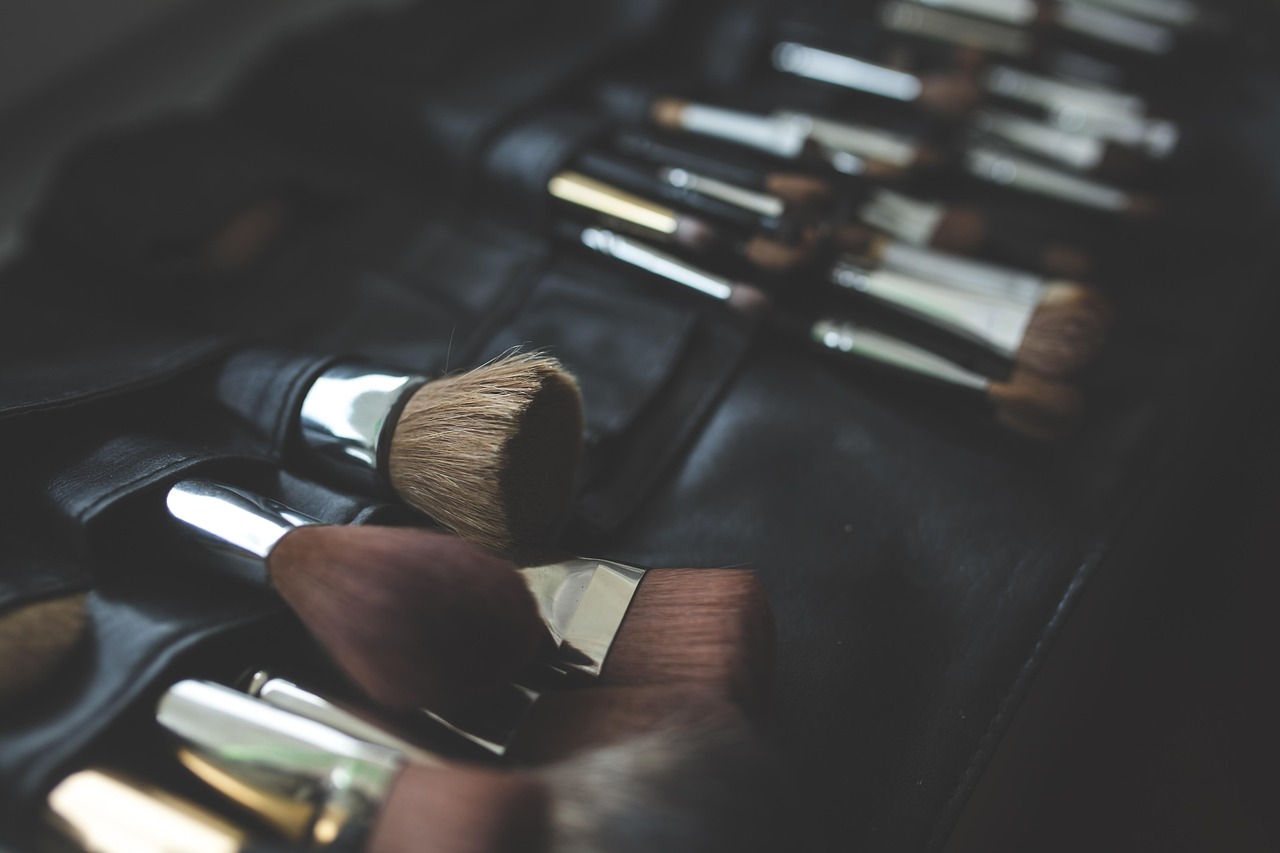
For scratches, rub the area with your finger. The natural oils from your skin often smooth out minor marks. For deeper scuffs, a small amount of leather balm works wonders. A horsehair brush is great for buffing and maintaining the surface. A horsehair brush for leather care is a simple tool to keep that new-gift look going longer.
Gift Pairing Ideas: Matching Leather Goods with Complementary Items
A leather wallet pairs well with a field notes notebook or a slim pen. It’s practical and doesn’t feel like a forced combo. A leather belt works naturally with a simple watch—consider a leather watch strap from Trailhead Leather Co. as a budget-friendly add-on. A dopp kit, from the same maker, fits alongside a travel-sized shave kit or toiletry set.
Keep pairings grounded. If you’re giving a passport holder, a luggage tag from the same workshop feels intentional. Avoid stacking too many items. One solid leather gift plus one useful add-on is memorable. Two leather gifts plus accessories starts to look excessive.
Final Recommendations: Our Top Picks for Handmade Leather Gifts
If you’re buying for someone specific, here are our top picks by category, all from workshops we trust:
- Best gift for dad: The Heritage & Hide personalized belt ($75 base, $130 with engraving) from handmade leather belt options. It’s practical, built to last, and the monogrammed touch shows real intent.
- Best gift for a minimalist friend: Oak & Honey Leather cardholder ($65) from minimalist leather cardholder designs. Slim, durable, and pairs easily with any lifestyle.
- Best gift for a constant traveler: Trailhead Leather Co. dopp kit ($95) from leather dopp kit travel bags. Rugged, water-resistant, and built to outlast a dozen trips.
- Best budget-friendly gift: Trailhead field notes cover ($35) from handmade leather field notes covers. Small price, daily use, genuine craft.
Every pick here comes from a working workshop that emails you back, cuts their own leather, and stands behind their work. That’s the real gift. Choose the one that matches the person you’re buying for, order early, and watch their face when they open something built with actual care.