10 Handmade Textile Blanket Gifts: Throws & Scarves from Artisans
Introduction
When you’re looking for a gift that feels personal and lasts, handmade textile blanket gifts are a strong option. But the category is broader than most people realize. You’re not just choosing between a throw and a scarf. You’re weighing materials, weaves, artisan origins, and practical use cases. This article helps you compare those options clearly so you can buy with confidence. Whether you value durability, ethical sourcing, or unique design, the goal here is to match you with the right piece for the right person.
Why Choose Handmade Textile Blanket Gifts Over Mass-Produced Options
The immediate difference is durability. A machine-made throw from a big box store might last a season or two before pilling or fading. A well-made handmade piece from a skilled artisan can last for decades with proper care. Tight weaves, quality fibers, and attention to finishing mean these items hold up to regular use. You pay more upfront, but the cost per use often works out in your favor.
Beyond durability, there’s the design factor. Mass-produced textiles use factory patterns. Handmade pieces often feature unique motifs tied to specific communities. A throw from Oaxaca might carry Zapotec symbols. A scarf from Scotland could use a traditional tartan weave. These carry cultural weight and make the gift feel intentional.
There are tradeoffs. Handmade options are limited. You can’t always order ten of the same throw. Stock runs out, and production cycles are slow. Color variation between batches is normal, but that’s also part of the appeal. Each piece is slightly different. If you value consistency above all else, a factory product might be more predictable. But if you want something that feels genuine and supports real craftsmanship, handmade is almost always the better choice.
Environmentally, handmade textiles generally have a smaller footprint. Artisans often use local materials and natural dyes. There’s less packaging, less shipping waste from bulk production, and fewer synthetic chemicals. For gift buyers who care about their impact, that matters.
Key Factors to Compare Before Buying: Throws vs. Scarves
- Size: Throws typically measure 50×60 inches to 60×80 inches. Scarves range from 20×60 inches to 30×80 inches.
- Weight: Throws are heavier, often 1-3 pounds. Scarves are lighter, usually under a pound.
- Use Cases: Throws work as couch blankets, bed toppers, or wall hangings. Scarves are accessories but can double as small throws, picnic blankets, or table runners.
- Price Range: Handmade throws generally run $60-$200. Scarves are more accessible at $30-$100.
- Care: Throws need more care—spot cleaning or dry cleaning. Scarves are easier to wash, especially smaller ones.
If the recipient stays home a lot, a throw offers more comfort versatility. If they travel, commute, or work in an office, a scarf is easier to integrate into daily life. Think about their lifestyle first, then choose the format.
Mistakes to Avoid When Shopping for Artisan Textiles
The biggest mistake is assuming all natural fibers are easy to care for. A 100% wool throw looks beautiful, but it needs gentle washing or dry cleaning. Some people throw them in a machine and ruin the piece. Always check the care label before buying.
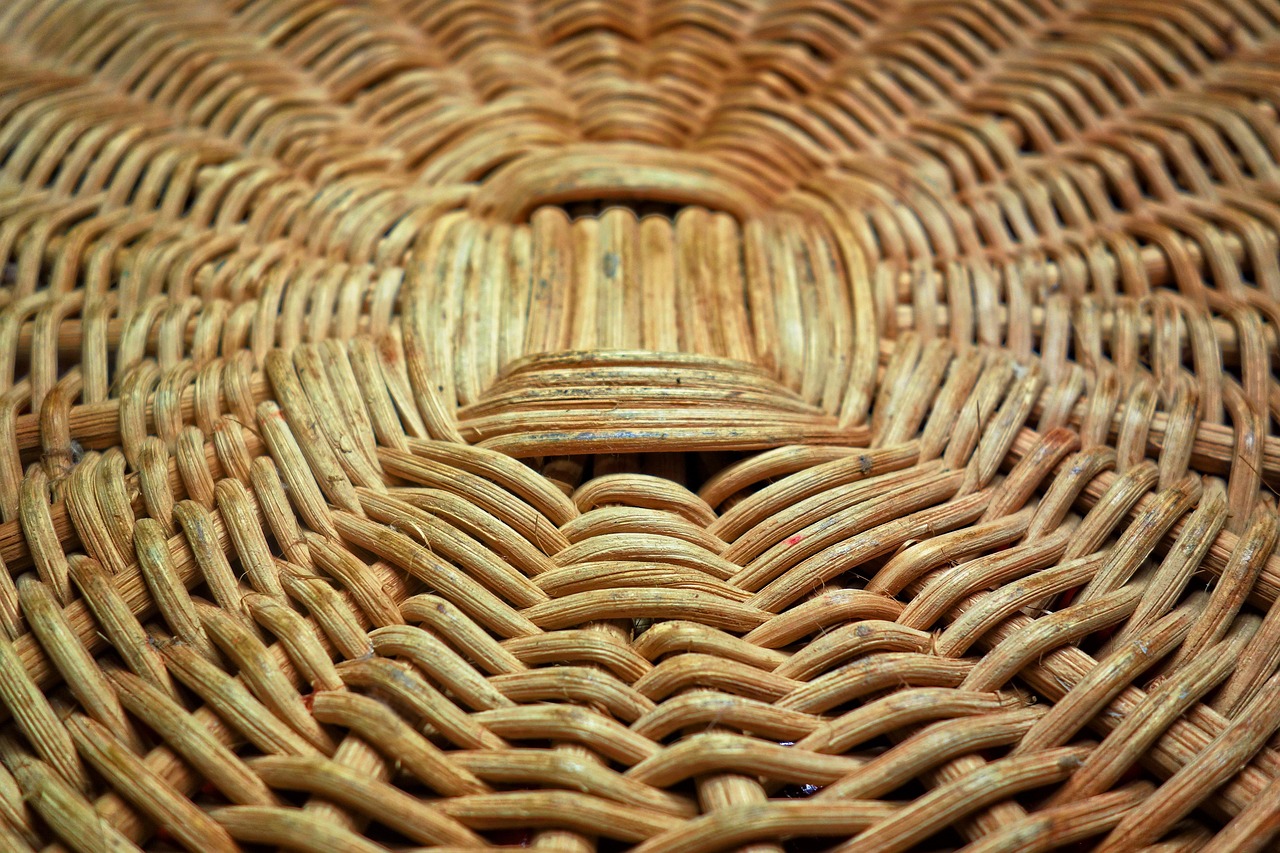
Weave density matters more than most people realize. A loose weave might look airy, but it snags easily and doesn’t provide much warmth. A tight weave costs more but lasts longer and performs better. Test by pinching the fabric. If you see light through the weave easily, it’s probably too loose for heavy use.
Don’t trust fair-trade labels at face value. Some brands use the term loosely without certification. Look for specific cooperative names or third-party certifications. If the seller can’t name the artisan community or region, that’s a red flag.
Watch for pilling. Some blends, especially those with acrylic or low-quality cotton, pill after a few washes. You can test by rubbing a thumbnail against the fabric. If little balls form immediately, that’s a bad sign.
Finally, read return policies. Handmade items often have stricter return windows. Some artisans don’t accept returns at all. Make sure you’re comfortable with the terms before committing to a higher-priced piece.
Top 5 Handmade Throws for Warmth and Decor
1. Peruvian Alpaca Throw Blanket
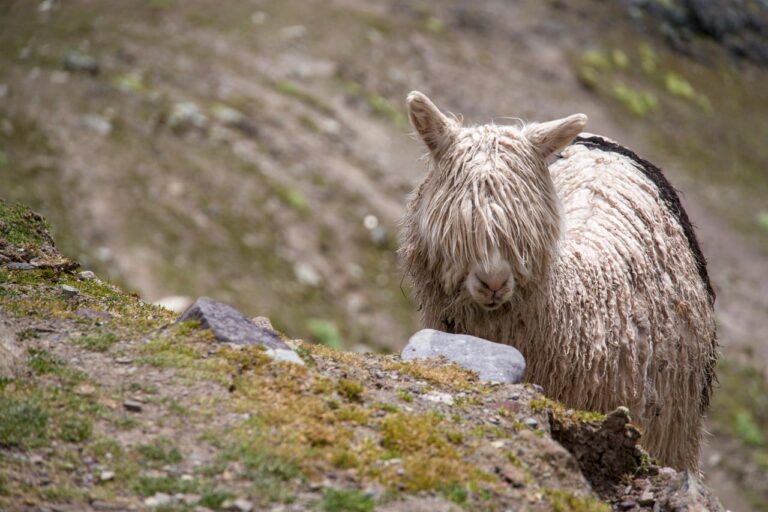
Material: Baby alpaca wool. Weave: Tight herringbone. Size: 60×80 inches. Best for: Someone who values warmth without bulk. Alpaca is warmer than sheep’s wool but lighter. It’s also hypoallergenic for most people. Price bracket: $100-$150. This beats department store throws because the fiber quality is significantly better. It won’t shed or pill quickly. Pro tip: Dry clean only. Hang it over a reading chair for instant coziness.
2. Mexican Saltillo Falsa Blanket
Material: Acrylic-cotton blend. Weave: Loose but durable. Size: 50×60 inches. Best for: A college student or casual space. The bright geometric patterns work well in modern decor. Price bracket: $40-$70. It’s less expensive because of the blend, but the design is distinctly artisan. Pro tip: This one is machine washable, making it practical for everyday use.
3. Indian Kantha Throw Blanket
Material: Recycled cotton saris. Weave: Quilted layers. Size: 60×80 inches. Best for: An eco-conscious friend who loves texture. Kantha throws have visible running stitches that create a gentle, nubby feel. Price bracket: $80-$120. The recycled aspect reduces waste, and each piece has a slightly different color arrangement. Pro tip: Wash cold and line dry to preserve the stitching.
4. Scottish Tartan Throw Blanket
Material: Pure new wool. Weave: Twill. Size: 60×80 inches. Best for: A traditionalist or someone with a classic home aesthetic. Tartan throws are sturdy and timeless. Price bracket: $120-$180. The quality of Scottish wool weaving is known worldwide. Pro tip: Keep a lint roller handy—pure wool sheds initially, but that fades over time.
5. Moroccan Boucherouite Throw
Material: Recycled fabric strips. Weave: Rug-like. Size: 50×60 inches. Best for: An artist or someone who appreciates folk art. Boucherouite throws are bright, irregular, and completely unique. Price bracket: $70-$110. They’re thick and durable enough for a floor mat or couch throw. Pro tip: Spot clean only. The fabric strips can shrink unevenly in water.
Best Handmade Scarves That Double as Giftable Art
1. Handwoven Cotton Scarf from Guatemala
Weight: Light. Warmth rating: 2/5. Styling: Works as a lightweight wrap, shawl, or table runner. Best for: A minimalist who appreciates neutral tones and subtle stripes. Price bracket: $30-$50. Travelers looking for a packable gift option may want to consider a handwoven cotton scarf from Guatemala for its versatility.
2. Chunky Knit Alpaca Scarf
Weight: Medium. Warmth rating: 4/5. Styling: A traditional scarf for cold commutes. Best for: Someone who walks to work or lives in a cold climate. Price bracket: $60-$90. The texture adds visual interest even when worn with a simple coat. If you’re dealing with harsh winters, a chunky knit alpaca scarf provides substantial warmth without the bulk of a heavy coat.
3. Silk Mulberry Scarf from India
Weight: Light. Warmth rating: 1/5. Styling: Can be used as a neck scarf, head wrap, or wall hanging. Best for: A fashion-forward friend or someone who likes versatile accessories. Price bracket: $40-$70. The sheen and softness are unmatched by synthetic silk alternatives.
4. Recycled Sari Scarf
Weight: Light to medium. Warmth rating: 2/5. Styling: Doubles as a wrap, shawl, or decor accent. Best for: An eco-conscious recipient who loves bold colors. Price bracket: $25-$45. Each piece is unique because of the recycled sari pieces used.
Consider adding a matching hat or storage bag as a gift add-on. A simple cotton pouch protects the scarf during travel and makes the gift feel more complete.
Budget-Friendly Handmade Textile Gifts Under $50
You don’t need to spend a lot to give a meaningful handmade gift. Small throws, lightweight scarves, and textile sample sets are all accessible under $50. The tradeoff is usually size or material complexity. A smaller throw might be 40×50 inches, which works for a child, a pet bed, or a decorative accent. Lightweight scarves in cotton or thin wool also fit this price range.
Look for cotton or cotton blends. They’re machine washable and durable. Avoid acrylic-heavy blends at this price point—they tend to pill quickly. A small recycled sari scarf or a simple handwoven cotton piece from India or Guatemala offers artisan quality without breaking your budget. The key is knowing what to look for: tight weave, clean seams, and natural fibers.
When to Choose a Throw Over a Scarf (and Vice Versa)
Choose a throw if the recipient needs a housewarming gift, lives in a cold climate, or works from home. A throw adds immediate comfort to a reading nook, couch, or bed. It’s a cozy upgrade they’ll use daily.
Choose a scarf if the recipient commutes, works in an office, or travels frequently. A scarf is compact enough to pack in a bag and works as both a fashion accessory and a warmth layer. If the recipient is fashion-forward, a silk or handwoven scarf offers more styling versatility than a throw.
One clear rule: if the recipient travels often, a compact scarf is better. A throw takes up too much luggage space. For a homebody, the throw wins every time.
How to Verify Authentic Artisan Craftsmanship
Machine-made edges are the first red flag. Handwoven edges are slightly irregular. If the edges are perfectly straight and uniform, it’s machine-made, even if the body looks handwoven. Run your finger along the edge. You should feel tiny inconsistencies in tension.
Natural dye variation is another clue. Hand-dyed fibers have slight color variations across the piece. Perfectly even color often means synthetic dyes applied by machine. That’s not automatically bad, but it’s not what you’re paying for if you want artisan quality.
Look for signature motifs tied to a specific region. A genuine Oaxaca throw will have Zapotec symbols, not generic Aztec-adjacent patterns. Real Fair Isle knits use distinct stranded patterns. Research the region’s textile traditions beforehand so you know what to expect.
Check for artisan cooperatives. Many artisan textiles are produced by organized groups of weavers. If the seller names the cooperative or community, that’s a stronger authenticity signal than a generic ‘handmade’ label. Finally, return policies matter. Reliable sellers of authentic artisan goods often have reasonable return windows because they stand behind their products. If the return policy is extremely strict or non-existent, that’s a warning sign.
Use this checklist when evaluating a piece:
- Are the edges slightly irregular?
- Is there color variation from natural dyes?
- Does the design match known regional motifs?
- Is a cooperative or community named?
- Is there a reasonable return policy?
The Tradeoffs: Natural Fibers vs. Blends in Handmade Textiles
Pure wool is warm, breathable, and durable. But it can be itchy for some people, especially on bare skin. It also requires careful washing. If the recipient has sensitive skin, avoid wool.
Organic cotton is soft, breathable, and machine washable. It’s less insulating than wool, so it works better for moderate climates or as a decorative piece. It’s also generally more affordable.
Alpaca is luxury-level soft and warmer than sheep’s wool. It’s also lighter. The downside is price. Expect to pay a premium for genuine alpaca products. Some blends mix alpaca with acrylic, which reduces cost but also reduces performance. Check the fiber percentages.
Recycled blends are eco-friendly and often unique. But the feel varies wildly depending on the source materials. Some recycled sari silks are smooth; others are rougher. This category is best for someone who values sustainability over uniform texture.
If the recipient has allergies, avoid wool and choose cotton or alpaca. If they prefer easy care, cotton is the winner. For maximum warmth, wool or alpaca. For budget, a cotton blend or recycled blend offers a good balance.
Why These Gifts Work for Almost Any Recipient (With One Exception)
Handmade textiles are versatile. A throw becomes a scarf. A scarf becomes a wall hanging. A small throw works as a pet blanket or a guest room accent. Nearly everyone can find a use for a quality textile. They’re not niche gifts. They fit into homes, offices, and travel bags.
The one exception is someone who strongly prefers modern synthetic textures. Some people genuinely dislike the feel of wool or silk. Others have pet allergies to wool. If your recipient is particular about fabric feel, stick with cotton or alpaca, or ask them directly. The last thing you want is to gift a beautiful wool throw to someone who finds it uncomfortable.
Outside that exception, these gifts work. They’re thoughtful, practical, and often become heirloom pieces.
Final Checklist: What to Look for Before You Click ‘Buy’
- Material content (100% natural or blend)
- Size in inches (not just ‘throw’ or ‘scarf’)
- Care instructions (machine washable? dry clean only?)
- Return policy (how many days? who pays shipping?)
- Artisan origin (region or cooperative name)
- Delivery time (handmade items often take longer to ship)
If the product listing clearly answers all six points, you’re in good shape. If it skips details on care or origin, consider it a risk. Stick with sellers who are transparent. For a curated selection of trusted handmade textile blanket gifts, browse handmade textile blanket gifts on Amazon. Each piece has been evaluated for quality, authenticity, and longevity.