Best Handmade Ceramic Planters for Plant Lovers: A Curated Gift Guide
Why Handmade Ceramic Planters Are a Thoughtful Gift
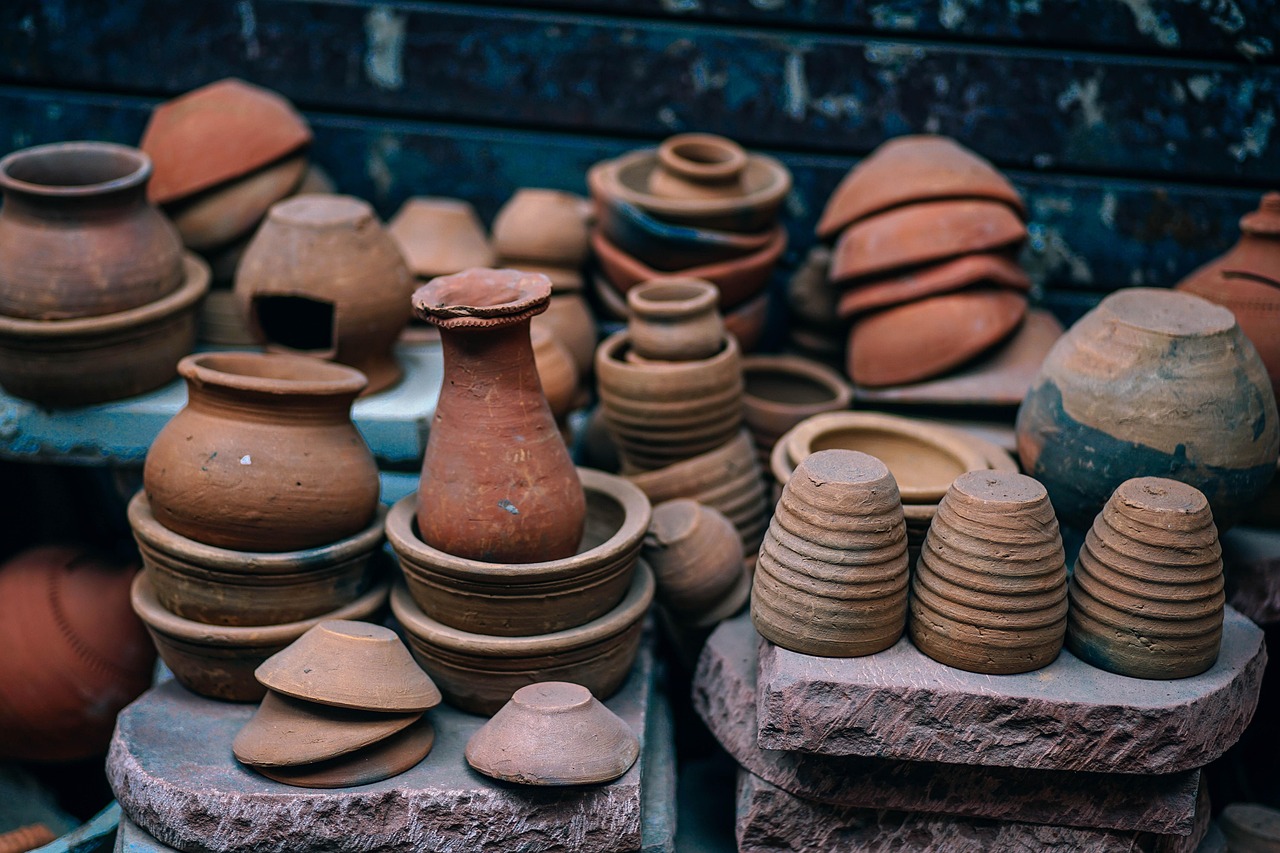
Finding a gift for a dedicated plant lover can feel surprisingly tricky. They usually have everything they need: soil, tools, and enough pothos cuttings to start a small jungle. What they rarely have enough of is good pots. That is where handmade ceramic planters gifts come in. Unlike mass-produced plastic nursery pots or generic glazed containers from big box stores, a handmade ceramic planter carries intention. It is a functional object that also serves as decor, and the person using it will notice the difference every single day.
Handmade ceramics have a distinct weight and feel. The glaze is rarely perfectly uniform, which is the point. You get subtle variations in color, texture, and finish that make each piece unique. That irregularity is not a flaw, it is proof of human hands at work. For the plant lover, this means their potted plant becomes a more complete object. The container matters as much as the greenery inside it. From a practical standpoint, quality ceramic lasts. It does not fade in the sun, crack from a light bump, or warp over time like cheaper materials can. A handmade planter is a gift that will sit on a windowsill or shelf for years, aging well and staying useful.
What to Look for When Choosing a Handmade Ceramic Planter as a Gift
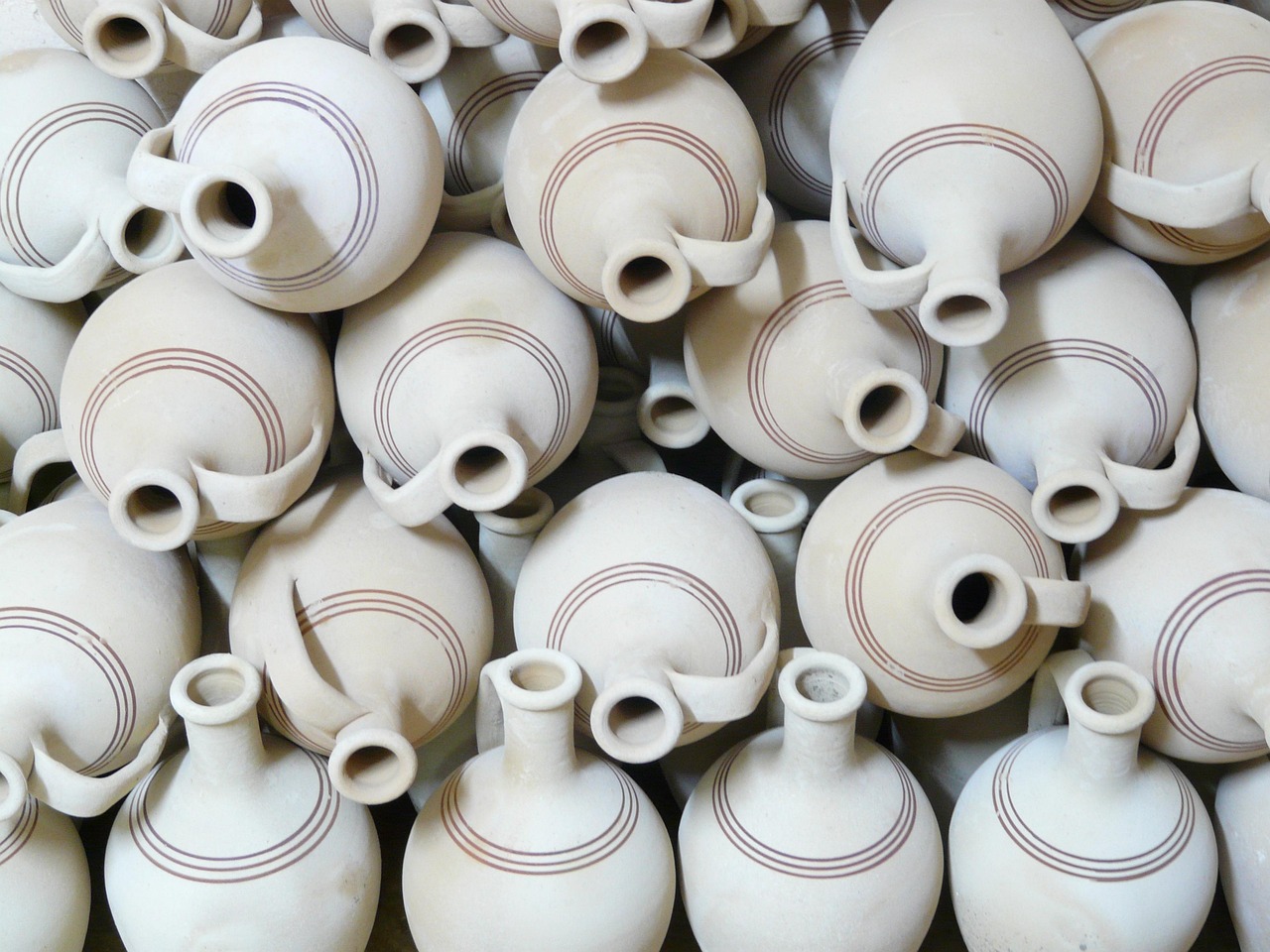
Before you buy, run through a few practical checks. The biggest consideration is drainage. Most houseplants need a drainage hole to let excess water escape. Without one, water collects at the bottom and causes root rot. If the planter you are eyeing has no drainage hole, think carefully about who is receiving it. A seasoned plant owner might know how to use it as a cachepot (placing a nursery pot inside the decorative one). A beginner will likely water directly into the pot and kill the plant. For a safer gift, stick with a planter that includes a drainage hole and a matching saucer. Ceramic planters with drainage and saucers are widely available and take the guesswork out of the purchase.
Size is the next major decision. A planter should be about one to two inches larger in diameter than the plant’s current nursery pot. That gives the roots room to grow without drowning in too much soil. A pot that is too large will hold excess moisture and increase the risk of root rot. A pot that is too small means the plant will outgrow it in a few months. If you are unsure of the recipient’s plant size, go for a medium planter around six to eight inches in diameter. That fits most common houseplants like pothos, snake plants, and peace lilies.
Another detail to check is whether the interior of the planter is glazed. If the inside is unglazed raw ceramic, it will absorb moisture from the soil over time. This can lead to mineral buildup, staining, and even cracking in colder environments. A fully glazed interior protects the ceramic and makes cleaning easier. It is a small feature that makes a big difference in the long run.
Style matters too, but do not overthink it. Look at the recipient’s existing home decor. Do they lean toward clean modern lines, rustic earthy textures, or bold sculptural shapes? Match the planter to their aesthetic, not yours. A white minimalist pot fits almost any setting. A textured speckled pot suits a more organic look. A geometric or asymmetrical planter works for someone who enjoys conversation-starting decor. When in doubt, neutral glazes and simple shapes are the safest bet.
Common Mistakes When Gifting Handmade Planters (And How to Avoid Them)
One of the most common mistakes is buying a planter that is too small. A tiny ceramic pot might look cute on a shelf, but it will limit what the recipient can actually use it for. A three-inch planter works for a single succulent or a small cutting, but not much else. If you want the gift to be versatile, go larger.
Another frequent issue is ignoring the saucer. Many handmade planters are sold without a saucer, or the saucer is sold separately. If the planter has a drainage hole but no saucer, water will drip onto the furniture. That is a problem. Before you purchase, confirm whether a saucer is included. If it is not, buy one separately or plan to add it as part of the gift. A simple bamboo tray or a stone coaster can work, but it is better to have something purpose-made. Matching ceramic saucers are easy to find and keep the setup looking intentional.
Some buyers also forget to consider the plant collection itself. If the recipient is a succulent enthusiast, they need a pot that drains quickly and stays dry. A heavily glazed planter that holds moisture will cause their plants to rot. On the other hand, someone who grows ferns or calatheas needs a pot that retains some humidity. Matching the planter to the plant type is more important than most people realize. A little research into what the recipient grows will save you from giving a pot that does not get used.
Finally, do not assume handmade means fragile. Quality ceramics are durable, but they are not indestructible. If you are shipping the planter directly, check that it comes with proper packaging. A cracked pot arriving at the doorstep is a disappointment for everyone involved.
Types of Handmade Ceramic Planters for Different Plant Lovers
Not all plant lovers want the same kind of pot. The best planter for one person might be the wrong choice for another. Here is a breakdown of common styles and who they suit best.
Sculptural statement planters are for the minimalist who treats plants as living art. These pots have bold shapes, asymmetrical forms, or dramatic angles. They work best with simple, structural plants like sansevieria, monstera, or fiddle leaf figs. The planter becomes a focal point, so the plant should complement it, not compete with it. This style suits someone who values design and already has a curated home.
Organic textured pots are ideal for succulent and cactus lovers. These planters have a rough, natural finish often speckled with sand or small stones. They mimic the look of terracotta but with a handmade touch. The texture adds grip and a tactile quality that pairs well with desert plants. They also tend to be unglazed on the outside, which helps the soil dry out faster. That is exactly what succulents need.
Geometric glazed pots fit modern decor and clean lines. These planters have sharp edges, faceted surfaces, or precise patterns. The glaze is usually glossy and comes in solid colors like matte black, deep navy, or blush pink. They work well with trailing plants like string of pearls or pothos, where the soft greenery contrasts the hard geometry. This style suits someone who likes order and simplicity in their space.
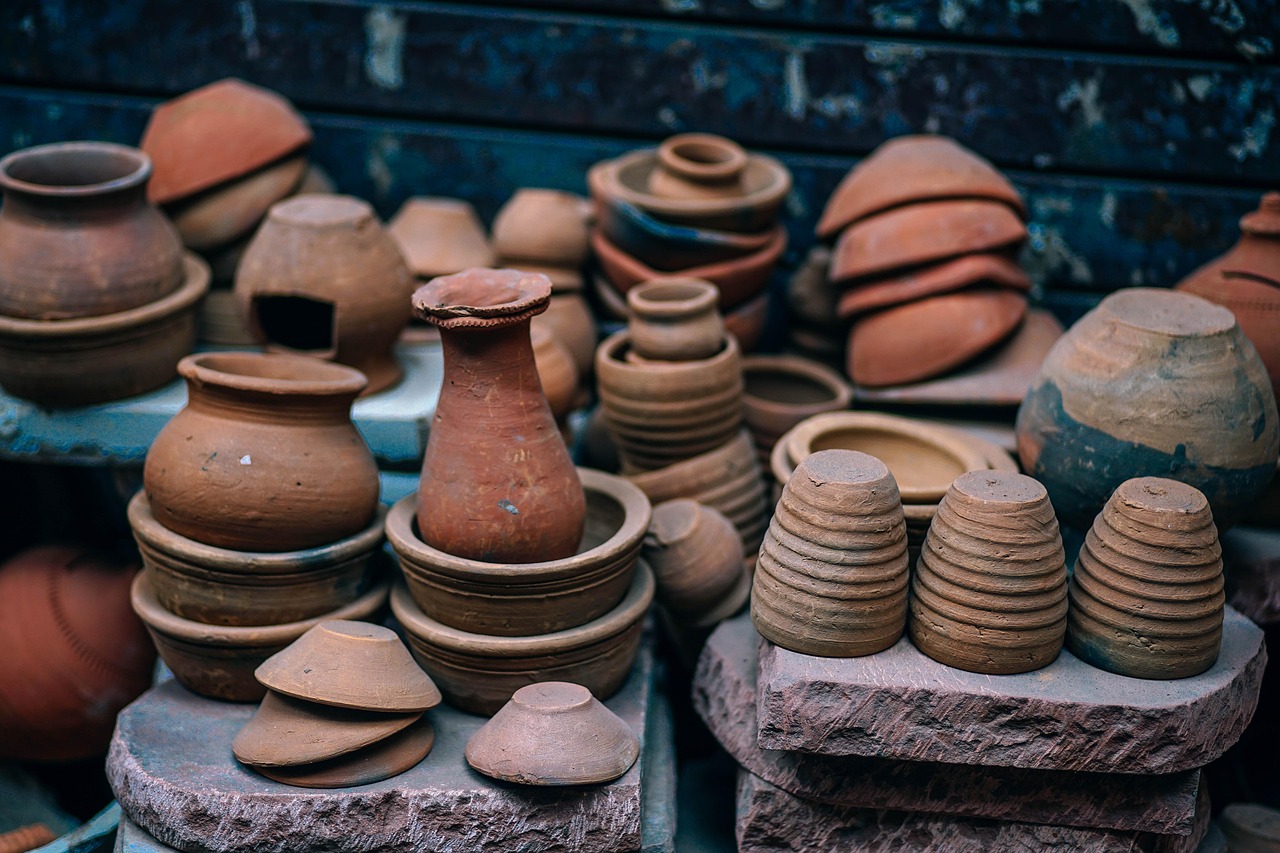
Small terracotta-style ceramics are perfect for propagation stations and starter plants. These are the smaller pots, usually three to four inches, with a warm earthy tone. They fit on a windowsill, desk, or shelf without taking up much room. These are great for the plant lover who is always propagating cuttings and needs small pots ready to go. They also work well for gifting to someone who is new to plants, since the size is manageable and forgiving.
Top 5 Handmade Ceramic Planters for Plant Lovers
These are concrete recommendations that solve real problems. Each one has a specific strength and a clear use case. All are available on Amazon and come from makers who prioritize quality materials and craftsmanship.
1. D’vine Dev Mid Century Ceramic Planter
This planter has a matte finish with a subtle speckled texture. It comes in several neutral colors including blush, cream, and charcoal. The pot measures six inches in diameter, which fits most common houseplants. It includes a drainage hole and a matching saucer. The design is clean but not boring, and the weight is substantial enough to keep a top-heavy plant stable. This is a safe universal gift that works in almost any home. The main tradeoff is that the glaze is matte, which shows water spots more than a glossy finish would. But for most people, that is a minor detail. Check price on Amazon
2. La Jolíe Muse Textured Stoneware Pot
This is a rough-textured pot that looks and feels like natural stone. It is unglazed on the exterior with a raw organic finish. The interior is sealed, so it does not absorb moisture. It comes in a six-inch and an eight-inch size. This planter is best for succulents, cacti, or any plant that prefers dry soil. The texture makes it easy to grip, and the earthy color blends into any setting. The downside is that unglazed exteriors can be harder to clean if mineral deposits build up over time. But for the right plant lover, this is a top-tier choice. Check price on Amazon
3. Mkono Geometric Glazed Planter with Stand
This planter sits on a slim bamboo stand, which elevates it slightly off the surface. The pot itself is glazed ceramic with a geometric faceted shape. It has a drainage hole and includes a saucer. The bamboo stand adds a natural element that softens the hard edges of the ceramic. This works well for trailing plants like pothos or string of hearts, where the vines can hang down over the edge. The planter is about five inches wide, so it fits on a desk or shelf without dominating the space. The only catch is that the bamboo stand may need occasional tightening, but that is true of any wood accessory. Check price on Amazon
4. Homenote Mid Century Modern Ceramic Pot
This is a classic cylinder shape with a modern tapered silhouette. It comes in several sizes from four inches up to ten inches. The glaze is glossy and available in colors like mustard yellow, teal, and white. It has a drainage hole and a matching saucer. This pot is versatile enough for a snake plant, a rubber tree, or a large fern. The glossy finish is easy to wipe clean, which matters for plants that get dusty. The main tradeoff is that glossy pots can feel slippery when wet, so careful handling is needed. But for everyday use, this is a reliable workhorse pot. Check price on Amazon
5. D’vine Dev Handmade Textured Planter (Small)
This is a four-inch pot with a hand-thrown look and a speckled glaze. It is small enough for a single succulent, a propagation cutting, or a small air plant. The pot has a drainage hole and comes with a matching saucer. The irregular glaze pattern means each pot looks slightly different. This makes it a good choice for gifting to someone who appreciates artisan details. The small size also makes it easy to ship and handle. The limitation is obvious, it only fits small plants. But for someone who loves collecting unique pots for their propagation station, this is a thoughtful addition. Check price on Amazon
How to Choose Between Glazed and Unglazed Handmade Planters
This decision affects how the planter performs with different plants. It is worth understanding the difference before you buy.
Glazed planters have a glass-like coating on the surface. This seal prevents water from soaking into the ceramic. The result is that the soil stays moist longer between waterings. That is beneficial for plants that like consistent moisture, like ferns, calatheas, and peace lilies. The glaze also makes the pot easier to clean and protects it from staining. The downside is that plants in glazed pots are more prone to root rot if the owner overwaters. If your gift recipient tends to water on a schedule rather than checking the soil, a glazed pot might require them to adjust their habits.
Unglazed planters are porous. They allow air and moisture to move through the walls of the pot. This helps the soil dry out faster, which is excellent for succulents, cacti, and other plants that prefer dry conditions. The porous nature also allows salts and minerals to escape, reducing the risk of buildup in the soil. However, unglazed pots can lose water quickly, so plants that need consistent moisture will require more frequent watering. The exterior of an unglazed pot can also develop white mineral deposits over time. That is a natural process and not a defect, but it changes the appearance.
The simplest rule is this: if the recipient grows dry-loving plants, choose unglazed. If they grow moisture-loving plants, choose glazed. If you are unsure what they grow, a matte glazed pot in a neutral color is the most forgiving option.
Accessories and Add-Ons That Complete the Gift
A handmade planter can stand alone, but a few thoughtful extras make the gift feel complete. These are practical additions that address common needs.
A drainage tray or saucer is the most important accessory. Not all handmade planters come with one, and a mismatched saucer can ruin the look. If the planter you choose does not include a saucer, find one that matches in color or material. A simple bamboo tray or a stone coaster also works and adds a natural element. Browse saucers on Amazon
A small bag of organic potting mix is a practical addition. Many plant lovers appreciate high-quality soil, especially if they are particular about their mix. Choose a bag that is small enough to fit in a gift box but large enough to repot a medium plant. Avoid generic all-purpose mixes and look for something specific to indoor plants. Check organic soil options
A moisture meter is a useful tool for anyone who struggles with watering. It takes the guesswork out of the process and helps prevent overwatering or underwatering. These are inexpensive and easy to use. They make a good add-on for a beginner plant parent. Find moisture meters on Amazon
A bamboo plant stand is a nice touch if the planter is meant to sit on the floor or a low shelf. Elevating the pot improves air circulation and makes the plant more visible. A simple tripod stand or a single pedestal stand works well with most ceramic pots. Shop bamboo stands on Amazon
Caring for a Handmade Ceramic Planter: What to Tell the Recipient
A handmade planter will last for years with basic care. But a little knowledge prevents accidents. Share this with the person receiving the gift.
Clean the planter with mild soap and warm water. Avoid harsh chemicals or abrasive scrubbers that could scratch the glaze. If the pot is unglazed, let it dry completely after cleaning to prevent mold growth on the porous surface.
Avoid sudden temperature changes. Ceramic expands and contracts with temperature shifts. Placing a cold pot directly into hot water, or leaving it outside during a frost, can cause cracking. If the planter will be outdoors, choose one that is specifically labeled as frost-proof. Most handmade ceramics are not designed for freezing temperatures unless the maker states otherwise.
If the planter develops a white crust on the unglazed exterior, that is mineral buildup from water and fertilizer. It is harmless and can be scrubbed off with a soft brush and vinegar solution. Some people actually prefer the aged look. Either way, it is not a sign of damage.
Check the drainage hole occasionally for clogs. Soil and roots can block the hole over time, preventing water from escaping. A quick poke with a chopstick clears it out.
Finally, remind the recipient that the planter is heavy. Handmade ceramics have real weight. They should be placed on sturdy surfaces, not flimsy shelves or delicate furniture. A full ceramic pot with soil and a plant can weigh several pounds. Plan accordingly.
Final Thoughts: Finding the Perfect Artisan Planter
Gifting a handmade ceramic planter is one of the most practical ways to show a plant lover you understand their hobby. It is not just a container. It is a durable, beautiful object that supports their plants and fits their space. The key is to match the planter to the recipient, not just to what looks nice on a screen. Consider their plant type, their decor style, and their experience level. Avoid common mistakes like forgetting a saucer or choosing the wrong size. Use the recommendations above as a starting point. Each one was chosen because it solves a real problem and brings real value. Pick the one that fits, and you will give something that gets used every single day. Browse all handmade ceramic planters on Amazon