Handmade Leather Belts That Last a Lifetime: A Practical Guide to Durable, Artisan-Crafted Belts
Introduction
If you’re looking for a belt that actually holds up, you’ve probably noticed that most belts sold in stores don’t last. The leather peels, the buckle tarnishes, or the stitching comes undone within a year. That’s why finding a truly handmade leather belt durable enough for daily use is harder than it sounds. Not all belts labeled ‘handmade’ are created equal, and this guide separates the ones built for a lifetime from those that just look the part. We’ll focus on what matters for longevity: the type of leather, how it’s stitched, and the quality of the hardware. By the end, you’ll know exactly what to look for and have a few solid recommendations to consider.
Why Most Belts Fail Within a Year (And How Handmade Leather Belts Are Different)
Walk into any department store and pick up a typical leather belt. Chances are, it’s not what it seems. Mass-produced belts often use ‘bonded leather’—a mix of leather scraps glued together and coated to look like the real thing. After a few months of daily wear, that coating cracks and the layers separate. You’re left with a flimsy strip that won’t hold its shape.
Cheap hardware is another common culprit. Many belts use plated zinc or pot metal buckles that lose their finish quickly and can even snap under pressure. The stitching is usually machine-stitched with a single thread that unravels as soon as it breaks.
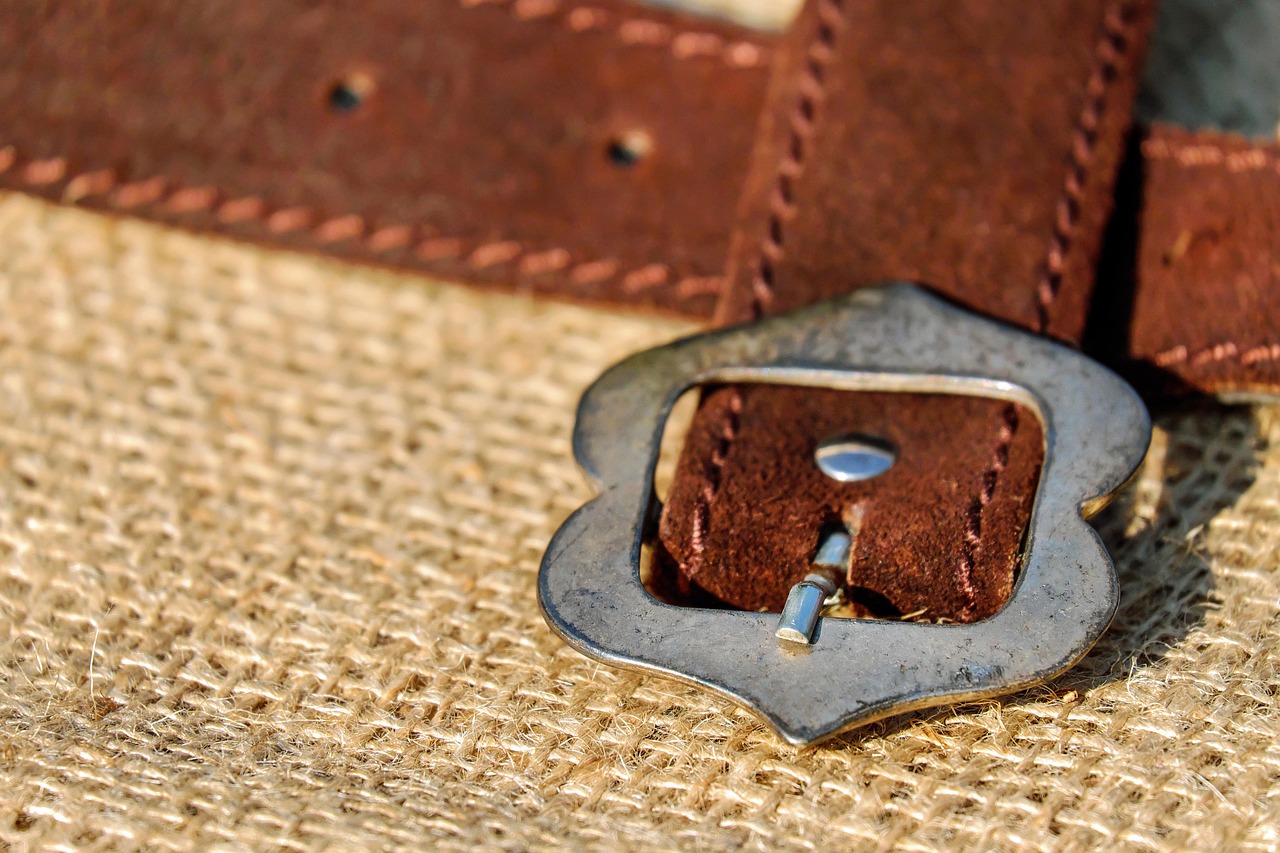
A quality handmade leather belt is built differently. It starts with a single piece of full-grain leather, the strongest and most natural part of the hide. Instead of glue, the layers are held together by thick hand-stitching using waxed thread. The buckle is solid brass, not plated metal. These differences aren’t cosmetic; they’re the reason a handmade belt can last ten, twenty, or even fifty years with basic care.
What Makes a Handmade Leather Belt Truly Durable? Key Factors to Look For
When you’re comparing handmade belts, three components determine how long the belt will last: the leather, the construction, and the hardware.
Leather type. Full-grain leather is the top choice for durability. It comes from the outermost layer of the hide and retains the natural grain, including imperfections that actually make it stronger. It thickens and develops character over time. Top-grain leather is sanded down to remove those imperfections, which makes it look uniform but also weakens the fibers. Genuine leather is a marketing term for low-quality leather that won’t last in a belt.
Construction method. Hand-stitching using a saddle stitch is far more durable than machine stitching. A machine stitch uses two threads, one on top and one on bottom. If one thread breaks, the entire stitch can unravel. A saddle stitch uses a single thread that loops through every hole, so even if one part wears down, the rest of the stitch stays intact.
Hardware. Solid brass buckles are the gold standard. They don’t rust, they don’t chip, and they can be polished back to new condition even after years of use. Plated buckles look fine at first, but the coating wears off quickly, exposing cheap metal underneath. Stainless steel is also a good option for those who prefer a modern look or have a brass allergy. Those looking for a quality build may want to search for solid brass belt buckles to ensure longevity.
Full-Grain vs. Top-Grain: Which Leather Holds Up Best Over Time?
If you’re buying a belt for daily use, full-grain leather is the clear winner. It retains the natural fiber structure of the hide, which makes it incredibly tough and resistant to stretching. Over time, it develops a rich patina that reflects how you’ve worn it—a feature many people come to appreciate. A full-grain belt can easily last decades if cared for properly.
Top-grain leather, while still a step above bonded or genuine leather, is not the same. The sanding process removes some of the strongest fibers near the surface, making it more prone to cracking and creasing over the long term. It does look more uniform, which some people prefer for dress belts. But if you’re prioritizing durability, top-grain is a compromise.
Here’s the practical takeaway: For everyday workwear, belts that hold up to tools, bending, and moisture, go full-grain. For a dress belt that sees occasional wear, top-grain can work, but full-grain will still outlast it.
Best Handmade Leather Belt for Everyday Workwear
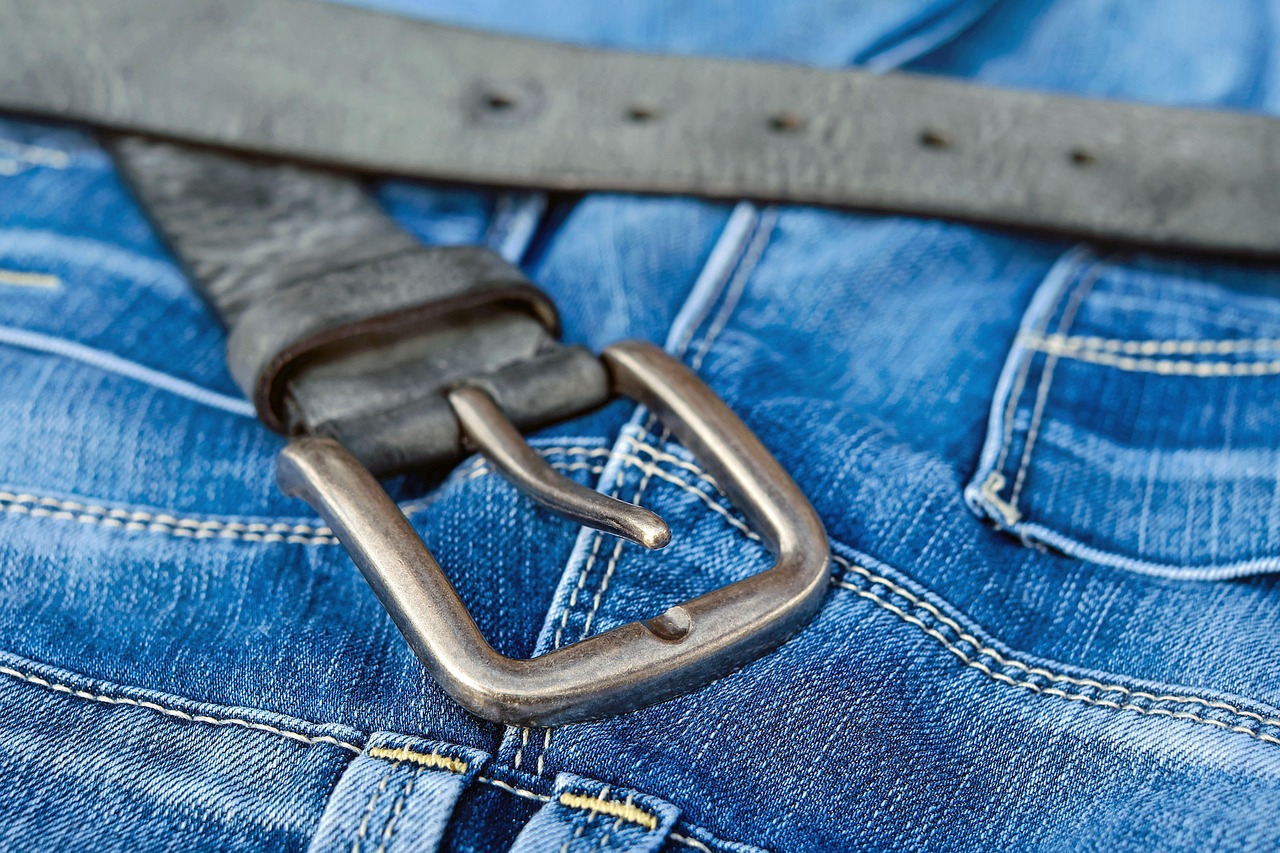
For work and casual wear, you want a belt that’s wide enough to distribute weight and thick enough to hold up to daily abuse. Our recommendation here is a 1.5-inch wide belt made from full-grain leather, with a matte brass buckle. This is the kind of belt you can wear with jeans or work pants, hang heavy tool pouches from, and still have it look good years later.
The thickness should be in the 10–13 oz range (roughly 1/8 to 5/32 inch thick). It will feel stiff when you first put it on, but it molds to your body after a few weeks of wear. The matte finish on the brass buckle avoids the flashy look and won’t show scratches as much as a polished one. A belt like this is not about fashion; it’s about function that lasts. Look for a belt with full-grain construction and solid brass hardware from a maker who stands behind their work. It’s worth exploring full grain leather belt options for daily use.
Best Handmade Leather Belt for Dress Occasions and Office Wear
For dressier settings, you don’t need the same thickness as a work belt, but you still want durability. A 1.25-inch wide belt made from full-grain leather with a polished brass or stainless steel buckle is the sweet spot. It fits through dress pants loops without bunching and doesn’t look oversized.
The leather can be a bit thinner—around 7–9 oz—which makes it more pliable and comfortable under a suit jacket or blazer. The stitching should be neat and even, ideally in a matching or slightly contrasting thread color. A polished buckle adds a touch of refinement without being flashy. Even with thinner leather, go with full-grain for longevity. A well-made dress belt like this will still hold up to daily wear for years, just with a more refined look.
5 Common Mistakes to Avoid When Buying a Handmade Leather Belt
1. Falling for ‘genuine leather’ labels. That term does not mean quality. It’s the lowest grade of real leather and often includes bonded or split leather. Always check for ‘full-grain’ or ‘top-grain’ in the description.
2. Choosing glued construction. Some so-called handmade belts use glue to hold layers together instead of stitching. Over time, that glue dries out and cracks. Look for belts that are stitched, not just glued.
3. Ignoring hardware quality. If the buckle is described as ‘brass finish’ or ‘brass tone,’ it’s likely plated. Solid brass buckles will explicitly say ‘solid brass.’ Don’t assume.
4. Buying a belt that’s too short. Many belts are sold in standard sizes that don’t account for the length needed to thread through belt loops and still have an inch or two past the buckle. A belt that’s too short will never fit comfortably. General rule: buy a size that’s 2 inches longer than your pants waist size.
5. Skipping the lining check. Some belts hide lower-quality leather or synthetic lining inside. If the belt is lined, check that the lining is also full-grain or at least a durable material. A good maker won’t cheap out on the inside.
How Leather Thickness and Width Affect Longevity and Comfort
The thickness of the leather is measured in ounces, with one ounce equaling about 1/64 of an inch. For a durable work belt, you want leather between 10 and 13 ounces. This thickness resists stretching and can support weight without deforming. The caveat is that it will be stiff for the first few weeks. Plan for a break-in period before it feels perfectly comfortable.
For dress belts, a thickness of 7 to 9 ounces provides a good balance between durability and flexibility. It will hold its shape but won’t feel like a piece of board against your waist.
Width matters too. A 1.5-inch belt is standard for work and casual wear. It distributes weight well and is wide enough to be durable. For dress wear, a 1.25-inch belt is the norm. It’s narrower, which suits formal trousers, but it shouldn’t be too much thinner in terms of gauge. Always match the belt width to the belt loops on your pants. A 1.5-inch belt won’t fit through narrow dress pant loops.
Stitching and Hardware: The Hidden Details That Make or Break a Belt
Stitching holds everything together, and the type of stitch matters. Machine stitches are common on cheaper belts, and they use a lock stitch that relies on two threads. If one thread breaks, the stitch line can fail completely. Saddle stitching, done by hand with a single thread, is much stronger. Each stitch is independent, so a broken thread won’t unravel the rest. It’s slower and more expensive to produce, but it’s the hallmark of a belt that’s built to last.
Hardware is the other weak point in most belts. Solid brass is the most durable choice for a buckle. It doesn’t corrode, it can be polished if it tarnishes, and it won’t snap under load. Stainless steel is a good alternative for those who want a more modern look or have a nickel allergy. Avoid anything described as ‘zinc alloy,’ ‘pot metal,’ or just ‘metal buckle.’ These are cheap, breakable, and will tarnish quickly.
A feature worth paying attention to is replaceable hardware. Some handmade belts use a Chicago screw or similar mechanism that allows you to swap the buckle if it wears out or if you want to change the look. That extends the life of the belt significantly.
Handmade Leather Belt Maintenance: How to Make Yours Last Decades
Even the best durable handmade leather belt needs a little care to reach its full lifespan. It’s not complicated, and you don’t need expensive products.
Conditioning. Apply a small amount of leather conditioner (like mink oil or beeswax-based balm) every three to six months. This keeps the leather from drying out and cracking. Avoid over-conditioning; a little goes a long way. A quality leather conditioner for belt care can be found easily.
Water damage. Leather doesn’t like to stay wet. If your belt gets soaked, let it dry naturally at room temperature. Don’t put it on a radiator or in direct sunlight, as that will cause it to shrink and crack. A good conditioner applied after drying helps restore moisture.
Storage. Hang your belt when you’re not wearing it. Looping it tightly and tossing it in a drawer will crease the leather and stress the stitching. A simple belt hanger or a hook is fine. For longer-term storage, keep it in a cool, dry place away from humidity.
One item that makes a difference is a good leather conditioner. Also, a proper belt hanger that doesn’t pinch the leather will help maintain its shape. Both are small investments that pay off in years of continued use.
Our Top 3 Handmade Leather Belt Recommendations for Long-Term Use
1. The All-Day Work Belt (Best for Daily Workwear)
This is a 1.5-inch wide, full-grain leather belt with a matte solid brass buckle. It uses saddle stitching and includes replaceable hardware. The leather is 10-12 oz, so it needs a short break-in but holds up to heavy use. Pro: Incredible durability. Con: Too thick for dress pants.
2. The Office Essential (Best for Dress and Office Wear)
A 1.25-inch full-grain leather belt with a polished stainless steel buckle. The leather is 8 oz for better flexibility under a suit. Hand-stitched with a neat, low-profile thread. Pro: Looks sharp and refined. Con: Not ideal for heavy daily work.
3. The Versatile All-Rounder (Best for Mixed Use)
A 1.5-inch wide belt that can bridge work and casual settings. It uses 9-10 oz full-grain leather and a brushed brass buckle. The hand-stitching is robust, but the leather is slightly thinner than the work belt, making it more comfortable for all-day wear. Pro: Great balance of comfort and durability. Con: Not as rugged as the work belt for heavy tool use.
Final Thoughts: Is a Handmade Leather Belt Worth the Investment?
A well-made handmade leather belt is not cheap, but it’s one of the few clothing accessories that actually saves you money over time. You’ll buy it once and wear it daily for years, possibly decades. It can be repaired, conditioned, and handed down. The alternative is buying a new belt every year or two as the cheap ones fall apart. When you consider the cost per wear, a quality handmade belt is a bargain.
If you’re still comparing options, focus on the factors that matter: full-grain leather, saddle stitching, and solid brass hardware. That combination gives you a belt that will last a lifetime. Take care of it, and it will reward you with years of dependable service. Pick the one that best fits your daily life, and you won’t regret the choice.