Glassblowing Class Gift: The Complete Guide to Gifting an Experience That Lasts
Introduction
Looking for a gift that actually means something? A glassblowing class gift moves beyond the predictable cycle of scented candles, gift cards, and bottles of wine. This is a present that gives someone the chance to get their hands dirty with a 2,000-year-old craft and walk away with something they made themselves. Whether you’re shopping for a partner, a parent, a creative friend, or a couple who already has everything, a glassblowing class offers a tactile, memorable experience. This article covers how to choose and book the right one, so the gift lands well.
Why a Glassblowing Class Makes a Unique Gift
Most experience gifts fall into predictable buckets. Dinner vouchers get eaten and forgotten. Spa packages are nice but passive. Concert tickets are a single evening that fades. A glassblowing class operates on a different level entirely. It’s active, creative, and physically engaging. The recipient isn’t just watching something happen. They’re standing in front of a 2,100-degree furnace, manipulating molten glass with metal tools, and making decisions that shape a physical object in real time.
What makes this gift stick is the souvenir. That paperweight, ornament, or drinking glass they produce isn’t just a decorative object. It’s a tangible reminder of the effort, the heat, the concentration, and the small victory of pulling something out of the flames intact. Every time they look at it, they remember the experience. That’s something a cashmere sweater or a bottle of scotch can’t match. It’s a gift that keeps telling a story.
Understanding the Different Types of Glassblowing Classes
Not all glassblowing classes are the same. The right choice depends entirely on who you’re buying for. Here’s a breakdown of the main categories you’ll find.
Introductory Make-Your-Own Sessions
These are the most common type of gift class. They usually run between 45 minutes and two hours. The participant works one-on-one with an instructor to create a simple item like a paperweight, a Christmas ornament, or a small bowl. The instructor handles the most dangerous parts. The participant makes creative decisions and does the hands-on shaping. This is the safest, most accessible entry point. Cost typically ranges from $80 to $150 per person. Best for absolute beginners, casual gift-givers, and people who just want to try something new. Travelers who need a quick creative outlet during a city trip will find these short sessions particularly appealing.
Multi-Week Workshops
For someone who shows genuine interest, a multi-week workshop offers real skill development. These run for four to eight weeks, usually one session per week. Participants learn to gather glass from the furnace, shape it on the pipe, add color, and work more independently. These classes cost significantly more, often $300 to $600 for the full course. Best for hobbyists, aspiring artists, or anyone who has already taken an introductory session and wants to go deeper.
Intensive Weekend Courses
These are crash courses for people who want accelerated learning. They pack a lot into two or three days. Participants typically make multiple pieces and learn techniques that would take weeks in a standard workshop. Cost lands somewhere between introductory and multi-week, typically $200 to $400. Best for out-of-town visitors, people with limited free time, or couples looking for an immersive shared experience. Booking directly with the studio is the most reliable way to secure a spot.
What to Look for in a Reputable Glassblowing Studio
Choosing the right studio matters more than the class type. A bad studio can turn a thoughtful gift into a frustrating or even dangerous afternoon. Here’s what to check before you buy.
- Instructor qualifications. Look for instructors with formal training and several years of teaching experience. Many working glass artists teach on the side. Their Instagram portfolio can tell you a lot about their skill level.
- Safety protocols. Glassblowing involves extreme heat, sharp tools, and heavy equipment. A reputable studio will have clear safety briefings, require closed-toe shoes, provide eye protection, and keep first aid equipment accessible.
- Class size limits. Good studios cap introductory classes at two students per instructor. Larger groups mean less individual attention and a weaker experience for the person you’re gifting.
- Studio cleanliness. A messy studio isn’t just unprofessional. It’s a safety hazard. Look for organized tools, clean work surfaces, and proper storage for finished pieces.
- Online reviews. Read recent reviews on Google or Yelp. Pay attention to comments about the instructor’s teaching style, the studio’s atmosphere, and whether students felt rushed.
Smaller local studios often provide a more personal experience than larger chains. They’re usually run by working artists passionate about the craft. The tradeoff is that they may have fewer class times or stricter cancellation policies. Larger studios offer more flexibility but can feel more transactional. A gift certificate from a trusted studio is often the cleanest route. If your recipient lives far from the studio, consider a glassblowing book to complement the experience or serve as a thoughtful add-on.
How to Choose the Right Experience Level for Your Recipient
The most common mistake when gifting a glassblowing class is overestimating the recipient’s ability. Here’s how to match the class to the person.
Absolute Beginners
Stick with introductory sessions that produce simple, satisfying projects. Paperweights, ornaments, and small dishes are forgiving forms that look good even on a first attempt. Avoid anything requiring symmetry or precision. Beginners don’t have the muscle memory or heat awareness to pull off a stemmed wine glass or a balanced vase. The result will be disappointing.
Occasional Hobbyists
Someone who has taken one or two classes before can handle slightly more complex projects. Consider a session that produces a cup, a small bowl, or a sculptural object. They’ll still need close supervision, but they can take more creative control. Avoid assuming they’re ready for advanced techniques like blowing thin-walled vessels or working with multiple colors in layers.
Experienced Students
For someone with several classes under their belt, look for private lessons or advanced technique sessions. These are harder to find as gift certificates, but some studios offer them. If you’re unsure, a general gift certificate that the recipient can use toward any class level is the safest play. It lets them choose what fits their skill level.
The best rule: choose the level below what you think they can handle. A beginner who succeeds at a simple project will feel proud. A beginner frustrated by an overly ambitious project will feel like they wasted their money.
Budgeting for a Glassblowing Class Gift
Glassblowing classes aren’t cheap. The equipment, materials, and skilled instruction all drive the price up. But the value relative to other experiences is strong. Here’s what to expect.
- Introductory sessions: $80 to $150 per person for a 45-minute to 2-hour session. Most include materials, instruction, and one finished piece.
- Weekend intensives: $200 to $400 per person for a two-day course. Materials are usually included, and participants often make two to three pieces.
- Private lessons: $150 to $300 per hour. Best for serious hobbyists or people who want focused one-on-one time.
- Multi-week workshops: $300 to $600 for four to eight sessions. These require a bigger commitment but offer real skill development.
Check whether the studio charges extra for shipping finished pieces. Glass needs to cool slowly in an annealer before it can be handled. Some studios include shipping. Others add a fee that can run $15 to $40 depending on size and distance. Budget-friendly option: stick with a single introductory session for one person. Splurge option: book a private couples session with a meal nearby afterward. Either way, the recipient walks away with something real.
Planning the Logistics: Booking, Travel, and Timing
A glassblowing class gift works best when logistics are handled ahead of time. Here’s how to set the experience up for success.
Book in advance. Popular studios fill up weeks or even months ahead, especially for weekend slots. Don’t wait until the last minute. If you’re gifting the class, consider booking the date yourself rather than handing over a certificate and expecting them to figure it out. Many people let certificates expire because they never schedule.
Check the cancellation policy. Studios have different rules about rescheduling. Some charge a fee. Others require 48 hours notice. Make sure the recipient knows the policy so they don’t get stuck.
Consider travel time. Glassblowing studios are often located in industrial areas or arts districts, not necessarily downtown. Factor in driving time, parking, and the possibility of getting lost. A class that requires a two-hour drive each way can turn a fun afternoon into a tiring day trip. Pair the class with a nearby meal or activity to make the trip worthwhile. A lunch reservation or a museum visit before or after turns it into a full outing.
Timing matters. Morning sessions are usually quieter and less rushed. Late afternoon sessions can run into overtime if the previous class runs long. Aim for a mid-morning or early afternoon slot for the best experience.
What to Expect During a Typical Glassblowing Session
If the recipient has never done anything like this before, setting realistic expectations helps. A glassblowing session isn’t a relaxing, meditative craft like pottery or painting. It’s hot, physically demanding, and requires focused attention. Here’s what they should expect.
- Safety gear. They’ll wear safety glasses and closed-toe shoes. Long pants and natural fibers are recommended. Synthetics can melt if they get too close to the furnace.
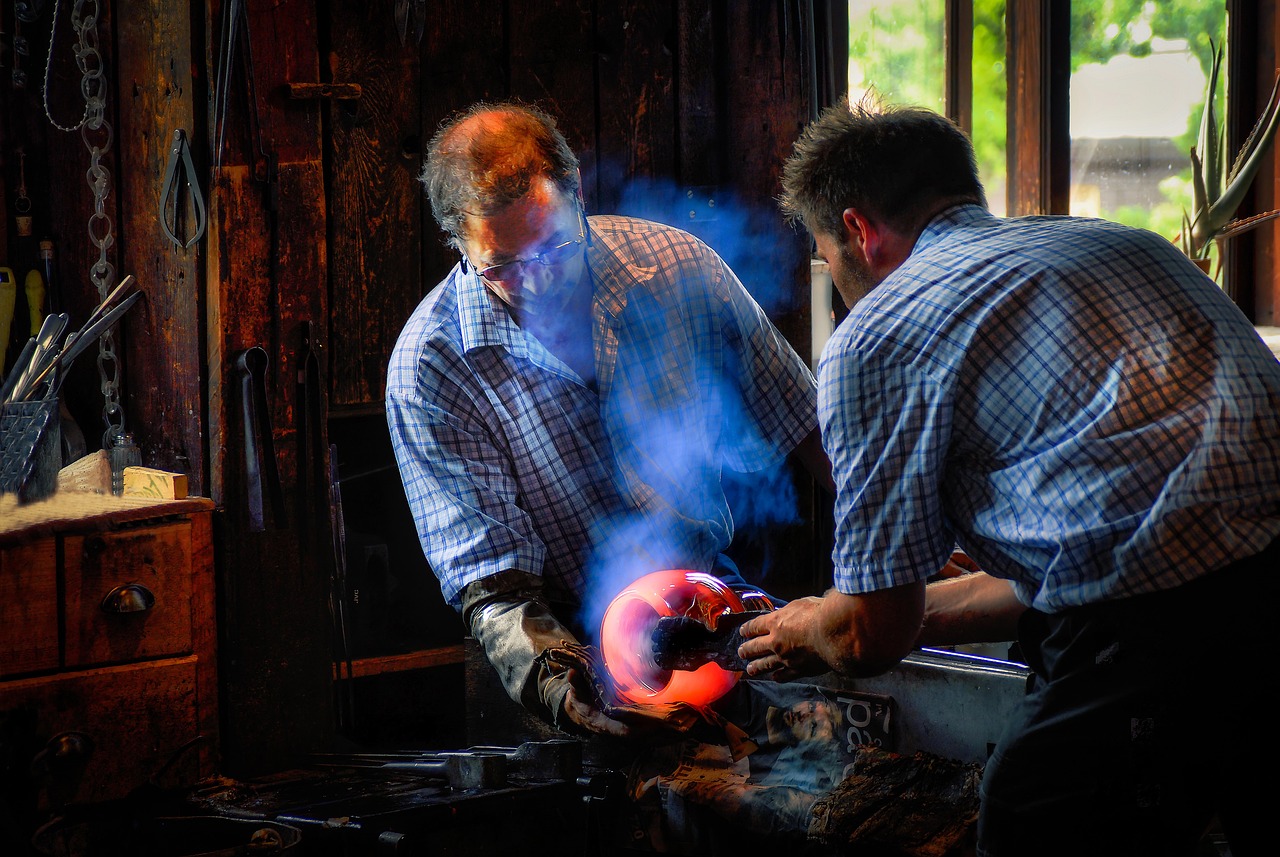
- The heat. The furnace surface temperature exceeds 2,000 degrees Fahrenheit. The studio itself will be hot, often 85 to 95 degrees. They’ll sweat. That’s normal.
- Slow and deliberate movements. Glassblowing isn’t fast or spontaneous. Every movement is careful and controlled. The instructor guides their hands and tells them when to blow, when to turn the pipe, and when to stop.
- The instructor does the dangerous parts. Gathering glass from the furnace, cutting the piece off the pipe, and transferring it to the annealer are all handled by the instructor. The participant focuses on shape, color, and creativity.
- They won’t leave with it. Finished pieces take hours or even days to cool completely. The studio holds it for pickup later or ships it. Don’t expect to hand it over at dinner that night.
Being honest about the physical demands prevents surprises and disappointment. This isn’t a passive experience. It’s active, hot, and satisfying in a way a spa day simply isn’t. A simple way to reduce the stress of the day is to bring a water bottle to stay hydrated in the warm studio.
Common Mistakes to Avoid When Gifting a Glassblowing Class
Even with good intentions, it’s easy to make choices that undermine the gift. Here are the most common pitfalls and how to sidestep them.
- Assuming the piece is ready immediately. As mentioned, glass needs to cool slowly. The recipient won’t walk out holding their creation. If they’re visiting from out of town, plan for shipping or a return visit to pick it up.
- Ignoring age and height restrictions. Most studios require participants to be at least 10 or 12 years old. Some have minimum height requirements because the furnace and workbench are at adult height. Check before you buy for a child or a small adult.
- Choosing a studio too far away. A two-hour drive each way turns a fun afternoon into a logistical burden. If the recipient doesn’t have reliable transportation or hates long drives, the gift becomes a chore.
- Not considering fear of heat or flames. Not everyone is comfortable standing inches from a 2,000-degree furnace. If the recipient has a strong fear of fire or extreme heat, a glassblowing class is the wrong choice. Consider a pottery wheel class or a painting session instead.
- Buying a voucher without checking availability. Some studios have limited class schedules. A voucher usable only on weekday mornings is less useful than one with flexible hours. Read the fine print.
These mistakes are easy to avoid with a little upfront research. The goal is to hand the recipient an experience they’ll actually enjoy, not a problem they need to solve.
Comparing Glassblowing to Other Experiential Gifts
How does a glassblowing class stack up against other popular experience gifts? Here’s a direct comparison to help you decide.
- Pottery wheel class: Cheaper, cooler environment, and the recipient walks away with a piece the same day. Less physically demanding. Better for someone who wants a quieter, more meditative experience.
- Cooking class: Practical and immediately useful. The recipient learns a skill they can use at home. Glassblowing is more unique and produces a physical object, but cooking classes are more accessible and cheaper.
- Painting class: No safety concerns, no heat, and the recipient can take their painting home immediately. Glassblowing is more dramatic and memorable, but painting is a lower-risk, lower-cost entry to creative experiences.
- Spa day: Passive and relaxing. No skill development, no tangible souvenir. Glassblowing is the polar opposite. Choose spa for stress relief and glassblowing for active engagement.
- Concert or show tickets: One-time event with no lasting object. Glassblowing produces a permanent souvenir and teaches a skill. Concert tickets are better for specific interests, while glassblowing is better for general creativity.
Glassblowing is the strongest choice when you want something hands-on, unique, and memorable. It’s a weaker choice for tight budgets, short time frames, or recipients with mobility or comfort issues. Match the experience to the person, not the novelty factor.

Practical Tips for Presenting the Gift
Presentation matters, especially for an experience gift. A voucher printed on plain paper feels underwhelming. Here are a few ways to make the gift feel special before the class even happens.
- Print the certificate nicely. Many studios offer printable gift certificates. Use quality paper or card stock. Fold it into a simple envelope or attach it to a small gift box.
- Pair it with a related book. A small book on glass art or a history of glassblowing adds context and shows thoughtfulness. Look for a photo-heavy coffee table book or a beginner’s guide. A glass art coffee table book is a lovely extra that deepens the experience.
- Add a small tool or object. A glass paperweight, a pair of glassblowing pliers, or even a simple drinking glass ties the gift to the activity. It gives them something to unwrap before the voucher.
- Pair it with a gift card for food afterward. A $20 gift card to a nearby coffee shop, bakery, or restaurant makes the class feel like a complete outing. It also solves the practical question of what to do after the session.
A little extra effort in the presentation signals that this isn’t an afterthought gift. It tells the recipient you put thought into what they’d actually enjoy.
Frequently Asked Questions About Glassblowing Class Gifts
Here are the most common questions people have when considering a glassblowing class gift. These answers come from real experience with studios and students.
Is it safe?
Yes, when the studio follows proper safety protocols. The instructor handles the most dangerous steps. The participant wears safety glasses and follows clear instructions. Most introductory classes are designed to minimize risk. Avoid any studio that doesn’t provide safety briefings or appropriate gear.
What should they wear?
Closed-toe shoes are non-negotiable. Long pants made of natural fibers like cotton or denim. Avoid synthetic fabrics that can melt. No dangling jewelry or loose sleeves. Most studios provide safety glasses. Some provide aprons or gloves.
How long does it take for the glass to cool?
Small pieces like paperweights need about 12 to 24 hours in an annealer. Larger pieces can take 48 hours or more. The studio will hold the piece for pickup or ship it. Always ask about shipping costs and timing before booking.
Can two people share a class?
Some studios offer couples or buddy sessions where two people work together on one piece. Others require each participant to register separately. Group rates are common for parties of four or more. Check with the studio before assuming two people can share one spot.
What if the piece breaks?
Glass breaks. It’s part of the process. Reputable studios will offer to remake the piece or give a discount on a second session. Some have a no-guarantee policy, especially for beginner pieces. Read the studio’s policy before booking so there are no surprises.
Our Top Recommendations for Booking a Class
Based on what we’ve covered, here are four scenarios that work well as glassblowing class gifts. Each recommendation is practical and tailored to a specific recipient type.
- Best for beginners: An introductory paperweight or ornament session at a local studio with excellent reviews. Keep it simple. The goal is a positive first experience, not a masterpiece. Look for studios offering small class sizes and patient instructors.
- Best for couples: A private couples session where two people work together on one piece or each make their own. This works well as a date night or anniversary gift. Pair it with a dinner reservation nearby for a complete evening.
- Best for a splurge: A private lesson or weekend intensive with a well-known instructor. This is for someone already interested in glass art who wants to improve skills. The higher price tag reflects individual attention and depth of instruction.
- Best for group gifting: A group introductory class for a small party of four to six people. Great for birthdays, team bonding, or family outings. Many studios offer group rates and can accommodate multiple participants in one session.
Final Thoughts: Making the Gift Count
A glassblowing class gift is more than a new experience. It’s a thoughtful, practical present that creates a lasting memory and a physical object the recipient can keep. The key is matching the class to the person. A simple introductory session works for most people. A private lesson or weekend intensive is better for someone with some experience. Book in advance, check the logistics, and present the gift in a way that shows you put thought into it. The best studios fill up quickly, so don’t wait until the last minute. This is a gift that keeps telling a story, long after the glass has cooled.