The Complete Natural Fiber Clothing Gift Guide for Sustainable Fashion Lovers
Why Choose Natural Fiber Clothing Gifts Over Synthetics?
If you’re shopping for someone who pays attention to what they wear—how it feels, how it lasts, where it comes from—natural fiber clothing gifts are a genuinely thoughtful choice. The difference is obvious the moment you touch the fabric. Natural fibers breathe, regulate temperature, and don’t trap odors the way polyester does. For anyone with sensitive skin, that alone makes them worth it.
Synthetics come with trade-offs most people don’t think about until they’re dealing with a sweat-soaked shirt or an itchy rash. Microplastics shed during every wash. Pilling happens fast. And that “performance” fabric you paid extra for often holds onto smells after one wear. Natural fibers avoid most of these issues entirely.
Here’s a quick breakdown of the main natural fibers you’ll see in this guide:
- Organic Cotton – Soft, breathable, hypoallergenic. Great for daily wear. Look for long-staple varieties if you want extra durability.
- Linen – Made from flax. Highly breathable, dries fast, gets softer with each wash. Wrinkles easily—that’s part of the look.
- Wool (especially Merino) – Temperature-regulating, odor-resistant, and naturally moisture-wicking. Ideal for travel and layering.
- Hemp – Extremely durable, UV-resistant, and uses minimal water to grow. Stiff at first, softens over time.
- Tencel (Lyocell) – Made from sustainably sourced wood pulp. Silky, drapey, and biodegradable. Works well for base layers and dresses.
When you give natural fiber clothing gifts, you’re also supporting a production chain that tends to be cleaner and more transparent. That matters to the person who checks labels and thinks about where their money goes. From a practical standpoint, these pieces also last longer than anything made from virgin polyester—as long as they’re cared for correctly.
What to Look for in a Natural Fiber Clothing Gift
Not all natural fiber clothing is the same. A cheap cotton t-shirt can pill, shrink, and lose shape in three washes. A well-made one looks better after a year. The difference comes down to a few key things you should know before buying.
Fiber quality matters more than brand name. For cotton, look for “long-staple” or “extra-long-staple” varieties. These fibers are longer, which means fewer joins in the yarn and a smoother, stronger fabric. Linen quality varies by the length of the flax fibers and the tightness of the weave. Merino wool quality depends on micron count—lower numbers mean finer, softer wool.
Certifications are your shortcut to verifying claims. GOTS (Global Organic Textile Standard) covers both organic fiber content and ethical manufacturing. OEKO-TEX certification means the final product is free from harmful chemicals. Fair Trade certification ensures workers were paid fairly. If a brand lists none of these, you’re gambling on their sourcing.
Brand transparency says a lot. Brands that list their supply chain, name their factories, and explain their materials are the ones you can trust. Vague language like “sustainable” or “eco-friendly” with no backup is a red flag.
Care instructions are critical for gift longevity. Pure linen and wool need more care than cotton blends. If the recipient hates hand-washing or dry-cleaning, stick with organic cotton or Tencel, which are more forgiving.
Sizing is where most people trip up. Natural fibers behave differently from synthetics. Linen and cotton can shrink in hot water. Wool needs cold wash and flat drying. Hemp relaxes with wear. Always check the brand’s specific size guide, not just the letter size. When in doubt, choose a brand with free returns and no restocking fees.
One practical tip: look at the label for fiber percentages. A shirt labeled “linen” might be 55% linen and 45% polyester. For true natural fiber clothing gifts, you want 100% of the named fiber, or at least 70% if it’s a blend for performance reasons.
The Best Natural Fiber Clothing Gifts for Every Budget
Whether you’re buying for a close friend or a casual acquaintance, there are solid options across every price range. These are curated picks that solve real problems—comfort, durability, and style—without feeling like you’re paying for a logo.
Under $50
Organic Cotton T-Shirt (Pact)
Pact makes some of the most reliable organic cotton basics at a fair price. Their men’s and women’s crewneck tees are soft, pre-shrunk, and hold up well to regular washing. Best for someone who lives in basics and wants a clean, minimalist look. Note: the fit is true to size but slightly relaxed. If the recipient prefers a slimmer cut, consider ordering down.
Merino Wool Beanie (Smartwool or Icebreaker)
A merino wool beanie hits that sweet spot between utility and luxury. It’s warm without being bulky, doesn’t itch, and breathes during active use. Under $40, it’s an easy add-on gift. Best for anyone who spends time outdoors or walks to work in cold weather. For those who want similar warmth, merino wool beanies are a practical choice.
Hemp Canvas Tote Bag (EcoRight or similar)
A heavy-duty hemp tote is one of those gifts people don’t know they need until they have it. Durable enough for groceries, beach days, or hauling books. Hemp also has a natural antimicrobial quality, so it resists odors. Under $25. Best for the practical, no-fuss person on your list.
$50–$100
Linen Button-Down Shirt (Pact or Quince)
A white or light-blue linen button-down works for brunch, the office, or a beach vacation. It’s breathable, looks better slightly rumpled, and gets softer with time. Quince offers GOTS-certified linen at around $60–$80. Best for someone with a casual but put-together style. Note: linen does shrink in hot water. Advise the recipient to wash cold and hang dry.
Merino Wool Crewneck Sweater (Unbound Merino or Wool&)
Merino crewnecks in the $80–$100 range are a sweet spot for quality you can feel. Unbound Merino’s sweaters are lightweight, odor-resistant, and packable. Good for travel or layering under a jacket. Best for someone who prioritizes comfort and hates bulky sweaters. Sizing tends to be trim; size up if the recipient plans to layer.
Organic Cotton Joggers (Pact or tentree)
These are the gift equivalent of a warm hug. Organic cotton joggers from Pact or tentree are soft, breathable, and cut well for lounging or running errands. tentree plants ten trees per purchase, which adds a subtle environmental story to the gift. Best for anyone who works from home or lives in comfortable clothing.
Over $100
Linen Two-Piece Set (Not Perfect Linen or Linen Fox)
A matching linen top and bottom set is a standout gift. Comfortable enough for wearing around the house but polished enough for dinner out. Not Perfect Linen makes custom-sized sets using OEKO-TEX certified linen. Prices range from $120–$180 depending on customization. Best for someone who appreciates thoughtful, intentional fashion.
Merino Wool Travel Hoodie (Wool& or Ridge Merino)
This is the hoodie that looks good even after a long flight or a week of backpacking. Merino wool’s moisture-wicking and odor-resistant properties mean the recipient can wear it multiple days without washing. Ridge Merino’s hoodie runs around $110–$130. Best for frequent travelers or hikers. Note: the fit is athletic; if the recipient prefers a looser cut, size up.
Organic Cotton Canvas Field Jacket (Patagonia or Fjällräven)
For a serious investment gift, a waxed organic cotton canvas jacket from Patagonia (their Iron Forge line) or a Fjällräven Greenland Jacket is a lifetime piece. Prices range from $200–$300, but these jackets are built to be repaired and passed down. Best for the outdoorsy person who values function over trends.
Fabric Face-Off: Organic Cotton vs. Linen vs. Hemp vs. Merino Wool
Each natural fiber has a distinct personality. Matching the fabric to the recipient’s lifestyle is what separates a good gift from a great one.
Softness
Organic cotton wins here, especially after a few washes. Linen starts out slightly stiff but softens with use. Hemp is the roughest initially—it requires breaking in. Merino wool, especially in finer micron counts, is surprisingly soft and non-itchy.
Breathability
Linen and hemp are the most breathable. They allow air to circulate and wick moisture away from the skin quickly. Organic cotton is breathable but can hold moisture when wet. Merino wool breathes well and also insulates when damp, which gives it an edge in variable conditions.
Durability
Hemp is the strongest natural fiber, often lasting years longer than cotton. Linen is durable but can be prone to creasing and abrasion at folded areas. Organic cotton is durable but wears thin over time. Merino wool requires more care—it can felt or form holes if machine washed aggressively.
Warmth
Merino wool is the warmest for its weight, making it ideal for cold climates and layering. Hemp and linen are naturally cool, which means they’re best for summer or warm indoor environments. Organic cotton sits in the middle—comfortable in most seasons but not specialized for extreme temperatures.
Care Difficulty
Organic cotton and Tencel are the easiest—machine washable and forgiving. Linen needs cold washes and hang drying to prevent excessive shrinkage. Hemp gets softer with washing but can be stiff initially. Merino wool requires the most care: cold wash, no heat drying, and occasional hand washing. If the recipient isn’t someone who reads care labels, stick with cotton or Tencel.
Price
Organic cotton is generally the most affordable, followed by linen. Hemp sits in the mid-range. Merino wool is pricier per item due to the cost of sourcing fine merino fibers. However, merino’s longevity and performance can justify the higher price for frequent travelers or outdoor enthusiasts.
If you’re unsure, classic organic cotton remains the safest bet. It’s familiar, comfortable, and easy to care for. For someone adventurous or active, merino wool or hemp will feel more intentional.
How to Choose the Right Size When Gifting Clothing
Getting the size wrong is the fastest way to kill the excitement of a clothing gift. With natural fibers, it’s even trickier because they behave differently from stretchy synthetics.
Discreetly check their closet is the most reliable method. Look at brands they already wear and note the size. If that’s not possible, check their measurements against the brand’s size guide. A 38-inch chest will require a medium in some brands and a large in others.
Choose brands with generous return policies. Pact, Quince, and Patagonia all offer free returns within 30 days. That removes the risk for both you and the recipient. Avoid brands that charge restocking fees or only offer store credit.
Favor adjustable styles when you’re unsure. Wrap tops, drawstring pants, and one-size-fits-most pieces like oversized cardigans are more forgiving. Items with elastic waistbands or tie fronts also work well.
A common mistake is assuming “one size fits most” in natural fibers. Linen and cotton can shrink up to 5% in the first wash if the care instructions are ignored. Hemp relaxes with wear, so a tight fit can become comfortable after a few uses. Always include a note with wash instructions or check the brand’s pre-shrink policy.
Size guide tip: many brands now post detailed fit notes on their product pages. Look for phrases like “runs true to size,” “size down for a slimmer look,” or “consider sizing up for layering.” These notes are based on real customer feedback and are more useful than the generic size chart.
Gift Ideas for the Stylist: Versatile Natural Fiber Staples
For someone who treats clothing as a form of self-expression, versatile staples that work across multiple outfits are the strongest move. These are pieces that layer well, transition from work to weekend, and hold their shape.
A quality white linen shirt from a brand like Quince or Not Perfect Linen is a wardrobe anchor. It can be worn buttoned up with trousers, open over a tank top, or knotted at the waist. Linen’s natural texture adds visual interest without being loud. Best for someone who appreciates understated style.
A merino wool crewneck sweater in a neutral color like heather grey or navy is timeless. Unbound Merino and Wool& make lightweight versions that don’t cling or pill. This sweater works with jeans, chinos, or under a blazer. Best for someone who travels often or hates ironing.
Organic cotton joggers from Pact or tentree are a gifting no-brainer. They’re comfortable enough for lounging but not so baggy that they look sloppy. The key is a tapered leg and a drawstring waist. Best for remote workers or anyone who prioritizes comfort without sacrificing style.
A hemp tote bag as a secondary gift adds utility. Pair it with a linen shirt or a merino sweater for a thoughtful bundle. The tote can be used for groceries, gym clothes, or as a carry-on. A matched pair of a tote and a shirt is a gift that feels thoughtfully curated without being overwhelming.
When pairing multiple items, stick to a cohesive color palette. Earth tones—olive, rust, cream, charcoal—work together naturally and avoid the mismatch issue.
Gift Ideas for the Outdoorsy Type: Performance Natural Fibers
The active person on your list doesn’t have to choose between performance and sustainability. Natural fibers perform well in outdoor conditions—sometimes better than synthetics.
Merino wool hiking socks from Darn Tough or Smartwool are a gift that gets used constantly. Merino wool is naturally moisture-wicking, antimicrobial, and insulating even when wet. Darn Tough socks also come with a lifetime warranty, which makes them a one-time purchase. Best for hikers, runners, or anyone who spends long days on their feet. Merino wool hiking socks are a reliable choice for active lifestyles.
Hemp work shirts from brands like Patagonia or Jungmaven are durable, UV-resistant, and breathable. They hold up to dirt, sweat, and repeated washing better than cotton. The fabric starts stiff but softens significantly after a few washes. Best for gardeners, DIYers, or camp counselors.
Organic cotton canvas jackets (Patagonia Iron Forge, Fjällräven Greenland) are built for durability. Waxed organic cotton sheds light rain and protects against thorns. These jackets are repairable and often outlast their owners. Best for someone who works or plays outside year-round.
Tencel base layers are a less obvious choice but a smart one. Tencel is silky, moisture-wicking, and biodegradable. It’s great as a first layer under a fleece or wool sweater. Brands like Tentree and Patagonia offer affordable Tencel crew tops. Best for cold-weather runners or skiers who need a non-scratchy base layer.
For a smaller budget, merino wool buffs or neck gaiters are under $30 and universally useful. They work for hiking, skiing, or daily commuting. It’s a low-risk add-on gift that feels premium.
Sustainable Fashion Brands We Trust for Natural Fiber Gifts
Knowing where to shop makes the entire process easier. These brands consistently deliver quality, transparency, and ethical production. They also make sizing and returns straightforward, which removes a lot of the guesswork for gift-givers.
Pact
Pact specializes in organic cotton basics at reasonable prices. They use GOTS-certified organic cotton, and everything is made in Fair Trade factories. Their best gift under $100: the Women’s or Men’s Organic Cotton Crewneck Sweater. Runs true to size, machine washable, and holds its shape well. Pact also has one of the best return policies for gifting—free returns within 60 days.
Patagonia
Patagonia is the most transparent brand in the outdoor space. They publish their entire supply chain, repair clothing for life, and use organic cotton, recycled materials, and fair trade sewing in their gear. Their best gift under $100: the P-6 Logo Responsibili-Tee, a 100% organic cotton t-shirt that’s both classic and durable.
tentree
tentree plants ten trees for every item sold, and they use a mix of organic cotton, Tencel, and recycled materials. Their sizing is consistent and their clothing is designed for everyday comfort. Their best gift under $100: the Trailblazer Jogger, a Tencel-blend jogger that’s soft, breathable, and incredibly comfortable.
Eileen Fisher
Eileen Fisher is the gold standard for timeless women’s natural fiber clothing. They prioritize organic cotton, linen, and Tencel, and they offer a take-back program for old garments. Their best gift under $100: the Organic Cotton Crewneck Sweater, which is relaxed fit, machine washable, and available in a wide color range.
Wool& (formerly WAMA)
Wool& is a brand dedicated to merino wool basics for women. Their clothing is well-priced for merino, and they offer a 30-day fit guarantee. Their best gift: the Brooklyn Merino Wool T-Shirt Dress, a versatile piece that works for work, travel, or casual wear.
A quick note on verifying brand claims: look for the certifications on the product page. If a brand says “organic cotton” but has no GOTS or OEKO-TEX label, it’s worth checking the materials section of the website. Genuine transparency is easy to find—vague claims are not.
Common Mistakes People Make When Gifting Natural Fiber Clothing
Avoid these pitfalls and your gift will land exactly as intended.
Ignoring care instructions. Wool shrinks in hot water. Linen wrinkles in the dryer. If the recipient isn’t someone who fusses over laundry, stick with organic cotton or Tencel. Solution: include a small care card in the gift box with “wash cold, hang dry” written in an obvious place.
Buying too-trendy pieces. Trend-based clothing (puff sleeves, bold prints) looks dated quickly. Natural fiber gifts are an investment in longevity. Solution: stick with neutral colors and classic silhouettes that will still be worn in three years.
Forgetting to check the return policy. Some brands only offer store credit or charge return shipping. If the size is wrong, the giver or recipient ends up stuck. Solution: buy from brands with free returns and at least 30-day windows.
Assuming “natural fiber” equals “low maintenance.” Hemp and linen require ironing. Merino wool needs cold wash and air drying. Solution: match the fabric to the recipient’s laundry habits, not just your ideals.
Buying without measuring. Guessing sizes based on height and weight leads to returns. Solution: measure a shirt the recipient already owns and compare it to the brand’s size guide.
How to Wrap and Present Your Natural Fiber Gift Sustainably
Wrapping a natural fiber gift in plastic packaging undercuts the entire point. Stick with methods that align with the values behind the gift.
Fabric scraps make excellent alternative wrapping. Use a cotton bandana or a linen square to wrap the item, and tie it with twine. The wrapping becomes an extra gift the recipient can reuse.
Reusable tote bags are a natural choice. A simple canvas tote is practical, attractive, and eliminates wrapping waste. Tuck the clothing item inside with a care card made from recycled paper.
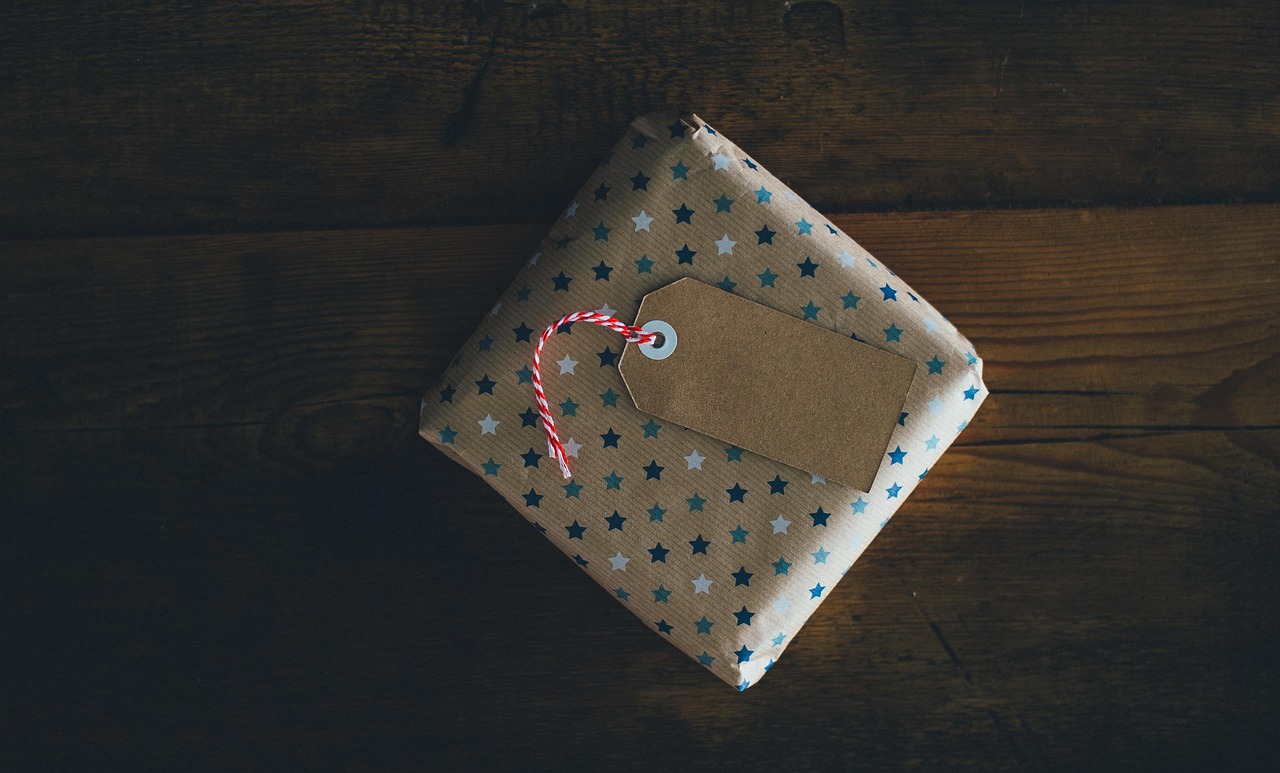
Brown paper and twine is the classic plastic-free option. Use recycled brown kraft paper, tie it with natural twine, and add a sprig of dried lavender or a eucalyptus leaf for a subtle scent.
Care tag tip: Write “Wash Cold, Hang Dry” on a small piece of recycled paper and attach it to the garment with a safety pin. This prevents accidental shrinkage and shows you thought about the long-term use of the gift. For a complete set of natural gift wrapping supplies, natural gift wrapping supplies are worth considering.
Final Checklist: Before You Buy That Natural Fiber Gift
- Verify fiber content. Check the label or product description. Aim for 100% of the named natural fiber, or at least 70% if it’s a blend.
- Check care instructions. Match them to the recipient’s lifestyle. If they hate special laundry care, choose organic cotton or Tencel.
- Know the size. Use measurements from a shirt they own and compare to the brand’s size guide. When in doubt, choose a brand with free returns.
- Read the return policy. Buy from brands with free returns and no restocking fees. This protects both you and the recipient.
- Support certified brands. Prioritize brands with GOTS, OEKO-TEX, or Fair Trade certifications. These are your best indicators of genuine sustainability.
- Consider the recipient’s lifestyle. An active person benefits from merino wool. A homebody will appreciate soft organic cotton joggers. Match the fabric to their habits.
- Wrap thoughtfully. Skip plastic. Use fabric scraps, reusable bags, or brown paper with twine. Include a care tag to prevent accidental damage.
Following this checklist turns a well-intentioned guess into a confident, thoughtful gift. The recipient will feel the difference—not just in the fabric, but in the care that went into choosing it.