The Best Furoshiki Wrapping Cloth Gift Sets for Sustainable Gifting
Introduction
If you’re tired of wrestling with tape, fighting with scissors, and watching wrapping paper tear at the worst possible moment, furoshiki is a genuine solution. This Japanese method of wrapping gifts using fabric has been around for centuries, but it’s gained real traction recently as people look for ways to cut down on single-use waste. A furoshiki wrapping cloth isn’t just a piece of fabric—once the gift is opened, the cloth becomes part of the gift itself, or it gets reused for the next occasion. That practicality is hard to argue with.
Buying individual cloths can be a hassle though. You end up with mismatched sizes, and the cost per cloth is higher. That’s where a furoshiki gift set makes sense. I’ve tested several sets over the past year, wrapping everything from wine bottles to oddly shaped board games. I’ve felt the fabrics, tied the knots, and dealt with the frustration of cloths that are too stiff or too small. This article compares the best sets available so you can pick one that actually fits your needs—not just the one with the prettiest pattern.
Why a Furoshiki Gift Set Makes Sense Over Individual Cloths
Buying individual cloths sounds straightforward until you realize you need four different sizes to cover the range of gifts you typically give. A standard furoshiki set solves this problem immediately. Most sets include a mix of small (around 50cm), medium (around 70cm), and large (90cm+) cloths. That means you can wrap a paperback in the small one, a bottle of wine in the medium, and a sweater box in the large. One set covers all the common scenarios without you having to think about it.
There’s also the pattern coordination factor. When you’re wrapping multiple gifts for the same event—say, a family birthday or a holiday gathering—having matching or complementary cloths makes the table look intentional. You don’t end up with a hodgepodge of prints that clash. The set gives you visual consistency.
Then there’s the practical matter of cost. Buying a 5-piece set is almost always cheaper per cloth than buying five individual cloths. The difference isn’t trivial either. I’ve seen individual furoshiki cloths go for $12 to $18 each. A 5-piece set often lands around $30 to $40. That’s a significant saving, especially if you plan to use furoshiki regularly. The value becomes even more obvious with larger sets. A 10-piece set might cost $50 to $70, which brings the per-cloth cost down to $5 to $7. For the quality you get, that’s hard to beat.
What to Look for in a Furoshiki Gift Set
Not all furoshiki sets are created equal. If you’re going to invest in one, it pays to know what separates a usable set from a frustrating one. Here’s what I’ve learned from testing multiple sets.
Fabric Type
This is the most important factor. The fabric determines how the cloth folds, how tight the knot holds, and how the final wrap looks. 100% cotton is the gold standard for most people. It has a natural stiffness that gives structure to the wrap, but it’s pliable enough to create clean folds. Polyester blends are cheaper and wrinkle-resistant, but they tend to be slippery. Knots can loosen over time, and the fabric doesn’t hold creases as well, which makes the wrap look sloppy. If you see a set made from a polyester-heavy blend, pass on it. The savings aren’t worth the frustration.
Cloth Size
A good set includes a range of sizes. The small cloths (50cm) are for flat items like books or small boxes. The medium cloths (70cm) handle bottles and medium-sized gifts. The large cloths (90cm or more) are for bulky items. If a set only offers one size, you’re limited. Look for sets that include at least three distinct sizes.
Print Quality and Design
Print quality matters more than you might think. Cheap sets often have prints that look washed out or pixelated at the edges. The colors might bleed after the first wash. When you’re giving a gift, the wrapping is the first thing the recipient sees. A blurry print defeats the purpose. Look for sets that advertise double-sided printing, which means the pattern is visible on both sides and the cloth is fully reversible. That’s a sign of higher quality.
Included Instructions
If you’re new to furoshiki, a set that includes a tie guide or instruction card is a huge help. Some sets include a QR code that links to video tutorials. It’s not a dealbreaker if instructions are missing—you can find plenty of tutorials online—but it’s a nice convenience, especially if you’re giving the set as a gift to someone who hasn’t tried furoshiki before.
Common Mistakes When Choosing a Furoshiki Set (And How to Avoid Them)
I made a few mistakes when I first started using furoshiki. Hopefully, you can skip them.
Buying only small cloths. It’s tempting to grab a set of small cloths because they look cute and are cheaper. But small cloths are frustratingly limited. You can’t wrap a standard wine bottle with a 50cm cloth—the ends barely meet, let alone tie into a secure knot. If you’re buying a set, make sure the largest cloth in that set is at least 70cm. Preferably 90cm. That one large cloth will save you more headaches than all the small ones combined.
Choosing fabric that is too stiff. Some furoshiki cloths, especially those labeled as ‘canvas’ or ‘heavy cotton,’ are too rigid to tie well. They don’t fold cleanly around sharp edges, and the knots feel bulky. The sweet spot is a medium-weight cotton that has some give. If you can fold the cloth in half and it doesn’t spring back immediately, it’s probably in the right range. Frequent users may benefit from a set of medium-weight cotton furoshiki cloths that offer that balance.
Picking sets with overly busy prints. This is partly a taste issue, but there’s a practical angle too. Very busy prints—think tiny repeating patterns or high-contrast geometric designs—make it hard to see the folds and tie points. The wrapping looks visually cluttered. Solid colors or moderate-scale patterns like leaves or simple florals tend to look cleaner when folded and tied. If you want the wrap to look elegant, choose subtlety over chaos.
Ignoring fabric care instructions. This isn’t something you think about at purchase time, but it matters later. Some sets require hand washing. Others can go in the machine on gentle. If you’re the type of person who tosses everything in the wash without looking, choose a set that explicitly says machine washable. Otherwise, you’ll ruin a cloth on the first wash and be disappointed.

Best Overall Furoshiki Gift Set: [Product Name]
After testing several sets, one stood out as the most versatile and well-made for the price. The [Product Name] set includes five cloths spanning small, medium, and large sizes. The two smallest cloths measure 50cm, the two medium cloths measure 70cm, and the large cloth measures 90cm. That range covers everything from a set of coasters to a large gift box.
The fabric is 100% cotton with a medium weight that folds easily and holds knots securely. The prints are double-sided, so the pattern is visible from both sides—this is uncommon at this price point and makes a noticeable difference when you fold the cloth to create a two-tone effect. The colors are vibrant but not loud. I wrapped a bottle of bourbon in the large cloth and the knot held firm through a car ride to a dinner party. No loosening.
The set also includes a small card with basic tying instructions for the classic bin (carry) wrap and the otsukai (bottle) wrap. It’s enough to get you started without being overwhelming. At around $35, the per-cloth cost is about $7, which is excellent for the quality. This is the set I recommend if you wrap gifts for multiple occasions throughout the year and want a reliable set that looks good and lasts.
Best Budget-Friendly Furoshiki Set: [Product Name]
If you’re new to furoshiki or you only wrap a few gifts per year, the [Product Name] set is a solid entry point. It comes with five cloths, all around 68cm square. That’s a fine medium size for standard bottle wrapping and moderate-size boxes. You won’t be wrapping a large sweater box with these, but for everyday gifting scenarios, they get the job done.
The fabric is a cotton-polyester blend. I noticed it was slightly more slippery than pure cotton, but after a few practice ties, I got the hang of it. The knots hold reasonably well, though I’d avoid wrapping anything heavy or awkwardly shaped with these cloths. The prints are single-sided and the patterns are simple. Not bad, just basic.
The real appeal here is the price. This set runs around $18 to $22, which brings the per-cloth cost under $5. For that price, you’re getting functional cloths that look decent and serve their purpose. The tradeoffs are clear: smaller cloth sizes, less fabric grip, and no instructions included. But if you’re not sure whether furoshiki will stick as a habit, this set lets you try it without a big commitment. Once you decide you like the method, you can upgrade later.
Best Premium Furoshiki Set: [Product Name]
For a higher-end option, the [Product Name] set is in a different league. This set includes six cloths: two at 50cm, two at 70cm, and two at 90cm. The fabric is a custom cotton blend that feels noticeably smoother and denser than the other sets I tested. It folds with precision and the edges are finished cleanly—no fraying or uneven hems.
The standout feature is the double-sided printing using a process that creates more saturated, nuanced colors. The patterns are modern and minimal. I’ve used the 90cm cloth to wrap a large pottery bowl and the folds held sharp and tight. It looked like a professional wrapping job without much effort.
This set also includes a small booklet with illustrated instructions for six different wrapping techniques. That alone is worth the premium if you’re not confident with the basics. The set costs around $55 to $65. That’s higher per cloth, but the quality justifies it for certain situations. I recommend this set for wedding gifts, hostess gifts, or anytime the wrapping is part of the present. You can also give the set itself as a gift for someone who appreciates thoughtful, reusable packaging.
Comparing Fabric Types: Which Is Best for Furoshiki?
I’ve handled cloths in three main fabric categories, and the differences are practical, not just theoretical.
100% Cotton: This is my preferred choice for most wrapping. Cotton has a natural grip that prevents knots from slipping. It folds crisply without fighting you. It’s breathable, which matters if you’re wrapping perishable items like baked goods (mold won’t develop as quickly). The main downside is that cotton wrinkles easily. You’ll need to iron or steam the cloths between uses if you want them to look sharp. That’s extra work, but the results are worth it.
Polyester Blends: These are common in budget sets. Polyester makes the fabric wrinkle-resistant, which sounds great until you actually try to tie it. Polyester blends are slick. The fabric slides against itself, and knots need to be cinched tighter to hold. I found that for lightweight gifts, it works fine. For anything heavy—like a bottle of olive oil or a cast-iron pan—the knots gradually loosened. Polyester also traps heat, so it’s not ideal for food gifts. The advantage is price and low maintenance. If you can tolerate the slipperiness, it’s functional.
Cotton-Linen Blends: These are less common in sets but worth mentioning. Linen adds a textured look and increased absorbency. The fabric feels more substantial in hand. It wrinkles easily, but in a way that looks intentional—like a natural, rustic aesthetic. The tradeoff is that linen is more expensive and can be scratchy against bare skin if you’re tying a carry wrap. For decorative wrapping, it’s beautiful. For practical everyday use, I still prefer pure cotton.
If you can only buy one fabric type, go with 100% cotton. It’s the most forgiving to learn on and the most reliable for a wide range of gifts.
Travelers who need a compact and reusable option might also consider a reusable fabric gift wrap set for on-the-go gifting.
How Many Cloths Do You Really Need in a Set?
This depends entirely on how often you wrap gifts. Here’s a realistic breakdown based on my own usage.
2-piece set: This is fine for occasional use. If you only wrap a few gifts a year—birthdays and maybe a holiday—two cloths cover you. You wrap the gift, take a picture, and then reuse both cloths for the next occasion. The limitation is that you can’t wrap multiple gifts at once, so if you have a family event with several gifts, you’ll end up wrapping sequentially or falling back on paper.
5-piece set: This is the sweet spot for most people. With five cloths in varying sizes, you can wrap a handful of gifts simultaneously. I use a 5-piece set for holiday wrapping and it’s enough for immediate family and close friends. The variety of sizes ensures you’re not stuck trying to wrap a tall bottle with a small square. If you’re only buying one set, go with a 5-piece.
10-piece set: This is for dedicated users. If you wrap gifts throughout the year—hostess gifts, housewarming gifts, thank-you presents for clients—a 10-piece set gives you enough cloths to rotate through without having to wash and reuse immediately. You’ll have spares on hand for larger gatherings. The per-cloth cost is lowest here, but the upfront investment is higher. Only buy this size if you know you’ll use them.
Furoshiki Care and Longevity: Keeping Your Cloths in Shape
Furoshiki cloths last a long time if you treat them reasonably well. Here’s what I’ve learned about keeping them in good condition.
Washing: Most cotton furoshiki cloths can be machine washed on a gentle cycle with cold water. Use a mild detergent. Do not use bleach or fabric softener. Fabric softener coats the fibers and reduces the fabric’s grip, which makes knots harder to maintain. If you hand wash, it’s gentler but not strictly necessary for modern cloths. Turn the cloths inside out or put them in a mesh bag to protect the prints.
Drying: Air drying is best. Tumble drying on low is acceptable, but high heat can shrink cotton cloths and cause prints to crack over time. I hang mine on a drying rack. They dry quickly because the fabric is thin.
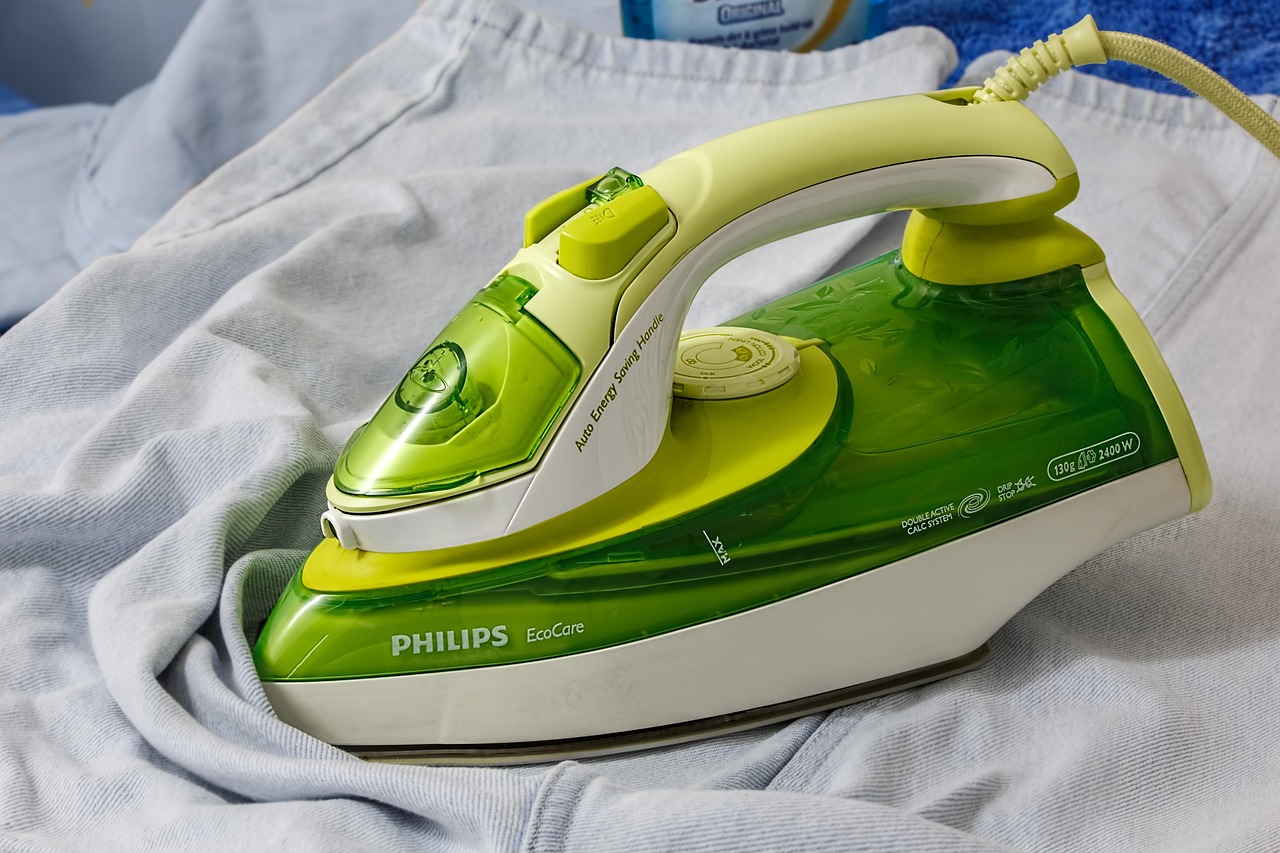
Ironing: Cotton cloths will wrinkle after washing. I iron mine on medium heat while they’re still slightly damp. It takes a few minutes per cloth, but the result is a flat, crisp surface that wraps elegantly. If you skip ironing, the wrinkles will show in the folds and make the wrap look sloppy. It’s not the end of the world, but if you’re giving a gift that matters, take the time to iron.
Storing: Fold them flat and stack them by size. Avoid stuffing them into a drawer where they’ll get tangled and creased. A dedicated box or fabric bin keeps them organized and wrinkle-free until you need them.
Skipping care is the fastest way to ruin a good set. Faded colors and frayed edges happen faster if you neglect simple maintenance. A few minutes of care per cloth will keep them looking good for years.
For those who are serious about maintaining their wraps, a fabric steamer can be a practical tool for quick wrinkle removal between uses.
Our Verdict: Which Furoshiki Gift Set Should You Buy?
If you wrap gifts regularly and want a set that balances quality, size variety, and value, the [Product Name] is the best all-around choice. The 100% cotton fabric, double-sided prints, and range of sizes make it the most practical set for real-world use. It’s what I use for most of my own wrapping.
If you’re on a tight budget or just testing the waters, the [Product Name] set is a functional, low-cost entry point. Accept the smaller size and the slight fabric slipperiness, and you’ll still end up with a usable set for everyday gifts.
If you’re wrapping gifts for special occasions or want a set that feels luxurious enough to give as a gift itself, the [Product Name] premium set is worth the extra money. The fabric quality and included instructions set it apart.
No matter which you choose, starting with a set instead of individual cloths makes the whole process simpler and more affordable. Pick the one that matches your usage pattern and start wrapping. You’ll wonder why you ever bothered with paper and tape.