Best Eco-Friendly Watering Cans and Garden Tools for Sustainable Gardeners
Introduction
There is a lot of marketing noise around eco friendly garden tools right now. You see bamboo handles and recycled plastic labels everywhere, but not all of it is built to last. A poorly made “sustainable” tool that breaks after one season is worse for the planet than a well-made conventional one you use for twenty years. This guide is a practical look at watering cans and hand tools that actually deliver on their promises. We tested these options in real garden conditions, not in a showroom. The focus here is on materials, durability, and function. If you want to reduce plastic waste and buy less over time, these curated recommendations are a solid starting point.
Why Switching to Eco-Friendly Garden Tools Actually Matters
Conventional plastic garden tools have a short and damaging life cycle. They are made from virgin fossil fuels, shipped across oceans, and often crack or warp within a year or two. That broken plastic watering can or snapped trowel handle ends up in a landfill, where it will sit for centuries. The problem is not just the waste. It is the replacement cycle. Every time you buy a cheap plastic tool, you are supporting an industry that prioritizes low cost over longevity. The environmental cost of manufacturing and shipping these throwaway items is significant.
Switching to eco-friendly alternatives is not about feeling virtuous. It is a practical choice that saves you money and frustration over time. Well-made tools from recycled materials, responsibly sourced wood, or solid metal last longer and perform better. A galvanized steel watering can will not degrade in the sun. A stainless steel trowel will not bend when you hit a rock. An FSC-certified ash handle will not splinter after a wet season. These tools are an investment in your gardening experience. They also reduce your personal plastic footprint in a meaningful way. When you buy fewer tools that work better, you are not just being sustainable. You are being smart.
What to Look for in an Eco-Friendly Watering Can
Choosing the right watering can is more about function and material than aesthetics. Start with the material. Galvanized steel is the classic choice. It is heavy, durable, and rusts slowly if kept dry. Stainless steel is lighter and rust-proof but more expensive. Recycled plastic cans are lightweight and good for indoor use, but you need to check the quality of the recycled material. Some are brittle. Aluminum is another option, but it dents easily and does not hold up as well over time. For a wide selection, gardeners can browse galvanized steel watering cans to compare brands.
Capacity matters. A two-liter can is fine for houseplants, but you will find yourself refilling constantly if you have a garden. A five-to-seven-liter can is better for outdoor use. Just be aware that a full can of that size is heavy, especially if you have arthritis or smaller hands. The rose—the detachable head—should have fine holes for gentle watering of seedlings and a sturdy connection that will not leak. A long-reach spout helps you water the base of plants without crushing them. A removable rose is useful because you can clean out debris that clogs the holes. Durability and repairability are key. Look for a can where the handle is welded or bolted, not just crimped. Avoid any can where the rose is permanently attached. You want to be able to replace parts if they break.
The Best Eco-Friendly Watering Cans We’ve Tested
After testing several models, a few stand out for their build quality and performance.
Burgon & Ball Galvanized Watering Can (Indestructible)
This is the workhorse. Made from heavy-gauge galvanized steel with a brass-plated rose, the rose is removable for cleaning. The spout is long enough to reach under leaves without damaging plants. The main handle is solid and comfortable, even when the can is full. It comes in several sizes, but the six-liter is the most practical for a medium garden. The downside is weight. It is heavy when empty and noticeably heavy when full. It is not ideal for large gardens or for anyone with mobility issues. It is best for someone who wants one can that will outlast them.
Iris Ohyama Eco-Friendly Watering Can (Recycled Plastic, Lightweight)
This can is made from recycled polypropylene. It is shockingly light. The design is simple but functional. The spout has a gentle flow, and the handle is cut out for easy carrying. It holds about four liters. It does not have a removable rose, which is a limitation for some tasks. The plastic feels durable, but it is not as indestructible as metal. It is best for indoor plants, balcony gardens, or anyone who needs a lightweight option. It is a good second can for houseplants.
Hawkins Whisper Watering Can (Stainless Steel, Quiet Pour)
This stainless steel can is designed to reduce water noise, which matters if you water near a window or in a quiet garden. The spout has a special shape that minimizes splashing. It holds five liters. The handle is comfortable, and the rose is removable. It is lighter than the galvanized option and does not rust. The cost is higher, but the material quality justifies it. It is a good choice for a gardener who values precision and a clean watering experience.
When choosing, think about your own watering habits. Do you water a few pots or a whole vegetable patch? Do you need to carry water from a tap or a rain barrel? A heavy can you struggle to lift is worse than a lighter, less durable one. Match the tool to your environment.
Eco-Friendly Garden Hand Tools: Trowels, Pruners, and Cultivators
Hand tools take the most abuse in a garden. They dig into soil, cut through roots, and get wet constantly. Cheap tools are almost always the first to fail. The handle splits, the blade bends, or the metal rusts. The eco-friendly approach here is to buy fewer tools that are built to be repaired and sharpened. Look for heads made from stainless steel or carbon steel. Carbon steel can rust if not cared for, but it holds an edge better and is easier to sharpen. Stainless steel is rust-resistant but can be harder to sharpen in the field. Both are better than the stamped steel used in budget tools.
Handles should be from FSC-certified wood, like ash or beech, or from metal that is a continuous piece with the head. Wood handles are comfortable and natural, but they need to be sealed with linseed oil or tung oil to prevent rot. Avoid handles that are just painted or varnished. They will chip and absorb moisture. Ergonomic grips made from natural rubber or recycled plastic can help, but they should be securely attached. The goal is a tool that feels balanced in your hand and has replaceable parts. A trowel with a broken handle should be fixable, not throwaway.
Top Picks for Sustainable Garden Trowels and Transplanters
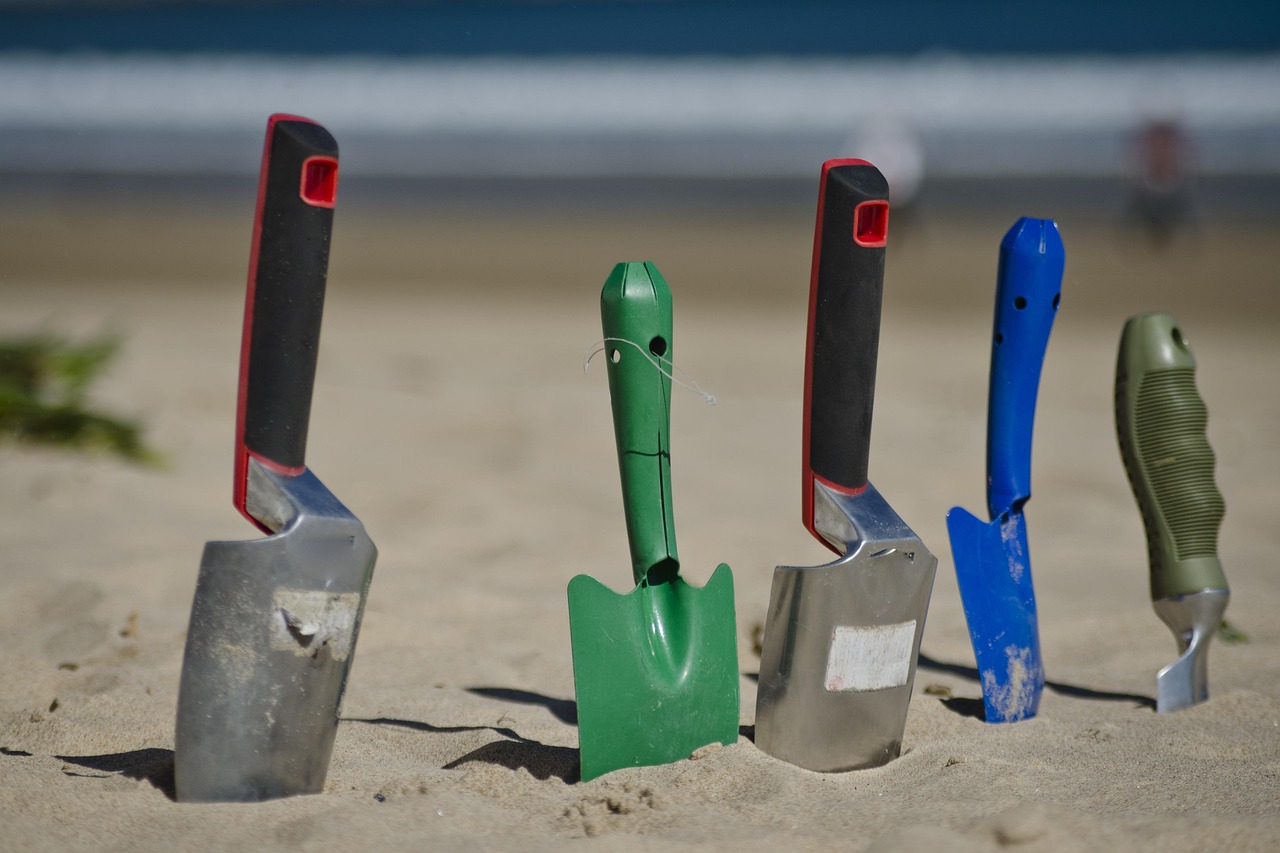
A good trowel is the most used tool in a garden. Here are two approaches.
Radiant Heavy-Duty Stainless Steel Trowel
This is a serious trowel. The blade is stainless steel and thick enough to handle compacted clay without bending. The handle is a solid piece of wood with a natural rubber grip. It has a slight curve to fit your palm. It is not lightweight, but it transfers power well. It is ideal for raised beds, heavy soil, and deep planting. The downside is that it is overkill for a small patio garden. It is heavy and can feel clumsy in delicate work.
Barebones Hori Hori Knife Style Trowel with Leather Sheath
This is a versatile tool that acts as a trowel, a weeder, and a root slayer. The blade is stainless steel with a sharp edge and serrated side. Great for cutting through roots and transplanting seedlings. The handle is FSC-certified walnut, comfortable, and contoured. The leather sheath keeps it safe and dry. It is a bit more expensive, but the multi-functionality is real. It is not the best for general scooping of loose soil. It is best for precision work and weeding. The leather sheath is a nice touch, but it needs conditioning to last.
A common mistake is buying a trowel with a single-piece plastic handle and blade. It is cheap, but it will snap at the neck under pressure. Avoid painted wood handles that peel. Look for oiled or sealed wood. A mid-range trowel from a reputable manufacturer will serve you for a decade or more. Gardeners wanting a reliable option can look at stainless steel garden trowels for more choices.
Best Eco-Friendly Pruners and Shears for Clean Cuts
Pruners are another tool where cheap is expensive. A poor pair will crush stems instead of cutting them, damaging your plants. The blade material is critical. Carbon steel stays sharp longer and is easier to resharpen. Stainless steel is rust-resistant but harder to maintain sharpness. Look for a bypass pruner for live wood and an anvil pruner for dead wood. Most gardeners only need a quality bypass pruner for 90 percent of tasks.
Felco F-2 Classic Pruner (Bypass, Replaceable Blades)
This is the standard. It has a carbon steel blade that is supremely sharp and fully replaceable. The handles are recycled plastic and aluminum. It is ergonomic for most hand sizes. The sap groove prevents the blades from sticking. It is designed to be repaired. You can buy replacement blades, springs, and even handles. It is not cheap, but it is the last pruner you will buy. It is best for daily use in a medium to large garden. The downside is that the handle can be cold in winter and the spring can feel stiff for some users.
Okatsune 103 Pruners (Bypass, Japanese Carbon Steel)
These are lighter and more precise. The blades are high-carbon Japanese steel, sharp enough for clean cuts on stems up to half an inch. The handles are vinyl-coated steel. They are not as ergonomic as the Felco but feel more balanced in smaller hands. They are best for precision work, shaping bonsai, or cutting flowers. They require diligent drying and oiling after use. They are not ideal for thick branches or heavy-duty pruning.
A common mistake is choosing a pruner that is too heavy for your hand size. If you have small hands, a heavy tool will fatigue you and cause clumsy cuts. Try the weight before buying. Also, many so-called “eco-friendly” pruners have wood handles that are simply painted. Wood handles require sealing. If not maintained, they rot quickly. The Felco and Okatsune are better investments because they are serviceable.
Watering Wands and Hoses Without the Plastic Waste
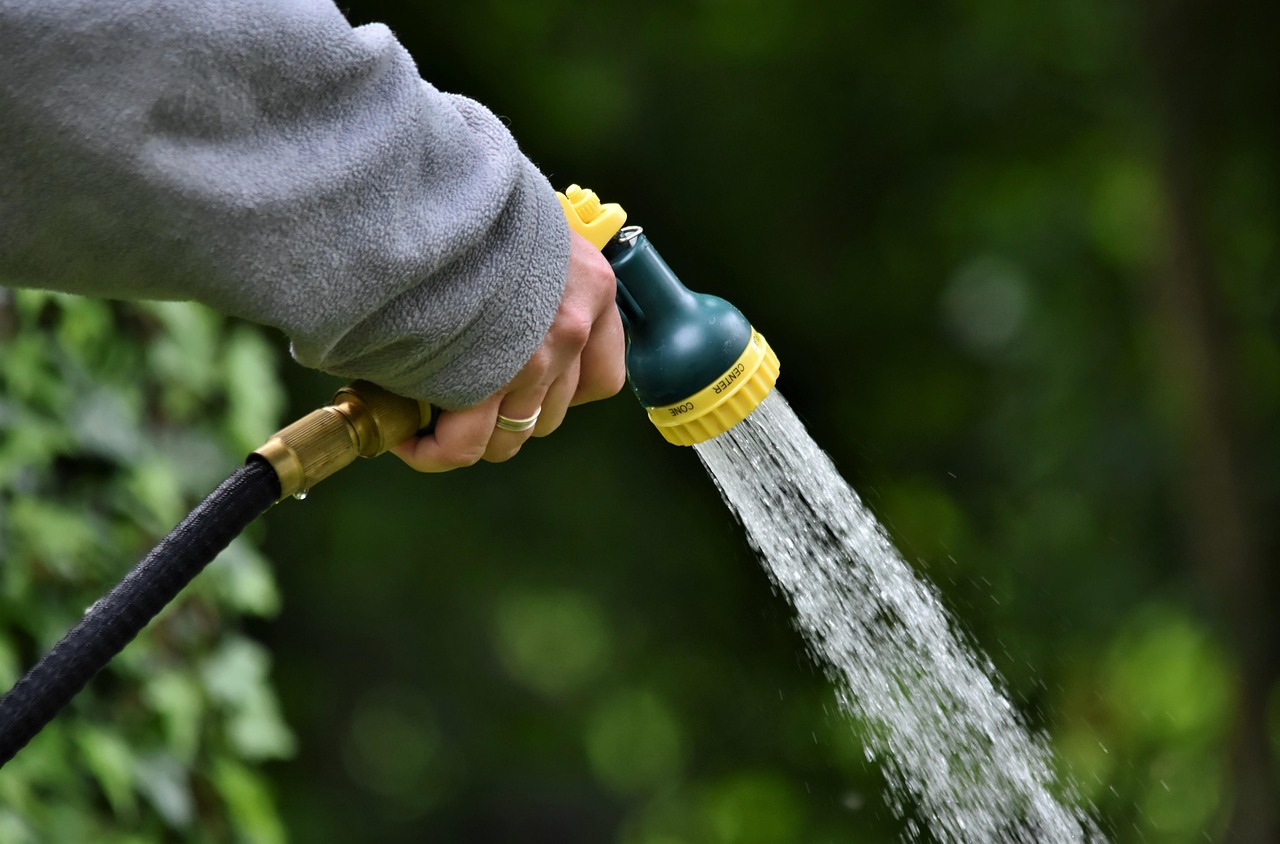
Watering wands and hose attachments are often overlooked, but they are a major source of plastic waste. Cheaper wands with plastic heads break when dropped or left in the sun. The plastic threads strip easily. Look for wands with aluminum or brass heads and stainless steel components. The handle should be aluminum or recycled plastic. The wand itself should be metal, not cheap plastic tubing.
Dramm ColorStorm Brass Watering Wand
The head is solid brass. The wand is aluminum. The handle is made from recycled plastic. It has a soft, gentle spray pattern that is excellent for seedlings and delicate flowers. The trigger is comfortable and does not leak. It will not corrode like a plastic wand. It is heavier, but the weight is worthwhile for the durability. It is best for someone who wants a single wand that lasts. Those looking for similar options can browse brass watering wands for more durable choices.
For hoses, focus on natural rubber. Most garden hoses are PVC, which is heavily chlorinated and difficult to recycle. Natural rubber hoses are more flexible, kink-resistant, and have a lower environmental impact. They are heavier and more expensive, but they last longer. Brands like Water Right and Gilmour use natural rubber construction. They are better for your water quality and for the planet. Avoid hoses with brass fittings that are crimped; look for molded or removable fittings that can be repaired.
How to Maintain Your Eco-Friendly Tools for Longevity
Even the best tools will fail early if neglected. Maintenance is the most eco-friendly practice because it extends the life of everything you own. After each use, clean soil and sap off your tools. A stiff brush and water are usually enough. Dry the metal parts thoroughly. A light coat of linseed or camellia oil on the blades prevents rust. For wood handles, sand off any rough patches yearly and apply a coat of boiled linseed oil or tung oil. This seals the wood from moisture. Do not use varnish or paint. They will chip.
Store tools in a dry place. A shed or garage is fine, but keep them off the ground. A mesh bag or a dedicated tool rack allows air circulation. Sharpen pruners and trowels as needed. A sharp tool cuts cleanly, which reduces plant damage and the energy you need to exert. If a tool breaks, check if a replacement part is available before throwing it away. Many premium tools, like the Felco pruners, support parts. With proper care, a good tool will last a generation.
Common Mistakes When Buying ‘Eco-Friendly’ Garden Tools
The eco-friendly label is not regulated. Many products rely on good intentions rather than good design. One common mistake is buying a tool with a bamboo handle. Bamboo is a fast-growing renewable material, but it splits easily if not stabilized. Many bamboo handles on budget tools are too thin and crack after a few uses. A thick ash or beech handle is more reliable. Another mistake is ignoring weight and balance. A heavy tool that you avoid using is not sustainable. It will sit in your shed while you reach for a lighter, less durable alternative. You end up buying twice.
Style over function is another trap. A beautifully crafted tool that is uncomfortable in your hand is a poor investment. Aesthetics matter, but ergonomics matter more. Finally, check if parts are replaceable. If a tool is designed to be thrown away when the blade dulls, it is not truly eco-friendly. Look for models with replaceable blades, springs, and handles. A tool that can be repaired for two decades is more sustainable than one made from 100 percent recycled materials that breaks in two years. A great start is to search for eco friendly garden tools to see reputable brands.
Budget vs. Investment: When to Spend More on Sustainable Tools
Not every tool needs to be premium. The key is to prioritize spending on the tools you use most. Pruners are a strong case for investment. A pair of Felco F-2s will last you twenty years with care. The cost per year is negligible. A cheap pair of pruners that gets tossed every two years costs more in the long run and wastes materials. A trowel is a different story. A mid-range trowel with a decent stainless steel blade and wood handle will perform well for a decade. You do not need the most expensive option. The same logic applies to watering cans. A well-made galvanized can is a good investment. A premium stainless steel can is only worth it if you value the quiet pour or the material. A basic recycled plastic can is fine for indoor use.
The rule is simple: spend more on tools that have moving parts and blades that need to be sharp (pruners, loppers, shears). Save on tools that are basically a lever and a point (trowels, cultivators, forks). For watering cans, spend on durability if you garden outdoors and need a can that will not leak. For indoor use, a lightweight recycled plastic can is sufficient. This pragmatic approach balances sustainability with your actual budget.
Final Thoughts: Building a Sustainable Garden Tool Kit Over Time
You do not need to replace everything overnight. The most sustainable approach is to use what you have until it genuinely fails. Then replace it with a well-made, repairable alternative. Build your kit one tool at a time. Start with the tools you use every day: a hand trowel and a good pair of pruners. Add a durable watering can that matches your watering area. Then a cultivator or a weeder as needed. Over a few seasons, you will have a collection of tools that work better, feel better, and last. That is the real win for your garden and for the planet. The options above are a good starting point for any sustainable garden. Choose based on your actual needs, and maintain what you buy.