The Best Handmade Recycled Jewelry: Sustainable Gifts That Actually Last
Introduction
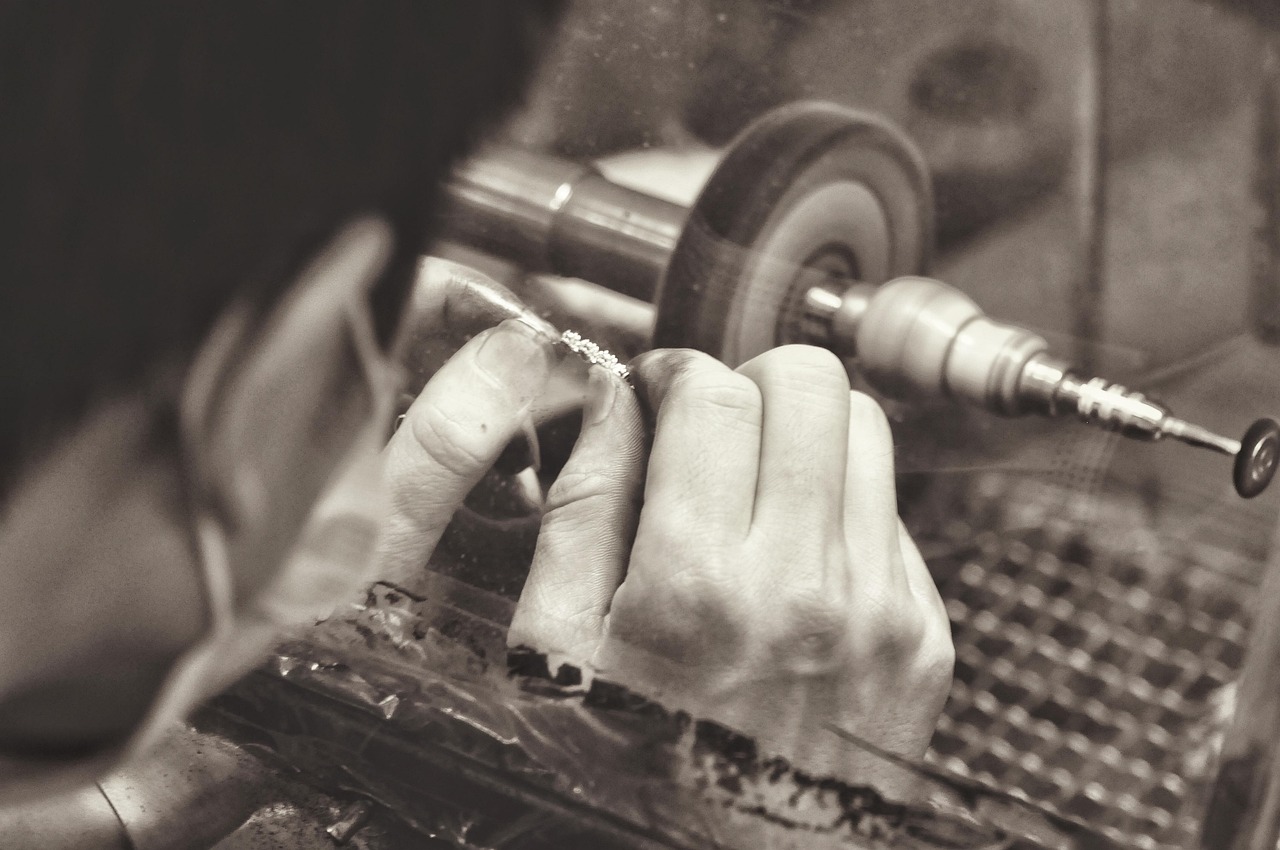
If you’re looking for a gift that actually means something, handmade recycled jewelry is a good place to start. It sits at the intersection of thoughtful design, ethical sourcing, and personal styleâwithout the throwaway mentality of fast fashion accessories. This article is for people who want sustainable, ethical gifts that look good and last. We’ll cover what materials to look for, common mistakes to avoid, and a few recommendations across different budgets. Whether you’re buying for a minimalist friend, a statement-maker, or yourself, the goal is to help you spend wisely on something that matters.

Why Buying Handmade Recycled Jewelry Matters (Beyond the Aesthetic)
There’s a real difference between picking up a mass-produced metal trinket and choosing a piece made from recycled materials by hand. The environmental impact is the obvious oneâmining new metals is dirty work and generates enormous amounts of waste. By choosing recycled silver, reclaimed brass, or upcycled wood, you’re directly reducing demand for new extraction. But there’s also a social argument. Handmade pieces support individual artisans or small workshops, not factory floors. You get something that wasn’t stamped out by the thousands.
Then there’s the greenwashing problem. Plenty of brands slap “eco-friendly” on a product page without making any material changes. Real recycled jewelry will tell you exactly what’s in itâsterling silver from reclaimed sources, or ethically reclaimed brass. If the description is vague, that’s a red flag. The best pieces aren’t just recycled in name; their design and craftsmanship reflect that same care.
For the wearer, the payoff is uniqueness. No one else is wearing the exact same earring set or pendant unless you bought it together. That matters when you’re trying to give a gift that feels personal.
What to Look for in High-Quality Handmade Recycled Jewelry
Not all recycled jewelry is created equal. Knowing what to check before buying will save you disappointment and money. Here’s a practical checklist:
- Metal type and source. Recycled sterling silver (.925) is one of the safest bets. It’s durable, looks great, and if the artisan lists a recycled source, you’re getting genuine environmental value. Reclaimed brass and copper are also common, but they require a bit more upkeep.
- Clasps and findings. A $20 pair of earrings can have flimsy hooks that bend after a few wears. Look for solid, secure claspsâlobster claws for necklaces, lever backs or fish hooks for earrings. Cheap spring rings are a red flag.
- Edges and polish. Run your finger along the edge mentally. If it might snag a sweater or shirt, don’t buy it. Good pieces have smooth, finished edgesâeverywhere.
- Settings for stones. If the piece has a natural stone, check if it’s prong-set, bezel-set, or glued. Glue can fail. A bezel or prong setting is more secure.
- Finish. Matte, brushed, polishedâany is fine, but it should be consistent. Uneven polish suggests hurried craftsmanship.
One more thing: don’t assume all recycled metal is hypoallergenic. Recycled silver is generally nickel-free, but if you’re buying for someone with sensitive skin, confirm it. Some reclaimed metals can still contain trace amounts of nickel from the original alloy. For those who need a reliable option, consider starting with a pair of recycled silver stud earrings that are well-finished and hypoallergenic.
Common Mistakes People Make When Buying Recycled Jewelry
I’ve seen people buy recycled jewelry expecting a patina-free shine, then get disappointed when their brass cuff develops a greenish tone. That’s not a defectâit’s oxidation. Brass and copper patina naturally. If you want something that stays bright without polishing, stick to recycled silver or gold vermeil over recycled brass. A simple jewelry polishing cloth can help maintain the shine if you prefer a brighter look.
Another mistake is confusing “raw” or “unpolished” with “rustic.” A raw edge that catches on clothes isn’t charmingâit’s poorly finished. Rustic should mean intentional texture, not rough edges.
Then there’s the sourcing problem. You see a listing that says “made with recycled materials” but there’s no specific breakdown. That could mean the box it came in is recycled cardboard, not the metal. If the seller can’t explain what’s recycled in the piece, that’s a yellow flag.
Finally, don’t overpay for trendy designs. Recycled silver hoop earrings that are 15mm? That’s timeless. A huge recycled plastic resin pendant shaped like a mushroom? Cute for a season, but unlikely to hold up or stay on your radar. If you want longevity, pick shapes that have been around for decades.

The Best Handmade Recycled Jewelry for Everyday Wear
Everyday pieces need to be comfortable, strong, and low-maintenance. You shouldn’t have to worry about your earrings catching on a scarf or your bracelet bending when you type. Here are the types of pieces that work well for daily wear:
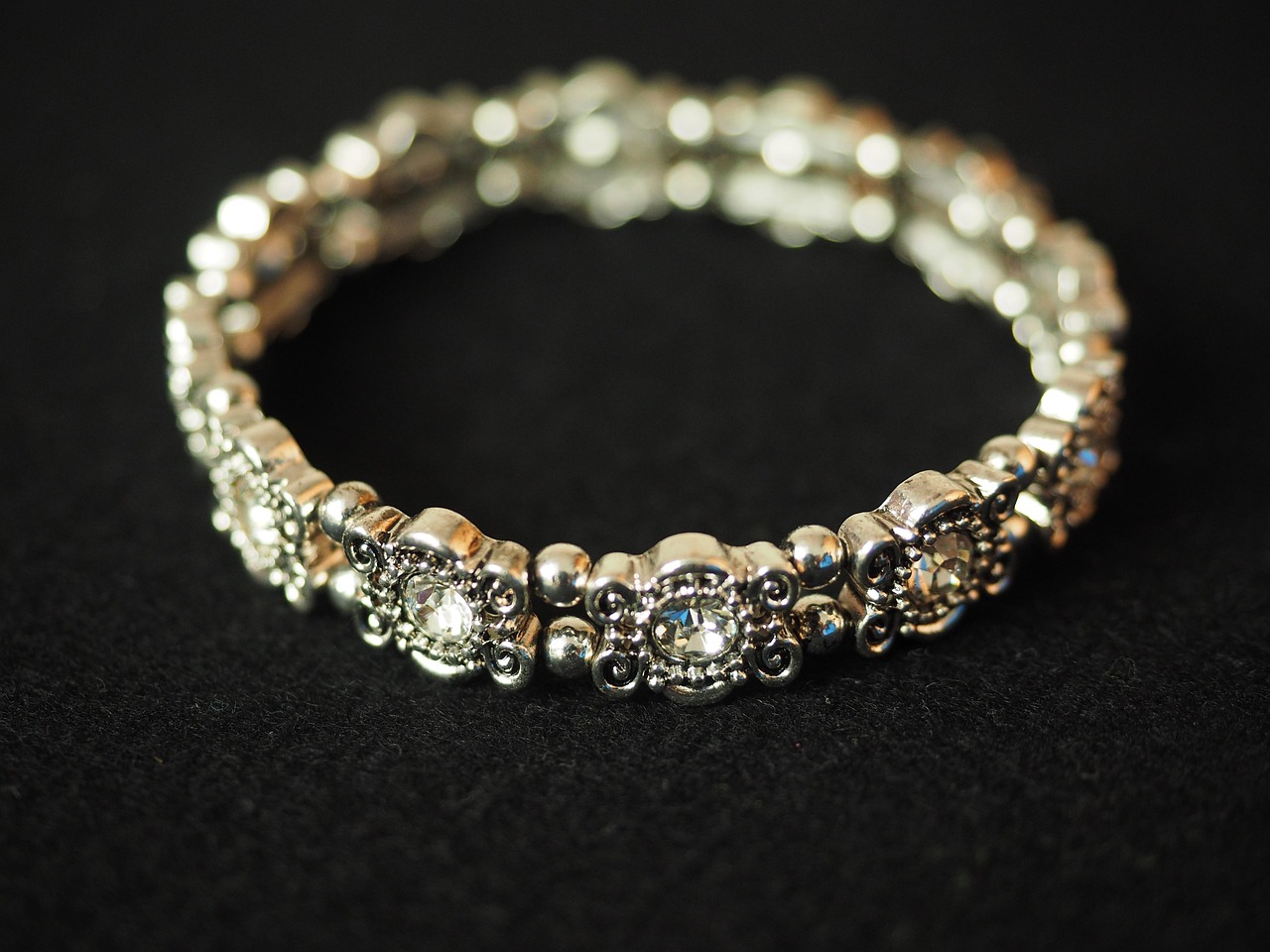
- Recycled silver stud earrings. Simple, classic, and hypoallergenic. Look for a solid post and a friction backânot the flimsy butterfly clasps. Best for sensitive skin.
- Recycled sterling silver chain necklaces. A thin cable chain or box chain in 16-18 inches. It goes with everything and won’t tangle easily if the links are well-made. Best for minimalists.
- Reclaimed brass bangles. Solid bangles with no clasp are actually more durable than hinged ones. They patina over time, which some people love. Best for people who want a piece that develops character.
- Upcycled leather wrap bracelets. Leather from reclaimed belts or offcuts, paired with a recycled silver clasp. They’re soft, comfortable, and don’t get in the way. Best for casual, everyday wear.
For an all-around buy, look for a pair of 6mm recycled silver stud earrings. They’re nearly invisible weight-wise, go with everything, and last decades if cared for. That’s the kind of purchase that actually reduces wasteâbecause you won’t replace them.
Statement Pieces: Handmade Recycled Jewelry for Special Occasions
When you want something that stands outâand carries a storyâstatement pieces are the move. These are the gift items that get noticed and start conversations. They also tend to have a higher perceived value, which is great for gift-giving.
- Recycled brass cuffs. A wide, hammered cuff bracelet made from reclaimed brass makes an immediate impression. The patina that forms over time adds to its character. Best for someone who appreciates a raw, artisan look.
- Upcycled leather wrap bracelets with natural stones. These combine texture and color. Each one is essentially one-of-a-kind because of the leather’s history. Best for travelers or bohemian-leaning personalities.
- Reclaimed wood and resin drop earrings. Lightweight but visually striking. The wood can come from fallen branches or offcuts, and the resin provides durability. Best for people who want to talk about materials without wearing something heavy.
- Recycled silver and raw crystal pendants. Clear quartz or labradorite set in recycled silver. The stone’s natural inclusions make every piece different. Best for people who like natural, grounding aesthetics.
If you’re buying a gift, look for something that includes a material story in the product descriptionâreclaimed oak from an old barn, or silver recovered from discarded electronics. That kind of transparency adds weight to the gift. A recycled silver pendant with a natural gemstone often carries a unique story and makes a memorable present.
How to Care for Your Recycled Jewelry So It Lasts
Good care makes good jewelry last generations. Here’s how to handle different materials:
- Recycled sterling silver. Use a polishing clothânot a dip. Dips are harsh and can strip patina from textured areas. Store in a ziplock bag or anti-tarnish pouch. Wear it regularly; exposure to air actually slows tarnish.
- Reclaimed brass and copper. If you want the bright shine, a quick polish with a cloth and a dab of lemon juice and salt works. But if you like the patina, just wash it with mild soap and water and dry thoroughly. Never use baking soda on gold vermeilâit will wear the gold layer off.
- Upcycled leather. Leather doesn’t like water. Keep wraps and bracelets out of the shower and pool. If they get wet, blot dry and let them air dry completely before storing.
- Wood and resin. Avoid prolonged sun exposureâit can fade the resin or warp thin wood. Clean with a soft, dry cloth. No chemicals.
One rule for all: take jewelry off before workouts, swimming, and showers. Soap and sweat cause buildup and accelerated wear. A simple habit of taking it off at night and storing it in a dedicated compartment will double its life.

Budget-Friendly vs. Investment Pieces: A Practical Comparison
You have choices when it comes to budget. Here’s how they break down and what you actually get at each level.
$20â$40 range. This is where you find upcycled wood earrings, simple recycled brass pendants, and lightweight chain necklaces. The craftsmanship is decent, but the clasps might be lighter. These are great for gifts that won’t be worn every dayâthink a birthday present for a coworker or a stocking stuffer. Downside: the materials are usually less durable. An upcycled wood pendant with a thin cord will need care.
$50â$150 range. This is the sweet spot for quality. You’re getting recycled sterling silver, solid brass, or gold vermeil on recycled metal. The settings are better, clasps are stronger, and many pieces come with a matching care card or warranty. If you’re buying for a partner or a close friend, this is where you should focus. The jump in longevity is noticeable.
Over $150. Here you’re paying for custom work, heavier silver, intricate designs, or a well-known artisan name. Many pieces in this range come with a lifetime guarantee or a free polishing service. If the piece is truly unique and the maker is transparent about sourcing, it’s worth it. But don’t assume higher price means better qualityâverify the materials and the construction details first.
For most people, the $50â$100 range offers the best balance of quality, durability, and value. It’s the range where recycled materials and handmade skill meet without the markup of a brand name.
Top 5 Eco-Conscious Jewelry Brands That Ship Fast (Prime Eligible)
If you need something fast and reliable, these brands and sellers on Amazon ship Prime and focus on recycled or sustainable materials. Each has a clear mission and quality control that matches the price point.
- Pura Vida Bracelets. They use recycled materials for many of their handcrafted bracelets and have a charitable giving component. Their recycled sterling silver earrings are simple and affordable. Good for casual gifts.
- Bellino. This brand specializes in recycled sterling silver and 14k gold vermeil. Their chain necklaces and stud earrings are a solid entry point for anyone who wants everyday pieces that won’t tarnish quickly. Clasps are secure.
- Forest and Kin. They focus on natural gemstones set in recycled silver. Their pendants and rings have good craftsmanship and come with a simple care guide. Best for someone who likes earthy tones.
- Luna Sky Jewelry. Offers minimalist recycled silver and rose gold pieces with clean lines. Good for gifting to someone who prefers a modern, sleek look. Their earrings are lightweight and comfortable.
- Mouna. Known for upcycled leather and recycled metal combinations. Their wrap bracelets and earrings are unique and make great statement gifts. The leather comes from reclaimed sources, so each piece has slight variation.
All of these ship Prime, so returns are easy if the piece doesn’t work out. One tip: check the return policy before buying a gift. Most allow returns within 30 days, but some have restrictions on custom or final sale items.
What to Avoid: Greenwashing in the Recycled Jewelry Space
Greenwashing is a real problem. Some sellers use eco-sounding language to justify higher prices without making real changes. Here’s what to watch for:
- Vague claims. “Eco-friendly,” “sustainable,” “green.” If they can’t tell you what’s recycled, assume it’s a marketing phrase. Look for terms like “100% recycled sterling silver” or “reclaimed brass sourced from manufacturer offcuts.”
- No material breakdown. A product description that says “recycled mixed metals” could mean anything. You want specific percentages or at least the dominant material clearly labeled.
- No chain of custody. If a brand claims recycled silver but doesn’t mention how it’s sourced (e.g., from scrap, old electronics, or industrial waste), it’s hard to verify.
- Green packaging but not green product. A pretty box made from recycled cardboard doesn’t make the jewelry inside sustainable. Focus on the materials of the jewelry itself.
Don’t let eco-labels alone make your decision for you. Read the product description. Look for specifics. A well-made piece with recycled materials will have a clear story.
Final Recommendations: Our 3 Picks for Any Budget
To make the decision easier, here are three picks that cover the range from budget to investment. Each is a safe, well-made option you can feel good about giving or keeping.
- Under $30: Upcycled Wood Drop Earrings by Forest and Kin. Light, unique, and made from reclaimed wood. Great for a casual gift or a first step into sustainable jewelry.
- Around $60: Recycled Sterling Silver Stud Earrings by Bellino. Classic 6mm or 8mm studs with a friction back. Hypoallergenic, durable, and will last decades. This is the one to buy if you want something timeless.
- Over $100: Recycled Silver and Raw Gemstone Pendant by Mouna. A genuine raw crystal set in recycled silver. Each one is different, and the story behind the material makes it a conversation piece. Perfect for a meaningful gift.
If you’re still undecided, go with the silver studs. They’re the safest bet for lasting quality and daily wear. Everything else can be chosen around the recipient’s personal style. For a convenient way to explore options, browsing recycled sterling silver earrings can help you find a classic pair that suits any recipient.
Frequently Asked Questions
Is recycled jewelry real gold or silver?
Yes. Recycled sterling silver and recycled gold are chemically identical to newly mined metals. The difference is that the metal has been reclaimed from old jewelry, industrial scrap, or electronic waste and refined again. It’s as good as newâsometimes better if it’s thicker gauge from older pieces.
Does recycled jewelry tarnish?
It depends on the metal. Recycled sterling silver tarnishes just like any other sterling silver. The tarnishing rate depends on the wearer’s body chemistry and environment. Recycled brass and copper will patina and can develop a greenish tinge over time. If you want a material that doesn’t tarnish, go for recycled gold vermeil or stainless steel.
Can I wear recycled jewelry in water?
Generally, no. Water, especially chlorinated or salt water, accelerates tarnish and can degrade finishes. Remove pieces before swimming, showering, or working out. The exception is recycled stainless steel, which is water-resistant. But for silver, brass, and leather, keep them dry.
How do I know if a piece is truly handmade and recycled?
Look for specifics in the product description. A good seller will tell you the material source (e.g., “100% post-consumer recycled silver”) and mention the manufacturing process (hand-cast, hand-finished). If the description is vague, ask a question or move on. Trust your instinctâif it feels like a marketing page, it probably is.