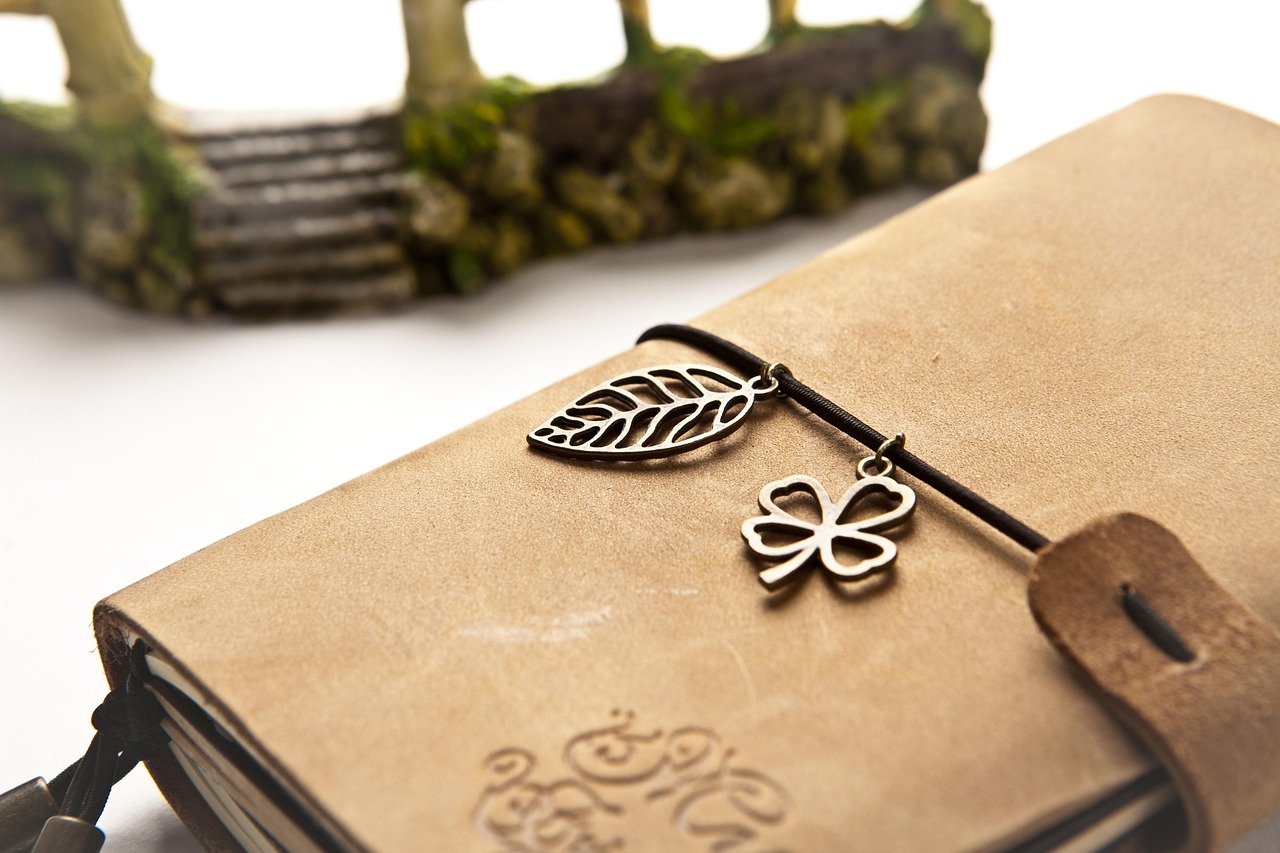
9 Best Handmade Leather Journals: A Gift Curatorâs Guide to Quality & Craft
Why Choose a Handmade Leather Journal Over a Mass-Produced Notebook?
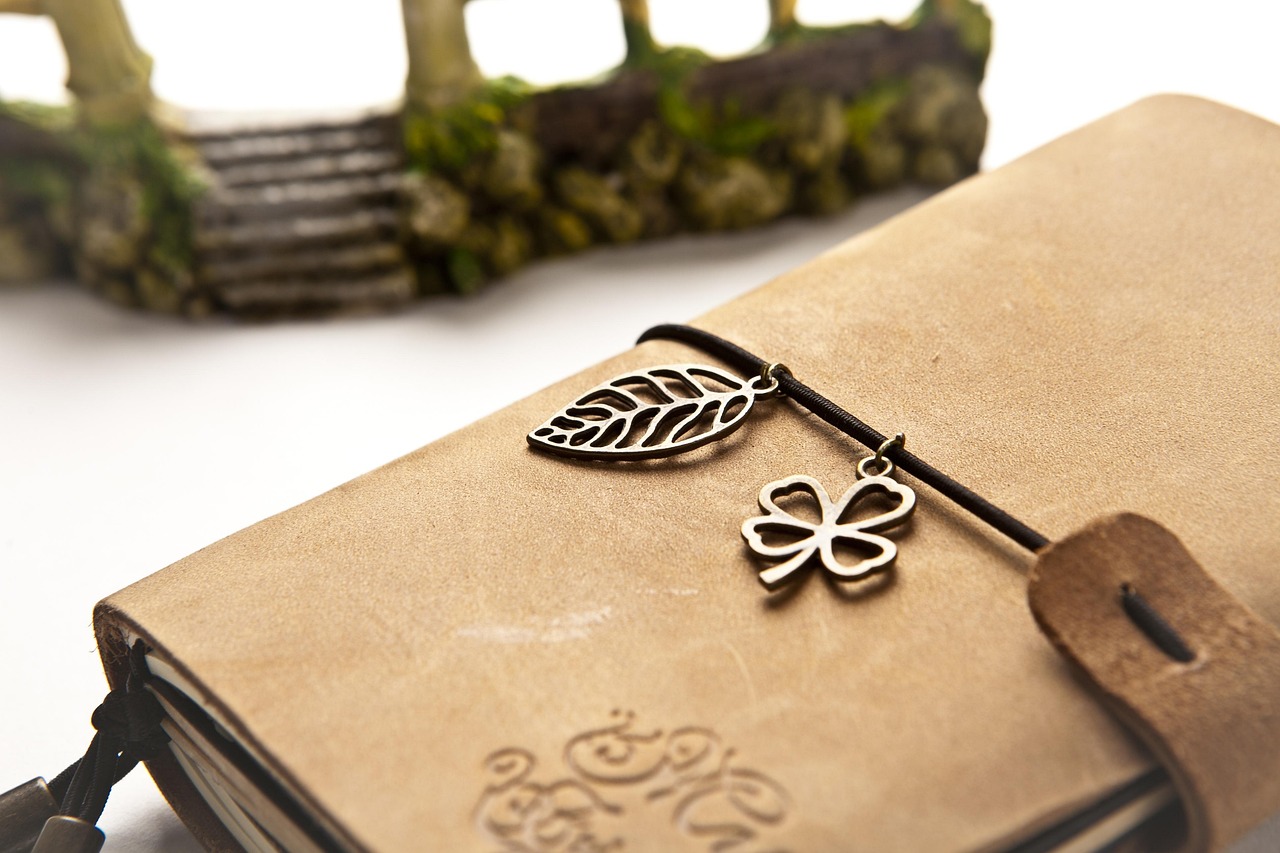
This guide compares the best handmade leather journals for gift-giving, personal use, and creative work. Whether you are buying for a writer, artist, collector, or yourself, the right notebook is about more than just appearance. A genuine handmade leather journal offers durability, feel, and daily utility that mass-produced options cannot match. We looked at each option based on real-world use, focusing on what matters for different activities. No overpriced novelties here, only functional artisan tools.
The cost difference between a handmade leather journal and a standard notebook can be significant. But the tradeoff is real: a well-made leather journal can last years, even decades, while a mass-produced notebook often falls apart in months. The question is whether the short-term savings justify a repeated cycle of buying replacements. For someone who writes daily or sketches regularly, a handmade journal becomes a companion, not just a consumable.
Beyond durability, there is the issue of repairability. A saddle-stitched binding can be repaired if it loosens. A glued spine cannot. Good leather also develops a patina over time, making the journal uniquely yours. Mass-produced notebooks using bonded leather or cardboard covers don’t offer that aging process. They wear, tear, and eventually get thrown out. For a gift, that longevity communicates thoughtfulness and care.
That said, mass-produced notebooks have their place. If you need something disposable for quick notes or a budget is tight, a moleskine or similar will do. But for a handmade leather journal, you are paying for craftsmanship, not just paper. It is a different category of object â a tool you will reach for every day, not something you stash in a drawer.

For those who want the highest quality leather that will develop a beautiful patina over time, it is worth exploring full grain leather journals on Amazon.
What to Look for in a Handmade Leather Journal: A Buyer’s Checklist
Here are the criteria to evaluate any handmade leather journal before you buy. These specifics will help you avoid common pitfalls and select something that truly fits the user’s needs.
- Leather Type: Full-grain leather is the highest quality. It ages beautifully, develops a rich patina, and lasts decades. Top-grain is slightly thinner but still durable. Bonded leather is essentially scrap held together with adhesive â avoid it for any journal meant to last.
- Stitching: Saddle stitch (two needles, one thread) is the traditional method. It is incredibly strong and can be repaired. Glued bindings are cheaper but will eventually fail. Look for visible, even stitching along the spine and edges.
- Paper Quality: Acid-free paper prevents yellowing over time. For fountain pen users, paper weight should be at least 80gsm, ideally 100gsm or higher to prevent bleed-through. Artists need even thicker paper â 140lb (300gsm) for mixed media or watercolor.
- Closure Style: Elastic bands are simple and reliable. Wrap closures offer a more secure hold. Buckles add a rugged look but can be bulkier. Consider how the journal will be carried â a large buckle might snag in a bag.
- Size: Pocket-sized (3×5 or similar) fits in a jacket or small bag. A5 is the standard for everyday writing and bullet journals. Large formats (A4 or letter size) work for sketching but are not portable. Match the size to the user’s primary activity.
- Refillability: A travelers-style notebook with a leather cover and replaceable inserts is ideal for long-term use. You buy the cover once, then refill with fresh notebooks. This is more eco-friendly and cost-effective over time. Non-refillable journals are fine for single-use projects.
- Customization: Some makers offer engraving, monogramming, or choice of leather color. This adds sentiment value but usually costs extra. Decide if the recipient values personalization â if yes, it is worth the upcharge.
- Weight and Portability: A thick, heavy journal might be lovely on a desk but impractical for travel. Think about how the user moves with the journal. Lightweight options with thinner leather and fewer pages travel better.
- Price: A fair price for a quality handmade leather journal ranges from $30 to $80 for a basic unit. Premium full-grain and custom pieces can go above $100. These prices include labor, materials, and durability. Anything under $20 is likely bonded leather or poor stitching.
This checklist gives you the tools to evaluate any journal you see. Use it to compare options and avoid buying something that looks nice but falls apart quickly.

The 9 Best Handmade Leather Journals for Writers and Artists
We curated this list from well-known artisan makers based on build quality, customer reviews, and value. Each pick is best for a specific use case â no fluff, just practical recommendations. We considered both daily writers and serious artists, so there is something here for every budget and need.
1. Scribbles & Co. â Best Overall for Everyday Writing
Leather: Full-grain vegetable-tanned leather, available in a range of earthy colors. The cover feels substantial without being bulky.
Paper: 120gsm acid-free cream paper. Fountain pen users will love it â no bleed-through, and the ink dries quickly. The paper has a slight tooth that gives handwriting a nice grip.
Features: Lay-flat binding is a standout. The journal opens completely flat, which matters if you write near the spine. Elastic closure keeps it closed in a bag. Comes in A5 and pocket sizes.
Who it is for: Daily journaling, bullet journaling, or long-form writing. If the user writes every day, this is the one. The balance between price and quality is excellent.
Downsides: Limited color options â only three standard shades. The price is mid-range ($45â$55), which might feel steep for someone used to cheap notebooks, but the quality justifies it.
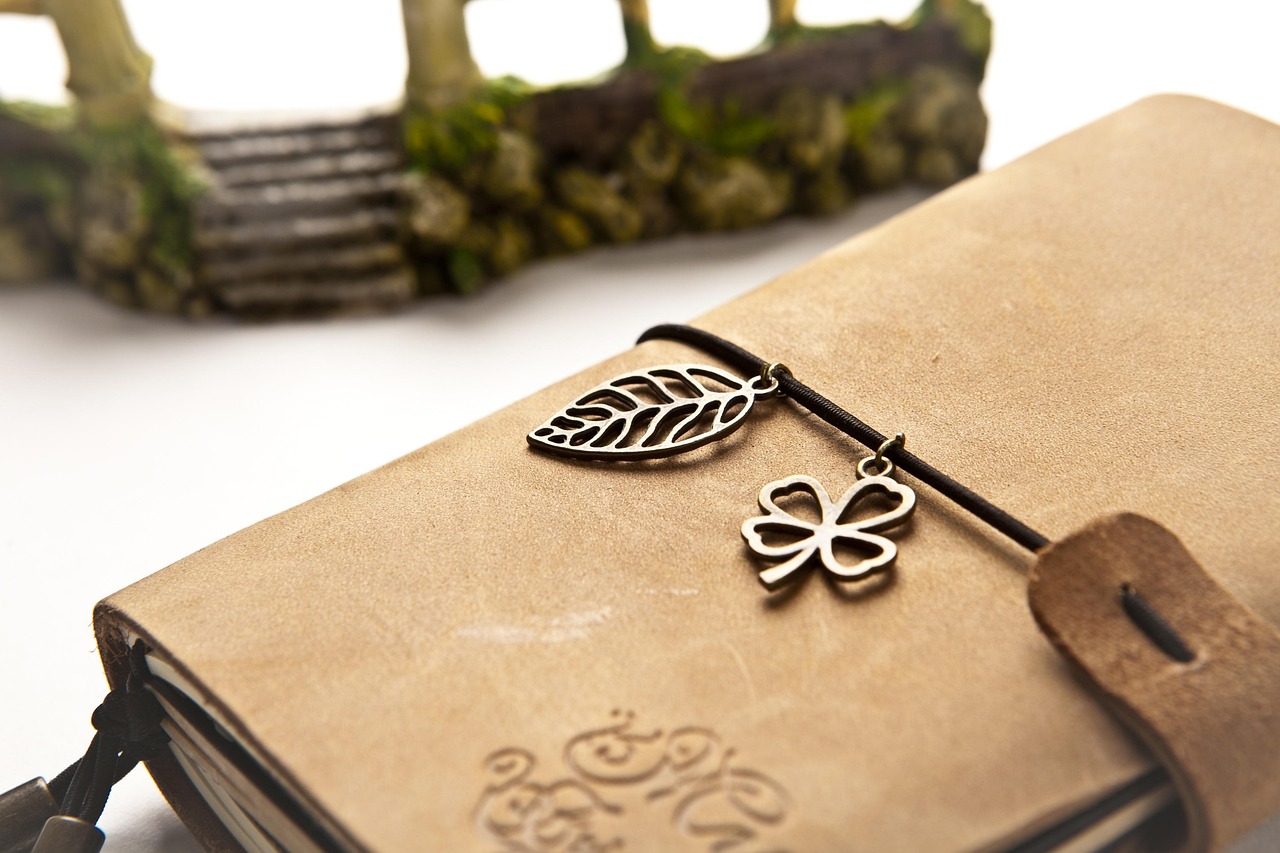
Verdict: The best all-around choice for most people. It is hard to find a better combination of leather quality, paper feel, and usability at this price. Check price on Amazon.
2. Levenger â Best Budget Pick for Gift-Giving
Leather: Top-grain leather. It is not full-grain, so it will not develop the same patina as higher-end options, but it is still genuine leather and feels nice to the touch.
Paper: 90gsm acid-free. Adequate for ballpoint pens and pencil, but fountain pen users should be cautious â some bleed-through with wet nibs.
Features: Elastic closure, bookmark ribbon, and a small interior pocket for loose notes. Available in several sizes.
Who it is for: Gifts for college students, young professionals, or anyone who wants a quality notebook without spending a fortune. It looks more expensive than it is.
Downsides: Leather is thinner. The binding is decent but not as robust as saddle-stitch. Expect a lifespan of a few years with daily use, not decades.
Verdict: A reliable gift option that will not break the bank. It is a good introduction to handmade leather journals. See price on Amazon.
3. The Paper Mind â Best Refillable System for Long-Term Use
Leather: Full-grain, vegetable-tanned leather. Ages beautifully and can handle years of wear. The cover is designed to be the permanent part of the system.
Paper: Refill inserts come in various weights (80gsm, 100gsm, and 120gsm). You can mix and match for different purposes â a dot-grid insert for planning, a lined one for writing, and a blank one for sketches.
Features: Traveler’s-style notebook with multiple elastic bands to hold several inserts. The cover folds over itself, so it is compact even with multiple notebooks inside. Available in A5 and passport sizes.
Who it is for: Anyone who wants one cover for the next decade. Perfect for bullet journalists, project managers, and creative professionals who need different notebooks for different tasks.
Downsides: Initial investment is higher ($60â$80 for the cover). You need to buy refills separately, which adds recurring cost. But over five years, it is cheaper than buying ten new journals.
Verdict: The most practical system for long-term users. The ability to swap inserts changes how you use the notebook â it becomes a true system, not just a journal. Find cover and refills on Amazon.
4. Stillman & Birn â Best for Artists and Sketching
Leather: Genuine leather cover, sturdy but not overly thick. The focus here is firmly on the paper, not the cover.
Paper: 140lb (300gsm) acid-free paper. This is the heavyweight champion for mixed media. Works well with watercolor, ink, pencil, and light washes without buckling. The paper has a slight textured surface (vellum finish) that holds pigment nicely.
Features: Lay-flat binding is essential for drawing across the spread. The cover is protective but not bulky. Available in landscape and portrait formats.
Who it is for: Serious sketchbook users, watercolor painters, ink illustrators, or anyone who works with wet media. This is not for quick notes â it is an art tool.
Downsides: Paper is heavy, so the sketchbook is heavier and less portable. Limited leather color options. Price is higher ($50â$70) but appropriate for the paper quality.
Verdict: If the recipient uses wet media, this is the best option. Do not buy this for a writer â they do not need 300gsm paper. See current price on Amazon.
5. Moleskine (Leather Edition) â Best Pocket-Sized Journal for Travel
Leather: Full-grain leather cover. Small and lightweight, designed to fit in a jacket pocket or small bag. The leather develops a good patina over time.
Paper: 85gsm acid-free. Fine for ballpoint and pencil but can be problematic with fountain pens â some ghosting. The paper is smoother than typical Moleskine stock.
Features: Elastic closure, expandable inner pocket, and bookmark ribbon. The pocket size is about 3.5 x 5.5 inches, perfect for jotting quick ideas.
Who it is for: Travelers, field journalists, or anyone who wants a minimalist notebook for on-the-go use. Good for short-form writing, lists, or meeting notes.
Downsides: Paper weight could be better. The binding is sewn but not saddle-stitched, so it is less repairable. Limited page count (around 80 sheets).
Verdict: A classic choice for portability and simplicity. It is not the best for heavy daily writing due to paper limitations, but it excels as a travel companion. Check price on Amazon.
6. Paper Republic â Best Premium Choice with Full-Grain Leather
Leather: Full-grain, vegetable-tanned leather sourced from reputable tanneries. This is the kind of leather that improves with age â scratches become character, the color deepens, and the surface develops a beautiful sheen. The cover is thick and substantial.
Paper: Refillable system with your choice of paper (100gsm, 120gsm, or even tougher options). The company offers a variety of inserts, from dot-grid to plain to ledger-style.
Features: Saddle-stitched construction throughout. The cover is available in multiple colors and includes a brass closure clip that looks and feels premium. It is a travelers-style notebook but with a more refined finish.
Who it is for: A special gift â anniversary, graduation, or promotion. Perfect for someone who appreciates fine craftsmanship and wants a journal that will last a lifetime.
Downsides: High price ($80â$120) for the cover alone. Refills are also more expensive than standard options. Not the best value for budget-conscious buyers, but the quality justifies the cost.
Verdict: The gold standard for full-grain leather journals. If you are buying for a connoisseur or someone who values heirloom quality, this is the pick. See price on Amazon.
7. EcoJot (Vegan Leather) â Best Eco-Friendly Option
Leather: Vegan leather made from recycled materials. It is not genuine leather, but it avoids animal products and reduces waste. The feel is similar to soft leather but without the long patina development.
Paper: 100% recycled, acid-free paper. The paper is 90gsm and handles fountain pens reasonably well â minor ghosting but no bleeding with fine nibs.
Features: Simple, clean design with a wrap closure or elastic band. Available in several sizes and neutral colors.
Who it is for: Eco-conscious gift-givers, vegans, or anyone who prefers upcycled materials. Good for writers who prioritize environmental impact over leather longevity.
Downsides: The cover will not develop patina like genuine leather. Durability is slightly lower â expect a few years of daily use rather than decades. Some users report the cover shows wear sooner.
Verdict: A solid eco-friendly alternative that does not cheap out on paper quality. It is a thoughtful gift for the right person. Check price on Amazon.
8. The Leather Journal Co. â Best Personalized or Engraved Journal
Leather: Top-grain or full-grain options depending on price tier. The personalization is what sets this apart â you can have initials, names, dates, or small designs engraved on the front cover.
Paper: 100gsm acid-free paper or 140gsm for artist editions. Good quality for daily writing, and the heavier paper handles most pens without issue.
Features: Custom engraving is the main draw. The process uses heat stamping, which creates a clean, permanent mark. Available in A5, large, and pocket sizes. Wrap closure or elastic band.
Who it is for: A bespoke gift for someone special. Great for weddings, anniversaries, graduations, or retirement. The recipient gets a unique item they will not find anywhere else.
Downsides: Custom orders take one to two weeks longer to process. The engraving adds $15â$25 to the base price. Once engraved, it is not returnable. Make sure the name or message is correct before ordering.
Verdict: If you want a truly personal gift, this is the way to go. The extra cost is worth it for the sentiment. See personalized options on Amazon.
9. The Write Journal â Best Value Set (Journal + Pen)
Leather: Top-grain leather cover in a simple, slim design. Not as thick as premium options, but fine for the price.
Paper: 100gsm acid-free paper that performs well with the included pen and most ballpoints. Not fountain pen friendly â expect some bleeding with wet nibs.
Features: Comes bundled with a quality rollerball or fountain pen and an ink cartridge. The pen matches the journal’s style â simple, modern, functional. Available in a few color combos.
Who it is for: A ready-to-gift package for those who want everything in one box. Great for students, writers, or anyone who appreciates convenience. Also a good option for corporate gifts.
Downsides: The pen is decent but not a premium writing instrument. The journal and pen are not sold separately, so you cannot customize the pair. Paper weight is medium, not ideal for heavy ink users.
Verdict: The best value set for gift-givers who do not want to assemble components. It is complete and ready to use right out of the box. Find the set on Amazon.

Common Mistakes to Avoid When Buying a Handmade Leather Journal
Even a well-intentioned purchase can go wrong if you overlook key details. Here are the most common mistakes and how to avoid them.
- Not checking paper weight for the writing tool. A fountain pen user needs at least 90gsm paper, ideally 100gsm or more. Thin paper (70gsm or less) will bleed and feather. Artists need 140lb/300gsm for wet media. Check the paper weight before buying â it is the most overlooked specification.
- Ignoring the leather type. “Genuine leather” is a vague term that can mean anything from decent top-grain to scrap material. Full-grain leather is the gold standard. Top-grain is a solid mid-range choice. Bonded leather is not a long-term investment. Read the product description carefully.
- Forgetting about the binding. Glued bindings fail faster. Saddle-stitched or sewn bindings last longer and can be repaired. If the listing does not mention stitching, assume it is glued. Look for visible thread.
- Buying the wrong size for the use case. A pocket journal (3×5) is useless for sketching but great for jotting thoughts. An A4 journal is impractical for daily carry. Match the format to the activity: pocket for portability, A5 for daily writing, large for art.
- Overlooking refillability. If the user plans to write for years, a refillable system (traveler’s notebook style) saves money and reduces waste over time. Single-use journals are fine for one project, but a refillable cover is smarter for long-term habit.
Avoid these pitfalls, and you will end up with a journal that actually gets used â not one that sits on a shelf because the paper bleeds or the cover is too bulky.
Final Thoughts: Choosing the Right Handmade Leather Journal for Your Needs
The best handmade leather journal is not the most expensive one â it is the one that matches the user’s primary activity. Writers need quality paper and a comfortable writing angle. Artists need thick paper and a binding that lays flat. Travelers need portability and durability. Eco-conscious buyers might sacrifice some durability for sustainability.
Use the buyer’s checklist as your filter. Leather type, paper weight, binding, and size are the four pillars. Everything else â closure style, color, personalization â is secondary. Get those four right, and the recipient will use it daily for years.
If you are ready to buy, our top pick for most people is Scribbles & Co. It offers the best balance of leather quality, paper feel, and usability at a fair price. It is the safest choice for a gift or personal use when you are not sure of the recipient’s specific preferences. But for artists, go with Stillman & Birn. For travel, get the Moleskine Leather Edition. For long-term use, invest in The Paper Mind refillable system. Each has its perfect customer.
Whatever you choose, a handmade leather journal is more than a notebook â it is a daily tool that builds a record of thoughts, ideas, and creativity over time. Buy with care, and the recipient will appreciate that thoughtfulness every time they open it.