Best Natural Fiber Baskets Artisan: A Curated Guide to Handmade Storage
Why Choose Natural Fiber Baskets from Artisans?
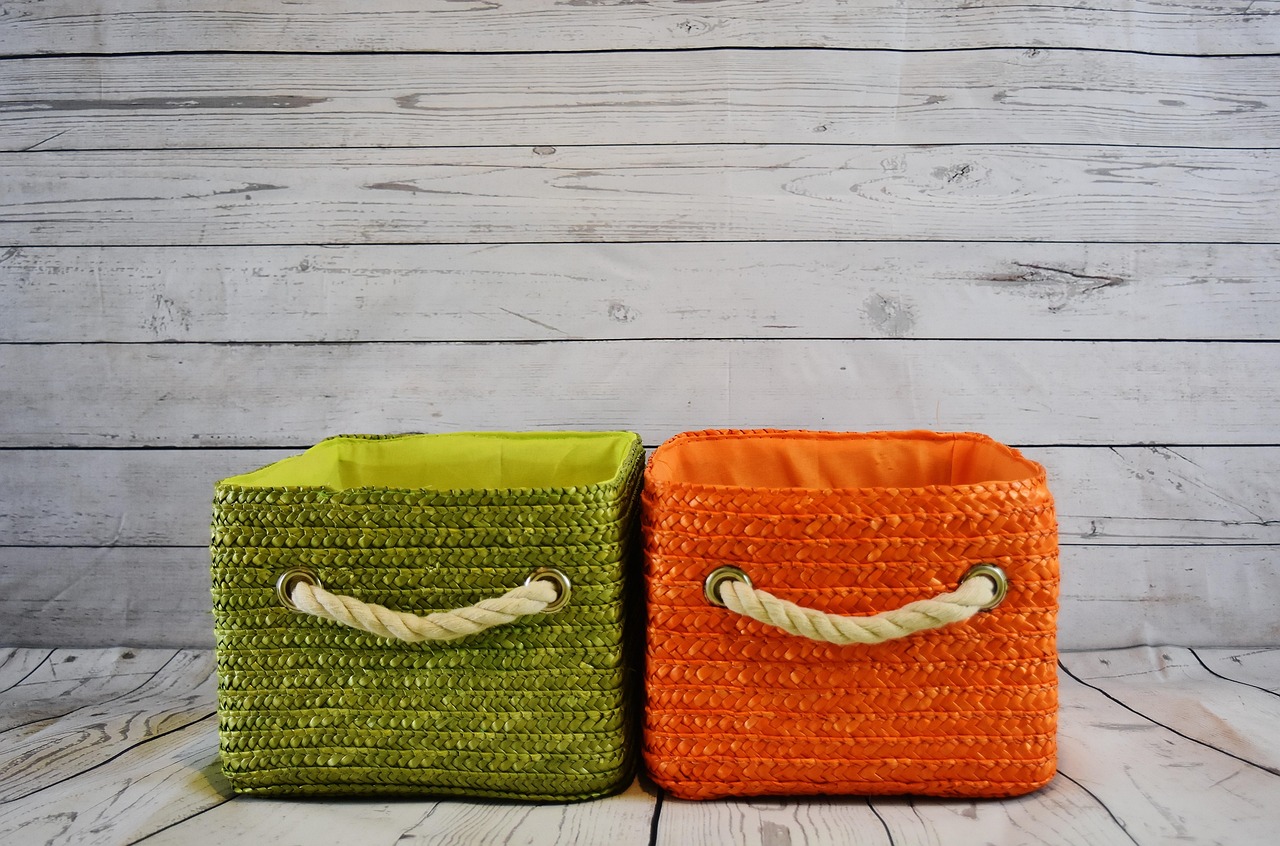
The difference between a handwoven artisan basket and a mass-produced one is something you feel the moment you pick it up. The weight is more substantial. The weave has a rhythm to it, not a machine-perfect repeat. That is why natural fiber baskets artisan pieces are worth seeking out.
Most commercially made baskets use glues to hold their shape and cheap dyes that fade fast. You often find uneven strands or pieces that go floppy after a few months. An artisan-made basket starts with a sturdier frame. The weaver builds tension by hand, which gives the basket its structure and longevity. You pay more upfront, but you are not replacing it every season.
The tradeoff is availability. You cannot walk into any big box store and grab one. You wait for shipping or visit a specialist shop. Some colors and patterns are limited runs, so if you love something, buy it then rather than later. For the durability and the story behind the piece, the wait is usually minor.

Key Materials Used in Artisan Natural Fiber Baskets
Knowing what your basket is made from is more than trivia. It determines where the basket can live in your home and how much care it needs.
Seagrass is the workhorse. It has a slightly coarse texture, takes dye well, and holds its shape under weight. A seagrass hamper in the laundry room handles damp towels as long as there is airflow. Keep it out of direct sunlight, or the green-brown tones will bleach out within a year.
Rattan is the classic choice for shelving and countertop storage. It is smooth, somewhat flexible, and resists splitting better than most reeds. Use rattan in dry rooms only. A bathroom without a fan will cause the strands to loosen over time. You can oil rattan every few months to keep it from drying out and cracking.
Water hyacinth has a polished, almost waxy finish. It is surprisingly strong for a plant that grows in wetlands. The fibers are naturally more water-resistant than seagrass or bamboo. That makes it a strong candidate for the kitchen or bathroom, but a liner is still a smart idea if you plan to store damp produce or wet washcloths.
Bamboo baskets are lightweight and very rigid. They work well for vertical storage on shelves where you want something sturdy but not heavy. Bamboo does not like humidity. It can warp if left in a steamy bathroom. Stick to living rooms, entryways, or bedrooms.
Palm leaf is less common but worth a look for decorative pieces. The texture is more irregular and it has a natural golden hue. It is not as strong as seagrass or rattan, so save it for holding dry goods, scarves, or mail.
How to Identify Quality in a Handwoven Basket
Durability is not obvious from a product photo unless you know what to look for. Here is what separates a well-made basket from a fragile one.
- Check the weave tightness. Run your thumb across the surface. If you see large gaps or the weave shifts easily, the basket will sag. A tight weave locks each strand in place.
- Look at the rim. The rim is where most baskets fail. A quality basket has a wrapped rim made of a thicker coil or multiple strands bound together. Thin, single-strand rims snap under pressure.
- Inspect the base. The bottom should be flat and evenly woven. If the base wobbles, the basket will not sit well on a shelf or floor. Some artisan baskets add a secondary base for extra stiffness.
- Examine the dye. Mass-market baskets often have dye that bleeds onto surfaces or fades unevenly. Artisan dyes are usually plant-based and more muted. If the color looks overly saturated, it may transfer to light walls or fabric.
- Feel for sharp edges. Some unfinished baskets leave trimmed ends that can snag clothing or scratch skin. A quality finish sands or binds those ends internally.
A $30 basket will have thinner strands and a looser weave. A $100 basket will feel dense, heavy, and precise.

Best Uses for Artisan Natural Fiber Baskets in Your Home
One basket can serve multiple purposes, but sizing matters more than you think. For those building a cohesive home storage system, browsing natural fiber storage baskets for home can help find the right sizes for each room.
Entryway. Use a 10 to 12-inch basket for keys, mail, and sunglasses. Anything larger becomes a dumping ground for random clutter. Choose a tight weave here so small items do not fall through.
Living room. A 14 to 16-inch basket holds a folded throw blanket or a stack of magazines. For a plant pot, pick a basket with a water-resistant liner or use a plastic saucer underneath. The natural fiber will wick moisture and rot over time.
Bedroom. Laundry hampers should be 18 to 20 inches in diameter. Go with seagrass or water hyacinth for durability. Make sure the weave is tight enough that socks and underwear cannot escape through gaps.
Kitchen. Small 6 to 8-inch baskets work well for produce like garlic and onions. The open weave helps air circulate, which keeps vegetables fresher longer. Avoid storing cut fruit or anything wet without a liner.
Bathroom. Keep toiletries and rolled towels in a water hyacinth or rattan basket. Place it away from the shower spray. Even water-resistant fibers can mildew if they stay damp.
Comparison: Open Weave vs. Tight Weave Basket
The choice between open and tight weave comes down to what you are storing and where you plan to put it.
Open weave baskets are lighter, more breathable, and often more decorative. They work well for holding dry, lightweight items like scarves, toys, or laundry waiting to be folded. The downside is that small objects can slip out or get caught in the gaps. If you have a cat or a toddler, an open weave is an invitation for mischief.
Tight weave baskets are more versatile for daily use. They hold everything from snacks to bathroom toiletries without anything falling out. They also take more abuse without losing shape. The tradeoff is weight and cleaning. Dust and crumbs get trapped in tight weaves, and you have to wipe them down with a damp cloth. You cannot machine wash either type, but tight weaves are more prone to trapping odor if not aired out regularly.
Common Mistakes When Buying Natural Fiber Baskets
Even experienced shoppers make these errors. Avoid them and you will end up happier with your purchase.
Ignoring size. A basket that looks perfect in a product photo can be smaller than expected. Always check the dimensions and measure the space where the basket will live. Many people buy too small for laundry or too large for a shelf.
Assuming all fibers are durable. Not all natural fibers have the same strength. Bamboo is rigid but brittle. Seagrass holds up well to heavy use. Palm leaf is delicate. Understand the material before you buy.
Forgetting about lining needs. If you will use the basket for laundry, bath towels, or produce, you need a liner. Most natural fibers absorb moisture. A removable fabric liner protects the basket and extends its life significantly. Travelers who deal with damp items often find fabric liners for baskets a practical addition.
Overlooking colorfastness. Vibrant dyes can bleed onto walls, floors, and clothes. If the basket is not marked as colorfast, test it by dabbing a wet cloth on an inconspicuous area. Better yet, stick with neutrals if you are unsure.
Not checking for sharp edges. Some baskets have unfinished ends that scratch surfaces or snag fabric. Run your hand along the rim and base before committing. A quality artisan basket will have those edges finished.
Matching Basket Style with Your Decor: A Practical Guide
A basket that stores things can also anchor the look of a room if you choose wisely.
Boho decor calls for baskets with fringe, tassels, or irregular weaves. Look for palm leaf or dyed seagrass pieces that add texture. Slightly uneven shapes are a feature here, not a flaw.
Modern spaces need clean lines. Stick to rattan or water hyacinth with a tight, uniform weave. Neutral tones and simple cylindrical or rectangular shapes work best. Avoid anything with too much embellishment.
Farmhouse style benefits from darker stained rattan or chunky seagrass baskets. Square or oval shapes fit well under console tables or next to armchairs. A dark woven basket contrasts nicely with pale wood floors.
Coastal and beachy decor works best with light seagrass and natural undyed fibers. The texture already reads casual and breezy. A large open weave basket can hold throws while adding to the relaxed vibe.
In small spaces, choose one or two larger baskets that pull double duty as decor and storage. In large rooms, a cluster of smaller baskets on open shelving adds visual weight without overpowering the space.
Caring for Your Artisan Basket to Extend Its Life
Natural fibers need a little attention to stay in shape, but the maintenance is simple.
- Keep baskets out of direct sunlight. The UV rays will fade dyes and dry out fibers, causing them to crack.
- Dust with a soft brush or a microfiber cloth weekly. This prevents grit from working its way into the weave and wearing down the strands.
- Spot clean with a damp cloth if something spills. Do not soak the basket. Water causes natural fibers to swell and weaken.
- For rattan baskets, apply a small amount of mineral oil every two to three months. Rub it in with a soft cloth and wipe off the excess. This stops the rattan from drying out and cracking, especially in heated homes during winter.
- If the basket starts to sag, fluff it by hand. Gently pull the sides back into shape. A little manipulation often restores the original form.
- Never put a natural fiber basket in the washing machine, dishwasher, or dryer. It will warp, shrink, or unravel.
With basic care, a good artisan basket lasts five to ten years. Some collectors have pieces that have been in use for decades.
Our Top Picks: Curated Artisan Natural Fiber Baskets
These are baskets we have seen hold up well in real homes. They are available on Amazon and worth the price for the quality.
Seagrass Laundry Hamper with Tight Weave
Material: Seagrass
Best use: Bedroom or master bath laundry
Key quality: Extra tight weave, reinforced rim, sturdy base
Price range: $50-70
Best for: Anyone needing a durable hamper that does not look industrial. Skip if you need something waterproof.
Rattan Storage Basket with Handles
Material: Rattan
Best use: Living room blanket storage, toy bin
Key quality: Smooth finish, strong handles, neutral stain
Price range: $35-55
Best for: Modern or farmhouse decor. The handles make it easy to move around the house.
Water Hyacinth Woven Basket Set
Material: Water hyacinth
Best use: Kitchen produce storage, bathroom toiletries
Key quality: Naturally water-resistant, polished finish, nested sizes
Price range: $30-45 for set
Best for: Combination of form and function. Works well in humid rooms.
Bamboo Shelf Basket with Dividers
Material: Bamboo
Best use: Desk or kitchen counter organization
Key quality: Rigid structure, built-in dividers, lightweight
Price range: $25-40
Best for: Keeping small items corralled on shelves. Not for heavy or wet storage.
Palm Leaf Decorative Basket
Material: Palm leaf
Best use: Entryway catchall, dry goods holder
Key quality: Unique texture, natural golden color, irregular weave
Price range: $20-35
Best for: Adding texture without weight. Not for daily heavy lifting.

What to Avoid When Shopping for Handmade Baskets Online
Buying handmade baskets online carries some risk. Filtered product photos are the biggest problem. A photo can make a loose weave look tight and a faded dye look vibrant. Always zoom in on the images and look for reviews that mention weave quality and durability.
Sizing is another trap. A basket described as large might be 10 inches tall, which is not large for a laundry hamper. Read the dimensions. Measure a comparable object at home to get a sense of the actual size.
Some sellers use vague material labels like “natural fiber” or “eco-friendly materials.” That can mean a synthetic blend with a small amount of natural material mixed in. If the label is not specific, ask the seller or move on.
Finally, check the return policy. Many handmade pieces are final sale. If the basket arrives damaged or is not what you expected, you may be stuck with it. Some sellers accept returns for store credit. Read the fine print.
The Argument for Investing in Artisan Pieces vs. Mass-Market
Artisan baskets cost two to three times more than mass-market versions. That premium buys you tighter weaves, better dyes, and a longer life. A mass-market basket from a discount store might last a year or two before the rim breaks or the dye fades. An artisan piece from a skilled weaver can serve you for a decade.
Invest in artisan pieces if you care about how your home looks and want to avoid replacing items every season. They also make excellent gifts for someone who values craftsmanship and sustainability.
Stay budget-friendly if the basket is going into a kid’s room, a temporary rental, or a space that gets hard use and will be replaced anyway. In those cases, a mass-market option makes more economic sense. Just know it will not last as long.
Frequently Asked Questions About Natural Fiber Baskets
Can natural fiber baskets get wet?
No. Most natural fibers absorb water and will swell, mildew, or rot if soaked. Use a liner for damp items and avoid leaving baskets in direct rain or steam.
How do I know if a basket is fair trade?
Look for specific certifications like Fair Trade Certified or B Corp on the product page. Some artisans sell directly through platforms like Etsy and list their production methods. Read seller descriptions for transparency about sourcing and wages.
What size basket for a standard laundry load?
An 18 to 20-inch diameter basket with a depth of at least 14 inches holds an average laundry load. Smaller baskets may need two trips and larger ones can strain the weaves over time.
How do I clean a stained natural fiber basket?
Mix a small amount of mild soap with water. Dip a soft cloth in the solution and wring it out almost dry. Wipe the stained area gently. Then blot with a dry cloth. Do not scrub or soak. Let the basket air dry completely away from direct heat.
For those looking to maintain their collection, a basket care kit for natural fibers can provide the right tools for gentle cleaning.