How to Choose the Best Handmade Wool Scarf and Hat for Ethical Gifting
Introduction
Something’s changing in how we think about winter gear. More people are moving past fast fashion and looking for pieces that actually mean somethingâa scarf someone took time to knit, a hat that keeps a small workshop going, a handmade wool scarf hat set that wasn’t rushed off a production line. And honestly, it makes sense. A winter accessory isn’t just a layer; it’s something you grab every day for months. It should be well-made, fairly produced, and built to last. But with so many sellers throwing around words like ‘handmade’ and ‘ethical,’ telling the real thing from the marketing talk takes some digging. This article walks through what to look for in a handmade wool scarf and hat set, how to check if a producer is actually doing what they say, and which curated sets are worth your money. Whether you’re hunting for a gift or upgrading your own winter wardrobe, this should help you make a choice you feel good about.

What Makes a Wool Scarf and Hat Truly Handmade and Ethical?
Before jumping into options, it helps to know what you’re actually paying for. ‘Handmade’ and ‘ethical’ get thrown around a lot, and plenty of brands use them loosely. Here’s what they really mean.
Genuinely handmade means someone made it by hand, not on an industrial knitting machine. A real artisan might use a hand loom, knitting needles, or a traditional weaving frame. You’ll often notice small variations in stitch tension or pattern alignmentâthat’s a sign of human hands, not a flaw. Items labeled ‘hand-finished’ or ‘artisan-inspired’ are usually machine-knit with a few hand details added later. Big difference.
Ethical production covers a few things that connect. Fair wages and safe working conditions are non-negotiable. That means the person making it gets paid fairly for their time and skill. Animal welfare matters too. Look for mulesing-free wool, especially with Merino, and ask about sourcing. Brands that use wool from small farms where sheep are raised humanely usually talk about it on their site. Environmental impact also countsânatural dyes, low-waste production, and minimal packaging are good signs.
The real cost of a quality handmade set reflects all of this. It’s not just the yarn. If a scarf and hat set costs under $40 and claims to be handmade, something’s off. Real artisan work takes hours, and ethical production has a baseline cost. Understanding this sets realistic expectations and helps you avoid wasting money on items that are mislabeled.
Wool Types to Look For (And One to Avoid)
The type of wool in a handmade set determines warmth, feel, and how long it lasts. Here’s a practical breakdown of the most common options.
Merino Wool â Fine and soft, with good temperature regulation. Great for sensitive skin and works as a base layer or stand-alone accessory. But it can pill if you don’t care for it properly. Expect to pay more for quality, ethically sourced Merino.
Lambswool â From the first shearing of a sheep. Softer than standard wool but still durable. Has a slightly fluffy texture that traps heat well. Solid mid-range optionâless expensive than Merino but still comfortable for most people.
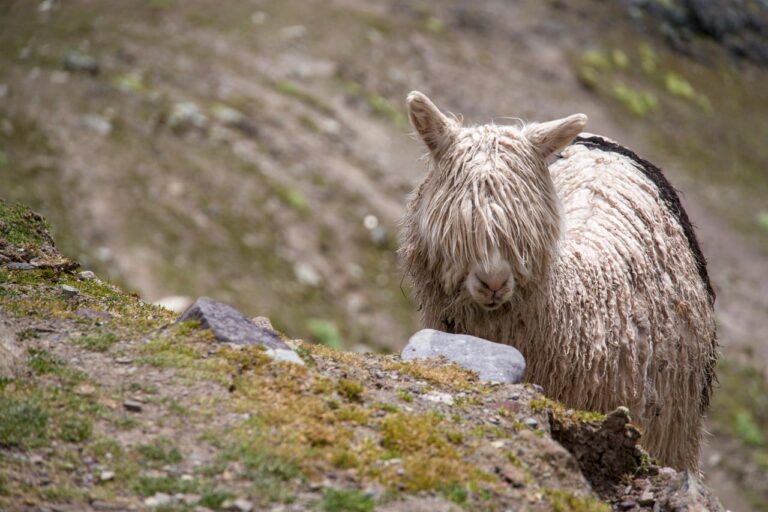
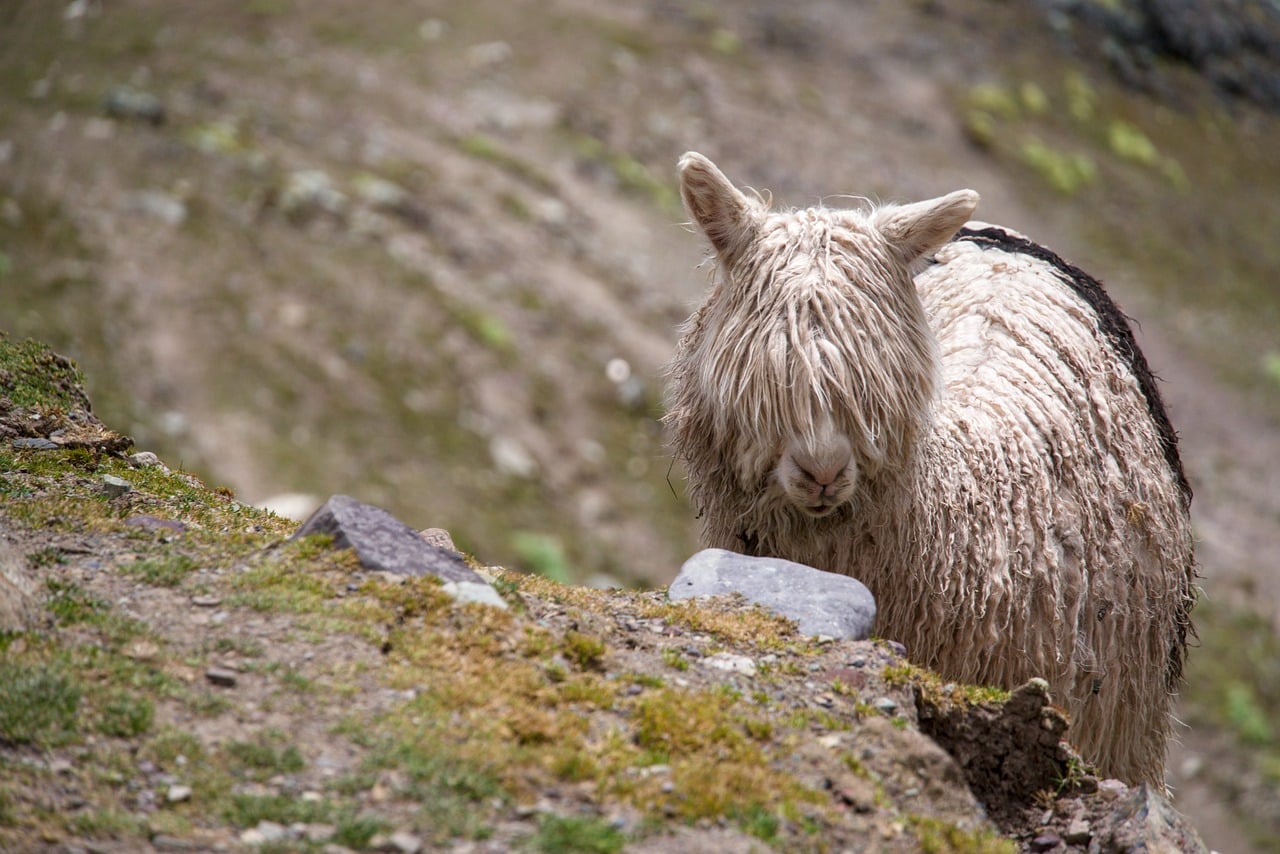
Alpaca Wool â Warmer than sheep’s wool, lightweight, and naturally hypoallergenic since it has no lanolin. Alpaca also pills less. Good for very cold climates or anyone who finds traditional wool itchy. The tradeoff is a higher price and a silkier feel that not everyone prefers.
Highland Wool â Traditional, rugged wool from sheep raised in harsh climates like Scotland or Iceland. Extremely warm, water-resistant, and long-lasting. But can be coarseâbest for someone who values durability and warmth over softness.
Recycled Wool â Made from post-consumer or post-industrial wool waste. A solid eco-conscious choice that cuts down on demand for virgin fiber. Quality varies depending on the source, but good recycled wool can be just as warm and durable. Look for producers who are open about their recycling process.
The one to avoid: cheap acrylic blends. Lots of budget-friendly ‘wool’ scarves and hats are actually synthetic blends with a small amount of wool so they can use the word on the label. Acrylic doesn’t breathe, pills quickly, and sheds microplastics. If the price seems too good to be true for ‘handmade,’ check the material composition carefully. Anything labeled ‘acrylic blend’ or ‘polyester blend’ with less than 60% natural fiber isn’t worth it. For those who prefer to browse their own options, a search for ethical wool scarf hat set can help you explore alternatives with more detail on material composition.
How to Verify an Artisan Producer’s Claims
Trust but verify. A well-written product description can hide a lot. Here’s how to tell if a seller is the real deal.
Look for detailed sourcing language. A legitimate artisan will usually name the fiber type, the farm or region it came from, and the production method. ‘Our wool is sourced from small family farms in the Scottish Highlands’ is more credible than ‘Premium quality wool.’
Check for visual evidence. Do they show photos of the actual production processâsomeone at a loom, dyeing yarn, or knitting? Even a short video builds trust. Scrolling through seller reviews for photos of the item in hand also helps confirm the quality.
Red flags to watch for:
- Vague or missing info about sourcing or materials.
- Prices that seem impossibly low for a handmade wool product.
- Stock photos instead of real product images.
- No return policy or one that punishes small fit issues.
- Claims of ‘handmade’ but the item is listed as ‘standard size’ with no variation mentioned.
What about certifications? Fair Trade, OEKO-TEX, and Woolmark can add credibility, especially for larger brands. But many small-scale artisans can’t afford certification even if they meet the standards. Don’t rule out a smaller seller without a certificateâinstead, look for direct farmer partnerships, documented maker stories, and transparent communication.
Why a Set (Scarf + Hat) Is Often a Smarter Gift
If you’re considering a handmade wool scarf and hat for someone (or yourself), buying a coordinated set usually makes more sense than piecing it together from two different sources.
First, color consistency is guaranteed. Two different artisans will rarely hit the exact same shade, even if they both use ‘charcoal gray.’ A set ensures the pieces match perfectly, so the gift doesn’t look mismatched.
Second, many producers offer a small discount when you buy a set versus separately. It’s not hugeâyou might save $10â$20âbut it’s also a more efficient use of shipping and packaging. Less waste, fewer deliveries.
Third, a set feels more intentional. It’s a complete gift that shows thoughtfulness. The recipient doesn’t have to wonder which scarf goes with which hat. It just works.
The only time a set isn’t ideal is if you’re very specific about fit in one item but not the other. We’ll cover that later.
The Top 5 Handmade Wool Scarf and Hat Sets for Ethical Shoppers
Here are five curated sets that meet the criteria for genuine handmade production and ethical practices. Each has its own strengths, so read the use case to find the best fit.
1. Threads of Peru â The Allpa Set
Material: Highland sheep wool, naturally dyed / Price: $85â$110 / Best for: Eco-conscious shoppers who want cultural heritage support.
Threads of Peru works directly with Quechua weavers in remote Andean communities. Their Allpa set uses traditional backstrap loom techniques and natural dyes from local plants. The wool is sturdy, warm, and has a slightly rustic texture. Each set comes with a card about the artisan. A great choice if ethical sourcing and preserving craft traditions matter most.
2. The Noble Lamb â The Soft Erne Set
Material: Mulesing-free Merino / Price: $120â$150 / Best for: Sensitive skin or someone who values luxury softness.
This small-batch producer in New Zealand uses wool from their own flock of ethically raised sheep. The Soft Erne set is hand-finished and incredibly fine. It’s not a heavy winter scarfâbetter for moderately cold days or as a layer. The hat uses a ribbed stitch for a snug fit without being tight. Good for someone who prioritizes comfort and traceability over raw warmth.
3. The Wool Room â The Coastline Set
Material: Recycled wool blend from pre-consumer waste / Price: $65â$85 / Best for: Budget-conscious shoppers with strong eco-values.
Based in Scotland, The Wool Room runs a closed-loop production system. The Coastline set is made from reclaimed fiber, woven and finished by hand. It has a heathered, soft texture and comes in muted coastal shades. The price point is lower because they use recycled materials, not because of poor labor practices. Perfect for someone who wants a handmade set without spending a lot.
4. Osprey Farm â The Winter Herd Set
Material: Mixed fiber from heritage sheep breeds / Price: $100â$130 / Best for: Extreme cold and durability.
A family-run farm in Vermont that raises rare breed sheep. The Winter Herd set is spun and woven on-site from their flock’s wool. It’s dense, thick, and built for serious winters. The scarf is wide enough to wrap twice, and the hat has a deep fold-over brim. If the recipient lives somewhere with snow and wind, this is the set to get. It will last for years.
5. Loom + Spindle â The Oak Trail Set
Material: Alpaca wool from Peru / Price: $110â$140 / Best for: Hypoallergenic needs or lightweight warmth.
Loom + Spindle partners with a small family-run alpaca farm in the Peruvian Andes. The fiber is combed, spun, and hand-looped by artisans. The finished set is warm but lightweightâgreat for transitional weather or someone who runs warm. The hat has a slightly slouchy fit. A good middle ground between softness and durability.

Sizing and Fit: A Practical Guide for Online Orders
Ordering a handmade hat and scarf online means you can’t try them on. Here’s what to check before you buy.
Scarf length and width. Most standard scarves run 60â70 inches long. A shorter scarf (50â55 inches) might work for a child or someone who prefers a shorter wrap. For an adult, look for at least 60 inches to ensure it can be wrapped without feeling tight. Width also mattersâa skinny scarf (under 6 inches) won’t offer much coverage, while a wide scarf (10+ inches) can be doubled up. Those looking for a wider scarf might find useful options in a search for hand loomed wool scarf set.
Hat circumference. Most handmade hats are designed to fit an average adult head of 21â23 inches. Some are adjustable with a folded brim or stretchy ribbing. If the recipient has a larger or smaller head, check the measurements. Many artisan producers can customize the size if you ask.
Unisex options. Neutral colors and simple patterns usually work for anyone. Dark charcoal, heather gray, navy, and cream are safe bets.
Return policies. Always check the seller’s return and exchange policy before ordering. Some small artisans don’t accept returns on custom orders. If fit is a major concern, look for sellers who offer free exchanges or size guides.
Common Mistakes People Make When Buying Handmade Wool Accessories
Avoid these pitfalls, and you’ll save time, money, and disappointment.
Mistake 1: Buying based on looks alone. A beautiful pattern means nothing if the wool is scratchy or poorly spun. Always check the fiber composition and read reviews about softness and warmth.
Mistake 2: Ignoring care instructions. Handmade wool needs gentle care. If you or the recipient will throw it in the washing machine, this isn’t the gift. Be honest about the recipient’s habits.
Mistake 3: Confusing ‘handmade’ with ‘hand-finished.’ A mass-produced item that has had buttons sewn on by hand is not handmade. A true handmade item involves the core construction being done by hand.
Mistake 4: Not considering the recipient’s lifestyle. If they run warm or live in a mild climate, a heavy wool set will just sit in a drawer. Choose wool weight according to climate, not just preferences.
Mistake 5: Forgetting about allergies. Lanolin in sheep’s wool can cause irritation. For sensitive skin, alpaca or fine Merino is a safer bet. A search for alpaca wool scarf hat set can turn up options that are naturally hypoallergenic.
The takeaway: think about the person, the climate, and the care level before you click buy.
Caring for Your Handmade Wool Scarf and Hat
With proper care, a quality wool set can last 10 years or more. Here’s how to keep it in good shape.
Washing: Hand wash in cool or lukewarm water with a wool-specific detergent (like Eucalan or Soak). Never use hot water or harsh detergents. Avoid vigorous rubbingâgently swish the item and soak for 10â15 minutes.
Drying: Lay it flat on a clean towel. Roll the towel up to remove excess water, then reshape the wool on a dry towel and let it air dry. Never hang wool, or it will stretch out of shape. Avoid direct heat or sunlight.
Storage: Store in a breathable cotton bag or loosely folded in a drawer. Avoid plastic bins, which trap moisture. If you’re storing for the summer, add a natural moth repellent like lavender sachets.
Pilling: A small amount is normal. Use a fabric comb or sweater stone to remove pills gently. This is maintenance, not a defect.
Treat it well, and it will return the favor.

Budget Breakdown: What You Should Expect to Pay
Price is often the clearest signal of quality, but it can also be confusing. Here’s a realistic breakdown for a handmade wool scarf and hat set.
$50â$100 range: These are entry-level artisan sets. Often made with recycled wool or machine-spun yarn that is hand-finished. The production is genuine, but the wool might be a blend or from a less traceable source. Good for a budget-conscious buyer who still wants handmade.
$100â$150 range: This is the sweet spot for most quality sets. Expect finer fibers (Merino, Alpaca) or heritage breeds. Production is true handmade, often by a single artisan or small workshop. The wool source is usually more transparent.
$150+ range: Luxury category. These sets use high-end fibers like organic or mulesing-free Merino, hand-dyed yarns, or rare breed wool. The production process can take days. Complex patterns or custom sizing often push the price higher. Worth it for a very special gift or a lifelong piece.
The tradeoff is simple: you pay more for softer fibers, better ethics, and greater durability. Decide which matters most to you, and shop accordingly.
Alternatives to Consider: When a Set Isn’t the Best Choice
A set is usually the right move, but there are exceptions.
If the recipient has a very specific head size, you might find a better hat from a different artisan. The scarf is usually more forgiving, so mixing sources can work. Similarly, if someone already has a favorite scarf color, they might want a hat that matches but comes from a more specialized maker.
There’s also the case of preferences. Some people want a thick, chunky scarf but a thin, lightweight hat. A set forces you into the same fiber weight and style. If the recipient has strong preferences for both, buying separately might be better.
The downside is losing the coordinated look and potential set discount. But for a truly personalized gift, it’s worth the extra effort.
Final Recommendations: Which Set Is Right for You?
Here’s a quick decision guide:
- Best overall: The Noble Lamb’s Soft Erne set. Superior softness, fully traceable, and a perfect everyday set for most climates.
- Best for value: The Wool Room’s Coastline set. You get genuine handmade quality at a lower price without compromising ethics.
- Best for extreme cold: Osprey Farm’s Winter Herd set. Dense, durable, and built for serious winters.
- Best for sensitive skin: Loom + Spindle’s Oak Trail set. Alpaca wool is naturally gentle and warm without the itch.
- Best for eco-commitment: Threads of Peru’s Allpa set. Supports cultural preservation, natural dyes, and artisan communities.
Take your time, think about what the recipient actually needs, and pick a set that lines up with both their preferences and your values. A well-chosen handmade wool scarf and hat set isn’t just a giftâit’s something that will get worn, appreciated, and remembered for years.