Handmade Cutting Boards That Double as Art: The Ultimate Gift Guide
Why a Handmade Cutting Board Makes a Meaningful Gift
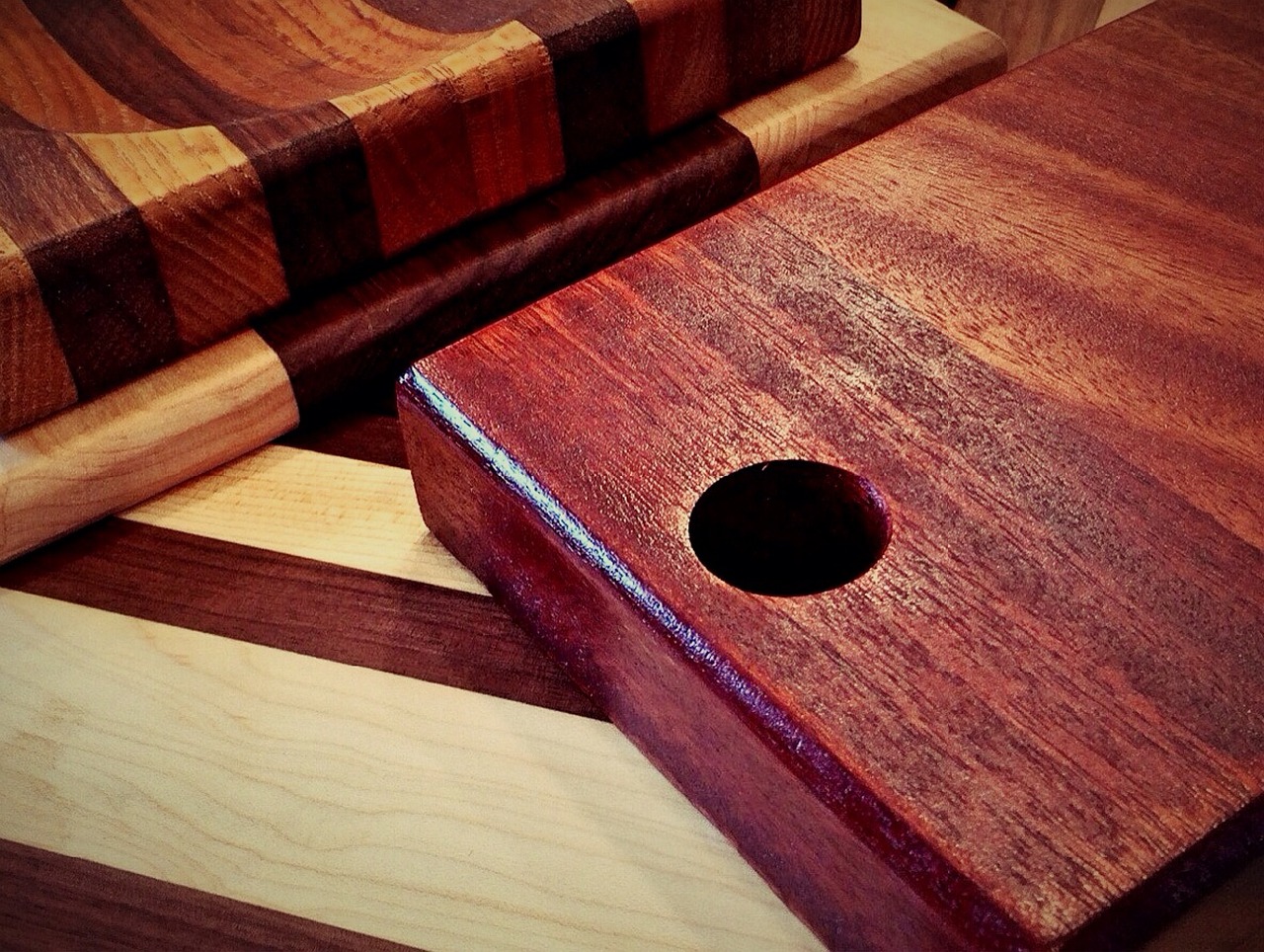
You’ve probably walked through a big-box store and seen rows of identical cutting boards. They’re fine. They cut. But they lack story, personality, and often, durability. A handmade cutting board is different. It’s not just a kitchen toolâit’s a piece of functional art. Every grain pattern is unique. The maker’s skill and attention to detail are visible in the joints, the finish, and the feel.
When you give a handmade board, you’re giving something that will be used daily for years. It’s a gift that says âI thought about this.â The recipient gets a tool that performs better and a conversation piece that sits proudly on the counter. Many artisan makers source wood from sustainable or reclaimed sources, adding an environmental plus that mass-produced boards rarely match. For a cook, a handmade board is a status symbol. For a host, it’s the foundation of a beautiful charcuterie spread. That emotional weight is hard to put a price on, but it becomes clear the first time someone runs their hand over a well-oiled walnut surface.

What to Look for in a Handmade Cutting Board
Not all handmade boards are created equal. Here’s what separates the good ones from the rest.
Wood Type: Hardwoods like maple, walnut, cherry, and teak are the gold standard. They’re dense enough to resist deep knife marks but gentle on blade edges. Avoid softwoods like pine or firâthey scar easily and absorb moisture, leading to warping and bacteria growth.
End Grain vs. Edge Grain: This matters more than most buyers realize. End grain boards are made by gluing small blocks together with the grain facing up. They’re self-healingâknife cuts close back up, making them more durable and easier on knives. Edge grain boards are simpler to make, cheaper, and often lighter. They’re fine for most home cooks, but an end grain board will last decades with proper care. For those who want the durability of end grain, end grain cutting boards are worth considering.
Size and Thickness: Thickness influences stability. Boards under 1.5 inches can warp over time. A 1.75-2 inch thick board feels solid and won’t slide around. Size depends on your counter space. A 12×18 inch board is a good all-around size. Larger boards are great for heavy prep but can be awkward to store.
Juice Grooves and Handles: A juice groove is essential if you’ll be carving meats or juicy fruits. Without it, you get a mess. Handles are convenient, but make sure they’re cut into the board, not just attached. Attached handles can break off.
Finishes and Inlays: Look for food-safe mineral oil or beeswax finishes. Avoid anything with synthetic sealers. Decorative inlays or resin accents add visual interest, but they can limit the board’s heat resistance. No resin board should ever hold a hot pan.
Here are the tradeoffs in plain terms: End grain is more expensive but lasts longer. Edge grain is more affordable and perfectly fine for most daily use. For a gift, end grain often feels more luxurious.
Best Handmade Cutting Boards for Everyday Use
If the recipient will actually cook with this board daily, prioritize durability, knife-friendliness, and ease of cleaning. Here are three solid picks:
- Boos Block Craftsman End Grain Board: A classic. Thick, heavy, and built like a butcher block. The end grain construction is forgiving on knives, and the natural wood finish resists stains. It’s expensive, but it’s a buy-it-for-life item. Best for serious home cooks or anyone who preps a lot of vegetables and meat.
- TeakHaus Teak Cutting Board: Teak is naturally oil-rich, so it resists water and bacteria without needing frequent oiling. This board is lighter than walnut or maple, making it easier to move around. Best for small kitchens or anyone who doesn’t want to obsess over maintenance.
- John Boos Edge Grain Reversible Board: More affordable than the end grain version but still excellent quality. The reversible design gives you two surfacesâone for meats, one for vegetablesâwhich reduces cross-contamination risk. Best for budget-conscious cooks who still want a real handmade board.
Each of these boards is available through brand sites. Look for the âhandmadeâ or âcraftsmanâ label to ensure you’re getting genuine artisan quality, not a factory imitation.


Best Handmade Cutting Boards for Display and Special Occasions
Some boards are too beautiful to hide in a drawer. These are meant to be seen. Think live edges, wood and resin combinations, intricate inlays, or massive slabs that double as serving platters. They’re less practical for heavy chopping (the resin can crack, and the live edge catches crumbs), but they transform a cheese plate or crudité platter into a centerpiece.
Expect to pay $100-$400 for this category. The price reflects the complexity of the design, the rarity of the wood, and the hours of hand-finishing.
Best for charcuterie: A live-edge walnut board with a shallow juice groove. The raw, untrimmed edge gives a rustic, organic feel. Pair it with a small set of cheese knives. Best for wall art: A river-style board where colored resin runs through a crack in the wood. These are stunning but strictly for displayânever cut directly on the resin. Best for serving: A large maple board with a breadboard groove and a leather strap for hanging. It’s functional enough to use for serving but pretty enough to leave out.
If the recipient is a host who loves entertaining, a display board is a winning gift. Just be clear about its limitations. It’s not a daily workhorse. For those who entertain often, a large charcuterie board can double as both serving piece and decor.
Common Mistakes When Buying a Handmade Cutting Board
You’d think buying a cutting board would be simple. It’s not, and here are the top traps:
- Choosing soft wood: Pine, cedar, or bamboo. They’re cheap but dent easily and absorb moisture, fostering bacteria. Hardwoods only.
- Ignoring the finish: Some makers use varnish or polyurethane for aesthetics. These are not food-safe. Look for mineral oil, beeswax, or a combination of both. If the listing doesn’t mention food-safe, ask.
- Skipping the care manual: A handmade board needs oiling every few weeks. If the recipient won’t do it, the board will crack. Consider including a bottle of board oil as part of the gift. A cutting board oil kit can help simplify maintenance.
- Buying too large: A 24×18 inch board looks impressive but is heavy and hard to wash. Measure the recipient’s counter space first.
- Expecting resin boards to handle heat: Resin melts and warps. Never put a hot pot or pan on a resin-embedded board. Stick to all-wood boards for hot items.
Avoiding these mistakes means your gift will actually be used, not relegated to a cabinet.
Handmade vs. Mass-Produced: A Practical Comparison
Here’s a direct breakdown to help you decide which path fits your situation:
| Factor | Handmade | Mass-Produced |
|---|---|---|
| Cost | $50-$500+ | $10-$60 |
| Durability | 10+ years with care | 1-3 years before warping |
| Aesthetics | Unique grain, artisanal details | Uniform, often synthetic |
| Knife Friendliness | Excellent (end grain) | Varies (often hard on blades) |
| Maintenance | Requires regular oiling | Little to none |
| Environmental Impact | Often reclaimed/sustainable | Mass wood sourcing, plastic packaging |
| Uniqueness | One-of-a-kind | Identical to thousands of others |
If the recipient values longevity, aesthetics, and supporting a craftsperson, handmade wins. If they just need something cheap and replaceable, mass-produced might work.
How to Care for a Handmade Cutting Board So It Lasts
Get this right, and your board will outlive most kitchen appliances.
Cleaning: Hand wash only. Use hot water, mild soap, and a scrub brush. Never put it in a dishwasherâthe heat and moisture will warp and crack the wood. Dry immediately with a towel. Stand it on its edge to air dry completely.
Oiling: This is non-negotiable. Apply food-grade mineral oil or a beeswax-mineral oil blend every 2-4 weeks, depending on how often the board is washed. Rub the oil in with a cloth, let it soak for a few hours, then wipe off the excess. An oiled board resists water and stains. An unoiled board dries out and splits.
Stain removal: For stubborn stains or odors, sprinkle coarse salt on the board. Cut a lemon in half and rub it over the salt. Let it sit for 10 minutes. Rinse. The combination of acid and abrasive lifts stains without damaging the wood.
Deep condition: Every few months, apply a thicker layer of oil or a dedicated board conditioner. Let it soak overnight. This restores the wood’s luster and resilience.
We recommend having a bottle of food-grade mineral oil on hand. It’s cheap and simple. Some people prefer a beeswax-based conditioner for added water resistance.
Where to Buy Authentic Handmade Cutting Boards
Finding the real thing requires a little hunting. Here’s where to look:
- Etsy: The largest marketplace for individual woodworkers. Filter by âhandmadeâ and âfood safe.â Read reviews carefully. Look for sellers with high ratings and photos of their shop or process.
- Amazon Handmade: A curated section of Amazon where items are verified as handmade. It’s safer from drop-shippers than the main Amazon marketplace, but you still need to vet. Check the seller’s info page for âHandmade byâ status.
- Direct artisan shops: Many woodworkers sell through their own websites. This often yields the best quality because you’re talking directly to the maker. Search terms like âcustom cutting board maker [your city]â or browse Instagram hashtags like #woodworker and #cuttingboardmaker.
Red flags to watch for: Vague descriptions, stock photos that appear on multiple listings, prices under $30 for a large board (likely laser-engraved factory blanks passed off as handmade), and shipping times that seem too fast for a custom order.
Questions to ask a seller: âIs the wood food-safe?â âWhat finish do you use?â âIs this end grain or edge grain?â âCan you provide a photo of this specific board before shipping?â A confident maker will answer happily.

Budget-Friendly Options That Don’t Sacrifice Quality
You don’t need to spend $200 to get a real handmade board. Here are a few ways to find quality under $75:
- Smaller boards: A 10×14 inch board is plenty for most tasks and often costs $50-$70.
- Edge grain boards: They’re less expensive to make than end grain, but still handcrafted. Look for hardwood edge grain boards from newer sellers building their reputation.
- New makers: Woodworkers who are just starting often sell at lower prices to build a portfolio. Their quality is usually excellent because they’re motivated to earn good reviews.
- Scrap wood boards: Some makers create âscrap boardsâ from leftover wood pieces. These are unique, often beautiful, and cost much less than a full-size custom piece.
Our top value pick under $75 is the Anself Bamboo Handmade Board. Bamboo is technically a grass, not a wood, but it’s hard, sustainable, and very affordable. Just note it’s harder on knives than maple or walnut. For a true hardwood check, look for a small maple end grain board from a maker on Amazon Handmade.
Final Thoughts: Choosing the Right Handmade Cutting Board Gift
The best handmade cutting board gift comes down to three things: wood type, intended use, and the recipient’s kitchen style. If they cook daily, invest in a thick end grain board in walnut or maple. If they love hosting, go for a live-edge or resin-accented board meant for serving. If they appreciate craftsmanship but are strict on care, teak is a forgiving choice. And if you’re on a tight budget, a small edge grain board from a new maker still beats anything from a big-box store.
Take the time to match the board to the person. That’s what makes it a thoughtful gift. If you’re ready to browse our curated recommendations, start with the Boos Block Craftsman for a timeless workhorse, or explore Etsy for a one-of-a-kind design that tells a story.