Bamboo Toothbrushes and Plastic-Free Dental Care: A Buyer’s Guide
Why Switch to a Bamboo Toothbrush? The Practical Case

You’ve probably heard the stat: billions of plastic toothbrushes end up in landfills and oceans every year. They take centuries to break down, and most of us toss them without thinking twice. That’s where a bamboo toothbrush plastic free alternative comes in. But the switch isn’t just an environmental checkbox—there are tradeoffs you need to know about.
A bamboo handle is biodegradable. Once you’re done with it (after removing the bristles), you can compost it, bury it, or use it as a garden stake. That’s a real win. But the bristles are the catch. Most bamboo brushes still use nylon bristles, which aren’t biodegradable. Some brands use castor oil-based bristles, but even those aren’t fully home-compostable yet. Boar hair bristles exist, but they’re less common and not vegan.
There’s also the longevity issue. Bamboo handles can crack if they stay wet. They don’t last as long as plastic. You’ll replace them every three to four months like any brush, but you can’t leave them in a closed cup or a damp travel case. That’s just the reality.
So if you’re expecting a magic bullet that eliminates all plastic waste, you’ll be disappointed. What you get is a meaningful reduction in single-use plastic, a handle that doesn’t outlive you, and a daily reminder that small habits add up. That’s the practical case. It’s not perfect. But it’s better.

What Makes a Bamboo Toothbrush Plastic Free? Key Features to Look For
Not every bamboo toothbrush on the market is actually plastic free. Some are just plastic brushes with a bamboo-colored handle. You need to check the fine print. Here’s what to look for:
- Handle: Should be 100% bamboo, ideally FSC-certified. Avoid handles coated in glossy varnish or lacquer—that’s often plastic resin. A matte finish or natural bamboo is the real deal.
- Bristles: This is the tricky part. Most brands use nylon-6 or nylon-6,6 bristles. These are not biodegradable. For a truly plastic-free option, look for bristles made from castor oil (a plant-based bioplastic) or natural boar hair. Be honest with yourself: boar hair isn’t for everyone, and bioplastic bristles still aren’t home-compostable in most cases. They’re an improvement, not a solution.
- Packaging: Plastic-free means cardboard boxes, paper wrappers, or no packaging at all. Avoid brushes sold in plastic clamshells or shrink wrap. Some brands even use compostable cellophane.
- Certifications: FSC for the bamboo, and maybe ‘vegan’ or ‘cruelty-free’ if that matters to you. But ‘biodegradable’ on the box rarely applies to the entire brush—read the fine print.
The takeaway: if you want the lowest plastic impact, go for a brand that clearly states the bristle material and uses minimal cardboard packaging. If you’re okay with a small compromise (nylon bristles that you dispose of separately), that’s still a massive reduction compared to a fully plastic brush.
Best Bamboo Toothbrush Brands: A Head-to-Head Comparison
Here’s a practical comparison of the most reputable brands you’ll find. I’ve used most of these, and I’ve tested them for bristle feel, handle comfort, and how they hold up over three months. If you’re looking to start with a budget-friendly option, travelers who need a quick way to compare several brands can use a general bamboo toothbrush plastic free search to see what’s currently available.
| Brand | Price (per brush) | Bristle Type | Handle Feel | Packaging | Best For |
|---|---|---|---|---|---|
| Brush with Bamboo | ~$4 | Nylon (BPA-free) | Smooth, medium thickness | Cardboard box | Budget-friendly, first-time switchers |
| Bite | ~$7 | Castor oil-based (plant-based) | Thicker, ergonomic | Cardboard, no plastic | Eco-purists who want plant-based bristles |
| The Humble Co. | ~$4 | Nylon (soft/medium) | Slim, slightly textured | Cardboard box | Socially conscious (1:1 dental care donations) |
| EcoRoots | ~$10 (for pack of 4) | Nylon (soft) | Natural, slightly rough | Cardboard | Bulk buyers, families |
| Georganics | ~$6 | Castor oil-based | Polished, comfortable | Cardboard + paper | Upgrade: best bristle feel and sustainability balance |
If I had to pick one for most people, it’s Georganics. The bristles are plant-based, the handle is smooth without being coated, and the packaging is fully plastic-free. They also sell refill packs. Brush with Bamboo is the best value if you’re okay with nylon bristles. Bite is the gold standard for bristles, but you pay for it. The Humble Co. is a solid charity option. EcoRoots works if you’re buying in bulk for a family.
Plastic-Free Dental Care Kits: What Should They Include?
A complete plastic-free dental care kit goes beyond just the toothbrush. It replaces everything in your bathroom cabinet that comes in plastic. Here’s what a well-rounded kit should include:
- Toothbrush: Bamboo handle with plant-based or nylon bristles (your choice).
- Toothpaste alternative: Either toothpaste tablets you chew and brush with, or a powder you dip your wet brush into. Neither comes in a plastic tube.
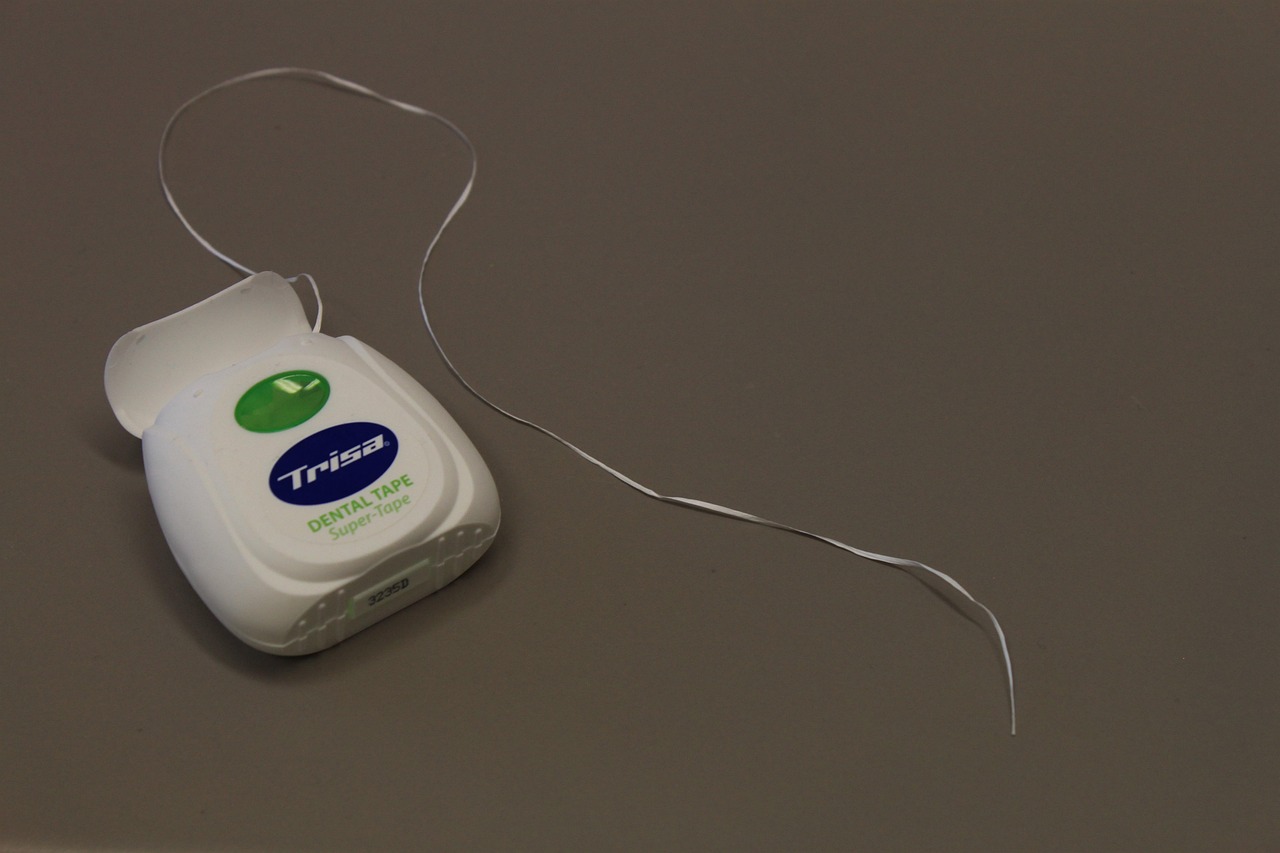
- Floss: Silk or bamboo fiber floss in a glass jar, often coated with candelilla wax (vegan) or beeswax. The jar is reusable, and refills are available.
- Mouthwash tablets: Small tablets you dissolve in water. They come in a metal tin or paper pouch. No plastic bottle.
- Tongue scraper: Stainless steel or copper. Lasts forever.
- Travel case: Bamboo, aluminum, or cardboard. Not plastic.
The environmental benefit is obvious: you eliminate multiple plastic tubes, bottles, and floss containers that can’t be recycled. It’s also convenient. Once you have a kit, you don’t think about it. It’s easy to pack for travel, and it makes a thoughtful gift for an eco-conscious friend. For those assembling their own kit, a search for plastic free dental care kit can help you find everything in one place.
Top Plastic-Free Dental Care Kits Reviewed
These are the kits worth your money. I’ve tested each for practicality, cost per month, and ease of use.
| Kit | Contents | Price (approx.) | Cost per Month | Best For |
|---|---|---|---|---|
| Bite Toothpaste Bits | Tablets, silk floss, bamboo brush | ~$30 | ~$15 | Tablet lovers, travelers |
| Georganics Oral Care Bundle | Brush, toothpaste powder, silk floss, mouthwash | ~$45 | ~$12 | All-in-one, lowest waste |
| The Zero Waste Store Kit | Brush, floss, toothpaste tablets, tin | ~$35 | ~$14 | Gift givers, first-timers |
| EcoRoots Starter Set | 2 brushes, floss, toothpaste powder | ~$25 | ~$10 | Budget shoppers, families |
The Bite kit is great if you like the convenience of tablets that don’t spill. Georganics is the most comprehensive, but you pay upfront. The Zero Waste Store kit is well-curated and comes in nice packaging—good for a gift. EcoRoots is the cheapest way to try everything, but the powder can be messy.
Bamboo Toothbrush vs. Electric Toothbrush: Tradeoffs to Consider
Let’s be honest: many dentists recommend electric toothbrushes for better plaque removal. The oscillating heads do a more thorough job than manual brushing, regardless of handle material. But an electric brush creates plastic waste every time you change the head, and the battery eventually dies. You can’t compost any of it.
A bamboo toothbrush is lower waste but requires more effort to get the same clean. It’s a tradeoff between oral health convenience and environmental impact. There’s no perfect answer.
Here’s a practical resolution: if you have good dental hygiene and don’t struggle with plaque, a bamboo brush is fine. If you’re prone to cavities or gum issues, stick with an electric brush but look for one with replaceable heads made from recycled plastic. There are a few electric brushes with bamboo handles, but they’re rare and expensive. For most people, the best approach is to use an electric brush at home and a bamboo brush for travel or as a backup. That reduces waste without compromising your dental health.
Common Mistakes When Switching to Plastic-Free Dental Care
I’ve made all of these mistakes so you don’t have to.
- Buying too many brushes at once. Bamboo handles can crack or warp if not stored properly. Buy one or two at a time until you know the brand works for you.
- Storing your brush in a closed cup or a drawer. Bamboo needs air flow. A wet brush in a dark, damp environment will mold within weeks. Use a holder with drainage holes or a wall-mounted rack.
- Assuming all ‘bamboo’ brushes are plastic-free. Check the bristles. If they’re nylon, they’re not plastic-free. Read the product description carefully.
- Not rinsing bristles properly. Even with nylon bristles, you’re washing microplastics down the drain. Rinse thoroughly and consider switching to plant-based bristles.
- Ignoring flavor or texture preferences. Toothpaste tablets can be gritty. Some are strong mint, others are fennel or charcoal. Try a small sample before buying a month’s supply.
How to Care for Your Bamboo Toothbrush to Make It Last
Bamboo is naturally antimicrobial, but it’s not indestructible. Here’s how to get the most out of yours:
- Dry it properly: After each use, rinse the bristles and shake off excess water. Store it upright in a holder with holes for drainage. Never leave it lying in a puddle or in a closed cup.
- Replace every 3–4 months: Same as any toothbrush. Frayed bristles don’t clean well.
- Oil the handle (optional): If you live in a dry climate, rub a small amount of coconut or mineral oil into the handle once a month. This prevents cracking.
- Travel tip: Use a ventilated travel case, not a sealed plastic one. A fabric pouch with air holes works well.
Handle it well, and it’ll last the full three months without issues. Treat it poorly, and you’ll be replacing it in six weeks.

What About Floss and Toothpaste? Eco-Friendly Swaps
Floss is a bigger plastic offender than you’d think. Most floss is nylon coated with Teflon, and it comes in a plastic dispenser. The eco-friendly swap is silk floss in a glass jar. The silk is biodegradable, and the jar is reusable. Look for brands like Georganics or Bite that sell refill spools. Those who prefer a more convenient option can find eco friendly dental floss that comes in refillable jars.
Toothpaste tabs are the most popular alternative to tubes. They’re dry tablets you chew into a paste and then brush. They don’t foam as much as toothpaste, which can be off-putting at first. Some are minty, others are fennel or orange-flavored. If you hate the texture, try a toothpaste powder instead. Just dip your wet brush into the powder. It’s less messy than it sounds.
For sensitive teeth, look for tabs or powder with added fluoride or nano-hydroxyapatite. Regular toothpaste tabs don’t always contain fluoride, so check if that matters to you. For whitening, charcoal-based powders work but can be abrasive. Use them sparingly. For kids, there are milder flavors and lower-fluoride options.
Is a Plastic-Free Dental Routine Right for You?
Here’s a quick way to decide. Ask yourself these questions:
- Do you travel often? A travel-sized kit (tablets, silk floss, bamboo brush) is perfect for carry-on.
- Do you have sensitive gums? Stick with soft bristles and gentle toothpaste tabs. Avoid charcoal powders.
- Are you on a budget? Buy bamboo brushes in bulk and use toothpaste powder. It’s the cheapest option.
- Do you want zero waste? Look for castor oil bristles, silk floss, and toothpaste tablets in glass jars. They’re the most plastic-free.
If you’re not sure, start small. Replace just your toothbrush first. Then swap your floss. Then try toothpaste tablets. You don’t have to do it all at once. A partial change is still progress.
Final Recommendations: The Best Bamboo Toothbrush and Dental Kit for Most People
If you only buy one thing, get the Georganics bamboo toothbrush. It has plant-based bristles, a comfortable handle, and plastic-free packaging. It’s the best balance of quality and sustainability.
For a complete kit, go with the Georganics Oral Care Bundle. It includes the brush, toothpaste powder, silk floss, and mouthwash tablets. It’s comprehensive, costs about $12 per month once you factor in refills, and it’s the lowest waste option you’ll find.
If you want to save money, buy a pack of EcoRoots four-brush pack and a jar of Bite toothpaste tablets. That’ll cost you under $20 upfront and last months.
If you want the absolute lowest waste, go with Bite’s full kit. The castor oil bristles are as close to plastic-free as it gets, and their tablets come in a glass jar with compostable refill pouches.
Make the switch. It’s a small change that adds up. Your bathroom cabinet will thank you, and so will the planet.