Best Bamboo Cutting Boards for Eco-Conscious Kitchens
Introduction
Swapping out plastic cutting boards for a bamboo cutting board eco-conscious choice is one of those small kitchen changes that actually makes sense. Bamboo grows fast, regenerates without replanting, and creates a cutting surface that holds up well under daily use. But not every board on the market delivers on that promise. Some warp, some crack, and some are held together with glues that defeat the whole eco-friendly purpose. This article walks through what actually matters when picking a bamboo boardâthickness, construction, finish, and real-world durabilityâso you can find one that fits your kitchen and your values without wasting money.

Why Bamboo Cutting Boards Are a Smart Eco-Friendly Choice
Bamboo is often called a sustainable superstar, and for good reason. It reaches maturity in three to five years, compared to decades for most hardwoods. It grows densely, so more usable material comes from less land. And it doesn’t require replanting after harvest because the root system stays intact and sends up new shoots. That’s a big deal for anyone trying to reduce their kitchen’s environmental footprint.
But there are tradeoffs worth knowing. Bamboo is harder than many hardwoods like maple or walnut. That hardness makes it durable and resistant to moisture absorption, but it also means your knife edges will dull slightly faster than they would on a softer wood board. That’s a real consideration, not a myth. For most home cooks, the difference is negligibleâespecially if you sharpen your knives regularly. But if you’re a serious cook who obsesses over edge retention, an end-grain bamboo board or a hardwood board might serve you better.
Another thing: not all bamboo boards are equal in their environmental claims. The glues used in pressed bamboo boards can contain formaldehyde-based resinsâa legitimate concern. When shopping, look for boards labeled as food-safe and free of added formaldehyde, or those made with natural adhesives like soy-based glues. Processed bamboo also ships from Asia, so transportation emissions are part of the equation. Still, even with that, bamboo outperforms plastic (petroleum-based, non-biodegradable) and most hardwoods (slow growth, often not certified) on the sustainability scale. It’s a solid middle ground that works well for eco-minded cooks who also need a board that won’t quit.
What to Look for When Buying a Bamboo Cutting Board
The wrong board will frustrate you within months. The right one will last years. Here’s what separates them.
Thickness matters more than you think. Boards under ¾ inch thick tend to warp, especially if you wash them by hand and let them air dry. Look for boards at least 1 inch thick. They stay flat, absorb less moisture, and feel sturdier under a knife.
Construction type determines performance. Edge-grain boards have vertical strips of bamboo glued together side by side. They’re durable and affordable, making them the standard choice for most home cooks. End-grain boards show the ends of the bamboo fibers on the cutting surface. They’re softer on knives, self-healing, and more expensive. Pressed bamboo boards use smaller pieces fused under heat and pressure. They’re often the cheapest but can be harder and more prone to chipping or cracking as they age.
Finish matters for longevity. Some boards come pre-oiled with food-grade mineral oil. Others are lacquered with a hard, shiny coating. Lacquered boards look nice out of the box, but that finish can chip over time. Unfinished or oiled boards require regular maintenance but give you full control over what touches your food. Go with unfinished or oiled if you’re committed to caring for it.
Antibacterial claims are mostly marketing. Bamboo does have natural antimicrobial properties, but the effect is mild. Proper cleaningâhot soapy water after each use and thorough dryingâis what actually keeps your board sanitary. Don’t buy a board just because it says antibacterial. Focus on construction and care.
Size should match your counter space and usage. A 15×10 inch board works fine for everyday prep. Go bigger if you meal prep or entertain. Measure your counter space before buying. A huge board that doesn’t fit your sink for cleaning is a pain.
Best Overall: The Workhorse Board for Daily Use
If you want one board that does everything well and lasts, the John Boos Bamboo Cut-N-Carry Board is my top pick. It’s 1.5 inches thick, edge-grain construction, and measures a generous 18×13 inches. That thickness means it won’t warp, even with regular washing. The size gives you plenty of room for chopping vegetables, slicing proteins, or even using it as a small serving board for cheese and bread.
I’ve had one in my kitchen for over two years now, and it still looks almost new. The surface has some light knife marks, but that’s normal for any board. The bamboo is hard enough to resist deep gouges but not so hard that it destroys your knife edge. The juice groove around the perimeter is deep enough to catch liquid without being a pain to clean. And the integrated handle cutouts make it easy to grab and move around the kitchen.
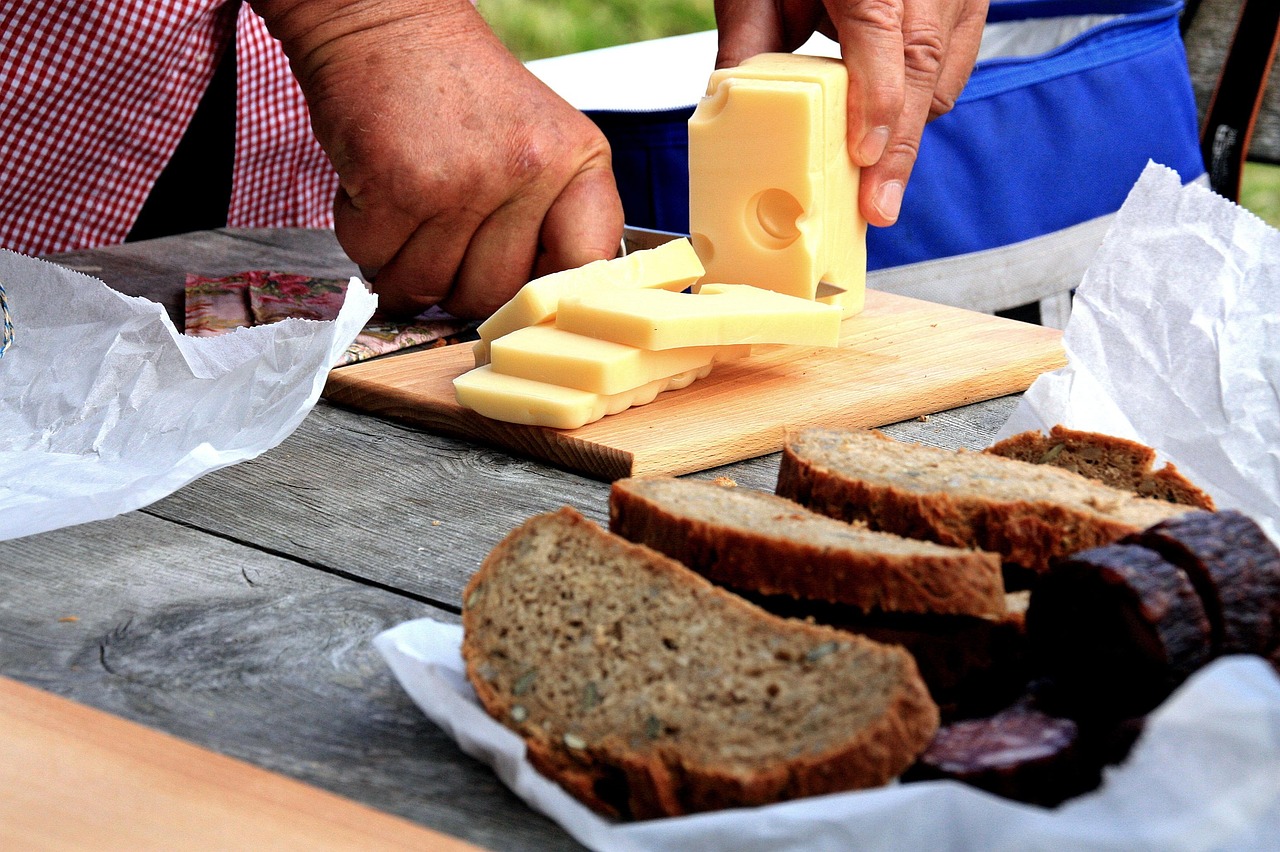
The only downside is the price. It’s not cheap, but it’s built to last a decade with proper care. If you cook most nights, this is the board that earns its spot on the counter.

Best Budget Pick: Affordable Quality for Beginners
Not everyone wants to drop a lot on a cutting board, especially if you’re just starting out or only cook occasionally. The Farberware Professional Bamboo Cutting Board is a solid entry point. It’s about ¾ inch thick, 15×11 inches, and made from pressed bamboo with a natural finish. It’s thin enough that it might not last a decade, but it performs well for everyday use and costs a fraction of the price.
This is a good board for someone who wants to test out bamboo without a big investment. It’s lightweight, easy to store, and the surface is smooth enough to work with. The pressed bamboo construction does mean it’s harder than edge-grain boards, so you’ll notice more noise when chopping and slightly more wear on knives. But for basic prep tasks, it gets the job done.
The big caveat: avoid the ultra-cheap boards you find at discount stores. The glues used in those can be questionable, and the bamboo quality is often poor. Stick with a known brand like Farberware that uses food-safe construction. It’s worth paying a few extra dollars for peace of mind.
Best Large Board: Ideal for Meal Prep and Entertaining
If you do serious meal prep or host gatherings where you’re chopping for a crowd, a big board changes the game. The Totally Bamboo Arts and Creations Board measures 20×16 inches and is a full 1.25 inches thick. That’s a lot of surface area. You can chop vegetables on one side and slice a roast on the other without feeling cramped.
Bamboo handles moisture better than many wood boards, so it’s a smart choice for a large surface that sees a lot of wet ingredients. The board stays flat, doesn’t absorb odors, and cleans up quickly. I’ve used mine for everything from chopping pounds of onions to staging ingredients for a multicourse dinner.
The tradeoff is storage. This board won’t fit in a standard cabinet or drawer. You’ll need to stand it on edge or lean it against a backsplash. Make sure you have the space before committing. If you do, the convenience and workflow improvement are worth the trouble.
Best with Juice Groove: Multipurpose Functionality
For anyone who cooks meat or works with juicy produce, a board with a perimeter juice groove is a practical upgrade. The Viridian Bamboo Cutting Board with Deep Juice Groove features a wide, deep channel that actually catches liquid. It’s edge-grain construction, 1.5 inches thick, and about 18×14 inchesâbig enough for a full chicken or a large watermelon.
The juice groove makes a real difference when you’re carving a roast or slicing tomatoes. Instead of juice pooling and running off the edge onto your counter, it collects in the groove. Cleanup is simple: rinse the board, scrub the groove with a brush if needed, and dry. The groove does trap food particles more than a flat board, so be thorough. But that’s a small tradeoff for the mess it saves.
This board is especially good for anyone who does a mix of produce prep and meat carving. It’s versatile enough for daily chopping and specialized enough for occasional big jobs. If you only want one board and you cook a variety of foods, this is a strong contender.
Best End-Grain Board: Premium Choice for Knife Care
End-grain bamboo boards are the luxury option. The Teakhaus End Grain Bamboo Cutting Board is the standout here. Each piece is made from vertically laminated bamboo blocks with the end grain facing up. This construction is softer on knife edges, self-healingâsmall cuts close up over timeâand incredibly durable.
The board is about 1.75 inches thick and comes in several sizes. The 20×15 inch size is ideal for serious home cooks. It feels substantial on the counter. It won’t slide around. And the end-grain surface is noticeably gentler on knives than any other bamboo construction. If you use high-end knives and want to preserve their edge, this is the board you want.
The downsides are real. End-grain boards cost more. They also require more careâregular oiling is essential to keep the fibers from drying and cracking. Frequent users may benefit from a dedicated board conditioner that combines mineral oil with beeswax for better sealing. And they’re heavier. Moving one around for cleaning or storage feels like lifting a small piece of furniture. For most home cooks, a good edge-grain board is more practical. But for knife enthusiasts and those who appreciate the craftsmanship, the investment is worth it.
Best Set: Versatility with Multiple Sizes
A set of bamboo boards gives you dedicated surfaces for different tasks. The Totally Bamboo 3-Piece Utility Board Set includes three boards in small, medium, and large sizes. The small board is perfect for garlic, herbs, or fruit. The medium handles daily prep. The large is for heavy chopping or serving.

Having separate boards for raw meat, produce, and bread makes kitchen hygiene simpler. You reduce cross-contamination without having to wash the same board between uses. Sets also tend to be cheaper per board than buying individually. This set is edge-grain, about ¾ inch thick, and comes with a natural finish.
The storage con is obvious: three boards take up more counter or drawer space. But they stack flat, so they don’t take up much room in a cabinet. If you cook frequently and want flexibility without spending a lot, a set like this is a practical move.
How to Care for Your Bamboo Cutting Board to Make It Last
Proper care is what separates a board that lasts years from one that splits in six months. The rules are simple but worth following.
Hand wash only. The dishwasher’s heat and moisture will warp and crack bamboo. Hot soapy water and a sponge are all you need. Rinse thoroughly and dry immediately with a towel. Standing water is the enemy.
Dry upright. After washing, prop the board on its edge or stand it in a dish rack so air circulates on both sides. Never lay it flat on a counter to dry. The moisture trapped underneath encourages warping and mold.
Oil regularly. Food-grade mineral oil is the standard. Apply a thin layer every few weeks or whenever the board looks dry. Let it soak in for several hours or overnight before wiping off excess. Avoid vegetable oils, olive oil, or cooking oilsâthey oxidize and go rancid, leaving a sticky, smelly residue. A dedicated board conditioner (mineral oil blended with beeswax) works even better. It seals the surface and adds a slight water resistance. For those who want a ready-made solution, look for a food-grade mineral oil specifically designed for butcher blocks and cutting boards.
Keep away from heat. Don’t place a bamboo board on a hot stovetop, near an oven vent, or in direct sunlight. Heat dries out the bamboo and causes cracking.
Disinfect occasionally. For deep cleaning, scrub with half a lemon dipped in coarse salt or wipe with a diluted vinegar solution. Let it sit for a few minutes, then rinse and dry. Avoid bleach or harsh chemicals.
Common Mistakes to Avoid When Choosing a Bamboo Cutting Board
Buying too thin. Boards under ¾ inch thick warp. It’s that simple. If you want a board that stays flat, go at least 1 inch thick. The extra cost is a one-time investment in longevity.
Ignoring glue type. Not all bamboo boards use safe adhesives. Synthetic glues can contain formaldehyde. Stick with brands that explicitly state their boards are made with food-safe, formaldehyde-free adhesives. It’s a small detail that matters for health and environmental reasons.
Assuming all bamboo is equally sustainable. Processed, pressed bamboo requires more energy and chemicals than solid bamboo strips. Edge-grain and end-grain boards are more sustainable choices because they use larger pieces of bamboo with less glue. Read the product description. Solid bamboo construction is the better choice.
Overlooking size for your space. A board that’s too big for your counter or too small for your sink is frustrating. Measure your workspace and your sink basin before buying. You want a board that fits comfortably in both places.
Forgetting about maintenance. If you don’t want to oil a board regularly, buy a lacquered one or accept that your board will dry out and crack faster. A low-maintenance approach works for some people, but you need to know what you’re signing up for. Oiling takes five minutes once a month. If that feels like too much, adjust your expectations accordingly.

Final Recommendations: Which Bamboo Cutting Board Is Right for You?
Here’s the quick rundown to help you decide.
- Best for daily use: John Boos Bamboo Cut-N-Carry Board. Thick, durable, and built to last. Worth the investment.
- Best for budget buyers: Farberware Professional Bamboo Board. Good enough for occasional use without breaking the bank.
- Best for meal prep: Totally Bamboo Arts and Creations Board. Large surface area that changes how you work.
- Best for meat carving and juicy produce: Viridian Board with Juice Groove. Practical and versatile.
- Best for knife care: Teakhaus End Grain Board. Premium option for serious cooks.
- Best for flexibility: Totally Bamboo 3-Piece Set. Dedicated boards for different tasks at a reasonable price.
Think about your cooking habits, your counter space, and how much care you’re willing to put in. That combination points you to the right board. Whichever you choose, a well-made bamboo cutting board that’s properly cared for will serve you well for yearsâand it’s a genuinely better choice for the planet than plastic.