The Best Cooking Class Gift Experiences in Italy and France
Why a Cooking Class Gift Experience Works for Food Lovers
You’re looking for a gift that doesn’t just sit on a shelf. A cooking class gift experience is active, memorable, and skill-building. Unlike a bottle of wine or a generic gift card, this is something they’ll talk about long after the trip ends.
It works because it taps into two things food lovers value: hands-on learning and local connection. They’re not just eating the food—they’re making it with someone who grew up cooking it. That’s hard to replicate with a souvenir.
It also respects their travel style. Whether they’re a confident home cook or a complete beginner, a good class meets them where they are. Travelers who want to brush up on basics before the trip might consider a beginner cooking skills book for a little pre-trip confidence. You’re not assuming they’ll enjoy it—you’re giving them a structured, guided experience designed to be enjoyable. That’s the kind of gift that feels thoughtful, not risky.
What to Look for When Choosing a Cooking Class Experience
Not all cooking classes deliver the same value. Here’s what to check before you pick one:
- Location accessibility: Is the class in the city center or a 30-minute taxi ride outside it? Some of the best farm-to-table classes are in the countryside, but make sure the recipient has easy transport. A class that’s hard to get to can become a headache.
- Class length: Half-day classes (3–4 hours) are the sweet spot for most travelers. Full-day classes (6+ hours) work for serious cooks but can feel exhausting when paired with a packed itinerary.
- Language of instruction: Not all French or Italian chefs speak fluent English. If the recipient doesn’t speak the local language, confirm English-friendly classes. Many providers list this clearly; if not, message them before booking.
- Dietary accommodations: Vegetarian, pescatarian, or gluten-free? Most classes can adapt, but you need to ask in advance. Don’t assume a pasta-making class can handle celiac—it often can’t.
- Group size: Small classes (6–10 people) offer more hands-on time and personalized instruction. Bigger groups (12+) shift toward demonstration-style, where they watch more than they cook.
- What’s included: Ingredients, recipes, and a meal at the end should be standard. Some also include wine, an apron, or a recipe card. If any of these are missing, it’s worth noting—especially if they want to recreate the dish at home.
This isn’t about finding the “best” class in an absolute sense. It’s about finding the right fit for the person receiving the gift.
Best Cooking Class Gift Experiences in Italy: By City
Italy’s regional cuisines vary significantly, so the best class depends on where they’re going. Here’s a breakdown by city, with practical details to help you choose.
Florence – Pasta-Making from Scratch
Florence is the classic entry point for a cooking class. Most classes here focus on fresh pasta—pappardelle, ravioli, or tagliatelle—often paired with simple sauces. Expect a 3- to 4-hour session with a local chef in a home kitchen or small cooking school. For a complete novice, a simple pasta making kit can be a helpful pre-trip practice tool.
Estimated duration: 3–4 hours
Price range: $80–$150 per person
Best for: Beginners. The techniques are straightforward, and the results are immediately rewarding.
Booking tip: Look for classes with a maximum of 8 students. Larger groups in Florence can feel rushed.
Rome – Pasta and Tiramisu
Rome offers a broader menu. Standard classes cover two types of pasta (often cacio e pepe and carbonara) plus tiramisu. It’s practical—they’ll learn dishes they can actually make again. Some classes include a market visit to pick ingredients.
Estimated duration: 3–5 hours
Price range: $70–$130 per person
Best for: Travelers who want textbook Roman dishes and a bit of history from the chef.
Booking tip: Check if the class includes a market tour. That adds an hour but gives a deeper sense of how locals shop.
Bologna – Fresh Pasta and Ragu
Bologna is the heart of la cucina italiana. Classes here are serious—focused on traditional techniques like hand-rolling sfoglia (egg pasta) and simmering ragu for hours. This is not a quick demo; it’s a proper cook.
Estimated duration: 4–6 hours
Price range: $100–$200 per person
Best for: Experienced home cooks or anyone who wants to go deep. Not ideal for casual dabblers.
Booking tip: Small classes (under 6) are common here. That’s a good sign—it means more chef attention.
Tuscany Countryside – Farm-to-Table with Wine Pairing
These classes are often held at an agriturismo (farm stay). You cook with ingredients grown on-site, paired with local wine. The setting is rustic, and the pace is slow. Usually a full-day affair with a long family-style meal at the end.
Estimated duration: 6–8 hours
Price range: $150–$300 per person
Best for: Couples or small groups who want a full-day escape. Overkill for a tight itinerary.
Booking tip: Confirm transportation. Many farms are outside Florence or Siena, so they’ll need a car or transfer.
Amalfi Coast – Seafood-Focused Cooking
The Amalfi Coast leans on seafood, limoncello, and fresh vegetables. Classes here are shorter—often 3 hours—and taught in hotels or restaurants with ocean views. The focus is on light, fresh dishes like spaghetti alle vongole or lemon risotto.
Estimated duration: 3 hours
Price range: $90–$180 per person
Best for: Travelers who want a scenic, low-commitment experience.
Booking tip: Check the cancellation policy. Weather is a factor, and some classes are outdoors.
Best Cooking Class Gift Experiences in France: By Region
France’s culinary identity shifts by region as much as Italy’s. Here’s where to focus.
Paris – Patisserie and Baguette
Paris is the place for baking. Classes range from croissant and baguette workshops to full patisserie sessions with éclairs, tarts, and macarons. Most are taught in English with small class sizes—often 6 to 8 people.
Estimated duration: 3–5 hours
Price range: $100–$200 per person
Best for: Bakers or anyone who loves pastry. Beginners welcome if they’re patient—baking is less forgiving than pasta.
Booking tip: Look for classes in central arrondissements (1st, 4th, 6th) to avoid long metro rides early in the morning.
Lyon – Bouchon Cuisine
Lyon is France’s gastronomic capital, and its bouchon cuisine is hearty, unfussy cooking. Classes here focus on dishes like quenelles, coq au vin, and tarte praline. Instructors tend to be career chefs with strong technique.
Estimated duration: 4–5 hours
Price range: $120–$220 per person
Best for: Serious cooks who want a deep dive into French technique.
Booking tip: Confirm the class language. Some Lyon chefs teach primarily in French—English translation may be limited.
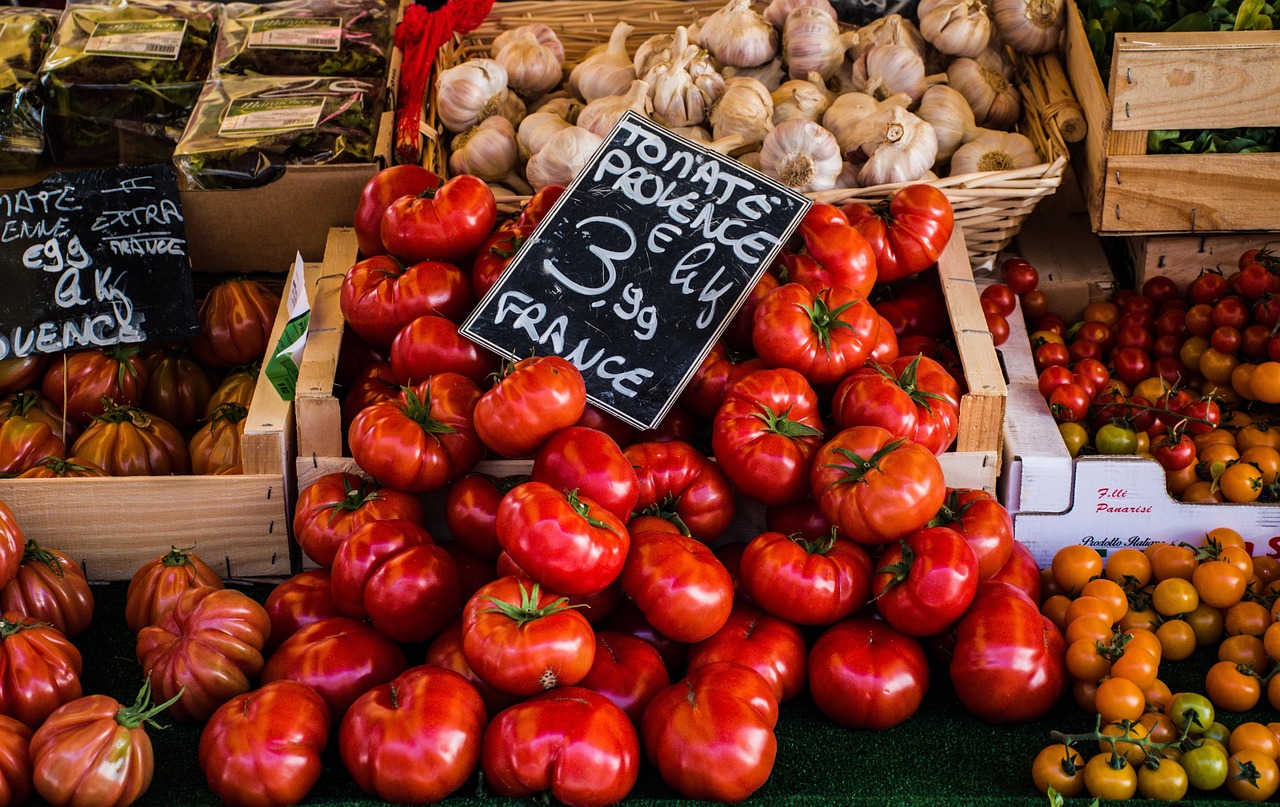
Provence – Market Tour and Provencal Cooking
Provence is about seasonal vegetables, herbs, and olive oil. A typical class starts at the morning market in Aix or Avignon, then moves to a private kitchen to prepare a multi-course meal. Expect ratatouille, pissaladière, and lavender-infused desserts.
Estimated duration: 4–6 hours
Price range: $130–$250 per person
Best for: Foodies who love fresh, simple ingredients. Good for vegetarians.
Booking tip: The market tour is a highlight. Make sure the class starts early enough to catch vendors at their peak (9 AM or earlier).
Bordeaux – Wine and Food Pairing
Bordeaux classes blend cooking with wine education. You’ll prepare dishes designed to pair with specific wines from the region—think duck confit with a red Bordeaux or canelé with Sauternes. Shorter sessions are common.
Estimated duration: 3–4 hours
Price range: $100–$200 per person
Best for: Wine lovers who want more than a tasting.
Booking tip: Ask if the class includes a seated wine-and-food pairing or just wine throughout.
Private vs. Group Cooking Classes: What to Gift
This is a practical split. Here’s how to decide.
Private classes: More personalized, obviously. The chef adapts the menu to the recipient’s skill level and tastes. Ideal for couples, honeymooners, or anyone marking a special occasion (birthday, anniversary). The downside: they cost 2x to 3x more than group options. In Italy, private classes start around $250 per person; in France, closer to $300.
Best for: People who value one-on-one attention and don’t want to share their chef’s focus.
Group classes: Social and budget-friendly. Group dynamics can be fun—other travelers bring energy. The class moves at a pace that accommodates mixed skill levels. Best for solo travelers or friends traveling together. The catch: less direct instruction and a fixed menu.
Best for: Adventurous eaters who enjoy meeting people and keeping costs reasonable.
My recommendation: if you know the recipient prefers small-group settings, go private. Otherwise, a well-rated group class with under 10 people offers the best middle ground.
Three Common Mistakes When Gifting a Cooking Class Abroad
- Not checking dietary restrictions or food allergies in advance. It’s easy to assume a class can substitute ingredients. For serious allergies (e.g., celiac, shellfish), many classes cannot accommodate safely. Always message the provider before booking. They’ll tell you honestly if they can handle it.
- Assuming the recipient speaks the local language. Plenty of classes market themselves as English-friendly but have limited English proficiency. Look for “English instruction” explicitly stated in the description. If it’s ambiguous, send a message. The worst outcome is a 4-hour class where they understand maybe 40% of what’s taught.
- Ignoring class location logistics. Some of the best classes are outside city centers. They require a taxi, bus, or rental car. If the recipient isn’t driving, check whether the provider offers transfers or if public transport is feasible. A class tucked away in the Tuscan hills is wonderful—until it takes an hour and two bus transfers to reach it.
What Should You Expect from a High-Quality Cooking Class Experience?
A good class follows a predictable pattern. Here’s what should happen:
- Welcome and ingredient intro: The chef explains what you’ll make and walks through the raw ingredients. Should take 10–15 minutes. If it’s longer, the class is dragging.
- Hands-on cooking (not just demo): This is the core of the experience. Every participant should be actively rolling pasta, whisking beurre blanc, or making dough. If the chef does most of the work while students watch, that’s a demo, not a class.
- Shared meal: At the end, you sit down together to eat what you’ve made. Wine or a beverage is included. This is where the class pays off—they taste their work and compare notes.
Red flags to watch for: Groups larger than 12 students (creates chaos). Rushed instruction (chef moves to the next step before everyone finishes). No recipe card or takeaway (means you have to remember everything). If the class checks these boxes, it’s worth the money.
Gift Delivery Options: Vouchers, E-Gifts, and Printed Cards
Most cooking class providers on platforms like Viator, Airbnb Experiences, or direct booking sites offer a “gift this” option. Here’s how it works:
- E-gift vouchers: You select the class or a dollar amount, enter the recipient’s email, and add a personal message. The voucher arrives immediately. Works well for last-minute gifts—no shipping delays.
- Physical gift cards: Some providers (particularly direct-booking cooking schools) will mail a printed card with a custom message. This feels more ceremonial but takes a week or more. Best if you plan ahead.
- What to include in the message: Keep it simple. Mention the city and the type of class (e.g., “pasta-making in Bologna”). Avoid over-explaining—the experience sells itself.
If the recipient is flexible with dates, an e-gift is the easier route. They can book at their convenience without your involvement.
Gear and Accessories That Complement a Cooking Class Gift
A cooking class is the main gift, but these add-ons make it feel complete:
- An apron for the class: They’ll need one. A good-quality apron is practical and gift-worthy. It’s something they can use at the class and afterward at home. For someone who likes to keep their clothes clean while cooking, a quality cooking apron is a thoughtful add-on.
- A chef’s knife: They’ll practice knife skills during the class. A decent chef’s knife (8-inch, stainless steel) is a logical follow-through. Look for a reliable and affordable option.
- An Italian espresso maker: After a pasta class, they might want a Bialetti Moka pot to keep the Italian mornings alive. Small, cheap, and dead useful.
- A French cookbook: Pair the class with a classic like Dorie Greenspan’s Around My French Table or Patricia Wells’ The French Kitchen Cookbook. It extends the learning after they’re home.
These aren’t must-haves. But if they don’t already own these basics, they’ll appreciate having them when they start cooking from the class recipes.
How to Book: What to Check Before You Click Buy
Before you finalize the purchase, run through this checklist:
- Class date availability: Is the class running on the dates the recipient will be in town? Check multiple dates. Some classes only operate a few days per week.
- Cancellation policy: Some classes are non-refundable. Others allow free rescheduling up to 24–48 hours before. If the recipient’s travel plans are tentative, prioritize flexible policies. A $20 premium for a refundable class is worth it.
- Skill level: Is the class explicitly “beginner-friendly” or “advanced”? Don’t guess—read the description. If it says “proficiency with basic knife skills required,” skip it for a novice cook.
- Booking link: Many providers on Viator and Airbnb Experiences allow direct gifting. Look for the “gift this experience” button. It handles the voucher delivery automatically.
Once you’ve verified these four points, you’re ready to buy. The rest is standard e-commerce.
Final Recommendation: Which Cooking Class Gift Experience Should You Choose?
Here’s a quick decision guide based on the recipient’s travel style:
- Best overall in Italy: A small-group pasta class in Bologna. It’s deep, hands-on, and taught where pasta culture is serious.
- Best overall in France: A half-day patisserie class in Paris. Accessible, English-friendly, and centered on baking everyone loves.
- Best splurge: A private farm cooking class in Tuscany. For someone who wants a full-day, immersive experience with wine pairings and a stunning setting.
- Best for beginners: A 3-hour pasta class in Florence. Low pressure, immediate results, and very forgiving.
- Best for wine lovers: A cooking class in Bordeaux with a wine pairing component. Merges two interests into one experience.
Your job is to match the gift to the person’s style. A veteran home cook will appreciate depth. A casual traveler wants fun and flavor. Either way, a cooking class gift experience is a gift they’ll use—not one they’ll regift. Frequent users may benefit from a kitchen notebook for recipes to capture all the new dishes they learn.
Browse the curated gift list now to find the class that fits.