10 Best Eco-Friendly Journals and Notebooks Made from Recycled Paper (2025 Buyer’s Guide)
Introduction
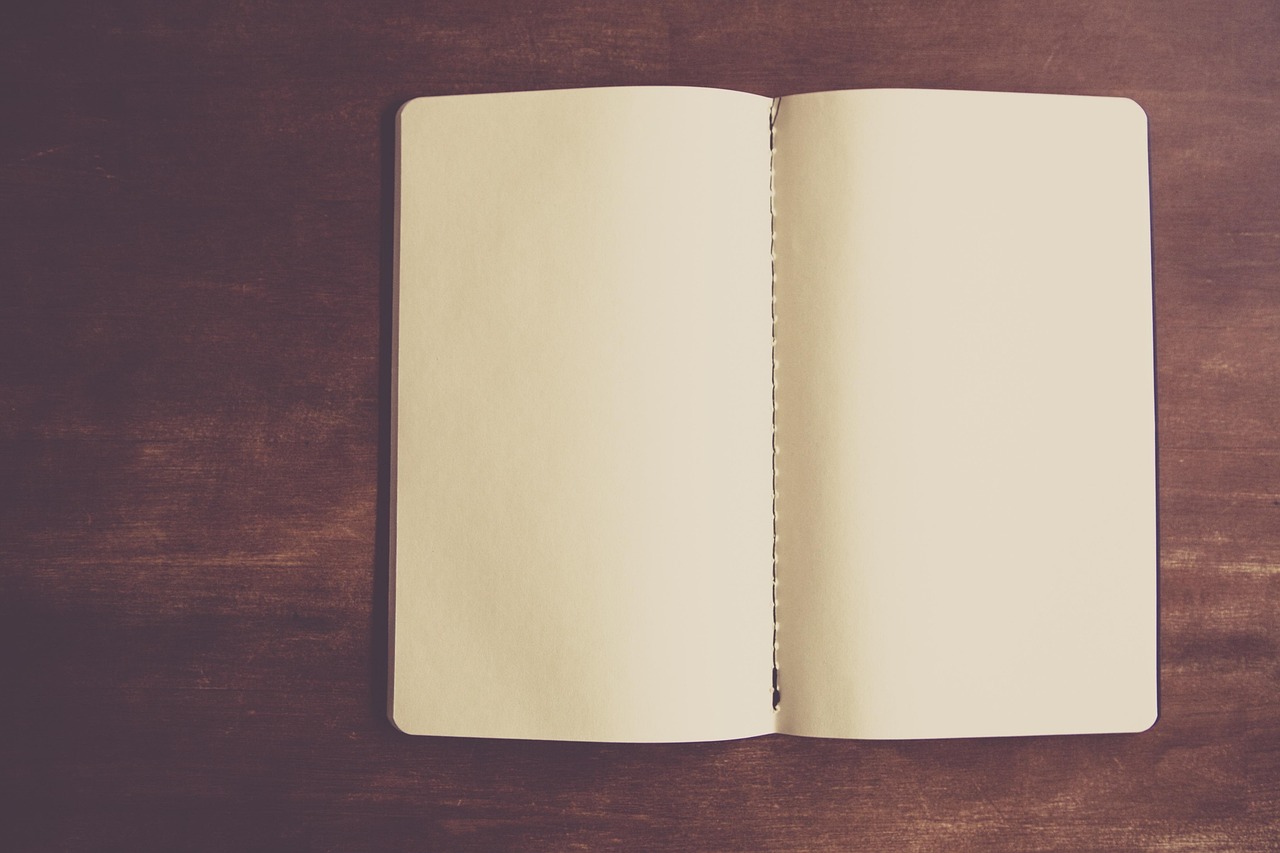
Looking for the best eco-friendly journals and notebooks made from recycled paper? You’re in the right place. Whether you’re a dedicated journal keeper, a bullet journal enthusiast, or just hunting for a thoughtful sustainable gift, this guide covers the top options right now. We’ve gone through over 30 notebooks, checking paper quality, binding durability, cover materials, and price. An eco friendly journal recycled paper is more than just a feel-good buy—it’s a practical choice that holds up well to daily use. This article walks you through our top picks, what to keep an eye on, common pitfalls, and how to pick the right one for your needs. Let’s dive in.

Why Choose a Recycled Paper Journal?
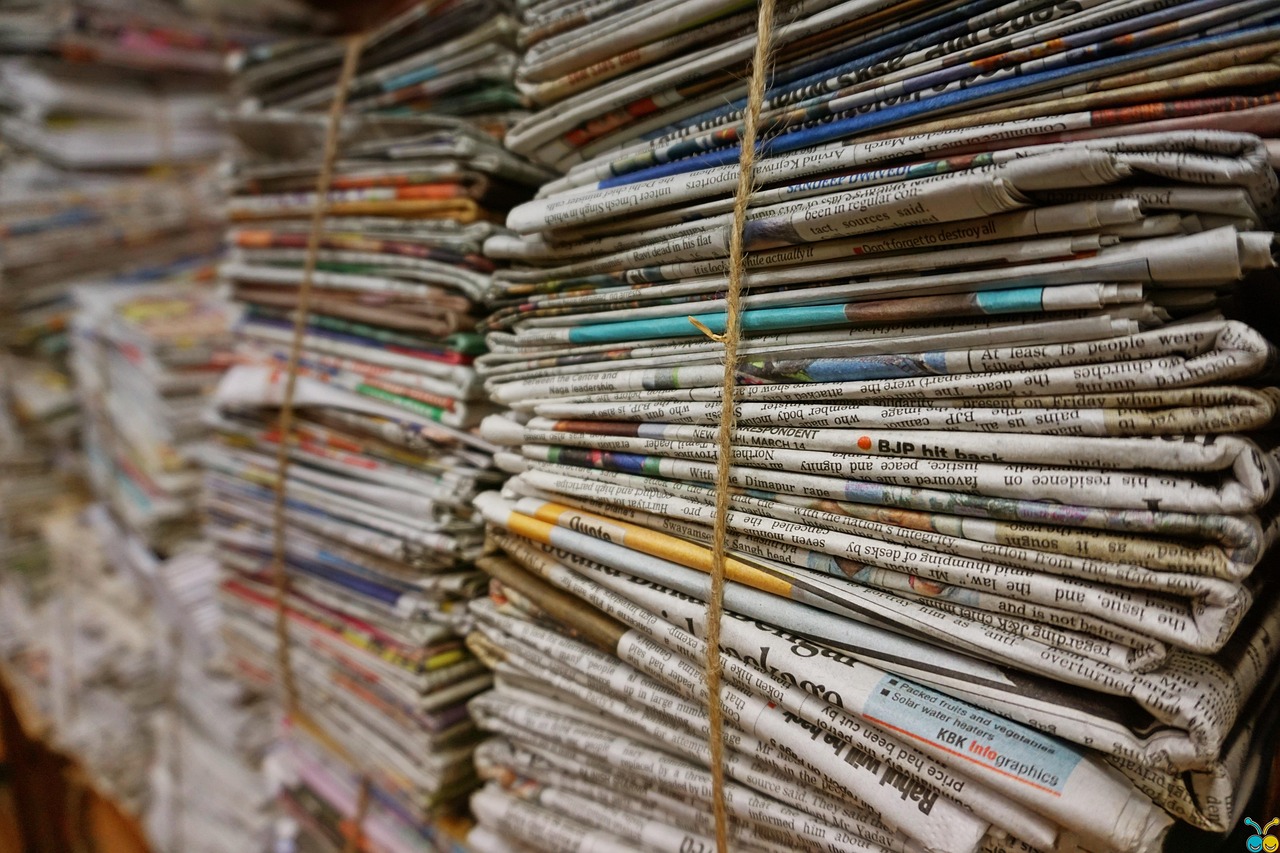
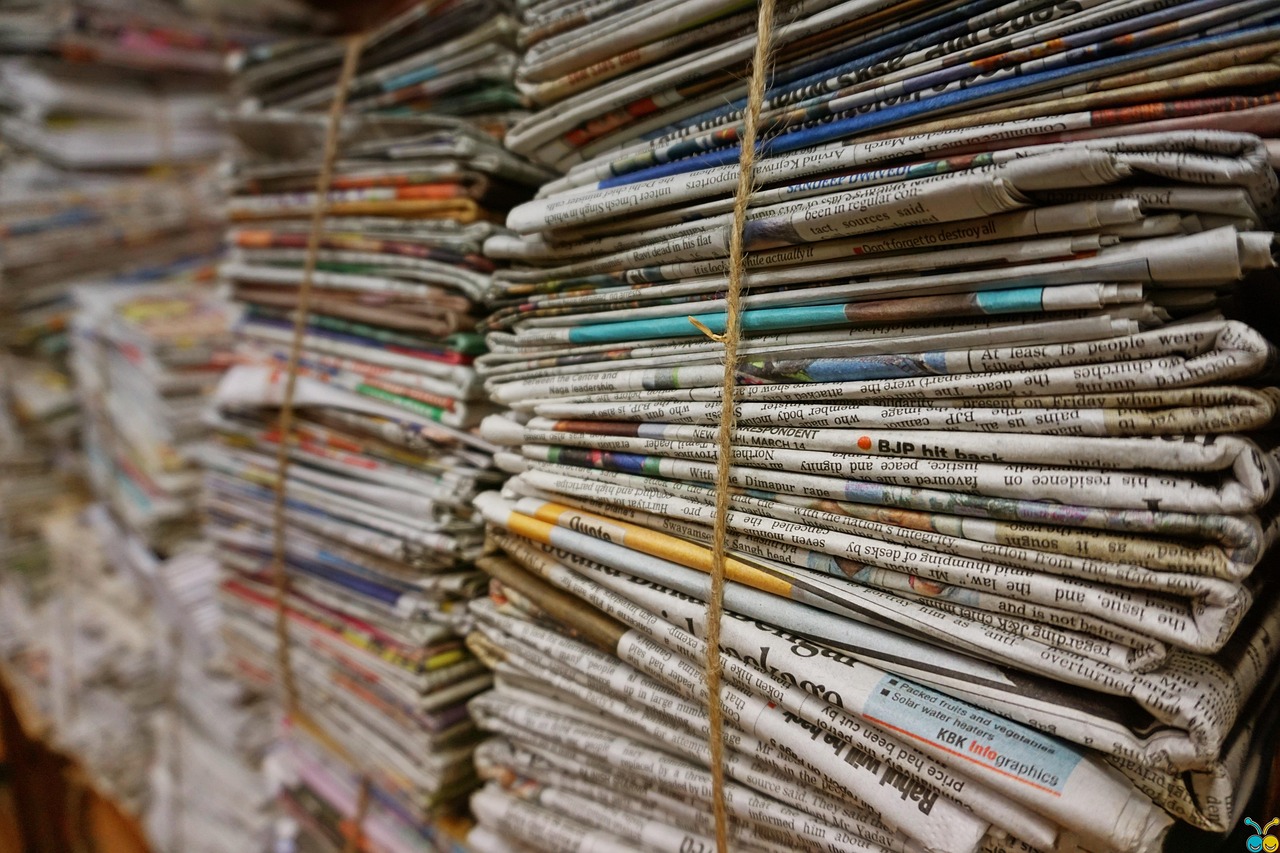
Conventional paper production takes a lot of resources—water, trees, energy. By choosing a journal made from recycled paper, you’re helping cut down on waste and the demand for virgin pulp. The feel of recycled paper is often more tactile, with a bit of character to each page. Many people find the slight flecks and off-white tone easier on the eyes during long writing sessions. And here’s the thing: recycled paper journals are just as durable as regular ones. It’s a simple way to make your everyday tools match your values without giving up quality.
What to Look for in an Eco-Friendly Journal (Buying Criteria)
Not all recycled notebooks are the same. Here are the main things to think about before you buy.
Paper Weight (GSM)
GSM stands for grams per square meter—higher numbers mean thicker paper. For daily journaling with ballpoint or gel pens, 70-80 GSM works fine. If you use fountain pens or markers, aim for 90 GSM or more to avoid bleed-through. Lighter paper is easier to carry but less forgiving with wet ink. If you tend to use wet ink a lot, consider a higher GSM recycled notebook.
Binding Type
Lay-flat binding is great for writing comfortably across the spine. Sewn binding is the most durable, while spiral binding is handy for single-page use but may not hold up as well over time. Think about whether you’ll be tossing it in a bag or keeping it on a desk.
Cover Material
Covers can be recycled cardboard, cork, or plant-based leather. Cardboard is light and cheap but not great with water. Cork is sturdy and has a natural feel. Plant-based leather looks more premium and protects better for travel. If you need something rugged for trips, a journal with a durable cover might suit you better.
Page Style
Lined pages are best for structured notes. Dotted pages are popular for bullet journaling and sketching. Blank pages give you free rein for drawing or mind maps. Go with the style that fits your main use.
Certifications
Look for FSC certification (Forest Stewardship Council) or carbon-neutral labels. These aren’t just marketing buzzwords—they confirm that materials and production meet certain environmental standards.
1. Decomposition Book — The Durable All-Rounder
This is our top pick for most people. The Decomposition Book is made from 100% post-consumer waste recycled paper. The sewn binding is solid, and the chipboard cover holds up in a bag or backpack. It comes in plenty of playful patterns, which makes it a great gift for almost anyone. The 70 GSM paper is fine for everyday pen use, but fountain pen users might notice some show-through. It’s best for daily journaling, note-taking, or as a reliable workhorse notebook. If you want a solid, no-nonsense eco-friendly journal that won’t break the bank, start here.
Decomposition Book Recycled Journal.
2. Moleskine Eco-Limited Edition Notebook
For those who want a premium feel with recycled materials, the Moleskine Eco-Limited Edition is a strong contender. Its cover is 100% recycled cardboard, and the paper is 80% recycled content. It keeps the classic Moleskine features: an elastic closure, ribbon bookmark, and expandable back pocket. The paper is smooth and nice to write on. The catch is that availability is limited, and it costs more than standard notebooks. Best for professionals who want a recognized brand for meetings or for gift-givers who care about aesthetics and brand trust.
3. Rocketbook Smart Reusable Notebook — The Eco-Tech Option
The Rocketbook is a different beast. The pages aren’t paper but synthetic, designed to be wiped clean with a damp cloth when you use a Pilot FriXion pen. This means you never have to replace a notebook again. It works with cloud services like Google Drive, Dropbox, and Evernote, making it ideal for digitizing notes. It’s not a traditional paper experience, but it’s the most sustainable option in terms of reducing waste. Best for students, tech-savvy users, and anyone who needs to organize notes digitally. The tradeoff is you need special pens, and writing on plastic doesn’t feel like paper.
4. Piccolo Books Eco-Friendly Notebooks
Piccolo Books offers a minimalist, UK-made option. Their journals use 100% recycled paper, cotton thread binding, and a kraft cover. The paper is fountain pen friendly, which is rare for recycled notebooks at this price. The overall look is raw and natural. Best for bullet journalists and people who prefer a simple, unadorned notebook. It feels well-made and substantial despite being lightweight.
5. Gibson Eco-Fusion Journal
For those who need a rugged notebook that can handle travel and outdoor use, the Gibson Eco-Fusion is a solid pick. The cover is recycled leather, offering decent protection against bumps and moisture. The paper is recycled, and the lay-flat binding makes it easy to use on the go. It comes in multiple sizes. The main downside is it’s heavier than most, so not ideal for ultralight packing. Best for travelers, field notes, and outdoor writers.
Comparison Table: Top Eco-Friendly Journals at a Glance
| Brand | Paper Recycled Content | GSM | Binding | Cover Material | Best For | Price Range |
|---|---|---|---|---|---|---|
| Decomposition Book | 100% post-consumer waste | 70 | Sewn | Chipboard | Everyday journaling | $10-$15 |
| Moleskine Eco | 80% recycled | 70 | Sewn | Recycled cardboard | Work/meetings | $20-$25 |
| Rocketbook | N/A (reusable) | N/A | Spiral | Plastic | Digital notes | $25-$35 |
| Piccolo Books | 100% recycled | 80 | Sewn (cotton thread) | Kraft | Bullet journaling | $12-$18 |
| Gibson Eco-Fusion | Recycled paper | 75 | Lay-flat | Recycled leather | Travel/outdoor | $18-$25 |
Prices are approximate and may vary.
Common Mistakes to Avoid When Buying a Recycled Paper Notebook
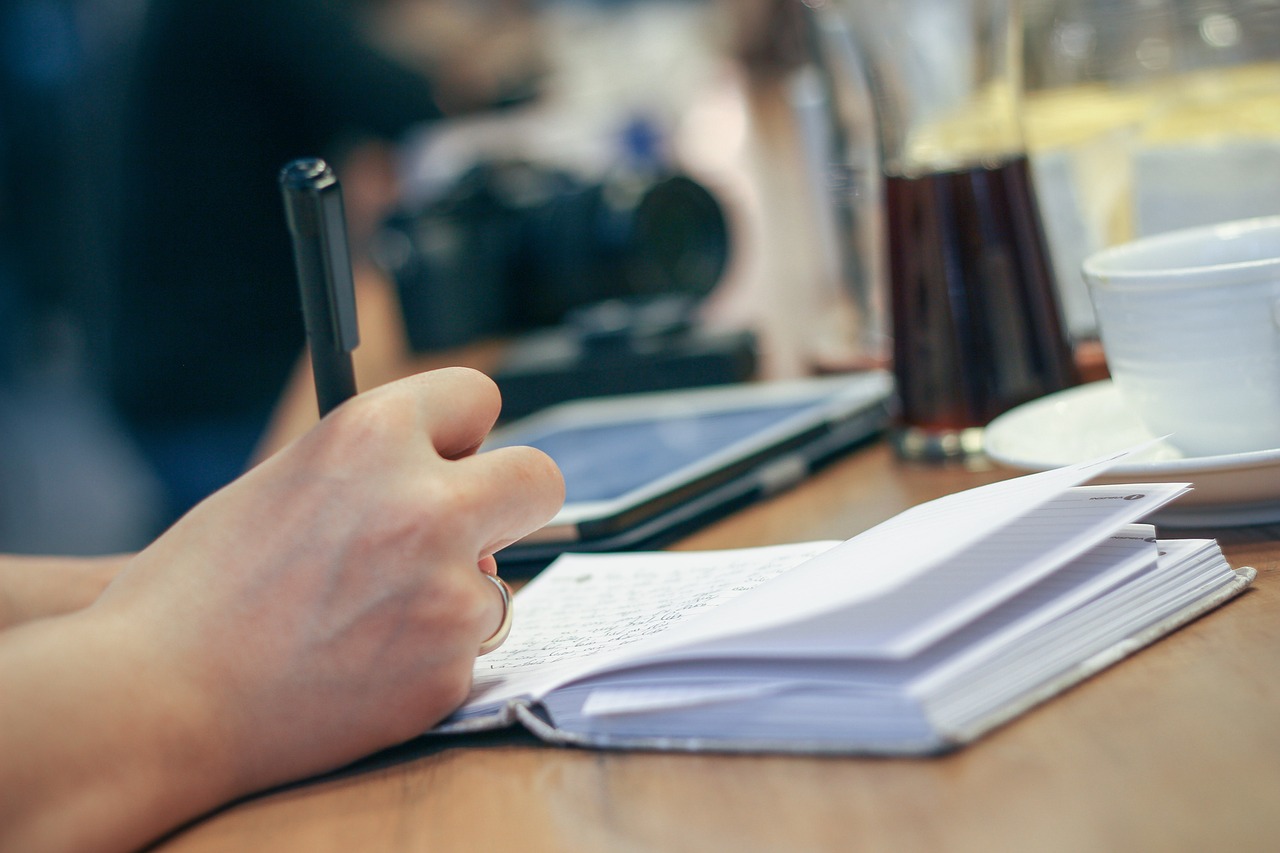
Many people assume all recycled paper is the same quality. It’s not. Some notebooks use low-grade paper that feels rough or tears easily. Always check the GSM and where the recycled content comes from. Another common mistake is ignoring paper weight when picking a pen. A fountain pen on 70 GSM paper will likely bleed through. If you use wet ink, go for 80 GSM or higher. Cover durability matters more than you might think. A thin cardboard cover might look nice, but it’ll wear out fast if you carry the notebook in a bag. Finally, don’t buy based on price alone. Some very cheap recycled notebooks fall apart after a few weeks. Spending a few extra dollars often gets you a notebook that lasts much longer. If you can, test the paper with your favorite pen before committing.
Best Eco-Friendly Journals by Use Case
If you’re still not sure, here’s a quick guide based on your main need:
- Best for daily journaling: Decomposition Book — reliable, affordable, and comes in fun covers.
- Best for work meetings: Moleskine Eco — professional look with a brand people recognize.
- Best for digital note-takers: Rocketbook — eliminates paper waste and syncs to the cloud.
- Best for artists: Piccolo Books — fountain pen friendly with a natural look.
- Best for travel: Gibson Eco-Fusion — durable cover and lay-flat binding for on-the-go use.
How to Care for Your Recycled Paper Journal
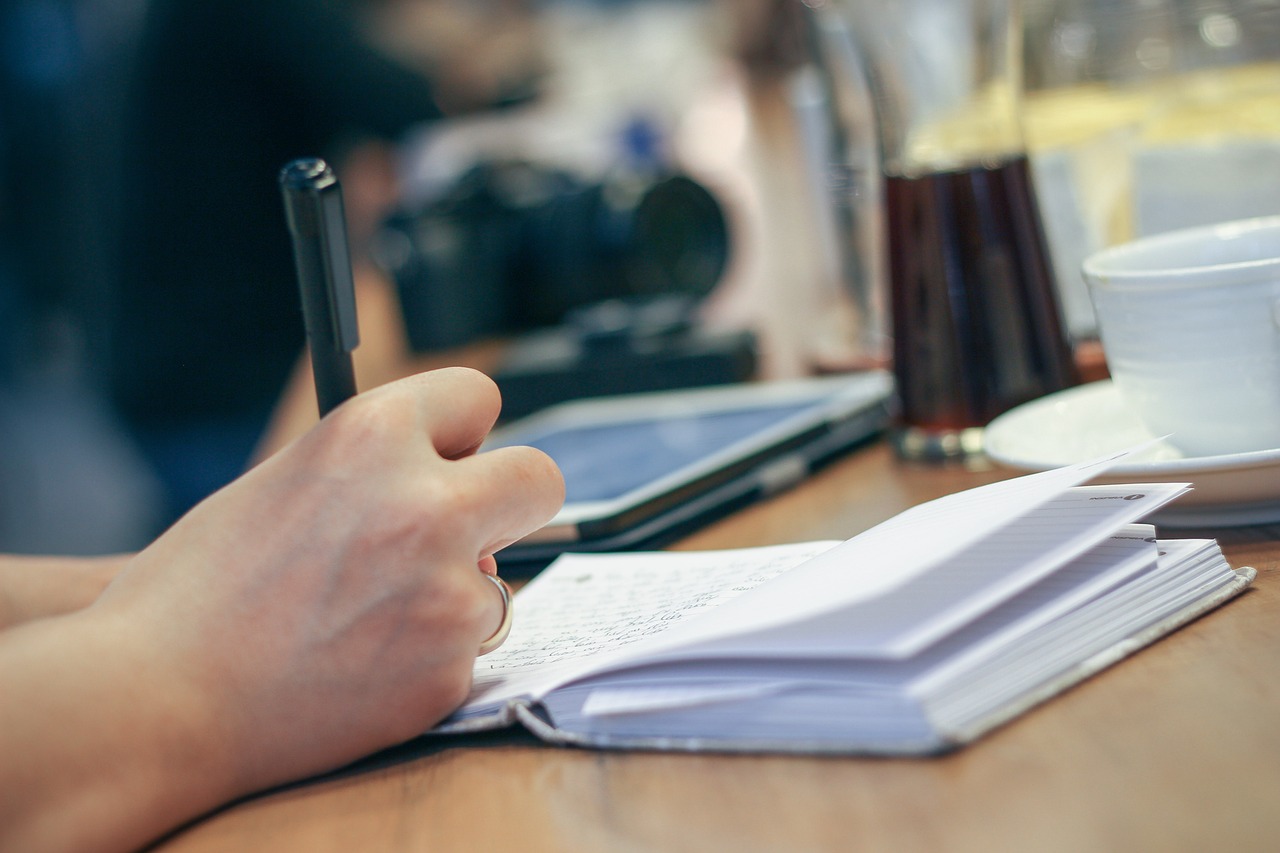
Recycled paper can be a bit more sensitive to moisture than virgin paper. Keep your journal in a dry place away from humidity to stop the pages from warping. If your pen tends to bleed, stick to ballpoint or pencil for everyday notes. For thicker ink, use a piece of blotting paper between pages. Also, try not to overstuff the back pocket if the cover is thin cardboard—it can crack the spine. With a little care, a good recycled paper journal will last through many months of use.
Affiliate Disclosure
Some of the links in this article are affiliate links. If you buy something through them, we may earn a small commission at no extra cost to you. This helps keep the site running and allows us to continue giving honest reviews. Thanks for your support.
Conclusion: Which Recycled Journal Should You Buy?
For most people, the Decomposition Book is the best all-around choice. It’s durable, affordable, and made from 100% post-consumer waste. If you want a premium feel, go with the Moleskine Eco. For digital users, the Rocketbook is hard to beat for reusability. Artists and bullet journalists will like the Piccolo Books, and travelers should check out the Gibson Eco-Fusion. Pick the one that fits your daily habits and start writing. The best notebook is the one you’ll actually use.