5 Best Eco-Friendly Yoga Mats for Sustainable Wellness Lovers
Introduction
Choosing an eco-friendly yoga mat means making a conscious decision to align your practice with your values. But “eco-friendly” covers a lot of ground, from natural rubber and cork to recycled TPE. The key is understanding the tradeoff between performance and sustainability. A mat that’s perfectly biodegradable might not offer the grip you need for a sweaty vinyasa, while a high-performance mat might use materials that aren’t fully compostable. This guide is for anyone who wants a mat that’s both good for the planet and right for their practice. We’ll break down the materials, the real-world performance, and the hidden downsides so you can make a confident, informed choice. No fluff, just the practical details you need to find your perfect match.
If you’re just starting your search, it can be helpful to browse a range of options to see what’s available. Travelers who need a portable mat might start by looking at lightweight options like a travel yoga mat to compare features.
What to Look for in an Eco Friendly Yoga Mat
Before you shop, it helps to know what you’re actually looking at. The label “eco-friendly” is not regulated, so the materials and certifications matter more than the marketing claim. Here are the key factors to keep in mind.
Material: This is the most important decision. Natural rubber is the gold standard for grip and durability, but it’s heavy and can have a strong smell. Cork is antimicrobial and renewable, but can get slippery. Recycled TPE (thermoplastic elastomer) is lighter and cheaper, but not fully biodegradable. Jute and cotton mats are also out there but often lack grip.
Certifications: Look for real labels. GOTS (Global Organic Textile Standard) for organic cotton or natural rubber. OEKO-TEX Standard 100 means the mat is free from harmful chemicals. FSC (Forest Stewardship Council) for responsibly sourced cork or rubber. These add real credibility.
Grip: How a mat performs when you push into a downward dog is non-negotiable. Natural rubber offers the best stickiness, even when wet. Cork works well for dry, stable poses. TPE can get slippery as it wears. A common mistake is assuming all natural rubber mats have the same grip; texture and density vary wildly between brands.
End-of-Life: Not all mats labeled “eco” are biodegradable. Most natural rubber mats will eventually break down, but they often contain added chemicals for color or texture. Check if the brand has a take-back program. Cork mats are typically backed with rubber, so you can’t compost them whole. Recycled TPE mats aren’t compostable at all, though some can be recycled through special programs.
The Tradeoffs: Natural Rubber vs. Cork vs. Recycled Materials
Understanding the material tradeoffs is where real-world experience meets the specs. Here’s the honest breakdown.
Natural Rubber: This is the go-to for serious practitioners. The grip is unmatched, especially once you work up a sweat. The down sides are real: the mats are heavy (usually 5–10 lbs), they have a distinct rubbery smell when new, and they can be sensitive to direct sunlight. A natural rubber mat is the best choice for anyone who practices hot yoga, vinyasa, or any flow where you need to hold poses without slipping. Just be prepared for it to do double duty as a home odor diffuser for the first week or two.
Cork: Cork is naturally antimicrobial, which makes it a great choice if you prioritize hygiene. The surface is slightly textured and comfortable for seated poses. However, cork can become surprisingly slippery when wet—not ideal for a sweaty practice. It shines in gentle yoga, meditation, or Pilates. The weight is moderate, often lighter than rubber but heavier than TPE. It looks beautiful, too.
Recycled TPE: TPE mats are the lightest and most affordable option. They’re often marketed as eco-friendly because they use recycled materials, but they are not biodegradable. They offer decent grip when new but can break down faster than natural rubber. The biggest advantage is portability: a TPE mat often weighs under 3 lbs. This makes it perfect for occasional practice, traveling light, or as a backup mat to leave at the office.
For practitioners who want a wide selection to choose from, browsing eco friendly yoga mats online can give you a sense of the different materials and price points available.
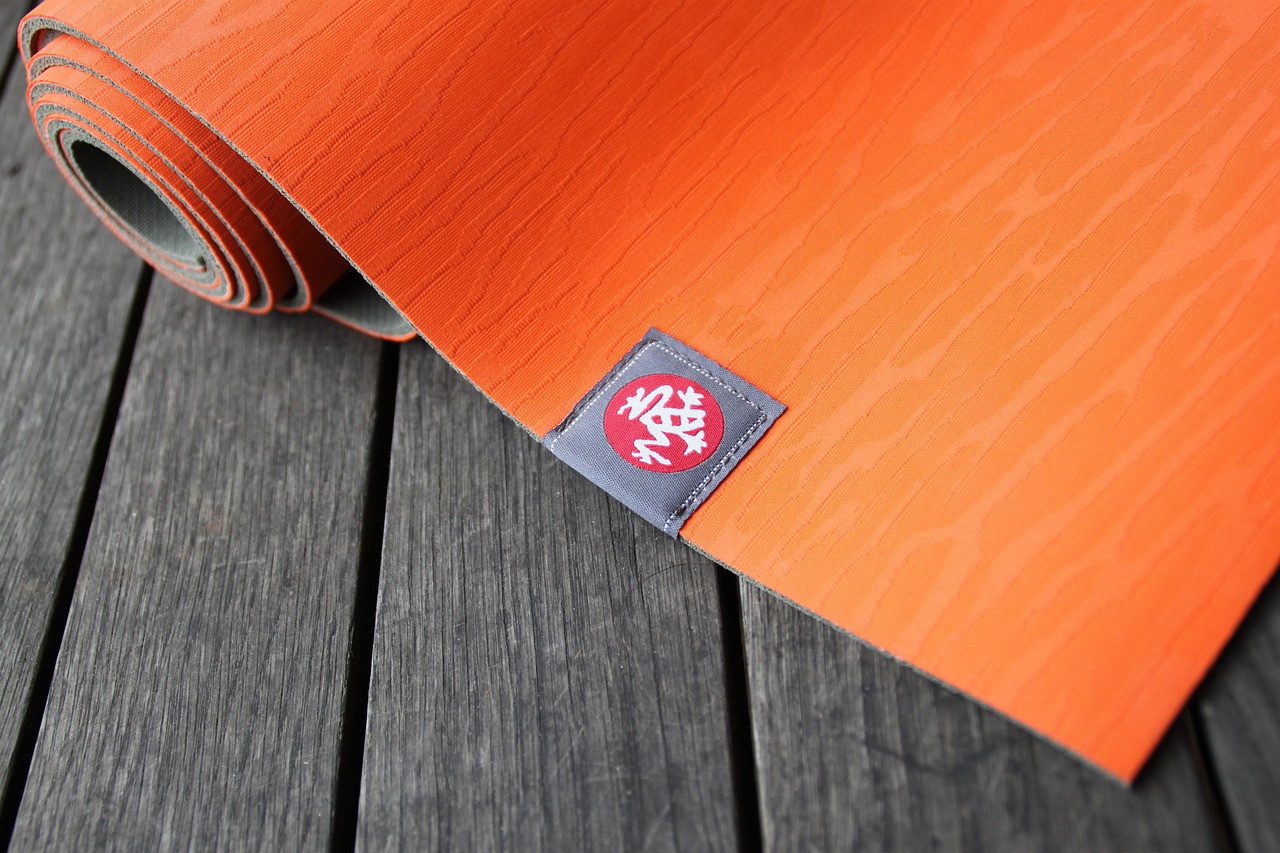
1. Manduka eKO SuperLite Travel Mat – Best for Travel & Grip
If you travel regularly and refuse to compromise on grip, the Manduka eKO SuperLite is a serious contender. At just 2mm thick, it’s incredibly lightweight and packs down small enough to fit inside a carry-on or backpack. The natural rubber construction gives you that high-traction surface that keeps you locked into your practice, even on a hotel room floor or a borrowed studio mat.
Here’s the tradeoff: 2mm means minimal padding. You’ll feel every hardwood floor joint and stone. This mat is not for restorative or yin yoga where you hold poses for minutes. It’s best layered over a studio mat for hygiene, or used directly on carpet. The grip, however, is phenomenal. Many users report it’s the only travel mat that doesn’t turn into a slip-n-slide in a hot class.
One consistent complaint is the strong rubber smell when you first unroll it. This is normal for natural rubber, but it can linger longer than you’d like if you don’t air it out for a few days. Who should buy this: frequent travelers, hot yoga practitioners, and anyone who wants a no-slip surface on the go. Avoid if you need cushion or have sensitive knees.
2. JadeYoga Harmony Mat – Best All-Rounder for Durability
The JadeYoga Harmony is a classic for a reason. Made from open-cell natural rubber, it offers exceptional grip that actually improves as you sweat. The 5mm thickness strikes a nice balance: enough cushion for your sensitive spots without sacrificing ground feel. This is the mat you can use for everything from power vinyasa to yin, and it will still look great after a year of daily practice.
What sets JadeYoga apart is their tree-planting program. For every mat sold, they plant a tree. It’s a tangible, measurable impact that adds real value to the purchase. Durability-wise, this mat holds up well. The open-cell construction means it absorbs moisture, which gives that grip but also means it can get a bit damp during long sessions. It’s also on the heavier side, around 7 lbs, so it’s not ideal for carrying across town every day.
The biggest caveat is the smell. Because it’s raw natural rubber, the odor is strong and can take up to two weeks to fully dissipate. If you’re sensitive to smells, this might not be the mat for you. Otherwise, it’s the most reliable all-rounder on the market.
3. Scoria Natural Rubber Yoga Mat – Best for Extra Cushioning
For practitioners who need more joint support, the Scoria Natural Rubber Mat is a strong option. At 6mm thick, it offers noticeably more cushion than the JadeYoga or Manduka. The surface has a unique textured pattern that provides added grip, especially for downward dog and standing poses. It’s built from FSC-certified natural rubber, so you know the sourcing is responsible.
The extra thickness makes this mat a go-to for beginners who are still building strength, or for anyone with knee, wrist, or hip sensitivity. It’s excellent for yin and restorative practices where you’re holding poses for extended time. The downside? The texture can feel a bit rough during fast-paced flows, especially on your hands and feet if you’re not used to it. Some users find it almost too grippy.
On price, Scoria sits slightly below JadeYoga, making it a better value if cushioning is your priority. It’s still a heavy mat, but the comfort tradeoff is worth it. Best for: beginners, yin/restorative practitioners, and anyone who practices on hard floors without a rug.
4. Corkor Cork Yoga Mat – Best Antimicrobial Option
If hygiene is your top concern, a cork yoga mat is a compelling choice. Cork is naturally antimicrobial and hypoallergenic, meaning it resists bacteria and mold without any chemical treatments. The Corkor mat combines a top layer of sustainably harvested cork with a natural rubber base. The result is a mat that feels clean and comfortable for gentle practices.
The cork surface is smooth and slightly warm to the touch, making it very pleasant for seated and prone poses. It’s also surprisingly lightweight for its size, at around 5 lbs. Where this mat falls short is wet grip. If you tend to sweat heavily, cork becomes slick very quickly. This is not the mat for hot yoga or fast-paced vinyasa. It shines in practice styles that generate less heat: hatha, gentle yoga, meditation, and Pilates.
One practical note: cork mats require a different kind of care. You should never submerge or soak them. A simple wipe-down with a damp cloth and mild soap is all you need. Over time, the cork will develop a beautiful patina, but it won’t look brand new forever. Best for: people who prioritize a clean, natural surface and don’t mind a dry practice.
5. Gaiam Restore Recycled TPE Mat – Best Budget-Friendly Option
Not everyone can drop $80+ on a yoga mat. The Gaiam Restore is a solid entry-level option made from recycled TPE. It’s priced under $50, often closer to $30 on sale, making it accessible for beginners or as a spare mat for guests. It’s lightweight, around 3 lbs, and comes in a variety of colors.
The grip is decent when the mat is new, but it’s noticeably less sticky than natural rubber. Over time, the surface can become slippery, especially in the middle where you place your hands and feet most often. This mat will last a year or so with regular use—less than a natural rubber mat, but more than you might expect at this price point.
The biggest asterisk: TPE is not biodegradable. While it’s made from recycled materials, the end-of-life options are limited. It can be recycled through some specialty programs, but most will go to landfill. If you’re on a tight budget, this is a fair tradeoff. If you can stretch a bit, the longevity and performance of a natural rubber mat are hard to beat. Best for: occasional practitioners, budget-conscious beginners, and anyone who needs a lightweight mat for quick sessions.
Eco Friendly Yoga Mat Comparison Table
A quick look at the core specs side-by-side:
- Manduka eKO SuperLite: Natural rubber | 2mm | 2 lbs | $45-$55 | Best for travel & grip | Con: very thin, no cushion.
- JadeYoga Harmony: Natural rubber | 5mm | 7 lbs | $80-$95 | Best all-rounder | Con: strong smell, heavy.
- Scoria Natural Rubber: FSC rubber | 6mm | 6.5 lbs | $70-$85 | Best for cushioning | Con: texture can be rough.
- Corkor Cork Mat: Cork + natural rubber | 4mm | 5 lbs | $70-$90 | Best for hygiene | Con: slippery when sweaty.
- Gaiam Restore: Recycled TPE | 5mm | 3 lbs | $30-$45 | Best budget option | Con: less durable, not biodegradable.
Common Mistakes When Buying an Eco Friendly Yoga Mat
Even experienced practitioners make these errors. Here’s what to watch out for.
1. Assuming all natural rubber is the same. The grip, smell, and durability vary significantly between brands. A cheap rubber mat might be rock hard and smell for months. The quality is in the formulation.
2. Ignoring the smell factor. Natural rubber mats off-gas. For some people, the smell is mild and fades quickly. For others, it’s overwhelming. Always check reviews specifically for “smell” if you’re sensitive.
3. Choosing based on eco-label alone. A mat can be made of recycled materials and have terrible grip. Or it can be biodegradable but wear out in three months. Don’t buy a mat on principle without checking real-world performance.
4. Picking the wrong thickness. A 2mm mat on concrete is miserable for your knees. A 6mm mat in a hot yoga class can make balance poses harder. Match the thickness to your practice style and floor surface.
5. Ignoring end-of-life reality. Most mats, even eco-friendly ones, end up in landfill. Some brands have take-back programs. Check before you buy. If compostable is your goal, you need 100% natural rubber with no additives.
How to Care for Your Eco Friendly Yoga Mat to Make It Last
A good eco-friendly mat is an investment. Simple care will extend its life significantly.
Cleaning: Mix a few drops of mild dish soap with water. Spray on a cloth, not directly on the mat, and wipe down. Never put a natural rubber mat in the washing machine or submerge it. That will destroy the material and cause delamination. For those who want to keep their mat in top condition, a yoga mat cleaner spray can simplify the process.
Drying: Air dry your mat flat or hang it over a shower rod. Direct sunlight will degrade rubber and cork, so keep it out of the sun. Always let it dry completely before rolling it up to prevent mold and mildew.
Rolling: Roll your mat with the practice surface facing out. This prevents the edges from curling over time and keeps the mat flat when you unroll it.
Storage: Keep it in a cool, dry place. If you store it in a hot car, the rubber can break down faster. A mat bag helps protect it when you travel.
Airing out: After a sweaty practice, give your mat some air before storing. A quick hang for 10 minutes can make a difference in preventing odors and bacterial growth.
Final Thoughts: Which Eco Friendly Yoga Mat Should You Choose?
No single mat is perfect for everyone. The right one depends entirely on your priority. If you travel frequently and need grip, the Manduka eKO SuperLite is unmatched. If you want a durable, all-around performer that supports a good cause, the JadeYoga Harmony is hard to beat. Need extra cushion for your joints? The Scoria Natural Rubber delivers. Want a clean, antimicrobial surface for slower practices? The Corkor cork mat is ideal. And if budget is your first concern, the Gaiam Restore offers solid value for the price.
The core takeaway is this: don’t compromise on the feature that matters most for your practice. If you need grip, prioritize rubber. If you need a mat to last years, invest in quality natural rubber. If you need a clean surface, go cork. This is your practice, and your mat should support it, not fight it. Check current prices on your top choice and make the call. Your body and the planet will thank you.