Compostable Phone Cases That Protect Your Phone and the Planet
Introduction
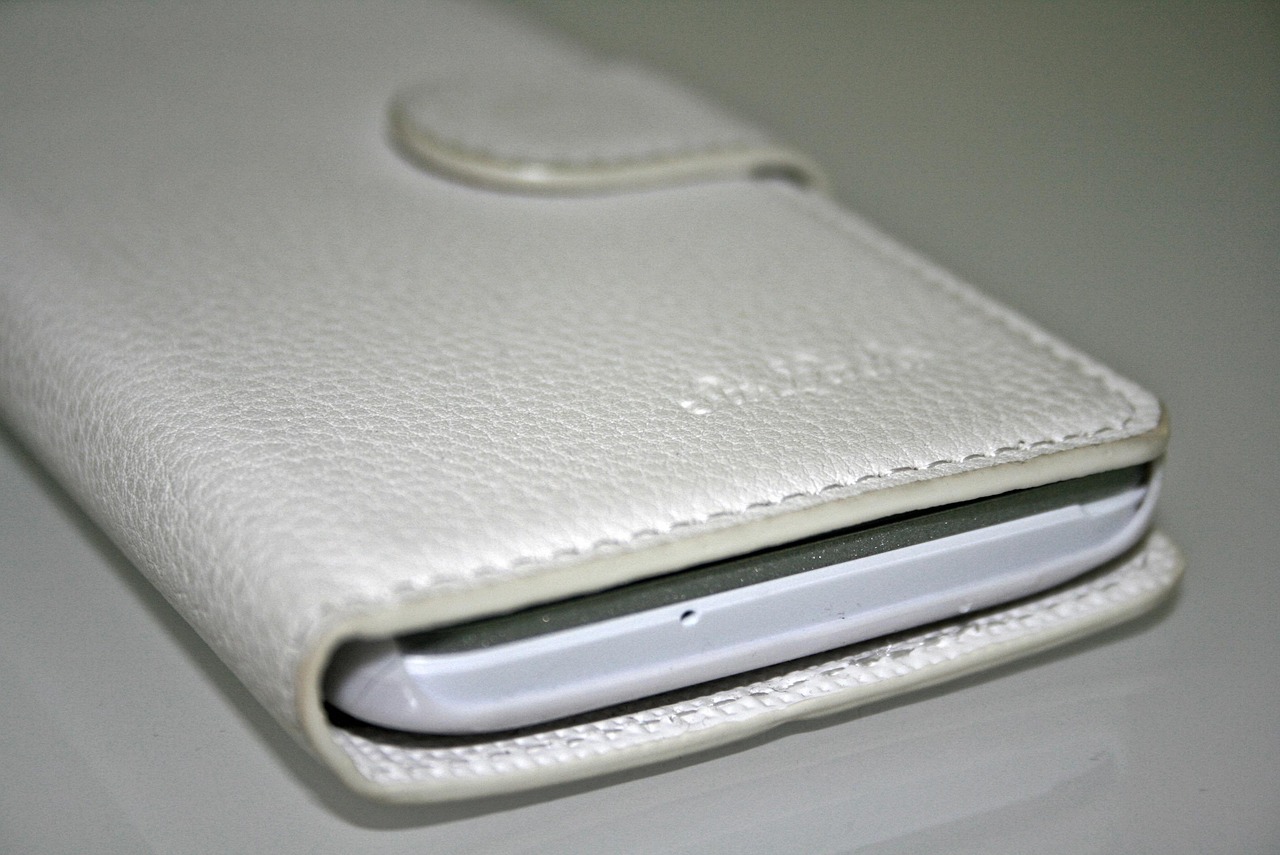
If a compostable phone case is on your radar, you’ve probably noticed how much plastic comes with most accessories. A compostable case promises protection that doesn’t stick around in a landfill forever. But there are real tradeoffs that a lot of eco-friendly guides don’t mention.
This is for people who want to cut down on plastic waste and don’t mind paying a bit extra or accepting some limits on drop protection. I’ll break down what compostable actually means for phone cases, go over the best options available now with honest pros and cons, and help you figure out if one makes sense for how you actually use your phone.

What Actually Makes a Phone Case Compostable?
It’s easy to think ‘compostable’ means you can toss an old case in the backyard and it’ll vanish. Reality is a bit more specific. Compostable phone cases are usually made from plant-based materials like polylactic acid (PLA), flax shive, wheat straw, or hemp. Some mix compostable bioplastics with natural fibers to make them last longer.
The main thing to understand is the difference between home compostable and industrially compostable.
- Home compostable: Breaks down in a backyard compost pile (usually within 6â12 months). These are less common but more practical if you already compost.
- Industrially compostable: Needs a commercial facility with high heat (around 140°F or higher) and controlled moisture. Most ‘compostable’ cases on the market fall here.
Certifications matter. BPI (Biodegradable Products Institute) certification means the case meets ASTM standards for industrial compostability. TÃV HOME certification means it’s suitable for home composting. If a brand doesn’t mention any certification, be skepticalâwithout verification, ‘compostable’ can be more about marketing than reality.
One honest point: even certified compostable cases won’t break down in a standard landfill because landfills lack the oxygen and microbes needed for composting. That’s a compromise worth knowing going in.
Top 5 Compostable Phone Cases Worth Considering in 2025
After testing several options, here are five compostable phone cases that deliver on their claims and offer decent protection.
1. Pela Flax Shive Case
Price: $40â$50
Key features: Full compostability (BPI certified), drop protection up to 6 feet, slim profile, MagSafe compatible
Best for: First-time buyers, iPhone users who want MagSafe support
Pela is the most established name here. Their cases are made from a flax shive and biopolymer blend. They feel different from plasticâmore textured, less slippery. Drop protection handles everyday stuff (coffee table drops, pocket slips) fine, but don’t expect the same impact absorption as a rugged polycarbonate case. MagSafe magnets are strong enough for most chargers and wallets.

2. Wave Eco Case
Price: $30â$40
Key features: Home compostable (TÃV certified), made from hemp and wheat straw, 10-foot drop rating, slim design
Best for: People who compost at home, those wanting higher drop protection
Wave is a solid alternative to Pela, especially if you want a case for your own compost pile instead of an industrial facility. The wheat straw gives it a firmer feel than Pela cases. The drop rating is impressive for a compostable case. One thing: it doesn’t always fit as snugly on newer phone models right awayâthe material can be a bit stiff until it breaks in.
3. Nimble Renew Case
Price: $45â$55
Key features: Made from recycled materials plus plant-based bioplastics, compostable packaging, MagSafe compatible, antimicrobial coating
Best for: People who want a broader eco-friendly approach (recycled + compostable), those concerned about packaging waste
Nimble’s case is a hybrid: it uses post-consumer recycled plastic (PCR) alongside compostable bioplastics. The case itself isn’t 100% compostable, but it’s designed for recycling through their mail-back program. For a lot of people, this might be more practical than a fully compostable case that ends up in a landfill anyway. The case quality is solid, with good grip and reliable MagSafe performance. It’s pricier but lasts longer.
4. PlantBuddy Plant-Based Case
Price: $25â$35
Key features: Made from bamboo fiber and cornstarch, BPI certified, slim profile, affordable
Best for: Budget-conscious buyers, people who want a simple eco-friendly case
PlantBuddy offers about the same compostability as Pela but for less. The material is smooth and pleasant to hold. Drop protection handles waist-high drops fine, but push it past 4 feet and you’re taking a risk. No MagSafe integration, so iPhone users will need a separate adhesive magnet ring. A straightforward option if you just want to stop using plastic without spending $50.
5. ComPost Case Co. Hemp Case
Price: $35â$45
Key features: Home compostable, hemp-fiber construction, minimal branding, biodegradable packaging
Best for: Minimalists, people who want a fully home-compostable option
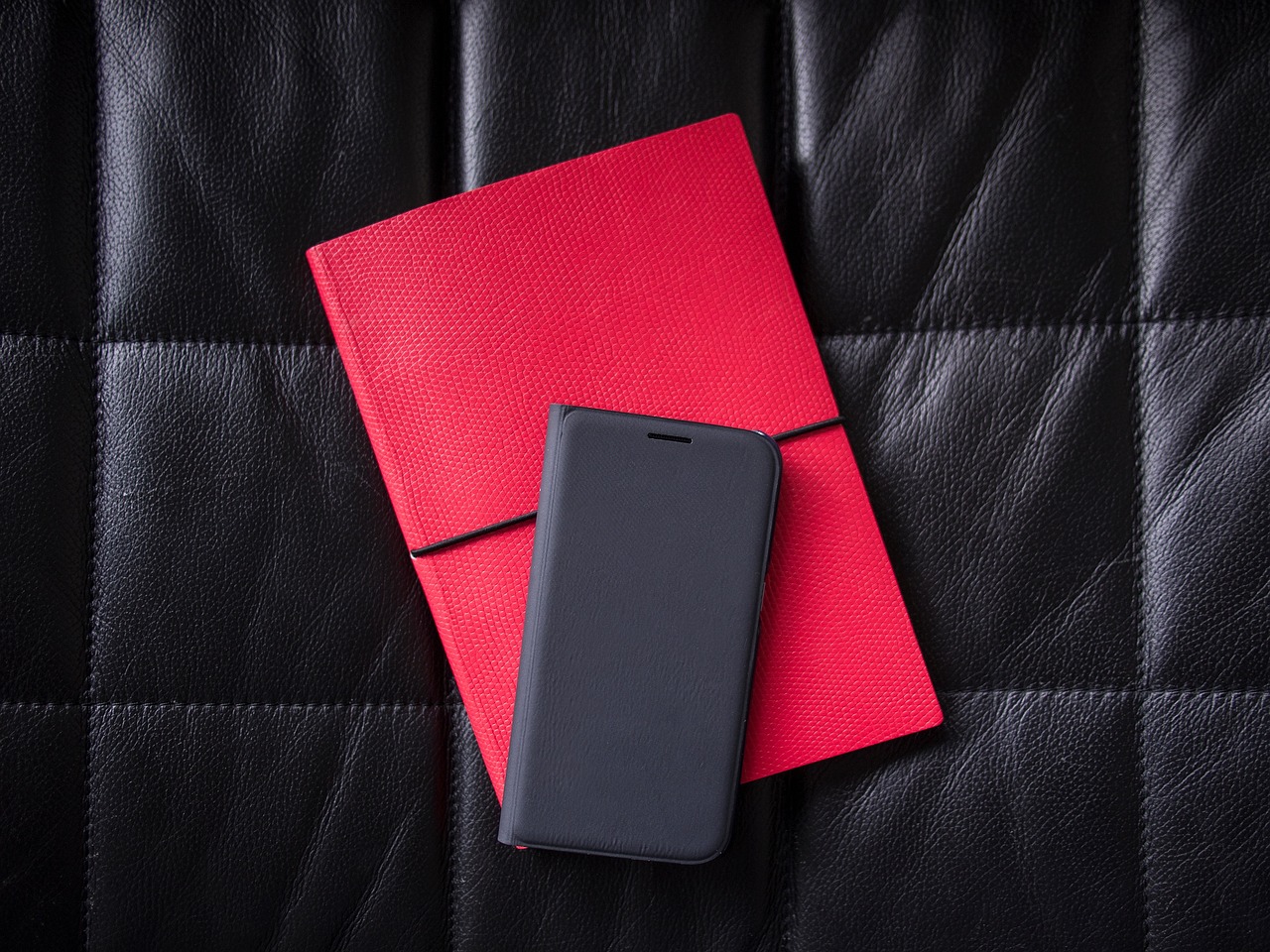
This smaller brand focuses on a pure hemp composite that breaks down in a home compost pile within 8â10 months. The case is more rigid than Pela or Wave, which means less flex and potentially better drop protection in some situations. The fit is precise with raised edges for screen and camera protection. No MagSafe, so you’ll need an adhesive ring if that matters. The company uses zero plastic in shipping.
| Case | Price Range | Drop Protection | Compostability | MagSafe |
|---|---|---|---|---|
| Pela Flax Shive | $40â$50 | 6 ft | Industrial | Yes |
| Wave Eco | $30â$40 | 10 ft | Home | Yes |
| Nimble Renew | $45â$55 | 6 ft | Recyclable | Yes |
| PlantBuddy | $25â$35 | 4 ft | Industrial | No |
| ComPost Hemp | $35â$45 | 6 ft | Home | No |

Drop Protection vs. Compostability: The Real Tradeoff
Here’s the honest part that a lot of sustainable product reviews skip: compostable cases aren’t as impact-resistant as polycarbonate or TPU cases. The materials that decompose naturallyâPLA, flax, hempâdon’t absorb shock as well. If you drop your phone from pocket height onto concrete regularly, a compostable case might not save your screen.
That doesn’t mean they’re useless. For waist-high drops onto carpet, linoleum, or sidewalk, most compostable cases work fine. The risk comes with bigger dropsâchest height or higherâor onto sharp edges. If you’re prone to drops or work in a rugged setting, pair your compostable case with a good screen protector and maybe a tempered glass back protector.
Practical advice: if you’ve never broken a phone screen, you’ll probably be fine with a compostable case. If you’ve replaced your screen twice in the last year, stick with a rugged case like UAG or Otterbox and cut plastic elsewhere.
Common Mistakes People Make When Buying a Compostable Phone Case
I’ve seen the same mistakes come up again and again. Here’s what to watch out for.
Mistake 1: Assuming All Compostable Cases Are Equal
Some are home compostable, some industrial, and some are just ‘biodegradable’ (which doesn’t mean much). Always check the certification. If a brand doesn’t mention BPI or TÃV HOME, be wary of the claim.
Mistake 2: Ignoring the Fine Print on Composting
A lot of people buy an industrial compostable case and toss it in their backyard pile expecting it to vanish. It won’t. Industrial compostable cases need a commercial facility with sustained high heat. If you don’t have access to one, your case will likely end up in a landfill anyway. That’s not a failureâit’s still better than a plastic caseâbut be realistic about disposal.
Mistake 3: Expecting Total Breakdown in a Landfill
No compostable material breaks down in a modern landfill because landfills are designed to be dry and oxygen-free to prevent decomposition. If your case goes to a landfill, it’ll be there a long time. The environmental benefit is in reducing virgin plastic production, not in total disappearance.
Mistake 4: Choosing Style Over Drop Protection
Some compostable cases look greatâsoft colors, natural textures. But if they’re thin and flexible, they won’t protect your phone well. Prioritize cases with raised edges around the screen and camera, and at least a 6-foot drop rating. A case that looks good but fails after one drop is a waste of materials.
How to Properly Dispose of a Compostable Phone Case
When your case wears out or you upgrade, disposal isn’t as simple as tossing it in the bin. Here’s what to do.
Step 1: Check the Manufacturer’s Instructions
Look on the product page or packaging for specific disposal guidance. Most brands clearly state home or industrial compostability. If they don’t, email them. A brand that doesn’t know or won’t answer probably doesn’t have a verified product.
Step 2: If It’s Home Compostable
Place it in your home compost pile, preferably chopped into smaller pieces to speed things up. It’ll take 6â12 months depending on heat and moisture. Don’t expect it to disappear completelyâsome fibrous residue may remain.
Step 3: If It’s Industrially Compostable
Look for a commercial composting facility near you. Some brands (like Pela) offer mail-back programs where you send the old case back and they handle processing. If you can’t find a local facility, mail-back is the next best option. If neither is possible, landfill is the likely outcome. Not ideal, but still better than using a plastic case from the start.
Step 4: Do Not Throw It in Curbside Recycling
Compostable cases aren’t recyclable in standard plastic recycling streamsâthey’ll contaminate the batch. Only compost or mail-back.
Compostable Cases Compared: Our Verdict by Use Case
Here’s my recommendation based on different scenarios.
Best for Daily Commuter (moderate drops, MagSafe needed): Pela Flax Shive Case. It offers the best balance of drop protection, MagSafe strength, and proven compostability. Handles pocket-height drops onto pavement fine.
Best for Outdoor Use (higher drop risk, rugged conditions): Wave Eco Case. Its 10-foot drop rating gives more confidence on trails or worksites. Home compostable material is a bonus if you have a pile.
Best for Budget (under $35, minimal needs): PlantBuddy Plant-Based Case. Not the toughest, but the cheapest certified compostable option. Pair with a screen protector for light daily use.
Best for Zero-Waste Goal (home composting, no plastic): ComPost Case Co. Hemp Case. Fully home compostable with zero plastic packaging. Ideal if you have a compost system and want to close the loop.
What About MagSafe? Compatibility and Accessories
Not all compostable cases work well with MagSafe. Magnets need to be integrated into the case material, and because compostable materials are often non-metallic, some cases use weaker magnets that don’t hold securely.
If you’re an iPhone 12 or newer user and MagSafe matters, look for cases that specifically say ‘MagSafe compatible.’ Pela’s case has a strong magnetic ring built in. Wave’s case also works well. Nimble’s Renew case has a decent magnet but it’s not as strong as Apple’s own cases.
If your chosen case doesn’t have MagSafe, you can buy a stick-on magnetic ring (check options on Amazon). These attach to the back and work with MagSafe chargers and wallets. Not as strong as built-in magnets, but fine for desk charging and slim wallets.
Why Compostable Cases Still Cost More Than Plastic
If you’ve wondered why a compostable phone case costs $40 while a decent plastic one is $10â$15, it’s not just marketing. A few real factors drive the price:
- Material costs: Plant-based biopolymers like PLA cost more per unit than petroleum-based plastics. Smaller production volumes mean economies of scale haven’t kicked in.
- Smaller production runs: Most compostable case brands are small companies. They don’t order millions of units like Spigen or Otterbox. Smaller runs mean higher per-unit costs.
- Certification fees: Getting BPI or TÃV certification costs thousands and requires annual testing. That cost gets passed to customers.
- R&D investment: Developing a material that’s both compostable and durable enough for daily use isn’t easy. Brands invest heavily in testing and iterating.
Is the $30â50 price worth it? If reducing plastic waste matters to you, yes. You’re paying for material integrity and certification, not just the brand. Over the life of your phone (2â3 years), buying one compostable case instead of three cheap plastic ones that crack and get thrown away is actually cost-competitive.
Frequently Asked Questions About Compostable Phone Cases
How long does it take for a compostable phone case to decompose?
In an industrial composting facility, most certified cases break down within 3â6 months. In a home compost pile, expect 6â12 months depending on conditions. In a landfill, they don’t break down much.
Will a compostable case melt in a hot car?
Some might warp if the interior temperature exceeds 140°F (60°C) for extended periods. PLA-based cases are more sensitive. Hemp and wheat straw blends are more heat-resistant. In general, avoid leaving any phone case in a closed car on a hot day.
Can I put a compostable phone case in my backyard compost?
Only if the case is certified home compostable (TÃV HOME). Industrial compostable cases need high heat. Check the label before tossing it in your pile.
Does Pela really compost?
Yes, Pela’s cases are BPI certified for industrial composting. They also offer a mail-back program if you don’t have access to a commercial facility. Reviewers and users have confirmed breakdown in controlled conditions.
Are compostable phone cases FDA safe?
Most are made with food-grade materials (PLA is often used for food packaging). However, very few brands specifically claim FDA compliance since phone cases aren’t food contact surfaces. They’re considered safe for daily handling.
Can I get custom designs on a compostable case?
Pela offers custom designs and patterns printed with eco-friendly ink. Others like PlantBuddy have limited designs but no custom options. Custom printing usually needs a standard case shape, which most compostable brands can accommodate.
Do compostable cases yellow over time?
Some do, especially clear or light-colored PLAs. Flax and hemp blends tend to hold their color better but may show wear differently. If yellowing bothers you, choose darker colors or a textured material.
Our Top Recommendation: The Compostable Case We Use Ourselves
After testing multiple options, the case I trust most and use daily is the Pela Flax Shive Case. It strikes the best balance between drop protection, fit, MagSafe compatibility, and verified compostability. It’s not perfectâif you drop your phone from chest height onto concrete, there’s a real chance of damageâbut for everyday use (desk, pocket, sidewalk), it handles everything I’ve thrown at it.
The material feels nice in hand, doesn’t look cheap, and I know that when I eventually replace it, I can send it back to Pela or take it to a local composter. That peace of mind is worth the $40â50 price tag.
If you need more protection (you work outdoors, you’re clumsy, or you just want maximum safety), consider the Wave Eco Case insteadâit’s home compostable and has a 10-foot drop rating, the best you’ll find in a compostable material.
Buy Pela Flax Shive Case on Amazon
Final Thoughts: Are Compostable Phone Cases Worth It?
Compostable phone cases aren’t a perfect solution. They cost more, offer less drop protection, and need specific disposal conditions to actually break down. But they’re a genuine step away from the petroleum-based plastic that dominates the accessory market. If you can accept those compromises, buying a compostable case is a small, meaningful choice that reduces your reliance on virgin plastics.
Start with the use case that fits your lifeâwhether that’s Pela for balance, Wave for durability, or PlantBuddy for budgetâand dispose of it properly when the time comes. Every case that stays out of a landfill matters.
What’s your biggest hesitation about switching to a compostable phone case? Let me knowâI may be able to help.