Handmade Wooden Toys That Kids Will Actually Play With
Why Most Wooden Toys Collect Dust â and How to Avoid That
Itâs a familiar scene. A beautifully crafted wooden toy arrives, placed carefully on a shelf, admired by adults, and largely ignored by the child. The problem isnât wooden toys. Itâs selecting toys that look good in a room rather than ones that invite genuine, hands-on play.
The biggest mistake people make is choosing decorative pieces. A perfectly carved, static figurine is a display item, not a plaything. A toy that sits still will be left still. The ones that get played with are the ones that move, stack, transform, make noise, or become part of a story. They invite the child to act, not just observe.
Another common issue is underestimating the value of open-ended play. A truck can be anything â a delivery vehicle, a spaceship, a rolling bed for a tiny stuffed animal. A set of blocks can become a castle, a bridge, or a tower. If a toy only does one thing, it will likely be done with it quickly. The best handmade wooden toys gifts are the ones that have no single âcorrectâ way to play.
Finally, there is the matter of material and construction. A rough edge, a flimsy piece, or a painted surface that chips easily can sour the experience quickly. Kids notice when something feels good in their hands, and they notice when it doesnât. A well-made toy has weight, smoothness, and a satisfying feel. That tactile quality is part of what makes wooden toys compelling in the first place. If it doesn’t feel right, it won’t get picked up again.

What to Look for When Choosing a Handmade Wooden Toy
When comparing options, a simple checklist helps cut through the noise. Here is what to evaluate before buying:
Wood Type. Maple and beech are dense, hard, and resistant to dents and scratches. They hold up well to rough play and teething. Bamboo is lighter and grows quickly, making it an eco-friendly option, but it can be less durable over time. Pine is softer and will show wear faster. For a toy meant to last, stick with hardwoods.
Finish Safety. Look for toys finished with natural oils like coconut, walnut, or beeswax. These are food-safe and donât contain the volatile organic compounds found in many varnishes and synthetic lacquers. Unpainted wood is always the safest bet for younger children who still mouth objects. If the toy is painted, ensure it uses water-based, non-toxic paints that meet ASTM or EN71 safety standards.
Construction Quality. Run your hand along the edges. They should be smooth with no sharp corners or splinters. Joints should be tight, not wobbly. For toys with wheels, check that they spin freely and are attached securely. Avoid anything with small parts that can be pulled off easily by a toddler.
Play Value. Ask yourself: can this toy be used in more than one way? Does it encourage movement, stacking, sorting, or imaginative scenarios? A single, static object is less likely to hold a childâs attention than something that invites experimentation. A block can be stacked, knocked down, counted, sorted by color, or used as a pretend phone. That is play value.
Age Appropriateness. This is not just about choking hazards â it is about frustration. A puzzle with tiny pieces for a one-year-old will only lead to tears and lost parts. A shape sorter that is too simple for a four-year-old will bore them. Check the recommended age range, but also think about the childâs actual developmental stage and interests.
Best Wooden Building Blocks for Creative Play
Building blocks are the foundation of open-ended play. They grow with the child, transitioning from simple stacking to complex structures and storytelling. Here are three strong options to consider:
Best for Quality and Longevity: A set from Uncle Goose is hard to beat. Their blocks are made from sustainable basswood, sanded to a silky finish, and feature embossed letters, numbers, or animal shapes. The edges are slightly rounded, and the printing is a heat-pressed image rather than a painted layer, meaning it wonât peel or chip. These blocks hold up to years of use and are a true heirloom piece. They are an investment, but one that pays off in durability and quiet, focused play.
Best for Value and Quantity: The Wooden Building Blocks Set (100-Piece) from Melissa & Doug is a practical workhorse. You get a large quantity of simple, colored blocks in a variety of shapes like rectangles, triangles, arches, and cylinders. The paint is non-toxic and holds up reasonably well even with frequent play. The included storage bin is a small but thoughtful touch. This set is ideal for a three-year-old who is just moving beyond simple stacking into building actual structures. For a larger set that offers even more variety, consider browsing wooden building block sets to compare shapes and sizes.
Best for Eco-Friendliness: For readers who prioritize environmental impact, a set made from FSC-certified, unpainted wood is the way to go. Many small artisans on Etsy offer such sets. Look for one that includes an interesting variety of shapes â not just squares and rectangles, but also arches, cylinders, and half-circles. Unpainted blocks have a warm, tactile feel that encourages sensory play. They also age beautifully, showing only the natural patina of use. These work well for toddlers as they wonât stain or flake.
Wooden Vehicles and Trains That Encourage Movement
Vehicles and trains are among the most reliably engaging wooden toys for a wide age range. The movement itself is the draw.
A Wooden Car Set: Look for a set of small, solid wooden cars. The Brio Classic Wooden Car Set is a good benchmark. The cars are chunky, have smoothly spinning wheels, and are made from beech wood. They are just the right size for small hands and donât rely on plastic parts. These cars work well on floors, tables, or a simple wooden track. They are durable enough to survive being thrown down a hallway. Parents who want a wider variety can explore wooden toy cars that offer similar quality.
A Wooden Train with Magnetic Connectors: Trains are a step up in complexity. The Melissa & Doug Wooden Railway Set is a solid, affordable entry point. The key here is the magnetic connectors between cars. They are easy for small hands to attach and detach, enabling children to customize their trains and create long sequences. Avoid sets with hook-and-loop connectors, which can be frustrating for toddlers.

A Pull-Along Animal: For younger toddlers, a pull-along toy like a wooden duck or dog on a string is a classic. It teaches cause and effect and encourages walking. The trick is the wheel mechanism. Cheap versions often wobble or get stuck. Look for one with a simple, sturdy design where the wheels are attached with a single metal axle. The Hape Walk-Along Duck is a popular, well-reviewed example. It is painted but uses water-based, child-safe paint.
A Note on Tracks: Cheap wooden tracks are a common source of frustration. They don’t fit together tightly, causing trains to derail. If you plan to buy a track set, invest in a known brand like Brio or Melissa & Doug. The pieces will click securely, and the system is often compatible with other major brands. A smooth track makes a significant difference in play quality.

Puzzles and Shape Sorters That Build Skills Without Frustration
Wooden puzzles and sorters are fantastic for developing fine motor skills, spatial reasoning, and problem-solving. The challenge is to find ones that donât cause more frustration than joy.
Best for Toddlers (12â24 months): A chunky knob puzzle is the way to start. The knobs should be large enough for a toddlerâs whole hand to grasp, not just their fingertips. A Melissa & Doug Chunky Puzzle with farm animals or vehicles works well. The pieces are thick and sturdy, and the picture under the piece provides a visual clue. Avoid puzzles with tiny pegs â they are a choking hazard and hard for small hands to manipulate.
Best for Preschoolers (3â5 years): A multi-layer life-cycle puzzle adds an educational dimension without sacrificing fun. A PlanToys Life Cycle Puzzle shows the progression of a frog or butterfly from egg to adult. The multiple layers add depth and complexity, encouraging a child to think sequentially. The puzzle is made from rubberwood and finished with non-toxic paints.
Best Shape Sorter: A shape sorter is a classic developmental toy. Avoid the ones with tiny, hard-to-grasp pieces or a lid that jams. The Hape Shape Sorter features large, chunky pieces that are easy to hold and post. The sorter itself is a simple wooden box with cut-out shapes. It is straightforward, not fussy. The goal is to let the child experience the success of matching the piece to the hole, not to be a test of patience.
The key difference between a learning tool and a toy is this: a toy invites a child to return to it voluntarily. These puzzles and sorters do that because they are satisfying to master, not because they quiz or test. They build confidence.
Wooden Kitchen and Play Food Sets for Imaginative Play
Pretend play is the lifeblood of early childhood. A wooden kitchen and play food set can provide endless hours of creative, social play. The key is to choose sets that are sturdy enough to survive daily use.
Best for Compact Spaces: The KidKraft Wooden Play Kitchen is a popular option. Look for a compact model with real-looking knobs that actually turn, a working oven door, and enough counter space for a little chef to work. Avoid kitchens with plastic-looking stickers â painted-on details are more durable. The compact models are better for small living spaces and encourage focused play in one area.
Best for Play Food: A set of wooden vegetables that velcro-split is a standout. The Melissa & Doug Cutting Food Set works well here. It includes a wooden knife and wooden pieces of food that can be âcutâ apart and put back together. This adds a satisfying action to the pretend play. The velcro holds up well over time, though it may eventually weaken. These sets are better for children three and older, as the pieces can be a choking hazard for younger toddlers.
Best for Realism (for older children): For a child who loves detailed play, a cast-iron-style wooden pot set, like those from PlanToys, adds a sense of authenticity. The pots have metal handles, the lids fit well, and the set feels substantial in a childâs hands. For this age group, a natural wood set is less exciting than a painted one, but the painted sets are what they will gravitate toward. Accept that painted play food may chip over time, and consider that part of the toyâs story.
The Split Decision: For a child under three, choose simple, unpainted wooden fruits and vegetables. They are safer and more durable. For a child three or older, go for a painted set with more detail. The tradeoff is acceptable because the play gets more complex.
Musical Wooden Toys â Practical Picks That Arenât Annoying
Musical toys are often avoided by parents. The noise can be overwhelming. But a well-made wooden instrument produces a sound that is pleasing and warm, not harsh. These are practical picks.
A Tuning-Fork-Based Xylophone: Look for a xylophone with metal keys tuned to specific notes, not the plastic, out-of-tune kind. The Hape Pound and Tap Bench includes a xylophone with a wooden mallet. The notes are clear, and the sound is musical, not clattering. The wood frame adds a warm resonance. It encourages cause-and-effect play â a child hits the bar, and a pleasant note rings out.
A Wooden Rainstick: A wooden rainstick is a simple, calming toy. Made from a hollow tube filled with small beads, it creates a gentle, rain-like sound when turned over. It requires no skill to play and is engaging for a wide age range. Look for one made from bamboo or a soft hardwood, with the ends securely glued. It is a good option for a quiet activity.
A Set of Rhythm Eggs: Rhythm eggs are small, egg-shaped shakers that are easy to hold. They are an excellent introduction to rhythm. Avoid ones made of plastic that can break. Look for a set made from wood, available on Etsy from small artisans. The sound is a soft, satisfying rattle. They are perfect for shaking along to music or creating simple rhythms. They encourage movement and listening without being disruptive.
The material of an instrument matters. Wooden instruments produce a softer, warmer sound than their plastic counterparts. They are less likely to cause overstimulation and more likely to inspire careful listening.
The Hidden Costs of Handmade Wooden Toys and How to Budget
Quality handmade wooden toys cost more than mass-produced plastic ones. Understanding what you are paying for helps you make a wise purchase.
Price Ranges: A simple, single handmade wooden car from an artisan on Etsy might be $15â$25. A set of blocks from a reputable brand like Uncle Goose starts around $40 for a small set and goes up to $100 or more for a larger, themed set. A well-made wooden kitchen play set can range from $100 to $300. Mass-produced alternatives from large brands (Melissa & Doug, Hape) typically cost 30â50% less than a small-batch artisan piece.
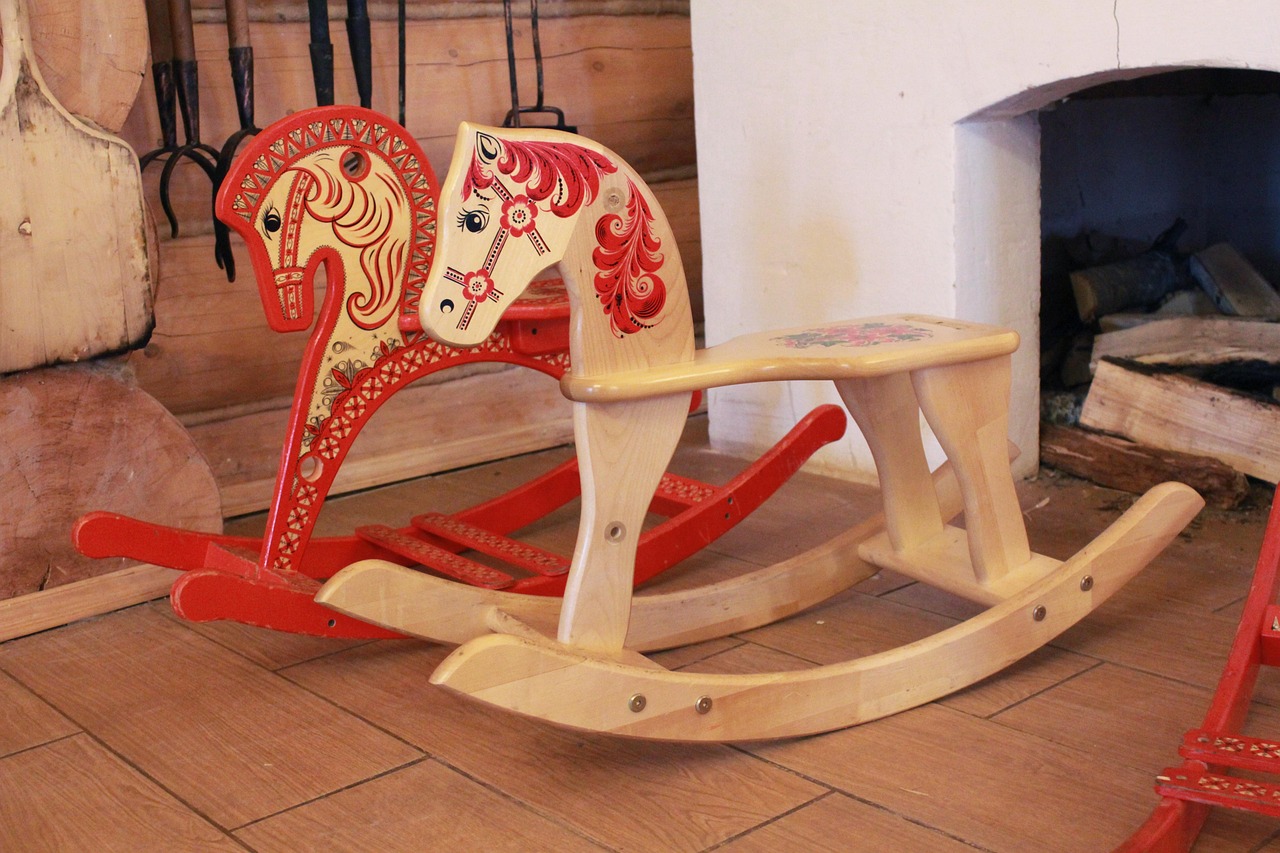
What You Are Paying For: With a handmade toy, you are paying for the time and skill of a craftsperson. You are paying for safe, hand-applied finishes, carefully sanded surfaces, and often, small-batch production that ensures higher quality control. You are also paying for unique design and the absence of cheap plastic parts.
What to Splurge On: Building blocks and vehicles are worth the investment. These are the toys that get the most use and need to be durable. A quality set of blocks or vehicles can be passed down. Spend the money here.
Where You Can Save: Simple wooden puzzles, basic shape sorters, and small pull-along toys are often fine when bought from mid-range brands like Melissa & Doug or Hape. The quality is still good, but the price is lower. For simple figures (like a single animal), you can save by buying from a reputable mass producer rather than a high-end artisan.
A Practical Tip: When shopping on Etsy, look for seller reviews that include actual photos from buyers. These photos often show the toy after months of use and give you a real sense of durability. A toy that looks perfect in a studio photo can show roughness or wear in a childâs hands.
Common Mistakes Buyers Make With Wooden Toys
Even well-intentioned buyers fall into a few common traps. Avoid these to ensure your handmade wooden toys gifts are actually enjoyed.
Mistake 1: Buying Too-Small Pieces for Babies. A parent might see a beautiful set of miniature wooden animals and buy them for a one-year-old. Small pieces are a choking hazard and a frustration for a child who wants to hold and mouth them. For babies and young toddlers, stick with toys that are large, chunky, and have no detachable small parts.
Mistake 2: Expecting Painted Toys to Stay Pristine. Painted wooden toys will show wear. The paint can chip, especially on edges or around moving parts. This is not a defect â it is the nature of painted wood over time. If you want a toy that looks perfect indefinitely, choose unpainted or oiled wood. If you want a colorful, visually engaging toy, accept that it will develop character with use.
Mistake 3: Ignoring Weight. A lightweight wooden toy feels cheap. It often means the wood is soft (like pine or poplar) and less durable. When you pick up a wooden toy, it should feel substantial and solid. The weight gives a sense of quality and longevity.
Mistake 4: Skipping Safety Certifications. Especially when buying from small artisans on Etsy or at craft fairs, ask about safety certifications. Always look for ASTM (American Society for Testing and Materials) or EN71 (European Toy Safety Standard) certification. This is not just a bureaucratic detail â it ensures the toy is made with non-toxic materials and has been tested for hazards. If a seller cannot provide this information, move on.
Mistake 5: Buying Based on Aesthetics Alone. The worst mistake of all. A toy that looks beautiful on a shelf is not the same as a toy that is fun to play with. Before you buy, ask yourself: would a child want to pick this up and interact with it? Will it move, stack, or transform? If the answer is no, it is a decorative object, not a plaything. Choose purpose over appearance.
How to Care for Wooden Toys So They Last Generations
With a little care, a well-made wooden toy can outlast any of the plastic ones. It can be passed down. Here is the simple maintenance routine.
Cleaning: Wipe wooden toys with a damp (not wet) cloth and a small amount of mild soap. Dry them immediately. Do not soak them, and never put them in the dishwasher. For sanitizing, a little white vinegar mixed with water works well. Avoid harsh chemicals or bleach.
Conditioning: Over time, the wood may dry out and feel a little rough. Twice a year, apply a food-safe mineral oil to nourish the wood. A product like Howard Cutting Board Oil works perfectly. Apply a small amount with a cloth, let it soak in for a few hours, then wipe off the excess. This keeps the wood from cracking and keeps the surface smooth. Readers looking for a conditioning solution can explore food-grade mineral oils designed for wood care.
Spotting and Fixing Minor Cracks: Small cracks are common as wood expands and contracts with humidity. If a crack appears, a small amount of wood glue applied with a toothpick can stabilize it. Sand the area lightly once the glue dries. For a significant crack or a broken piece, the toy might need a larger repair, but most minor issues are fixable at home.
When to Sand and Re-oil: If a toy develops rough spots or the finish starts to wear off, sand it lightly with fine-grit sandpaper (220 grit works well). Sand only the affected area, then wipe away the dust. Reapply mineral oil or a beeswax polish. This process restores the smooth, inviting feel of the toy.
A well-maintained wooden toy becomes an heirloom. It carries the marks of the hands that played with it and the stories that were built around it. That is part of its value.

Final Thoughts: Which Handmade Wooden Toy Should You Buy First?
If you are reading this, you are probably tired of toys that break or bore. Here is a simple decision framework to help you choose one right now.
For a One-Year-Old: Start with a chunky wooden knob puzzle or a pull-along toy. These are developmentally appropriate, safe, and invite interaction. The Melissa & Doug Chunky Puzzle (animals or vehicles) is a solid, affordable choice that most toddlers will engage with.
For a Three-Year-Old: Building blocks or a wooden vehicle set. Either of these will offer the most play value for the longest time. A set of Uncle Goose Blocks or a Melissa & Doug Wooden Train Set are both excellent investments at this age.
For a Gift-Giver on a Budget: A single, solid wooden car from an artisan on Etsy, or a small set of stacking rings from Hape. You can find beautiful, well-made options for under $25. The quality and thought behind it will be evident, even for a small item.
The best first toy is the one that matches the childâs current interests and invites them to act. Think about the child you are buying for. What do they like to do? What do they pick up on their own? Let their play habits guide your choice. Choose one product from the categories above that fits, and give a toy that will be played with, not looked at.