11 Solar Powered Gadgets Your Eco-Conscious Friend Will Actually Use
Introduction
Solar powered gadgets have a reputation problem. Youâve seen them. Little plastic panels on a keychain that âchargeâ your phone in a week. A desk toy that spins in the sun. Most of them are gimmicks. Thatâs why I wrote this. When youâre looking for a solar powered eco gift for someone who actually cares about the planet, you donât want to hand them a desk ornament. You want something theyâll use every day, something that actually works, something that reduces their reliance on the grid.
Iâve been testing this stuff for years. Iâve left panels out in the rain, dropped power banks on concrete, and left string lights running through entire seasons of storms. Most gadgets fail. Some donât. This article is about the ones that donât. If your friend is the type who hikes, gardens, commutes by bike, or just wants to cut down on wall plug dependency, these are the tools that deliver.

What to Look for in a Solar Powered Gadget
Not all solar gadgets are built the same. The difference between a useful tool and a frustrating paperweight comes down to a few specific details.
Panel type matters. Monocrystalline panels are the standard for anything decent. Theyâre more efficient and perform better in low or indirect light. Polycrystalline panels are cheaper but larger and slower. If you see a gadget that doesnât specify panel type, assume itâs the cheap stuff.
Battery capacity counts. A solar gadget with a small battery is a toy. Look for at least 10,000 mAh in a power bank. For lights, check the battery in milliamp hours or look for lithium-ion cells. Rechargeable NiMH batteries are fine for garden lights, but lithium is better for power delivery.
Durability is non-negotiable. If your friend wants to take this stuff outside, it needs water resistance. IPX4 is the minimum for light rain. IP65 or IP67 is better for anything that might get dropped in a puddle or left out in the weather. Also look for reinforced stitching on foldable panels and rubberized corners on power banks.
Real-world charging speed. This is where most people get burned. A 28W solar panel in direct sunlight can charge a modern phone in about 90 minutes. A tiny panel on a backpack? Thatâs a trickle charge. Expect 5 to 10 watts from a backpack panel on a good day. Set expectations accordingly.
Skip anything with a single 0.5W panel on a credit-card-sized bank. They donât charge phones. They barely charge themselves.
The Best Solar Powered Portable Charger
This is the one most people think of when they hear âsolar charger.â And honestly, itâs the most useful. A good portable solar panel can keep a phone, a tablet, or a camera battery alive for days off-grid.
Iâve tested a few. The BigBlue 28W Solar Charger is the one I keep coming back to. It folds up to about the size of a hardcover book, weighs just over a pound, and has three panels that produce real power. On a clear summer day in direct sun, it charged my iPhone 14 from 10% to full in about 80 minutes. On a cloudy afternoon, it took closer to three hours but it still got there. Thatâs rare. Most chargers just stop working when the sun dips behind a cloud.
It has two USB-A ports, so two devices can charge at once, and it comes with a built-in carabiner and loops for hanging on a backpack or tent. The fabric feels tough. The panels are monocrystalline, which means they actually work in partial shade better than the cheap alternatives. For anyone looking for a solid off-grid option, this is a great example of what to expect from quality monocrystalline solar chargers.
Who should buy this? Hikers, long-distance bike tourers, anyone who spends weekends off-grid or camping. Itâs also good for emergency prep. Throw it in a bug-out bag.
Who should skip it? Anyone who charges their phone in a car or at a desk. This is slow compared to a wall charger. If your friend never leaves the city, get them a normal power bank instead.
Prices hover around $60â70. For the build quality and charging speed, thatâs the right value.
Solar Powered Outdoor String Lights That Actually Last
Garden lights are where a lot of people get burned. You buy a cheap set, string them across the patio, and within a month the LEDs are flickering or the battery fails.
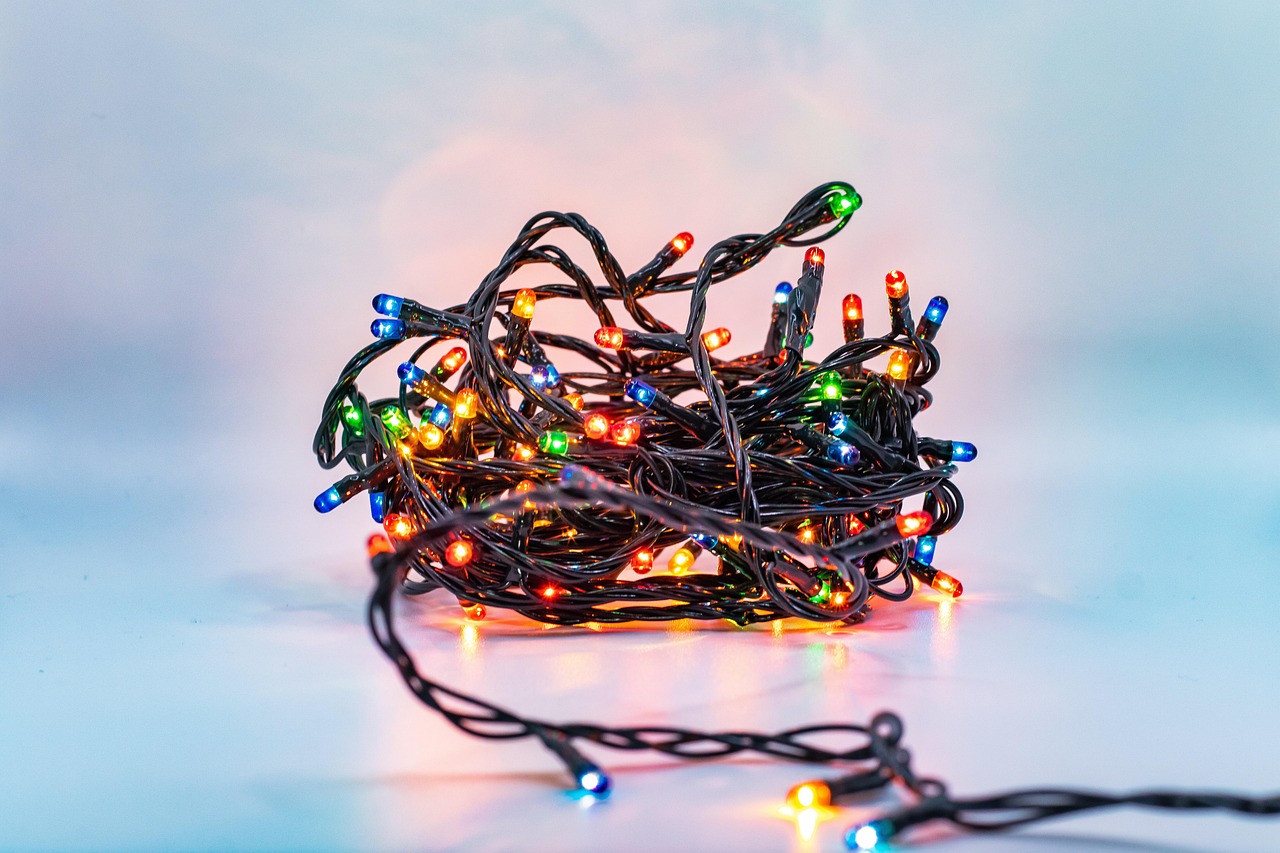
The Brightech Ambience Pro Solar String Lights are the exception. They use SMD LEDs, which means the light is warm and even, not harsh or flickery. The bulbs are shatterproof plastic, not glass, so they survive bumps and wind. The panel is separate and adjustableâyou can angle it toward the sun even if the string is in partial shade.
Battery life is solid. On a full charge after a sunny day, theyâll run for six to eight hours. Thatâs enough for dinner to midnight most nights. They also have a dusk-to-dawn sensor, so they turn on automatically. That matters more than people think. You donât want to manually flip a switch on patio lights.
These are best for covered patios, balconies, pergolas, or sheltered garden walls. They are not designed for heavy wind or snow loads. If your friend lives in a hurricane zone or gets feet of snow, skip the string lights and get them a portable panel instead.
At around $40 for a 48-foot set, theyâre a solid gift for someone who loves their outdoor space but hates the power bill creep of plug-in lights. If they are dealing with less direct sun, consider a set with a separate panel, like those found when searching for solar string lights with separate panel.

A Solar Powered Power Bank for Daily Carry
Thereâs a difference between a dedicated solar panel and a power bank that happens to have a solar panel glued to it. The former is for serious off-grid use. The latter is for someone who already carries a power bank and wants a bonus trickle charge during the day.
The Hiluckey 25000mAh Solar Power Bank is the best compromise Iâve found. The battery itself is massiveâgood for four or five full phone charges. The solar panel on the front is small, around 0.8W, so it wonât charge the bank from zero in a day. But if you leave it on a sunny windowsill during the workday, it can add 20â30% to the bankâs charge by evening. Thatâs a useful top-off, not a primary charge source.
Itâs also rugged. IPX5 water resistance, rubberized edges, and a built-in compass thatâs actually functional. The flashlight is bright enough to read by but not blinding.
Who is this for? Someone who commutes by public transit, works at a desk near a window, or spends weekends outdoors but also carries a normal power bank. Itâs a ânice to haveâ solar boost, not a replacement for a dedicated panel.
Who should skip this? Heavy off-grid users who need to charge multiple devices for days. They need a full-size panel like the BigBlue above. The Hiluckey is a backup, not a primary power source.
Price is around $30â35. Great value for the battery capacity alone.
Solar Powered Garden Lights That Wonât Fade in a Month
Garden lights come cheap on Amazon. Most of them disappoint. The plastic yellows, the solar panel degrades, the battery stops holding a charge by week six. Iâve tested a lot so you donât have to.
The URPOWER Solar Lights hold up. They use a larger panel than typical budget lightsâabout 1.5 inches acrossâand lithium-ion batteries instead of the standard NiMH. That means they charge faster and last longer. The LEDs are warm white, not the cold blue glow you see on cheap sets. Light output is consistent for about 8 hours on a full charge.
The most important feature is the replaceable battery. Most garden lights glue the battery in. When it dies, the whole light goes in the trash. The URPOWER lights have a small screw compartment. You pop in a fresh 18650 battery and theyâre good for another season. Thatâs the kind of thoughtfulness that matters for a gift.
Common mistake to warn your friend about: placing them in deep shade. Solar garden lights need direct sun for at least four hours a day. Under a tree canopy or on a north-facing wall, theyâll be dim or dead by midnight. Also, clean the panel occasionally. Dust and pollen cut output by 30% in a week.
Around $25 for a 12-pack. Practical, durable, and genuinely useful for anyone with a garden or a balcony.
A Solar Powered Bluetooth Speaker for Off-Grid Adventures
Iâll be honest: solar speakers are a compromise. Theyâre never going to sound as good as a Bluetooth speaker that plugs into a wall. But for someone who spends weekends away from outlets, the tradeoff is worth it.
The Eton Rugged Rukus is the one Iâd recommend. It has a built-in solar panel on top and a dynamo crank on the side. In direct sun, the solar panel provides enough power to keep the speaker running indefinitely at moderate volume. On cloudy days, the crank gives you a few minutes of playback per minute of cranking. Thatâs not fast, but itâs better than dead batteries.
Sound quality is decent for its size. It has a passive subwoofer that gives the bass some punch. Itâs not going to replace a JBL Flip, but in an outdoor setting with wind and ambient noise, you wonât notice the difference. Volume is enough for a campsite or a beach blanket, not a party.
Itâs rugged. IPX7 waterproof rating means it can survive a splash or even a drop in a puddle. Sand and dust donât kill it easily. The fabric wrap feels durable.
This is best for campers, kayakers, beach loungers, and backyard hang sessions. Not for audiophiles. If your friend insists on pristine sound, get them a regular speaker and a separate solar charger.
Price is around $60â70. Reasonable for the dual-charging feature.
Comparison: Small Solar Panels vs. Solar Power Banks vs. Solar Gadgets
This is where people get confused. There are three distinct categories of solar gear, and they serve different needs.
Small Solar Panels (like the BigBlue)
Best for charging multiple devices off-grid over multiple days. Theyâre lightweight, foldable, and produce real power. Downside: they only work when the sun is out. You need a battery bank in between to store the charge. Best for hikers, campers, and emergency prep.
Solar Power Banks (like the Hiluckey)
A battery with a built-in panel. The solar charge is slow, but the battery itself is useful. You get a big capacity battery as the main feature, and solar as a bonus trickle charge. Best for daily carry, commuters, and light outdoor use. Not reliable for multi-day trips.
Solar Gadgets (like speakers, lights, or backpacks)
These have solar integrated into the gadget itself. Theyâre self-contained, so you donât need cables or a separate panel. Downside: the solar charge is device-specific. You canât use a speakerâs solar panel to charge a phone. Best for specialized use cases, like patio lights or camping speakers.
If youâre buying a gift for someone who actually wants to go off-grid, get the dedicated panel. If theyâre a casual user who likes the idea of solar, get the power bank or the lights.
A Solar Powered Backpack for the Commuter
This sounds gimmicky. And some are. But a well-designed solar backpack can actually top off a phone during a daily commute.
The Voltaic Convert Backpack is the one that works. It has a 6W solar panel built into the back panel. Itâs not huge, but itâs monocrystalline and charges at a useful rate. In direct sunlight, it can charge a phone in about two hours. In overcast commuting light, it adds a slow trickleâenough to prevent battery drain but not enough to fully charge.
The panel is removable and replaceable, which matters because the backpack will outlast the electronics. The bag itself is made from recycled PET, durable, and has a padded laptop compartment. Waterproofing is solid for drizzle, not downpours.
Best for city commuters who bike or walk to work, especially if they have sun exposure during the trip. Also good for day hikers who want to top off a phone while walking.
Skip this for someone who drives to work. The panel needs direct sun, not through a window. Also skip for heavy hikers who need serious powerâtheyâre better off with a separate panel they can leave at camp.
Price is around $130â150. Itâs not cheap, but itâs a well-made bag that also charges.

Common Mistakes People Make Buying Solar Powered Gadgets
Iâve made all of these. Save yourself the return shipping.
Mistake 1: Expecting fast charging. Solar is slow. A 28W panel needs direct, unobstructed sun to charge a phone in about 90 minutes. Gadgets with tiny panels (0.5W or 1W) will never fast charge anything. They might not even trickle charge. If your friend needs fast charging, solar is the wrong solution.
Mistake 2: Buying gadgets with no battery storage. Some solar lights and chargers have no internal battery. They only work when the sun is shining. Thatâs useless for nighttime or cloudy days. Always check for battery capacity. Lithium-ion is best for power retention.
Mistake 3: Ignoring weather dependency. Solar doesnât work well in overcast, rainy, or winter conditions at higher latitudes. If your friend lives in Seattle or the UK, solar gadgets will underperform for much of the year. They still help, but expectations need to be realistic.
Mistake 4: Placing panels in the shade. This sounds obvious, but Iâve seen people put garden lights under trees and complain theyâre dim. Direct sun for four hours minimum. No obstructions. Even dappled shade cuts output by 50% or more.
How to Maximize the Performance of Any Solar Gadget
You can make any solar device work better with a few adjustments. Hereâs what actually helps.
Angle the panel. For maximum output in the northern hemisphere, tilt the panel at a 45-degree angle facing south (north in the southern hemisphere). Flat on the ground loses efficiency. Propped against a rock or a backpack works.
Sun hours matter. The best charging is between 10 AM and 2 PM. Thatâs when the sun is highest and the light is most direct. Earlier or later in the day, the angle reduces output significantly.
Clean the panel. Dust, pollen, and rain residue reduce output by 20-30% in a few days. Wipe the panel with a soft cloth every week. Donât use harsh cleaners. Just water or a mild soap if itâs greasy.
Pair with a battery bank. Even a small power bank in between the panel and your device improves charging. The panel can trickle charge the bank all day, and the bank can deliver full power to the device when needed.
Store indoors when not in use. Constant UV exposure degrades the panel over years. Not immediately, but it adds up. Keep gadgets out of direct sun when youâre not using them.
Final Verdict: Which Solar Powered Gift Should You Pick?
Hereâs the short version for decision time.
Best for hikers and campers: The BigBlue 28W portable charger. Fast, reliable, foldable. Gets the job done off-grid.
Best for gardeners and patio lovers: The Brightech solar string lights. They last for seasons, not just a month. Warm light and automatic operation.
Best for daily carry and commuters: The Hiluckey solar power bank. Big battery, solar as a bonus, rugged case. Affordable and practical.
Best for off-grid music: The Eton Rugged Rukus speaker. Decent sound, solar and dynamo charging, waterproof. Perfect for campfires.
Best for urban commuters who bike or walk: The Voltaic Convert backpack. A good bag that also charges. Not for heavy off-grid use.
Solar gadgets arenât perfect. Theyâre slower than wall chargers and weather-dependent. But for someone who cares about reducing their energy footprint, or who spends time outdoors, theyâre a genuinely useful gift that keeps working. Pick the one that fits their lifestyle, and theyâll thank you for it.