Zero Waste Party Supplies for Eco-Conscious Birthdays: A Practical Guide
Introduction
Planning a birthday party usually means facing a pile of single-use decorations, disposable tableware, and plastic party favors that end up in the trash before the cake is finished. It doesn’t have to be that way. Zero waste party supplies have come a long way, and they can make your celebration just as festive without the guilt of a garbage bag full of leftovers. This guide is for anyone who wants to host a birthday that’s memorable for the right reasons while keeping waste to a minimum. We’ve cut through the greenwashing to highlight what actually works based on real use, from durable decorations to tableware that holds up. You’ll find practical advice on planning, decorations, tableware, activities, and where to buy the best supplies.
Why Go Zero Waste for a Birthday Party? The Real Tradeoffs
Switching to zero waste party supplies isn’t just about feeling good about your choices. There are practical tradeoffs you need to consider. First, the upfront cost can be higher. A set of reusable bamboo plates might cost $20, while a pack of paper plates is $5. But that bamboo set will last for many parties, making it cheaper per use over time. You also save on cleanup—no sorting trash bags after the party. Just wash and store.
But there are catches. Some zero waste options require more planning. You can’t just grab a pack of plastic cups at the last minute. You might need to order compostable cups in advance or borrow glassware from a friend. There’s also the learning curve: knowing what actually composts at home versus what needs an industrial facility. Many ‘compostable’ items are misleading. They break down only in specific conditions, so they end up in the landfill anyway. That’s a waste of money and effort.
On the flip side, zero waste supplies can be just as fun and colorful. Modern options include fabric bunting, compostable palm leaf plates, and reusable stainless steel straws. They add a unique, thoughtful touch to your party. And there’s a practical benefit: less waste means less time taking out the trash and more time enjoying the celebration. The key is knowing what to buy and what to skip.
What to Look for in Zero Waste Party Supplies (And What to Avoid)
Not all eco-friendly party supplies work the same way. Here’s a practical guide to making smart choices based on real-world performance.
Decorations
What to look for: Fabric bunting, uncoated paper streamers, potted plants, wooden signs, or reusable fabric banners. These items can be used year after year or composted at home. What to avoid: Glitter, foil balloons, and plastic confetti. Glitter is microplastic pollution, and foil balloons can’t be recycled. Best for: Indoor parties or outdoor spaces where you want a classic, timeless look. Avoid if: You’re in a hurry—fabric bunting requires storage between uses.
Tableware
What to look for: Reusable bamboo plates, compostable palm leaf plates, or renting ceramic or melamine tableware. For cups: compostable paper cups with a PLA lining (look for ones that are certified home compostable) or reusable glass jars. For utensils: wooden, bamboo, or reusable stainless steel. What to avoid: Single-use plastic plates and cups, or cheap ‘compostable’ items that need industrial composting. Most home compost piles don’t get hot enough. Best for: Outdoor picnics or casual gatherings (palm leaf). Indoor parties (bamboo or rentals). Avoid if: You have a large guest list and limited storage—rentals might be cheaper and easier.
Party Favors
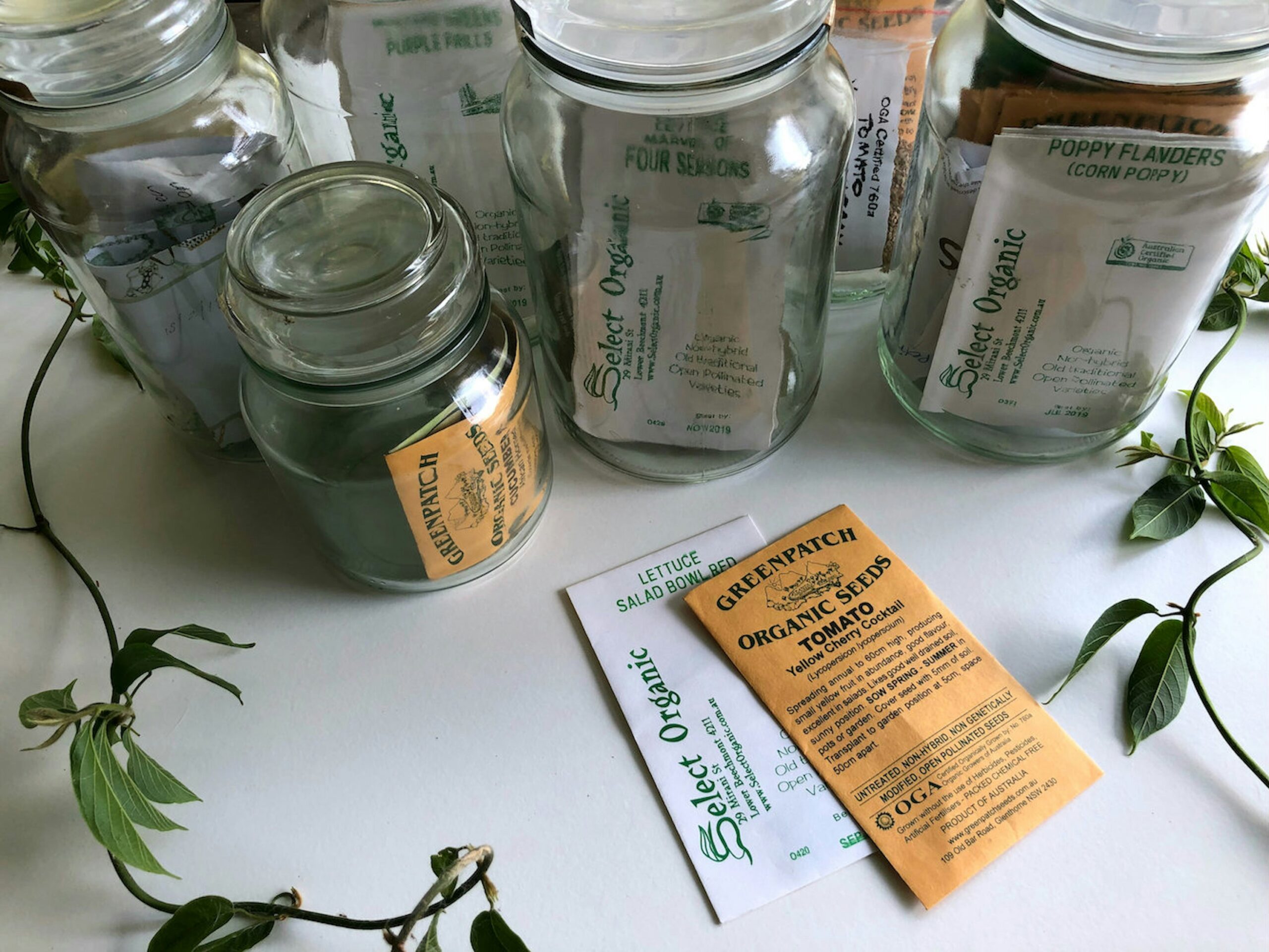
What to look for: Seed packets, homemade treats in small glass jars, experience-based favors (like a coupon for a future outing), or small potted plants. What to avoid: Plastic trinkets, single-use toys, and anything wrapped in plastic. Best for: Toddlers (seed packets or homemade playdough in a jar). Adults (a small succulent in a compostable pot). Avoid if: You’re on a tight budget—seed packets are cheap, but potted plants add up. Stick to one or two meaningful favors per guest.
Top Zero Waste Party Decorations That Actually Look Good
Good decorations set the mood, and zero waste options can look just as festive. Here are our top picks based on practicality and aesthetics.
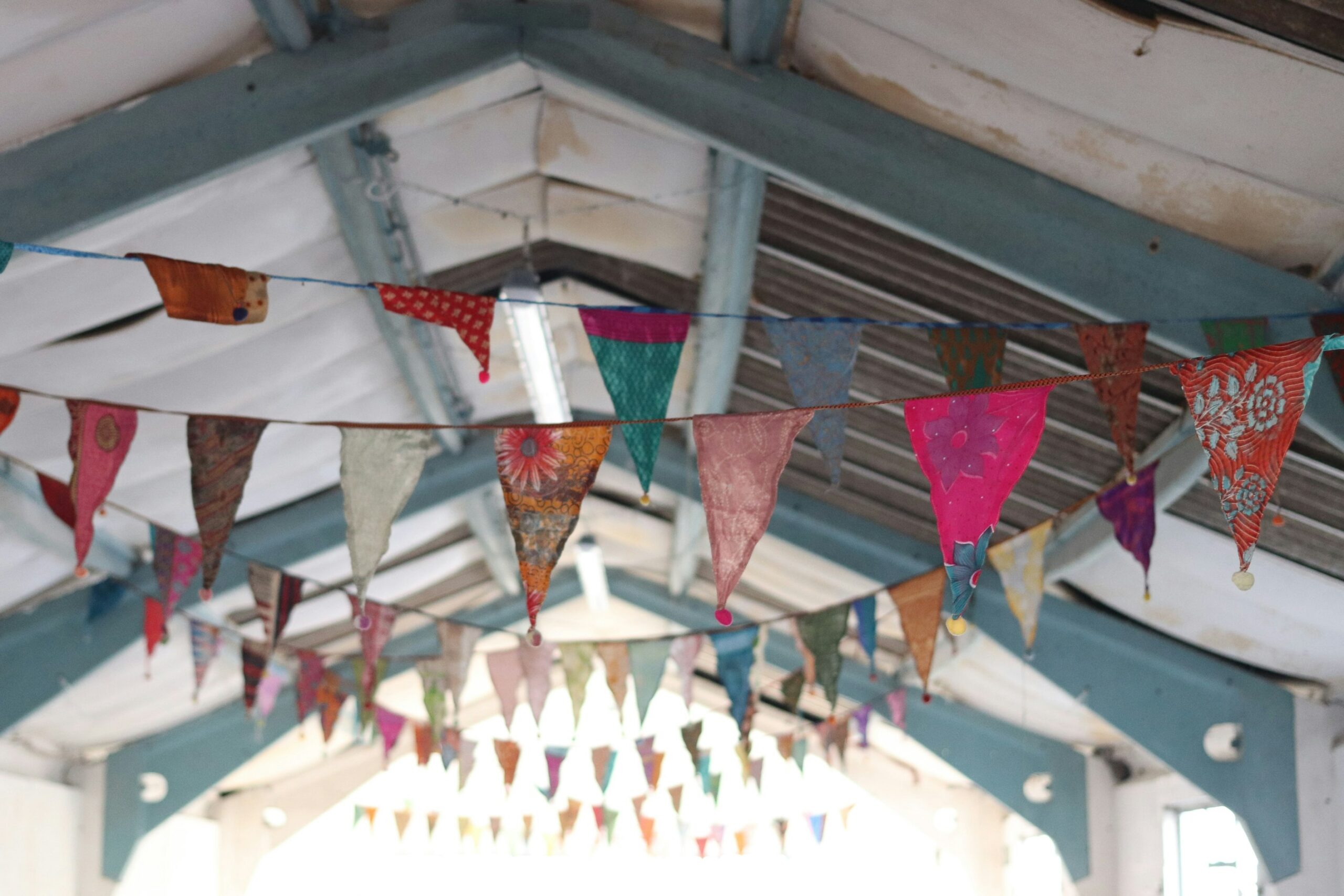
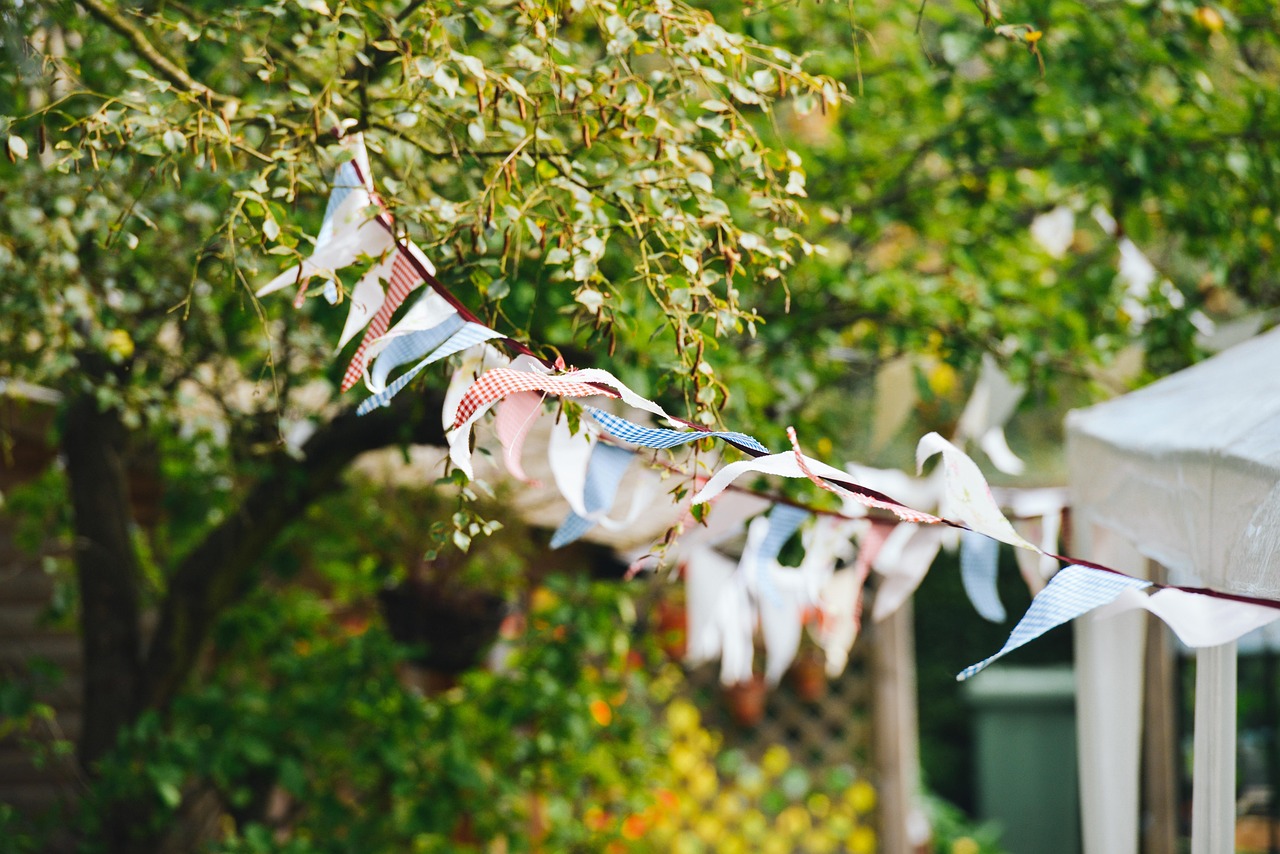
Fabric Bunting: These reusable banners come in endless colors and patterns. They fold flat for storage and work for any occasion. Drape them across a wall or string them between trees. They don’t tear like paper and last for years. Mistake to avoid: Don’t buy cheap paper bunting that rips within an hour. Invest in fabric for longevity.
Paper Lanterns: Look for uncoated, plain paper lanterns that are fully recyclable or compostable. They add a soft glow without plastic. Hang them from the ceiling or branches. Mistake to avoid: Avoid lanterns with plastic frames or metallic coatings—they can’t be recycled easily.
Potted Plants as Centerpieces: Instead of cut flowers in plastic wrap, use small potted plants. Guests can take them home as favors. Herbs like basil or mint are practical and smell great. Or use succulents for a modern look. Mistake to avoid: Don’t choose high-maintenance plants that die quickly. Stick to hardy options that survive the party.
Bamboo or Wooden Signs: Use a reusable chalkboard or a wooden board to display the menu or welcome sign. These can be repurposed for future events. Mistake to avoid: Skip cheap cardboard signs that blow away or get soggy outdoors.
Consider a minimalist or nature-inspired theme to reduce the total number of decorations. Fewer items mean less to clean up and store. A simple color scheme with fabric bunting and potted plants can look more sophisticated than a pile of plastic banners.
Tableware That Works: Plates, Cups, and Utensils Reviewed
Tableware is where most waste happens, so choosing wisely matters. Here’s a breakdown of the best options based on real use.
Plates
Compostable Palm Leaf Plates: Made from fallen palm leaves, these plates are sturdy and look rustic. They hold heavy foods like burgers or pasta without bending. They’re compostable at home if you have a hot compost pile. Best for: Outdoor picnics, barbecues, or any casual gathering. Avoid if: You need something that stacks perfectly—they have a natural irregular shape. Some get flimsy with very hot or greasy food, so test one first.
Bamboo Plates: These are reusable, durable, and dishwasher-safe. They feel like ceramic but are lighter. A set of six costs around $20 and can last for many parties. Best for: Indoor parties or any event where you can wash dishes. Avoid if: You’re serving messy food that stains—bamboo can discolor over time.

Ceramic or Melamine Rentals: For large gatherings, renting real plates is often cheaper and more sustainable than buying disposables. You return them after, so no storage needed. Best for: Big celebrations with 20+ guests. Avoid if: You have limited time to return them or a tight budget for deposits.
Cups
Compostable Paper Cups with PLA Lining: These are better than plastic, but only if they go to industrial composting. Look for BPI-certified options. Best for: Large groups where washing cups is impractical. Avoid if: You have a home compost—these won’t break down in a backyard pile.
Reusable Glass Jars: Mason jars or small Ball jars are cheap, reusable, and look charming. Guests can take them home as favors. Best for: Small parties or events where you can collect jars afterward. Avoid if: You’re worried about breakage with kids around—use stainless steel cups instead.
Utensils
Wooden Utensils: These are compostable but can be splintery if low quality. Look for smooth, solid wood. Best for: One-time use where you don’t want to wash utensils.
Bamboo Utensils: Reusable, lightweight, and dishwasher-safe. A 25-pack costs about $15 and lasts for years. Best for: Any party where you can wash utensils. Avoid if: You need utensils for a crowd and don’t want to wash them—then go with wooden.
Stainless Steel Utensils: Most durable option, but heavier and more expensive. A 20-pack is around $30. Best for: Frequent party hosts or adults-only gatherings. Avoid if: You’re on a tight budget or need something lightweight.
Quick Recommendation: For most birthday parties, a set of bamboo plates and bamboo utensils is the sweet spot. They look great, hold up well, and are reusable. If you can’t wash dishes, go with palm leaf plates and wooden utensils.
Napkins, Straws, and Wraps: The Small Items That Make a Difference
These tiny items add up fast. Here’s how to handle them without the waste.
Napkins: Reusable cloth napkins make a big difference. Buy a set of 12 in a color that matches your theme. They wash easily and last for years. Paper napkins seem cheap, but you’ll use dozens per party. Cloth napkins are more elegant and cost less per use over time. Best for: Any party where you have a washing machine. Avoid if: You’re camping or have no way to wash them—then use unbleached paper napkins.
Straws: Paper straws get soggy fast, especially with thick drinks. They’re a common disappointment. Stainless steel straws are durable and last forever. Silicone straws are softer and better for kids because they’re chewable. Best for: Kids’ parties (silicone), adult parties (stainless steel). Avoid if: You don’t want to clean straws—then skip straws entirely. Most drinks don’t need them.
Wraps and Treat Bags: For candy or small favors, use paper-based wrappers or beeswax wraps instead of plastic. Beeswax wraps can be washed and reused for food storage later. Best for: Homemade treats or small party favors. Avoid if: You need something waterproof—then use glass jars with lids.
Zero Waste Birthday Party Activities: Fun Without the Waste
Activities can create waste too, especially with plastic-heavy craft kits or disposable supplies. Here are ideas that keep it zero waste.
Planting Seeds: Provide small compostable pots, soil, and seeds (like sunflowers or herbs). Each child can plant their own and take it home as a favor. No plastic needed. This works for toddlers and older kids. Logistics: Set up a table with newspaper to catch spills. Use a bucket of water and a scoop for soil. Cleanup is easy—just compost the newspaper.
Nature Collages: Go outside and collect fallen leaves, twigs, and stones. Then glue them onto recycled cardboard to create art. No new materials required. Logistics: Have a glue stick or homemade paste ready. This is great for outdoor parties or rainy day backups.
Recycled Craft Station: Use cardboard boxes, old magazines, and scrap fabric for a make-and-take station. Kids can build robots, masks, or jewelry. Logistics: Pre-cut shapes to speed things up. Have a bin for scraps—they can be reused for the next party.
Cloth Pinata: Instead of a paper pinata that creates shredded waste, make one from cloth. Fill it with small items like fruit, nuts, or seed packets. It’s reusable for years. Logistics: Use an old pillowcase or sew a simple fabric bag. Decorate with fabric paint or scraps. When the pinata breaks, just wash it and it’s ready for the next party.
Printable or Reusable Banners: For games like bingo or scavenger hunts, use a reusable whiteboard or a fabric banner you can write on with washable markers. No paper waste.
Where to Buy Zero Waste Party Supplies: Online and Local Options
Knowing where to buy saves time and money. Here are the best sources.
Amazon (affiliate): This is the most convenient source for many zero waste supplies. You can find bamboo plates, compostable tableware, reusable decorations, and more. Search terms to use: ‘compostable palm leaf plates 9 inch,’ ‘bamboo utensil set 25 pack,’ ‘cotton bunting 10 feet,’ ‘reusable stainless steel straws 4 pack.’ Amazon often has bulk options that lower the per-item cost. Watch for shipping—ordering heavy items like plates in bulk can offset the shipping fee.
Local Bulk Stores: Check for stores that sell items like beeswax wraps, glass jars, or fabric by the yard. You can also find reusable containers and natural decorations. Bulk stores often have lower prices than specialty online shops.
Craft Stores: For DIY decorations like fabric bunting or cloth pinatas, craft stores sell fabric, thread, and paint. You can also find wooden signs or chalkboards.
Rental Services: For large gatherings, local party rental companies offer ceramic plates, glass cups, and utensils. This is often cheaper than buying disposables and creates zero waste. Search for ‘party rental [your city]’ to find options.
Local Co-ops: Some food co-ops sell bulk items like compostable tableware or seeds for favors. They might also have bulk bins for treats you can portion into reusable bags.
Common Mistakes When Shopping for Zero Waste Party Supplies
Even experienced hosts make these errors. Here’s what to watch out for.
Mistake 1: Buying ‘Biodegradable’ Items That Need Industrial Composting
Many items labeled ‘biodegradable’ or ‘compostable’ require high heat and pressure to break down. In a home compost pile, they’ll sit for years. Always check for ‘home compostable’ certification or test a small batch. Otherwise, they’ll end up in a landfill anyway.
Mistake 2: Overbuying Because Decor Looks Cheap
Bamboo plates and fabric bunting can look expensive, but they’re often cheaper per use than disposables. It’s easy to buy too many plates because you underestimate how many times guests reuse them at a buffet. Buy about 1.5 plates per guest—most will use one, then grab a fresh one for dessert. But at a buffet, many guests reuse the same plate for multiple courses.
Mistake 3: Ignoring the Carbon Footprint of Shipping Heavy Items
Ordering heavy reusable tableware from far away can have a bigger carbon footprint than buying local disposables. Check if you can rent locally or buy from a nearby store. If you must order online, consolidate all items into one shipment to reduce emissions.
Mistake 4: Buying Cheap Reusables That Break Quickly
A $5 bamboo plate set might crack in the dishwasher. Invest in quality items from reputable brands. Look for solid construction and smooth finishes. A $20 set that lasts five years is cheaper than five $5 sets that break after one use.
Mistake 5: Buying Too Much of a Good Thing
It’s tempting to buy a full set of reusable cups, plates, and utensils for every party. But if you only host once a year, you might be storing items for 11 months. Consider renting for large gatherings and only buying what you’ll use multiple times a year.
Zero Waste Birthday on a Budget: Money-Saving Tips That Work
Zero waste doesn’t have to be expensive. Here are practical ways to save money while reducing waste.
Use What You Already Own: Mason jars, glass bottles, and fabric scraps can become decorations, cups, or favor containers. Wash and reuse them. For example, use old jam jars as drinking cups. They cost nothing and look rustic.
Make Your Own Bunting: Cut triangles from old fabric, T-shirts, or bedsheets. Sew or glue them onto a string. This costs pennies and creates a custom look. You can even make it a pre-party activity for kids.
Edible Decor: Use fruits and vegetables as centerpieces. A bowl of apples or oranges looks cheerful and guests can eat them later. You can also use herbs like rosemary as table accents—they smell great and can be used in cooking afterward.
Rent Instead of Buy: For tableware, renting is often cheaper than buying disposable cups and plates for a large party. A rental set of ceramic plates might cost $1 per person, while a pack of compostable plates costs $0.50 per person but has waste. For 20 guests, renting might be $20 vs. $10 for disposables. But if you consider the waste and the fact that you don’t have to store anything, renting wins.
DIY Party Favors: Instead of buying plastic toys, make a simple favor like a bag of homemade granola or a small packet of seeds. Cost per favor: $0.50 or less. Compare to a plastic toy that costs $2 and gets thrown away.
Simple Cost Comparison: A set of reusable bamboo plates (6 plates) costs $20. If you use them for 5 parties, each use costs $4.00. Paper plates for 6 people cost $2 per party but produce waste. Over 5 parties, you spend $10 on paper plates but have 30 plates in the trash. The bamboo set costs $20 but saves waste and lasts for many more parties. The financial choice is clear over time.
Our Top Picks: Zero Waste Party Supplies We Recommend
Here are specific products we’ve found to work well based on real use. These are all available on Amazon (affiliate links).
Compostable Palm Leaf Plates (9-inch) – Best for Heavy Foods
These plates are sturdy enough for burgers, pasta, and salads. They look natural and compost at home if you have a hot pile. We like them for outdoor parties where a rustic look fits. Check the current price on Amazon.
Bamboo Utensil Set (25-pack) – Reusable and Durable
These utensils are smooth, dishwasher-safe, and come in a variety of colors. They’re a great investment for regular party hosts. We’ve used them for multiple events and they hold up well. Check the current price on Amazon.
Cotton Bunting (10 feet) – Classic and Reusable
This fabric bunting comes in neutral colors that work for any occasion. It folds flat for storage and can be washed if it gets dirty. We’ve had ours for three years and it still looks new. Check the current price on Amazon.
Reusable Stainless Steel Straws (4-pack) – Best for Adults
These straws are easy to clean with a brush and last forever. They’re better than paper straws that get soggy. We recommend them for parties where you serve drinks that need straws. Check the current price on Amazon.
Beeswax Wraps (4-pack) – Best for Treats
Use these to wrap cookies, brownies, or small favors. They wash with cool water and reuse for months. They eliminate the need for plastic wrap. Check the current price on Amazon.
Frequently Asked Questions About Zero Waste Party Supplies
Are compostable plates better than reusable ones?
It depends. Compostable plates are convenient when you can’t wash dishes, but they still require resources to produce and transport. Reusable plates (like bamboo) are better if you can wash them and plan to use them multiple times. In general, reusable wins for regular use, while compostable works for one-off events where washing isn’t practical.
Can I compost palm leaf plates at home?
Yes, if you have a hot compost pile that reaches at least 140°F for several days. Most backyard compost piles don’t get that hot, so the plates may not break down quickly. If you’re unsure, treat them as recyclable or send them to a commercial composting facility.
What’s the best alternative to balloons?
Balloons are a big waste problem. Alternatives include paper pinwheels (reusable), fabric bunting (reusable), or bubbles (biodegradable soap). Bubbles are especially popular with kids and create no waste. You can also use hanging paper lanterns (compostable) or streamers made from recycled paper.
Where can I buy zero waste party supplies in bulk?
Amazon is the most convenient option for bulk orders. Search for ‘compostable palm leaf plates bulk’ or ‘bamboo tableware bulk.’ Local co-ops and restaurant supply stores sometimes sell bulk tableware. For reusable items, check discount stores or online marketplaces for sealed packs.
Are zero waste supplies more expensive?
Not necessarily. Reusable items cost more upfront but save money over time. Compostable disposables are often comparable to plastic disposables in price. For example, a pack of 100 palm leaf plates costs about $15, while 100 plastic plates cost $10. The difference is small, and the environmental benefit is significant.
Final Thoughts: Planning a Birthday That’s Good for the Planet
Zero waste party supplies are more accessible and affordable than ever. The key is to plan ahead, choose reusable over single-use when possible, and not be afraid to DIY. Start small—swap out plastic cups for glass jars or plastic decorations for fabric bunting. Build up your collection over time. Every party you host with less waste is a step in the right direction. Ready to get started? Check out our top picks above for all the zero waste party supplies you need. Your next birthday can be just as fun, just as festive, and a whole lot better for the planet.