Handmade Ceramic Pour-Over Coffee Makers Reviewed: Best Handmade Ceramic Coffee Drippers for Your Morning Ritual
Introduction

If you’re comparing gifts for a coffee enthusiast or thinking about upgrading your own morning routine, a handmade ceramic coffee dripper is worth considering. It sits at the intersection of function and craft. Plastic and metal pour-over cones do the job, but a ceramic dripper—especially one made by hand—changes the experience in subtle but meaningful ways.
This article reviews several artisan options. We’ll compare build quality, filter compatibility, and actual pour-over results. The goal is to help you decide which one makes sense for your setup, budget, and expectations. No hype, just practical guidance.
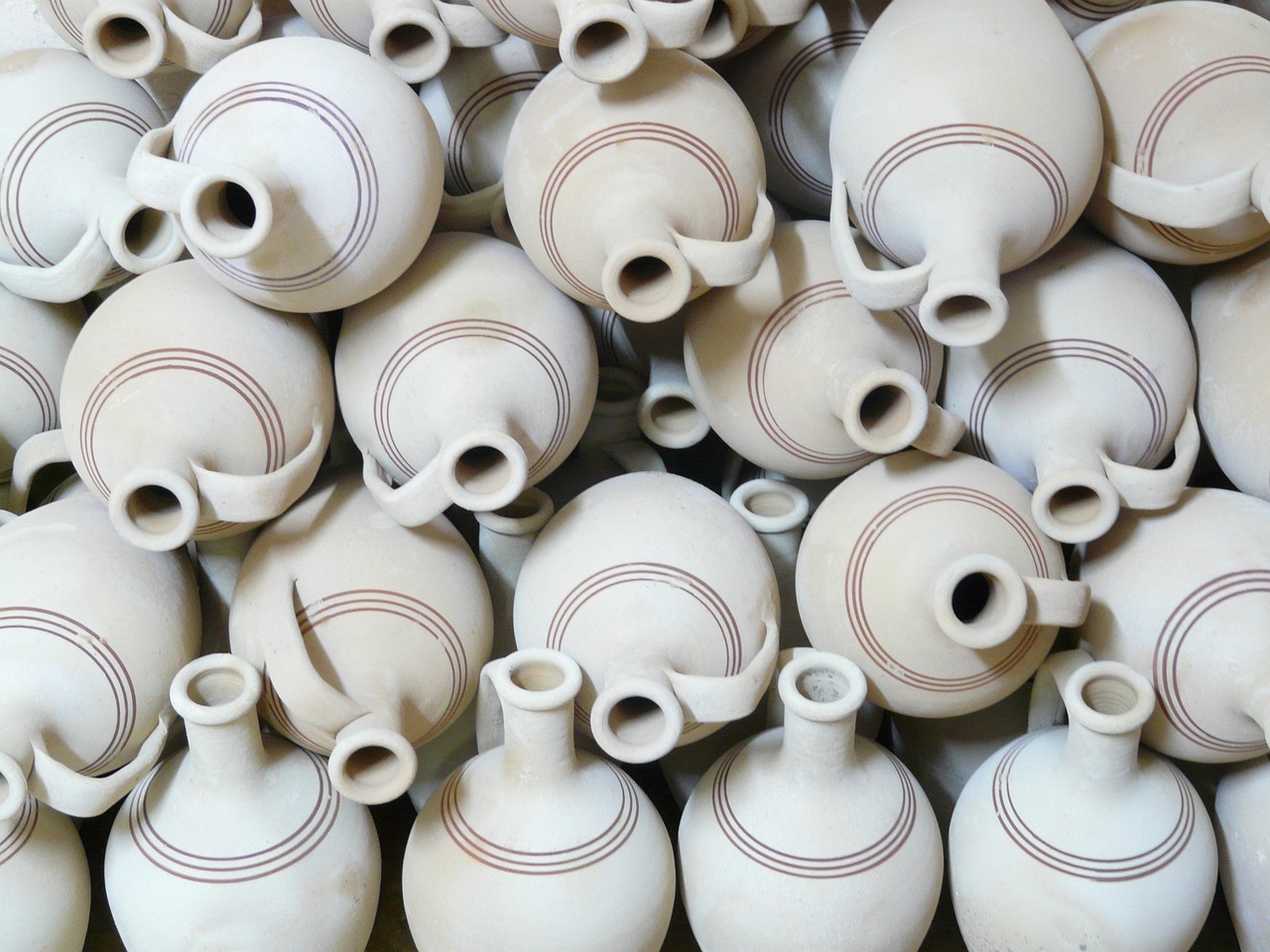
Why Choose a Handmade Ceramic Coffee Dripper Over Plastic or Metal?
Ceramic brings specific advantages worth understanding before you buy. First, heat retention. Ceramic holds temperature much better than plastic or glass. Once you preheat the dripper (which you should always do with any pour-over device), the slurry stays hot throughout the brew. That matters for extraction consistency. Metal, especially stainless steel, loses heat faster unless it’s double-walled.
Second, ceramic is an inert material. It won’t impart any flavor to your coffee. Some metal drippers, particularly cheaper aluminum models, can leave a faint metallic taste. Plastic, even BPA-free varieties, can degrade over time with repeated hot water exposure. A well-glazed ceramic dripper avoids both problems entirely.
Then there’s the aesthetic factor. A handmade ceramic dripper has visible marks of its making—subtle ridges from the potter’s fingers, variations in glaze thickness, a weight that feels deliberate. It’s not a factory stamp. If you’re buying this as a gift, that thoughtfulness shows.
The tradeoffs are real. Ceramic is heavier than plastic or metal. It can break if dropped. You need to be careful when rinsing it to avoid thermal shock (more on that later). But if you treat it well, a good ceramic dripper will outlast several plastic replacements and never look worn out. It’s a long-term investment in both your coffee quality and your kitchen countertop.
What to Look for in a Handmade Ceramic Pour-Over Coffee Maker
Before we get into specific reviews, here’s a checklist of what actually matters when comparing these drippers. Use this as your filter.
- Glaze quality and food safety. Not all ceramic glazes are created equal. You want a food-safe, lead-free glaze that is smooth and free of pinholes. Rough glaze can trap coffee oils and become difficult to clean. A well-applied glaze also protects the ceramic body from absorbing moisture.
- Filter type compatibility. This is the most common gotcha. Some handmade drippers are designed specifically for V60-style cone filters (paper, waffle, or cloth). Others accept flat-bottom filters like the Kalita Wave. A few require custom filters that are harder to find. Always check before buying. A dripper that needs proprietary filters can become an expensive annoyance. Travelers who want a versatile option may prefer to buy a pack of V60 paper filters to ensure availability.
- Ridge design and flow rate. The ridges or grooves inside the dripper control how fast the water flows through the coffee bed. Too much contact between the filter and the walls slows drainage and can cause stalling. Too few ridges can make the flow too fast for good extraction. Look for clear, well-defined internal ridges that create consistent space for water to travel.
- Stability and size. The dripper needs to sit flat on your mug or carafe. A wobbly base is dangerous with hot water. Also, consider the overall diameter. Some handmade drippers are designed for standard mugs; others require a larger server. Measure your gear.
- Visible craftsmanship. Handmade pieces should show some evidence of the potter’s hand. That’s the point. You want to see slight asymmetry, fingerprint impressions in the clay, or glaze pooling in a way that machine-made items cannot replicate. If it looks perfectly uniform, you might be paying handmade prices for a slipcast item.
Review: Kinto Slow Coffee Style Dripper – Best Overall Handmade Ceramic Coffee Dripper
The Kinto Slow Coffee Style Dripper is one of the most well-thought-out ceramic pour-overs you can buy. It’s made in Japan from high-fired porcelain, which gives it a dense, durable body that holds heat exceptionally well. The glaze is smooth, even, and easy to rinse clean.
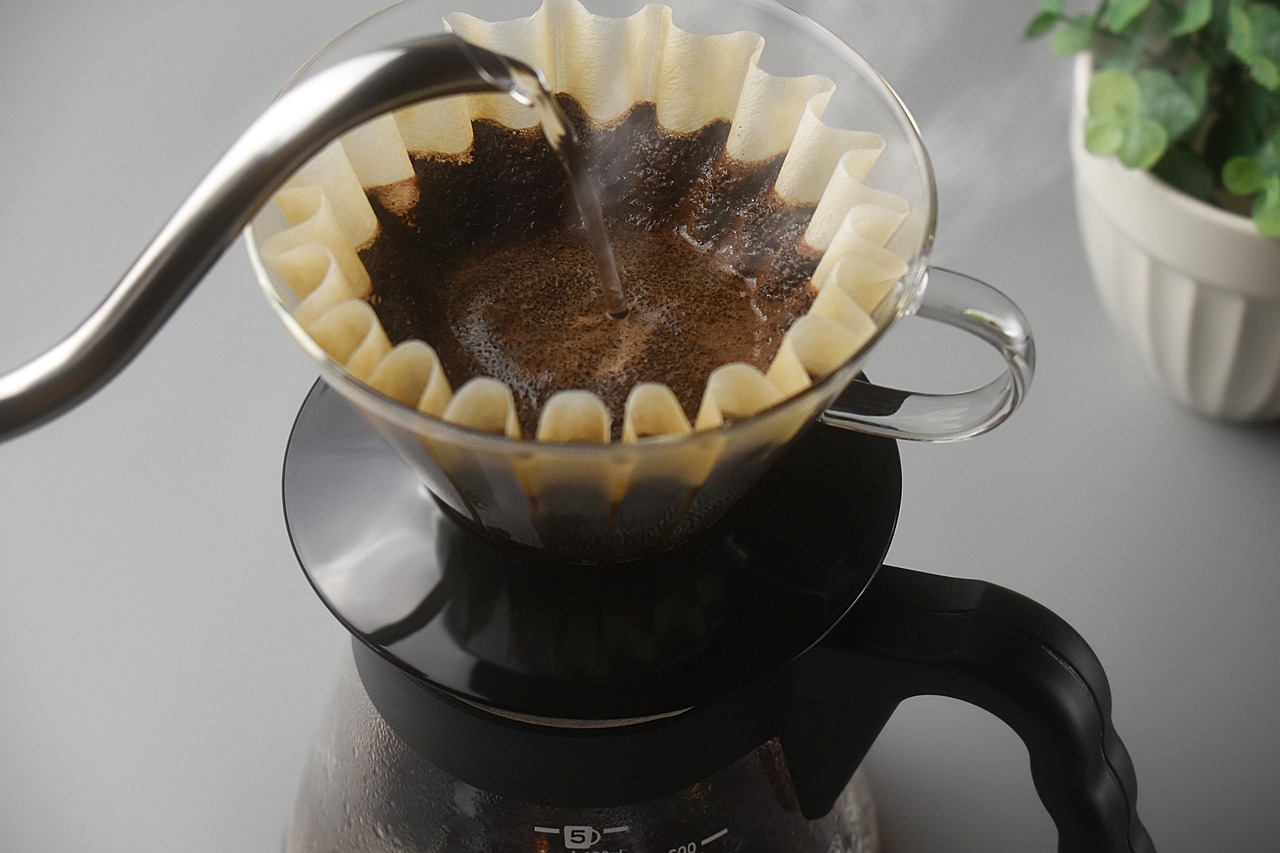
What stands out is the internal ridge design. Instead of the typical spiral ribbing, Kinto uses a series of straight, parallel ridges that run vertically. This creates even water distribution and consistent flow without stalling. In practice, it works perfectly with standard V60 size 02 paper filters. The dripper sits securely on most mugs and servers without wobbling.
The handle is integrated into the form, not attached separately. That means no glued joints to worry about over time. The handle stays cool enough to hold comfortably after preheating, though caution is still advised. The dripper is heavy—about 350 grams—which adds to its stability.
Best For: Daily use drinkers who want a reliable, no-nonsense ceramic dripper that works with easily available filters. It’s also an excellent gift for someone who already uses V60 paper filters and wants a permanent upgrade from plastic.
Check the current price on Amazon here.
Review: Hario V60 Ceramic Dripper (Handmade Version) – Best Budget-Friendly Handmade Ceramic Dripper
The mass-produced Hario V60 ceramic dripper is a kitchen standard. But Hario also produces a handmade version that is less known and surprisingly affordable. The handmade variant shows subtle variations in the spiral ridges and glaze thickness that the factory version lacks.
The glaze is food-safe and durable, though not as thick or glossy as the Kinto or premium potter models. The handle is attached separately and can feel slightly smaller in hand. It takes standard V60 paper filters, which are widely available. Flow rate is predictable and consistent with the classic V60 recipe.
Where this dripper falls short is heat retention. It’s thinner than the Kinto and cools down faster if you don’t preheat it thoroughly. But for the price—usually $25–$35 for the handmade version—it’s a solid entry point into artisan ceramic brewing.
Best For: Budget-conscious buyers who still want a handmade piece. It’s also a good backup dripper or a travel option if you can pack it carefully.
Find the handmade Hario V60 on Amazon here.
Review: Custom Potter’s Hand-Thrown Dripper (Various Makers) – Premium Artisan Ceramic Pour-Over (Best for Gift Givers)
If you’re buying for someone who already owns every coffee gadget, a custom hand-thrown dripper from a ceramic artist is the way to go. These are not mass-produced. Each piece is thrown on a wheel, trimmed, glazed by hand, and fired in a small kiln. No two are identical.
The quality varies by maker, so you need to do a little homework. Look for potters who specifically design for pour-over use—meaning they understand filter sizing, ridge geometry, and spout fit. Many potters on Etsy or at local craft fairs offer these. Expect to pay $50–$120 per dripper.
These drippers often come with custom glaze colors and patterns that you won’t find anywhere else. Some potters will even make a matching server upon request. The packaging is usually thoughtful and gift-ready.
The downsides are real. Lead time can be weeks. Returns are difficult. And not all potters nail the functional details—some make drippers that look beautiful but stall because the ridges are too shallow or the angle is wrong. If you’re buying as a gift, ask the potter specific questions about filter fit and flow before ordering.
Best For: The serious coffee enthusiast who values design and uniqueness. Also excellent as a wedding or housewarming gift for someone who appreciates handmade objects.
Handmade Ceramic Coffee Dripper Comparison Table
Here’s a quick summary of the three options to help you compare at a glance.
- Kinto Slow Coffee Style Dripper: Price ~$45–$55. Uses standard V60 size 02 filters. Capacity ~300ml. Best for daily use and reliability.
- Hario V60 Ceramic (Handmade): Price ~$25–$35. Uses standard V60 filters. Capacity ~240ml. Best for budget-friendly entry into handmade ceramic.
- Custom Potter’s Hand-Thrown Dripper: Price ~$50–$120. Filter type varies (ask the maker). Capacity varies. Best for gift giving and unique design.
Common Mistakes to Avoid When Buying a Ceramic Pour-Over
There are a few pitfalls that come up repeatedly. Knowing them will save you frustration and money.
- Ignoring filter fit. This is the number one mistake. Some handmade drippers use proprietary or uncommon filter sizes. Always confirm filter compatibility before purchasing. A dripper that requires hard-to-find filters is a pain to live with.
- Assuming all ceramics are dishwasher safe. Many handmade glazes are not designed for the high heat and harsh detergents of a dishwasher. Hand washing with mild soap is always safer. Check with the maker.
- Overpaying for hype. A $100 dripper is not automatically four times better than a $25 one. You’re paying for craftsmanship, glaze uniqueness, and brand reputation. That’s fair—but only if those things matter to you. For pure function, the Hario or Kinto will brew coffee just as well as a custom piece.
- Forgetting your kettle spout. A wide dripper with a low rim might not fit under a gooseneck kettle with a large base. Measure the height clearance on your setup. Beginners may find it helpful to browse gooseneck kettles for pour-over coffee to ensure compatibility.
- Skipping the preheat. Ceramic needs to be warmed up. If you place a cold dripper on a cold carafe and pour boiling water, the temperature drop can slow your brew and cause uneven extraction. Always rinse the dripper with hot water first.
How to Care for Your Handmade Ceramic Coffee Dripper
Ceramic is durable but not indestructible. A little care goes a long way.
- Cleaning: Hand wash with warm water and a soft sponge. Mild dish soap is fine. Avoid abrasive scrubbers that can scratch the glaze. Rinse thoroughly to remove any soap residue, which can affect coffee flavor.
- Avoid thermal shock: Don’t place a hot dripper directly under cold running water. Let it cool down first. Sudden temperature changes can cause cracks. A simple way to protect your dripper is to use a coffee dripper cleaning brush for gentle cleaning.
- Storage: Store the dripper in a stable spot where it won’t get knocked over. Stacking heavy items on top of it is a bad idea. Some people keep theirs on a dedicated drying rack or shelf.
- Glaze preservation: Over time, coffee oils can build up on the glaze surface, especially inside the ridges. A weekly soak in a mild vinegar solution (1 part vinegar to 3 parts water) will dissolve the oils. Rinse well afterward.
If you notice a hairline crack, stop using the dripper. Microcracks can harbor bacteria and weaken the structure. It’s time for a replacement.
The Verdict: Which Handmade Ceramic Coffee Dripper Should You Buy?
Here’s the short version.
- Best for daily use: The Kinto Slow Coffee Style Dripper. It’s well-made, stable, and uses standard filters. A reliable workhorse.
- Best for gift giving: A custom hand-thrown dripper from a ceramic artist. Unique, personal, and conversation-worthy.
- Best for tight budgets: The Hario V60 ceramic handmade version. It delivers decent heat retention and classic V60 performance without breaking the bank.
Whichever you choose, a handmade ceramic coffee dripper is a thoughtful upgrade. It brings a tactile, human element back to the morning routine—something mass-produced plastic simply cannot replicate.
For most people, the Kinto dripper is the smartest buy. Check the current price on Amazon here.
Frequently Asked Questions About Handmade Ceramic Pour-Over Makers
Are they dishwasher safe?
Most handmade ceramics are not dishwasher safe. The high heat and strong detergents can damage the glaze and shorten the dripper’s life. Hand washing is recommended unless the maker specifically states otherwise.
Do they work with V60 filters?
Many do, but not all. The Kinto and Hario variants are designed for standard V60 paper filters. Custom potter pieces may use flat-bottom or other filter types. Always verify.
Can I use them on a scale?
Yes, as long as your scale is large enough to support the dripper’s base and your mug or server. Most ceramic drippers have a stable, flat base that works fine on standard digital scales.
How fragile are they?
More fragile than metal, less fragile than you think. A well-made ceramic dripper can handle daily use for years if you don’t drop it. Dropping it on tile is usually fatal. Pack it carefully if traveling.
Do I need to season the dripper first?
No. Unlike some unglazed ceramic or clay brewers, a glazed dripper is ready to use straight out of the box. Just give it a rinse with hot water.