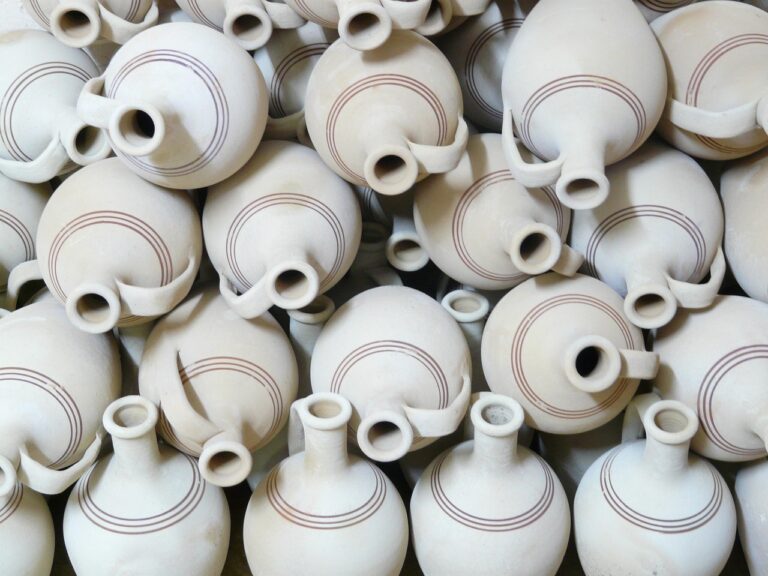
Handmade Pottery Gift Guide: Mugs, Bowls, and Vases Worth Gifting
Introduction
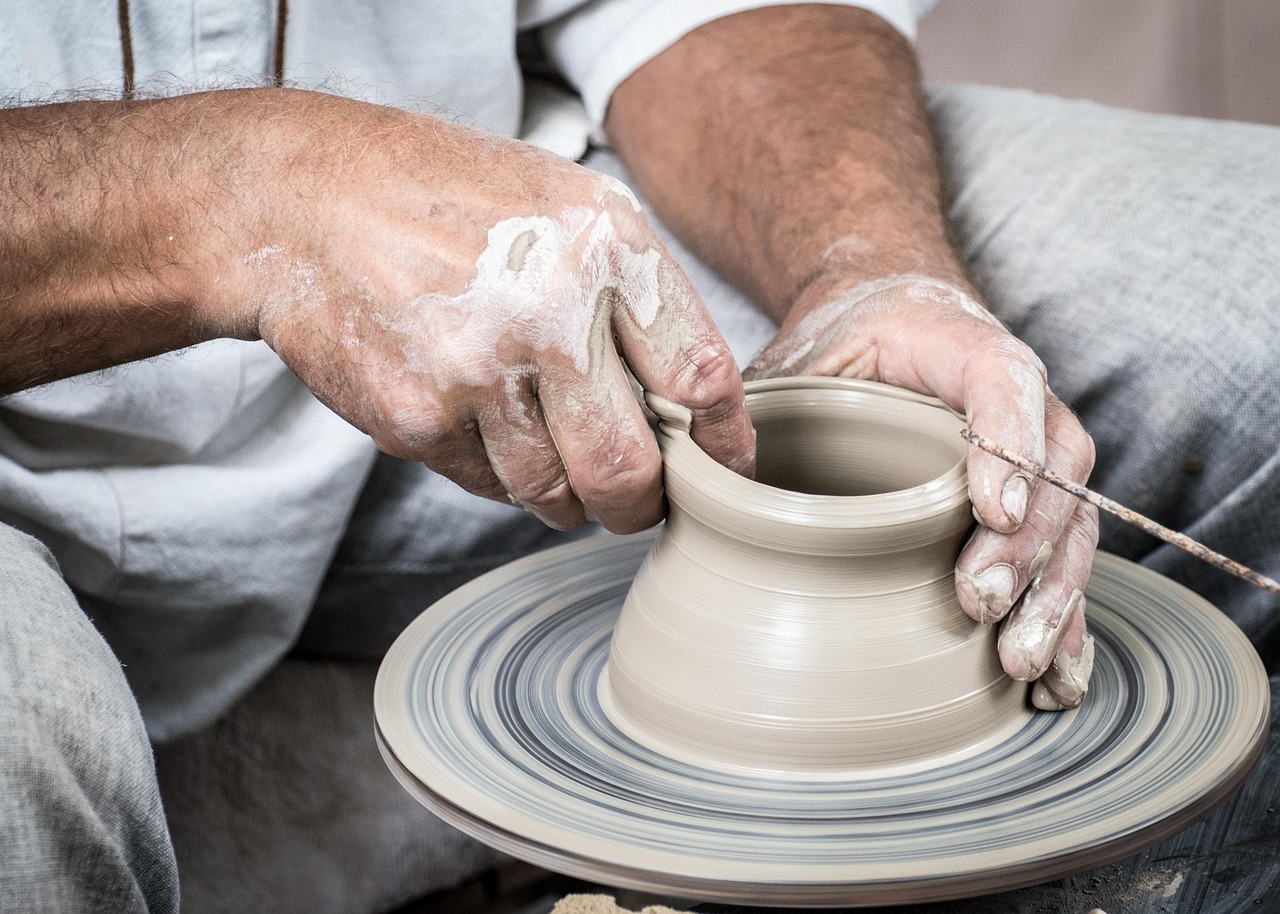
If you’re looking for handmade pottery gifts that feel like more than just stuff, this guide breaks down mugs, bowls, and vases and what to look for. These pieces carry an artisan’s touch and often outlast mass-produced alternatives. But buying pottery online comes with a few catches. Sizing can be off if you ignore dimensions. Glazes vary in durability and food safety. And some pieces are purely decorative—which matters when someone wants to drink their morning coffee from it.
This guide is for anyone who wants a gift that feels personal without the headache of guessing wrong. I’ll cover what to check, which pieces fit which occasions, and common mistakes to avoid. Whether you’re shopping for a coffee lover, a new homeowner, or someone with an established collection, the advice here comes from real use, not just product photos.
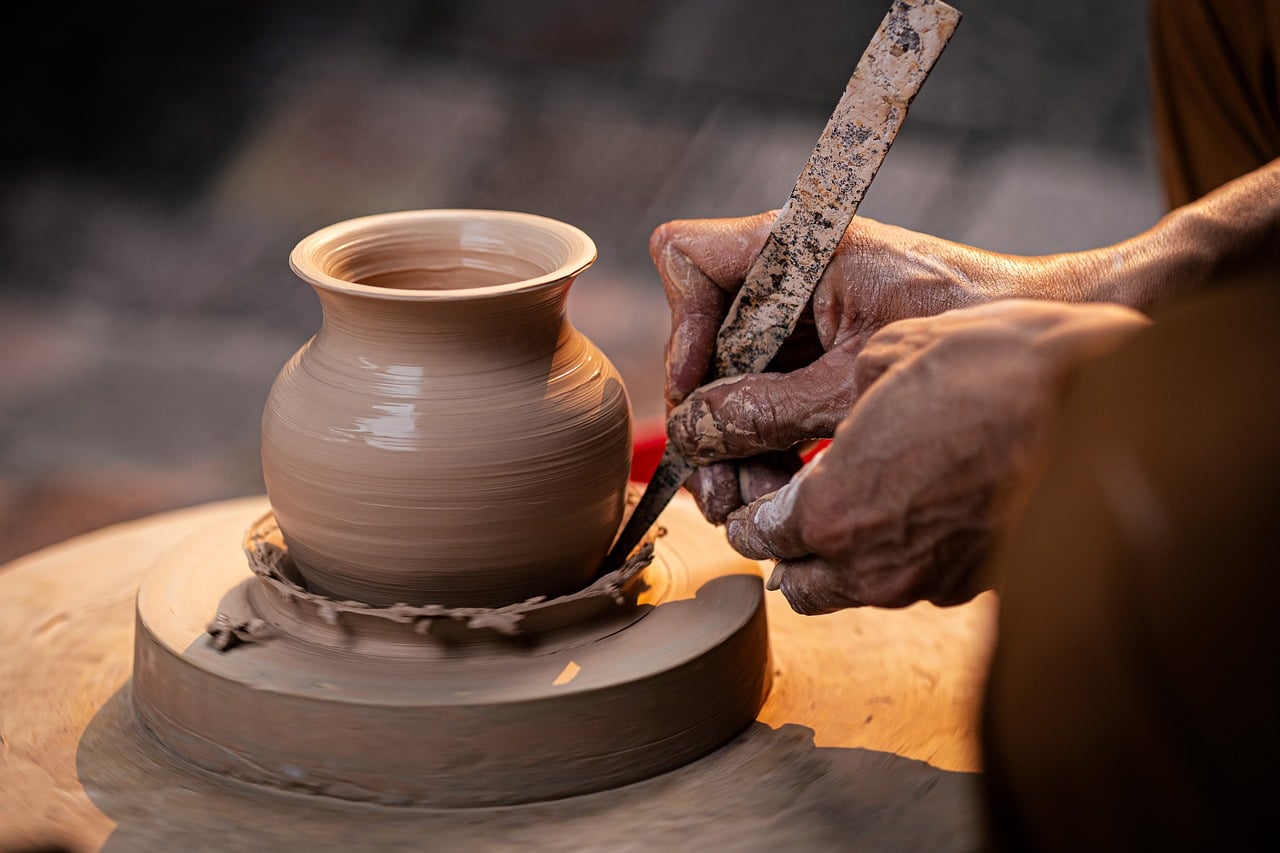 handmade pottery mugs bowls and vases arranged on a wooden table” loading=”lazy” />
Why Handmade Pottery Makes a Thoughtful Gift
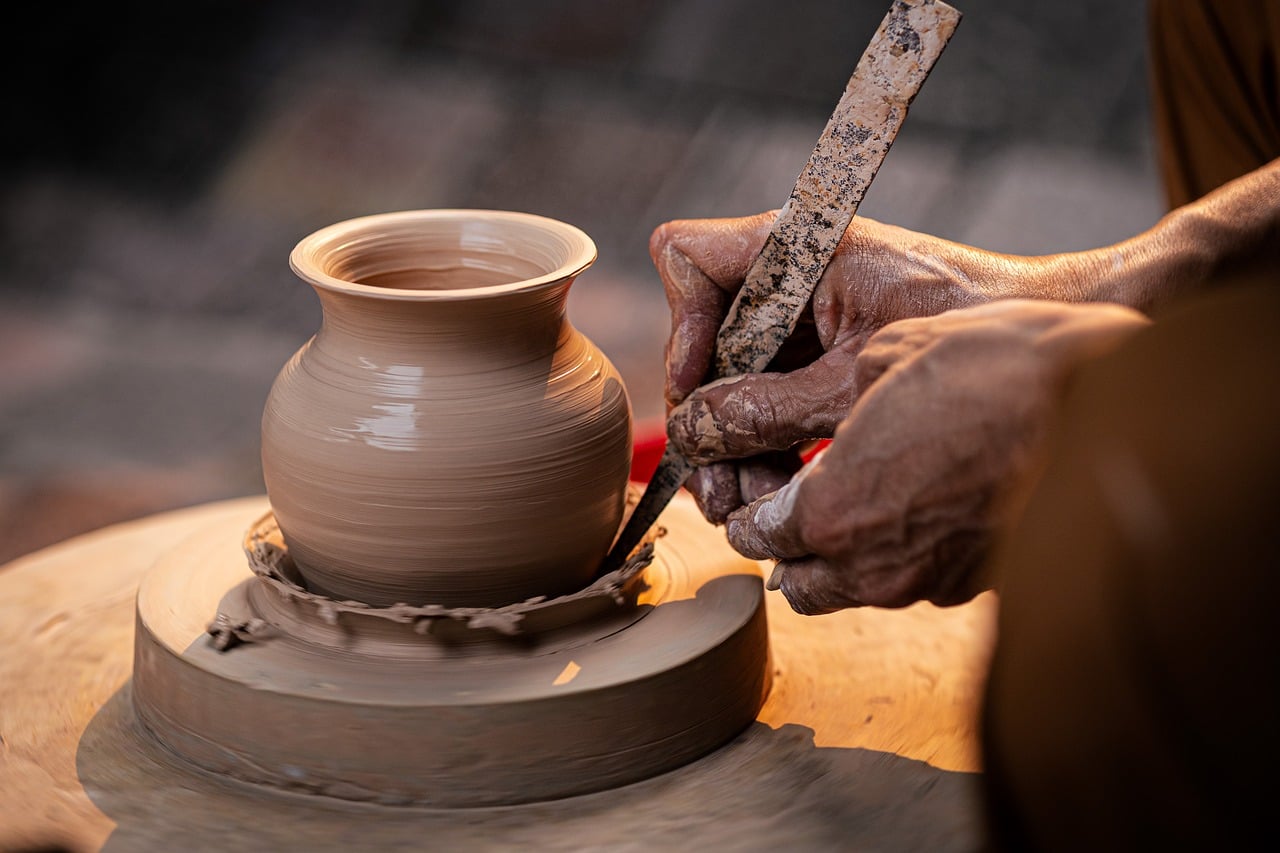
Handmade pottery offers something mass production can’t match: real uniqueness. No two pieces turn out exactly the same. Even when an artisan makes a series of mugs, each one has slight differences in glaze, shape, or rim thickness. That matters. It signals to the recipient that care went into making it, not just replication.
On a practical level, handmade pottery tends to hold up better than factory-made ware. Most artisans use high-fired stoneware or porcelain, which resists chipping better than thin earthenware. These pieces also retain heat longer—a stoneware mug will keep coffee warmer than a thin diner cup. And if something does break, many potters can match glazes and fix chips, so the piece isn’t automatically trash.
Customization is another advantage. Many sellers offer custom stamping or glaze colors for an extra fee. That turns a mug into something that feels made for the person receiving it. A simple touch, but it lands well.
Compare that to a generic gift card or a candle. Handmade pottery has inherent value—it’s functional and gets used daily. It also supports a real person’s craft, not a factory line. That connection resonates, even if people don’t say it out loud.
What to Look for When Choosing Handmade Pottery Gifts
Before you hit “buy,” check a few things. It’s not complicated, but missing these details is where mistakes happen.
Glaze type. Not all glazes are food-safe. Some contain heavy metals or are purely decorative. If the recipient plans to eat or drink from the piece, the listing needs to say “food-safe” or “lead-free.” For mugs and bowls, that’s non-negotiable.
Clay body. Three common types: stoneware, porcelain, earthenware. Stoneware is the workhorse—durable, good heat retention, resists chipping. Porcelain is smoother and more refined but can be more fragile. Earthenware is common in decorative pieces but less durable for daily use. Know which you’re getting.
Firing method. Wheel-thrown pieces tend to have even walls and balanced weight. Hand-built pieces are more sculptural but may have thicker spots that affect heat distribution. Neither is better—it’s about fit.
Size and capacity. For mugs, 8 to 12 ounces is standard. Anything smaller is a teacup or espresso cup. A stoneware mug around 12 ounces is a solid starting point. Bowls range widely: 12–16 ounces for cereal, 20–30 ounces for soup or pasta. Vases are trickier—height and opening width matter more than volume. Measure your space first.
Design details. Run your finger around the rim. It should feel smooth, not sharp. Handles should fit a hand comfortably—not too dainty or too bulky. A foot ring helps with stability and looks. These are signs of good craftsmanship.
Quick checklist before buying online:
- Is it food-safe? (if functional)
- Is it dishwasher or microwave safe? (not always)
- Are dimensions listed? (photos can distort size)
- Are there customer photos? (real-world scale)
- Is the glaze fully cured? (some are meant to stay raw)
Best Handmade Mugs for Coffee and Tea Lovers
A good handmade mug is about more than looks. It’s how it feels in your hand, how it holds heat, and whether it works for daily use. Here are a few options for different needs.
1. Stoneware Java Mug (12 oz, Matte Glaze)
This is a workhorse mug. Thick walls keep heat in. The matte glaze feels soft to the touch but is food-safe and dishwasher-friendly. The handle is wide enough for a two-finger grip—comfortable for larger hands. Best for someone who drinks slowly and wants their coffee hot for 20 minutes.
2. Porcelain Tea Cup with Lid (8 oz, Glossy Finish)
Smaller and more refined. The lid helps keep tea hot while steeping. Glossy glaze cleans easily, and the foot ring adds stability. Good for an afternoon tea drinker who likes delicate pieces. The downside? Porcelain can chip if dropped.
3. Large Hand-Built Mug (16 oz, Textured Exterior)
For the serious coffee drinker. Hand-building gives it a sculptural feel, and the texture adds grip. It’s heavy—about a pound and a half—so it’s not for bedside use. But it’s memorable.
4. Speckled Stoneware Mug (10 oz, Minimalist Design)
A minimalist option with subtle speckle in the glaze. Not flashy, but it works in any kitchen. The handle is a flat tab, which some people love for ergonomics and others find odd. Check the photo carefully.
Pros and Cons Overview:
- Stoneware mugs: durable, good heat retention, can be heavy
- Porcelain cups: elegant, easy to clean, fragile
- Hand-built mugs: unique, heavy, pricey
- Speckled mugs: versatile, subtle, handle depends on taste
The Versatility of Handmade Bowls: Serving, Eating, and Decor
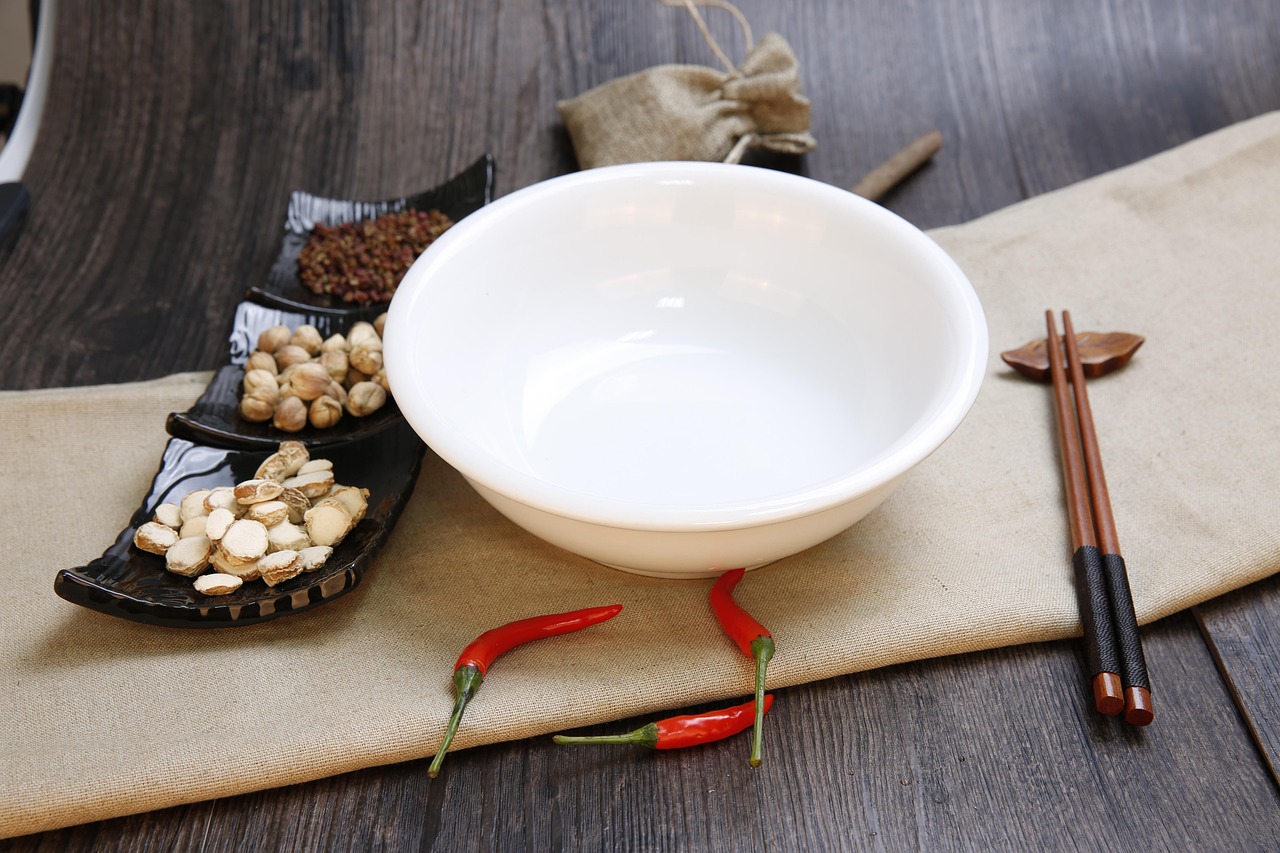
Bowls are one of the most versatile pottery gifts because they serve multiple purposes. A single bowl can be a cereal dish, a soup bowl, a fruit holder, or a decorative catchall. The key is matching size to use.
Deep Soup/Pasta Bowl (20 oz, Stoneware)
This is the best all-purpose option. Wide enough for pasta, deep enough for soup. Stoneware means it’s microwave-safe and won’t crack under heat. Glossy interior makes cleanup easy. A safe bet for any household.
Wide Salad Bowl (12 oz, Porcelain)
Shallower and wider. Good for individual salads or side dishes. The porcelain body is smooth and doesn’t absorb stains like unglazed clay. Ideal for someone who cooks often and needs prep bowls.
Decorative Catchall Bowl (8 oz, Unglazed Exterior)
Perfect for keys, remote controls, or jewelry. The unglazed exterior has a dry, matte finish that shows fingerprints but adds organic texture. Tradeoff: unglazed rims aren’t microwave-friendly. Most people use it as decor anyway.
Large Serving Bowl (32 oz, Rustic Stoneware)
For family meals or party serving. The wide mouth lets you mix or toss salads. Rustic design with visible wheel marks. Heavy, but stable on the table.
If you’re unsure which bowl to buy, go with a 20-ounce stoneware bowl. It’s versatile enough for breakfast, lunch, and dinner, and it’s the most likely to get daily use.
Handmade Vases: Sizing, Style, and Practical Placement
Vases are trickier as gifts because they depend on the recipient’s flower preferences and space. But a well-chosen vase can become a permanent part of someone’s decor.
Height and opening width matter most. A tall, narrow-necked vase is ideal for single stems or long-stemmed flowers like tulips. A wide-mouthed bowl-style vase works for bouquets or cuttings. If you don’t know their flower preference, a medium-height vase (8–12 inches) with a 2–3 inch opening is a safe middle ground.
Weight and stability. A vase needs to be heavy enough to hold flowers without tipping. Lightweight vases look elegant but fall over when you add water and stems. Check the weight in the description. A vase under 1 pound is probably decorative only.
Style options:
- Minimalist cylinder vase (10 inches, porcelain): Clean lines, glossy finish. Works in any modern home. Good for a housewarming gift.
- Textured stoneware vase (8 inches, matte glaze): Visible hand-building marks. Casual, organic feel. Pair with dried flowers for a low-maintenance gift.
- Bottle vase with narrow neck (12 inches, speckled glaze): Good for a single rose or sprig of greenery. The narrow opening keeps stems in place.
One practical tip: vases pair well with a flower subscription. If you’re giving a vase, consider adding a three-month delivery plan. It makes the gift feel complete without requiring the recipient to buy their own arrangement.
Mistakes to Avoid When Buying Handmade Pottery Online
Online pottery shopping has a learning curve. Here’s what first-time buyers often miss.
Not checking dimensions. Photos can be misleading. A mug that looks large in a close-up might be a 6-ounce espresso cup. Always compare the listed inches or ounces against something you own. Customer photos showing the item next to a hand or a coffee cup help.
Assuming all pottery is dishwasher safe. Many handmade pieces are labeled “hand wash only.” That’s not a flaw—it protects the glaze. But if the recipient only uses a dishwasher, this is a dealbreaker.
Ignoring shipping risks. Pottery is fragile. Make sure the seller uses bubble wrap and double boxes. Check if insurance is available. If the vase arrives cracked, you want coverage.
Buying from sellers with vague descriptions. If the product page doesn’t mention clay body, glaze type, or dimensions, that’s a red flag. A good seller provides specifics. Without them, quality is uncertain.
Skipping the review section. Look for reviews that mention durability, shipping, and whether the item matches photos. A 4.8-star rating with 100 reviews is a stronger signal than a 5-star with three.
Budget Considerations: What You Pay For in Handmade Pottery
Pricing varies, but here’s a realistic breakdown for common pieces.
- Simple mug (8–12 oz): $20–$40. Covers materials, labor, and basic overhead. No custom work or fancy glaze.
- Complex mug with carving or glazing: $40–$60. Hand-carved designs or layered glazes add time and skill.
- Medium bowl (20 oz): $30–$50. Standard pricing for a useful piece.
- Large serving bowl (30 oz+): $40–$80. Size and material cost increase the price.
- Decorative vase (8–12 inches): $50–$120. Glaze complexity and shaping time affect this.
What adds cost? Hand-carving, custom stamping, specialized glazes (celadon, crystalline), and larger sizes. Shipping also adds $10–$15 for pottery because of weight and packing.
Best-fit matrix:
- Casual friend ($20–30): A simple stoneware mug or small bowl.
- Housewarming ($50–70): A medium serving bowl or vase.
- Wedding gift ($80–120): A matched set (mug plus bowl) or a high-end vase.
The price reflects the artisan’s time, materials, and kiln risk. You’re paying for craftsmanship, not brand markup.
Comparing Handmade Pottery Gift Sets vs. Single Pieces
Sets and single pieces each have their place.
Sets work best for:
- New homeowners or couples starting a kitchen
- People with simple tastes or minimalist decor
- Budget-friendly gifting (you get more for the price)
Sets often come as a mug and bowl combo, sometimes with a coaster. They feel complete and gift-ready. The downside is less flexibility—you can’t customize each piece individually.
Single pieces are better for:
- Collectors who want a specific style
- Someone with strong taste preferences
- Filling a specific need (a giant soup bowl)
If you’re unsure, a set is safer. Look for a “mug and bowl set” that includes a 10-ounce mug and a 16-ounce bowl. Covers breakfast and a small meal. A good option is the handmade pottery mug and bowl set—two pieces that coordinate without being matchy.
How to Care for Handmade Pottery to Make It Last
Handmade pottery lasts decades if cared for properly. Here’s the short version:
- Hand wash unless the seller explicitly says dishwasher-safe. Hot water and a soft sponge work fine. Avoid abrasive pads.
- Avoid thermal shock. Don’t pour boiling liquid straight into a cold mug. Let it warm up first, especially with stoneware.
- Use felt pads on the bottom to prevent scratching counters or tables.
- Keep decorative pieces out of direct sunlight to prevent glaze fading over time.
- Store with care. Stacking bowls is fine if you put a soft cloth between them. Vases should go on a stable surface away from edges.
One small investment pays off: a felt pad set protects both the pottery and your furniture.
Final Recommendations: The Best Handmade Pottery Gifts for Any Occasion
Here’s a quick decision guide.
- For a coffee lover: The Stoneware Java Mug (12 oz, matte glaze). Durable, great heat retention, fits most hands.
- For a tea drinker: Porcelain Tea Cup with Lid (8 oz). Delicate but practical if they drink tea often.
- For a new homeowner: A bowl and mug set. The Stoneware Starter Set covers the essentials without breaking the budget.
- For a minimalist: A cylinder vase or speckled mug. Clean, understated, fits any decor.
- For a collector: A single high-end piece—carved bowl or crystalline-glazed vase.
- For a flower lover: A medium-height vase paired with a flower subscription.
Handmade pottery gifts are personal, practical, and genuinely unique. They show you took the time to find something with real weight—both physically and meaningfully. Browse handmade pottery gifts on Amazon to see current pricing and reviews, and find the piece that fits your recipient’s life.