Best Reusable Coffee Cups Tested for Taste and Durability
Introduction
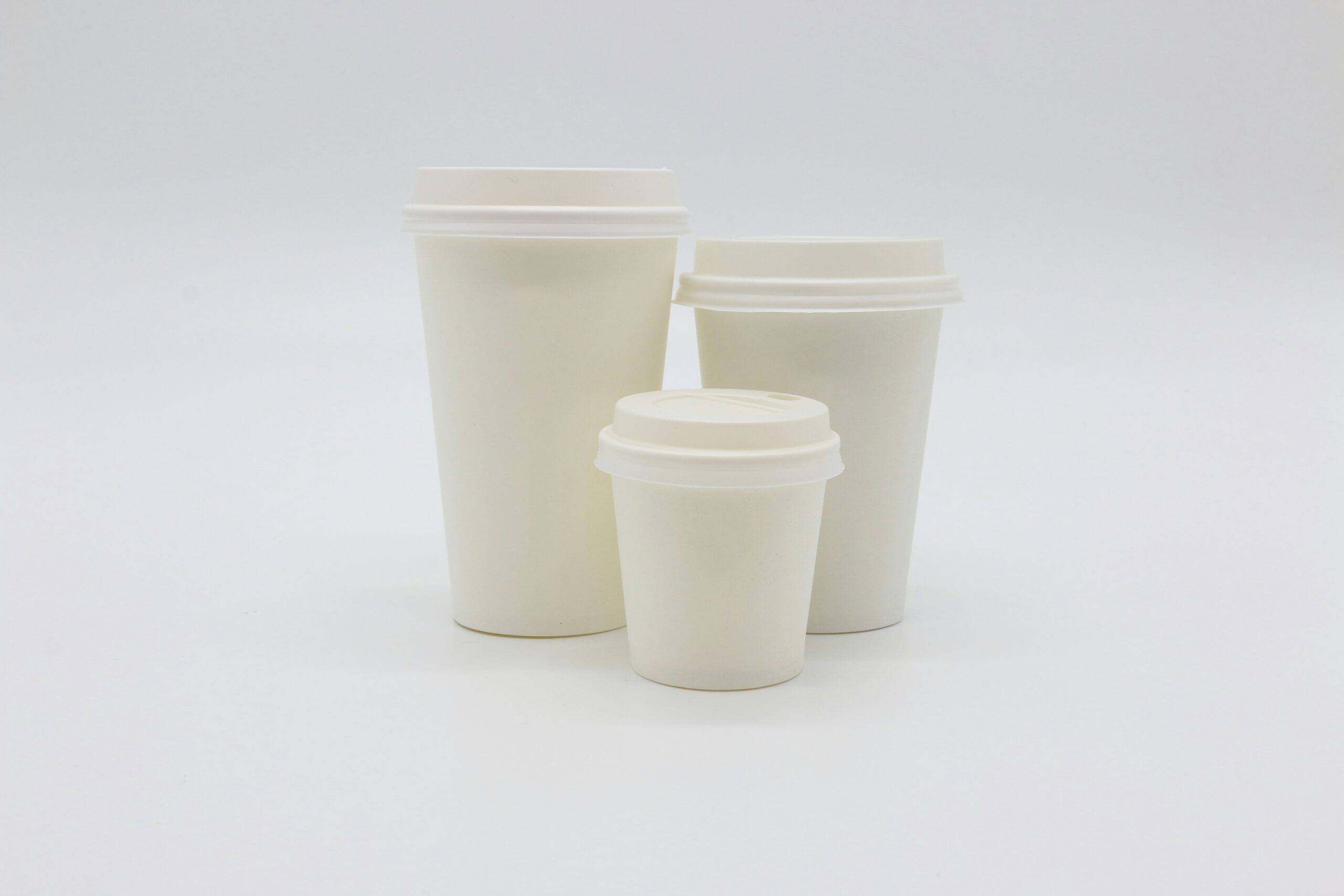
Finding a reusable coffee cup that actually works sounds straightforward. After weeks testing dozens of models, I can tell you it’s not that simple. Some cups claim to keep coffee hot for hours but go lukewarm in under sixty minutes. Others promise leak-proof lids that still manage to soak through a work bag. And plenty leave a noticeable metallic or plastic aftertaste that ruins the first few sips.

This guide comes from real daily use. I used each cup for at least a week—on commutes, in the office, while running errands, and during weekend hikes. The goal was to find cups that deliver, not just ones with slick marketing. What I found is that the right cup depends on what you value most. Some people need insulation above everything. Others care more about taste or durability or how easy a cup is to clean.
Below, I break down the best reusable coffee cups by what they do best. If you’re trying to find something that fits your routine, this should help you avoid wasting money.
What We Looked For in a Reusable Coffee Cup
Before jumping into specific recommendations, it helps to understand the testing standards. These aren’t just nice-to-have features. Each one affects how a cup performs in real situations.
Taste (No Aftertaste)
This was the top priority. A reusable cup should deliver coffee the way it was meant to taste. Stainless steel can sometimes add a metallic tang, especially with lighter roasts. Plastic cups tend to absorb smells and flavors over time. If you drink black coffee regularly, this matters more than you might think. For people sensitive to metal flavors, a cup with a ceramic or glass interior is worth considering.
Durability
Every cup got dropped from about three feet onto concrete. That’s a typical height for a counter or cupholder fumble. Some cups cracked. Some held up with just a scratch. A cup that can’t survive a few drops isn’t worth the money.
Insulation
Hot coffee should stay hot for at least two hours. I measured temperature loss right after pouring, then at the one-hour and two-hour marks. Some cups did better than others, and that difference matters when you’re commuting or working outdoors.
Lid Design
A leaky lid makes a cup useless for travel. I tested each cup by filling it with water, shaking it hard, and leaving it on its side in a bag for 15 minutes. Some lids passed easily. Others failed right away. The type of lid mechanism—screw-on, push-to-open, or slide—also affects how easy it is to drink while on the move.
Ease of Cleaning
If a cup is hard to clean, it won’t stay clean. Narrow openings and complex lids trap coffee residue and can become a breeding ground for mold. Every cup was hand-washed daily, and lids were disassembled when possible. Caps that couldn’t be fully cleaned were marked down.
How We Tested Each Cup
Testing followed a simple, repeatable process that anyone could try. No lab gear. No fancy controlled environment. Just real daily use in different situations.
Each cup was used for at least one full week. I tested with two types of coffee: hot black coffee and cold brew. That matters because some cups handle heat well but struggle with cold liquids, and vice versa. I also tested with a splash of milk, since many people add dairy or plant-based milks, which can change how a cup feels and performs.
Temperature readings were taken with a basic instant-read thermometer. Coffee was poured at 190°F, then checked again at the one-hour and two-hour marks. I didn’t worry about exact tenths of a degree—what matters is whether the coffee is still hot enough to enjoy after an hour in a car or on a desk.
The drop test was straightforward. Each cup was dropped from three feet onto concrete. This isn’t a scientific test, but it reflects the kind of accident that actually happens when you fumble a cup getting out of a car or setting it on a counter. Some cups survived with minor scuffs. Others cracked or popped open on impact.
Lid leak testing involved filling the cup with water, sealing it, shaking it hard for ten seconds, and then leaving it on its side in a messenger bag for 15 minutes. Any moisture on the outside of the cup counted as a leak.
The Best Overall Reusable Coffee Cup: Our Top Pick
After weeks of testing, one cup consistently performed better than the others across every criterion. The Fellow Carter Move Mug is the best reusable coffee cup for most people. It combines solid insulation, a clean taste profile, a durable ceramic coating, and a lid that actually seals.
This cup has double-wall vacuum insulation. Coffee stays hot for around two and a half hours, which is more than enough for a typical commute or morning at the office. It uses a ceramic coating on the stainless steel interior, which completely eliminates any metallic taste. If you’ve noticed that some metal cups make your coffee taste tinny, this solves that problem.
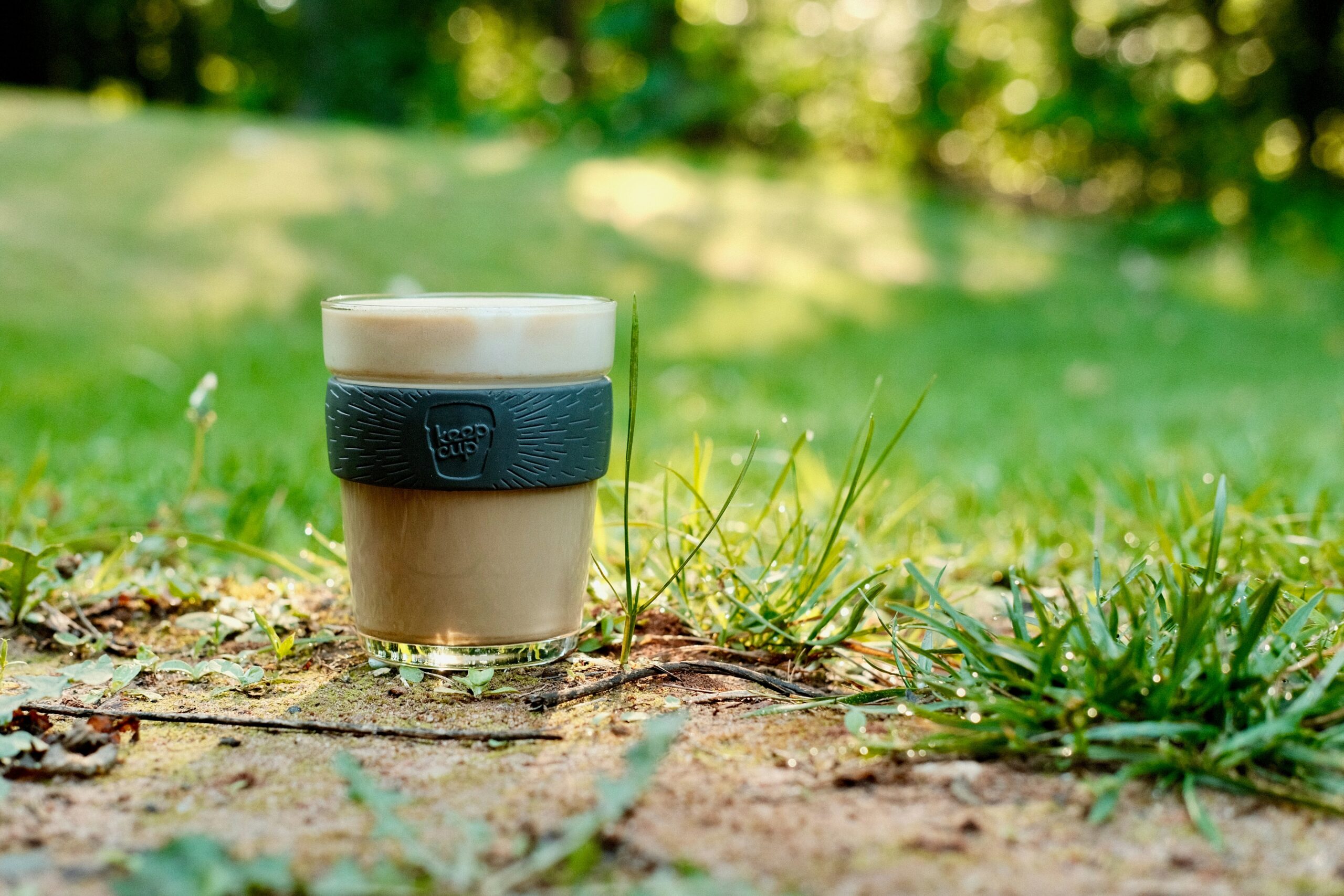
The lid is a screw-on design with a splash-resistant opening. It isn’t fully leak-proof—if you turn it upside down, a few drops might escape—but it held up perfectly in the bag test. No wet bags, no coffee stains on papers. The lid is also easy to clean, with a simple mechanism that doesn’t trap residue.
The main tradeoff is weight. The ceramic coating adds a bit of heft, and the double-wall construction makes it heavier than a basic stainless steel cup. It’s not a problem for commuting or desk use, but it might feel bulky on a long hike.
Best for: Daily commuters, office workers, and anyone who values clean taste and reliable insulation.
The Best Budget Reusable Coffee Cup
Not everyone needs the highest-end option. If you want something functional without the premium price, the Contigo West Loop is a solid alternative. It’s widely available, affordable, and does the basic job well enough for most casual use.
The West Loop uses vacuum insulation, so coffee stays hot for about an hour and a half. That’s less than the Fellow Carter Move, but it’s still fine for a shorter commute or a quick coffee run. The most notable feature is the lid—a one-handed push-button mechanism that’s easy to use while driving. It’s leak-proof when closed, and the spout is covered for cleanliness.
The main tradeoff is taste. The interior is stainless steel, and some drinkers will notice a faint metallic aftertaste, especially with lighter roasts or black coffee. If you add milk or cream, it’s less noticeable. Durability is solid for the price, but the lid mechanism can wear out after about a year of daily use.
Best for: Budget-conscious buyers, occasional use, and anyone who needs one-handed drinking.
Best Reusable Coffee Cup for Taste and Flavor Purity
If you care about taste above everything else, skip stainless steel entirely. The best reusable coffee cup for flavor purity is a glass or ceramic model. These materials don’t react with coffee, so you get the exact profile the roaster intended.
The Klean Kanteen Rise is the top choice here. It uses a borosilicate glass interior with a silicone sleeve for grip and protection. The lid is a simple screw-on cap with a small drinking spout. It’s not insulated, so coffee will cool faster than in a double-wall steel cup, but the tradeoff is pure, unaltered flavor.
A tip: pre-heat the cup with hot water for 30 seconds before pouring coffee. This helps the glass stay warmer and slows down temperature loss. It’s a small habit that makes a noticeable difference.
The main downside is fragility. Glass is glass. It will break if dropped on concrete from any real height. The silicone sleeve helps, but this isn’t a cup for rough outdoor use. It’s best for desk work, home use, or short commutes where the cup stays in your hand or bag.
Best for: Serious coffee drinkers, those sensitive to metallic taste, and home or office use.
Most Durable Reusable Coffee Cup for Travel and Outdoors
For people who drop things, throw their bag around, or spend time outside, durability is non-negotiable. The Yeti Rambler 14 oz Mug is the most durable cup tested. It’s built like a tank and survived every drop test with only minor scuffs.
The Yeti Rambler is made from heavy-gauge stainless steel with double-wall vacuum insulation. Coffee stays hot for over three hours, which is excellent for long hikes, outdoor work, or extended commutes. The lid is a magnetic slider design. It’s not leak-proof—it will spill if knocked over—but it’s secure enough for a backpack side pocket if kept upright.
The tradeoff is weight. This is a heavy cup. It’s also wide, so it may not fit standard car cup holders. The interior is stainless steel, which can affect taste for some drinkers, though the thickness of the steel seems to reduce the issue compared to thinner cups.
Yeti backs the Rambler with a five-year warranty. That’s a sign of confidence. For anyone who needs a cup that can take abuse, this is the pick.
Best for: Hikers, outdoor workers, travelers, and anyone who regularly drops things.
Comparing Lid Designs: Leak-Proof vs. Easy-Sip
Lid design often makes or breaks the whole experience with a reusable cup. The type of lid you need depends entirely on how you use the cup.
Screw-on lids are the most reliable for preventing leaks. They create a tight seal that holds up in bags and backpacks. The tradeoff is convenience—you need two hands to open them, and drinking while walking or driving is awkward. The Fellow Carter Move lid is a good example of a screw-on design that’s splash-resistant but not fully leak-proof.

Push-to-open lids are the best choice for one-handed drinking. They’re ideal for driving, walking, or working at a desk. The Contigo West Loop uses this mechanism, and it works well when new. The downside is that these lids can wear out over time, and they’re harder to clean thoroughly because they have moving parts and small gaps.
Slide lids are a middle ground. They’re simple and relatively easy to clean, but they rarely seal completely. The Yeti Rambler’s magnetic slider is a well-made example, but it still leaks if the cup is turned on its side. Slide lids work best for cups that stay upright in a cupholder or on a desk.
There’s no single best lid. If you carry your cup in a bag, go with a screw-on lid. If you drink while moving, choose a push-to-open lid. If your cup lives on a desk or in a car cupholder, a slide lid is fine.
Best Reusable Coffee Cup for Insulated Stay-Hot Performance
Heat retention was the focus here. If you need coffee to stay hot for a long time—think a long commute, outdoor work, or a full morning of errands—the Zojirushi SM-SHE is the clear winner.
In testing, the Zojirushi kept coffee above 140°F for over three hours. That’s noticeably longer than any other cup tested. The vacuum insulation is incredibly efficient. The stainless steel interior has a nonstick coating that makes cleaning easy and helps prevent coffee residue buildup.
The lid is a simple one-button design. It opens fully with a single press and seals tightly when closed. It’s leak-proof when the button is locked, so it’s safe for bags. The drinking opening is narrow, which can make adding milk or cream a two-step process—you have to pour the liquid in through the opening, then stir carefully. It’s a small inconvenience, but worth noting.
The main tradeoff is hand feel. The cup is narrow and tall, which makes it comfortable for small hands but less so for larger ones. It doesn’t fit standard car cup holders well, though some adapters exist.
Best for: Long commutes, outdoor work, and anyone who wants coffee hot for hours.
What You Shouldn’t Do: Common Mistakes When Choosing a Reusable Coffee Cup
After testing so many cups, I saw the same mistakes come up again and again. Avoiding these will save you money and frustration.
Buying too large. A 20-ounce cup sounds great, but many won’t fit standard car cup holders. Most vehicles hold cups up to 3.5 inches in diameter. Check your car’s cupholder size before buying, or measure the base of the cup.
Choosing a hard-to-clean cup. Lids with multiple parts, narrow mouths, and deep crevices trap coffee oils and mold. If you can’t easily get your hand inside or fully take apart the lid, it will eventually smell stale. Stick with cups that have wide mouths and simple lids.
Ignoring lid compatibility with barista machines. Some cafes fill cups behind the counter, and certain cup heights and opening diameters won’t fit under a standard espresso machine spout. If you plan to order coffee at shops, check for a wide enough opening to accommodate the machine head.
Picking a cup with no warranty. A cup is an investment. Brands like Yeti and Fellow offer multi-year warranties because they expect their products to last. Cheaper cups without warranties often wear out within a year.
Assuming all stainless steel is the same. Thin steel cups transfer heat and can leave a metallic taste. Look for double-wall or triple-wall construction. The thickness of the steel matters for both insulation and flavor.
Which Reusable Coffee Cup Should You Buy? Our Recommendation by Use Case
If you need to make a quick decision, here are the picks for each priority.
- Best overall: Fellow Carter Move Mug – balanced insulation, clean taste, durable, reliable lid.
- Best on a budget: Contigo West Loop – affordable, decent insulation, one-handed drinking.
- Best for taste: Klean Kanteen Rise – glass interior, no aftertaste, pure flavor.
- Best for durability: Yeti Rambler 14 oz Mug – tough, long-lasting, great insulation.
- Best for heat retention: Zojirushi SM-SHE – keeps coffee hot for over three hours, leak-proof lid.
If you’re still unsure, think about getting a cup that suits your daily routine. A good starter option for most people is the Fellow Carter Move Mug. It’s a balanced choice that works well for a wide variety of situations.

Final Thoughts on the Best Reusable Coffee Cup
The best reusable coffee cup isn’t the same for everyone. If taste is your priority, go with a glass or ceramic model. If you need something tough, get a thick steel cup like the Yeti. If you want the most versatile all-around option, the Fellow Carter Move Mug is hard to beat.
The real test is how a cup fits into your daily routine. A heavy cup doesn’t matter if you never carry it far. A cup that cools fast is fine if you drink quickly. The key is knowing what you actually need and buying accordingly.