Best Handmade Wall Art from Independent Artists: A Curated Guide to Prints That Matter
“`html
Introduction
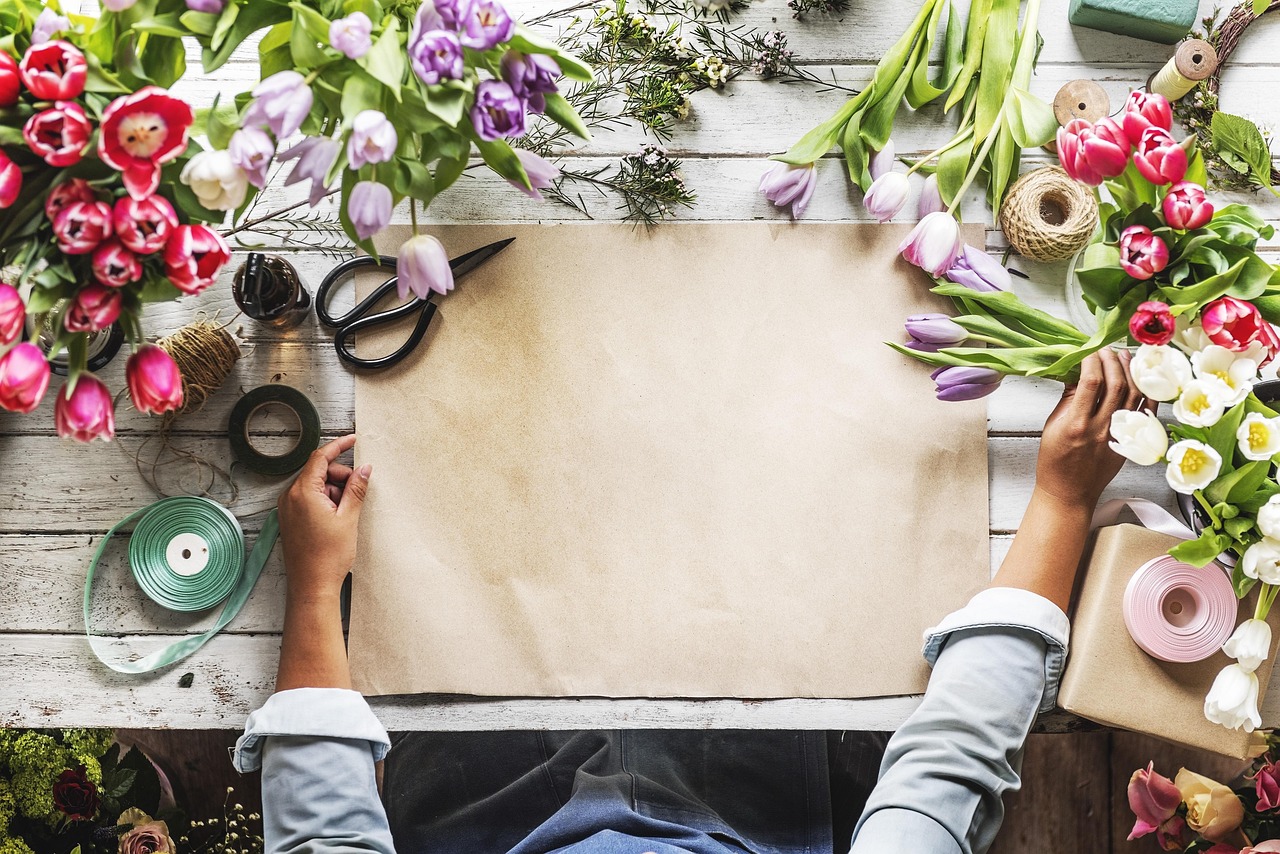
If you’re tired of seeing the same factory-made prints in every home you visit, you’re not alone. There’s a growing demand for something different — something that hasn’t been picked off a shelf at a big-box retailer and hung on a wall by thousands of other people. That’s where handmade wall art prints come in.
This guide is for anyone looking to buy original, handcrafted prints directly from independent artists. Whether you’re shopping for a thoughtful gift, refreshing your own space, or just starting to build an art collection, you’ll find practical advice here. We’ll cover why handmade prints are worth considering, what to look for when buying online, and introduce you to some genuinely talented artists worth your attention.
Let’s be clear from the start: this isn’t about hyping trends or pushing fast decor. This is a practical look at how to find real art that adds character to your walls and supports the people who make it.
Why Choose Handmade Wall Art Prints Over Mass-Produced Decor
There’s nothing inherently wrong with mass-produced wall art. It’s cheap, easy to find, and fills a space quickly. But if you’ve ever noticed how flat a poster print can look in person, you already understand the difference.
Handmade wall art prints are made with real intention. Artists choose their paper, their inks, and the way each print is produced. Many use giclée printing, a high-quality process that delivers rich color and sharp detail. These prints are often produced in limited runs — sometimes just 50 or 100 copies — which means you’re not buying something that hundreds of thousands of other people own.
There are tradeoffs. Handmade prints cost more, usually between $20 and $150 depending on the artist and edition size. You’re paying for the artist’s time, skill, and materials. But you’re also getting something mass production can’t offer: a connection to the person who made it. Every mark, every color choice, every subtle texture tells a story.
From a practical standpoint, handmade prints also tend to last longer. Artists who sell their work care about quality. They use archival paper and pigment inks that resist fading. A well-made print can stay vibrant for decades if cared for properly. Mass-produced poster prints, by contrast, are often printed on thin paper with dye-based inks that fade noticeably after a couple of years in direct light.
If you care about having walls that feel personal rather than generic, handmade prints are a smarter investment. They’re not just decoration — they’re pieces of someone’s creative work, brought into your home intentionally.
What to Look for When Buying Handmade Wall Art Prints Online
Buying art online comes with risks. You can’t see the texture of the paper. You can’t hold the print in your hands. Colors often look different on screen than they do in real life. But if you know what to look for, you can avoid most of the common disappointments.
First, check the print quality. Giclée is the gold standard. It uses archival inks and fine art paper to produce museum-quality results. If an artist doesn’t specify the printing process, ask. If they can’t tell you, that’s a red flag.
Second, look at the paper type. Thick, textured paper feels expensive and substantial. Thin paper feels cheap and can warp if you frame it without proper backing. Artists who take their work seriously will mention the paper weight and type, often a 300gsm cotton rag or similar fine art paper. For those looking to source quality materials, a search for archival paper for prints can provide options for framing and display.
Edition size matters. Limited edition prints are numbered and often signed by the artist. This makes them more collectible and usually more expensive. Open edition prints are produced without a limit and cost less. Neither is wrong — it depends on your goals. But if an artist doesn’t mention edition size at all, they might be selling digital downloads that you print yourself. Read carefully.
Also pay attention to size and measurements. The listed dimensions should refer to the paper size, not the image size. There’s usually a white border around the artwork, especially if it’s meant to be framed with a mat. If you’re planning to use a standard frame size (like 8×10 or 11×14), check that the print will fit without trimming.
Finally, shipping and returns. Many independent artists ship in sturdy tubes or flat packs. Some offer free shipping within their country. Return policies vary widely. Some artists don’t accept returns on prints because they’re made to order. That’s normal, but make sure you’re comfortable with the policy before you buy.
Top 7 Independent Artists for Handmade Wall Art Prints
This is the part you came for — real artists whose work you can buy today. I’ve chosen each because their work is original, their print quality is high, and they offer something distinct. Prices and availability change, so always check the latest listings.
1. Anna Marshall Arts
Anna Marshall creates botanical and nature-inspired prints with a soft, earthy palette. Her work leans minimal without being cold. Perfect for someone who wants a calm, organic feel in a living room or bedroom. Prints run between $25 and $60. She offers both open and limited editions on archival cotton paper. Shipping takes about a week in the US.
2. Nathan Styles Studio
Nathan Styles works with bold geometric patterns and abstract compositions. His prints use strong shapes and muted colors, making them a good fit for modern or industrial interiors. Prices start around $35 for smaller prints and go up to $120 for larger limited editions. He signs and numbers all limited releases.
3. Eliza Ray Art
Eliza Ray specializes in hand-drawn botanical studies with a vintage, almost scientific illustration feel. Her linework is delicate and precise. These prints work beautifully in hallways, home offices, or reading nooks. Open edition prints are $30 each. Limited editions with hand-tinted color start at $65. She ships worldwide from the UK.
4. Brenna O’Connor Design
Brenna O’Connor’s work is bright, playful, and deeply connected to nature. She uses watercolor washes and layered textures to create woodland and coastal scenes. Her prints feel approachable and joyful without being childish. Prices range from $20 to $50. She offers a subscription box for collectors who want a new print every season.
5. Luca Moretti Atelier
Luca Moretti produces ink wash landscapes inspired by Italian hillsides and coastlines. His prints are atmospheric, with soft gradients and minimal detail that draws the eye into the distance. These are ideal for large wall spaces where you want something that feels calm and spacious. Limited edition prints are $80 to $150.
6. Fern & Ash Studio
Fern & Ash Studio combines pressed botanicals with printmaking techniques. Each print incorporates real pressed flowers or leaves in the design process, making every piece slightly unique. They offer small open editions starting at $35. Because of the natural materials used, no two prints are exactly identical.
7. Samira Khan Prints
Samira Khan creates intricate pattern-based prints inspired by Middle Eastern tilework and textiles. Her work is vibrant without being overwhelming, with a strong focus on symmetry and repetition. These prints work well in dining rooms or entryways. Limited edition runs of 50 are priced at $70 each.
Limited Edition vs Open Edition Prints: Which Should You Choose?
Exclusivity or affordability — that’s really what this decision comes down to.
Limited edition prints are produced in a fixed quantity — 50, 100, 250 copies — and each one is numbered and often signed by the artist. Because the supply is capped, these prints can increase in value over time if the artist gains recognition. They also feel more special. If you’re buying a gift for someone who appreciates rare things, a limited edition is a strong choice.
Open edition prints are produced without a set limit. The artist can reprint them as often as they like. These cost significantly less, usually $20 to $50, and they’re more accessible. If you’re decorating on a budget or just want to try a new style without committing to a higher price tag, open editions are perfect.
There’s no wrong answer here. A limited edition print might feel too expensive for a first purchase. An open edition might feel too common for a serious collector. Be honest about what you value and spend accordingly.
Common Mistakes to Avoid When Buying Art Prints from Independent Artists
Even experienced buyers make mistakes. Here are the most common ones I’ve seen — and how to avoid them.
Mistake 1: Choosing art that clashes with your decor. Just because a print is beautiful doesn’t mean it will work in your room. Take a photo of the wall where you plan to hang it. Hold it up against the paint color, furniture, and other decor. If the colors or style feel off in the image, they’ll feel off in person too.
Mistake 2: Ignoring paper weight. Thin paper prints can look cheap no matter how good the image is. Always check the GSM or paper weight. 250gsm is decent. 300gsm or higher is excellent. Anything below 200gsm is too flimsy for wall art.
Mistake 3: Forgetting about framing costs. A $30 print can easily cost $80 to frame professionally. If you’re on a tight budget, account for that before you buy. Consider ready-made frames in standard sizes to keep costs down. A quick search for photo frames for wall art can help you find affordable options that fit standard print sizes.

Mistake 4: Not measuring your wall space. A print that looks large on a phone screen might feel tiny on a big wall. Measure the wall area where you plan to hang the print. Then look at the actual paper dimensions. If the print is smaller than you expected, consider grouping it with other pieces in a gallery layout.
How to Properly Frame and Display Your Handmade Wall Art Prints
Framing matters more than most people realize. A good frame elevates a print from something casual to something intentional. A bad frame can ruin the entire look.
Start with archival matting. Regular matboard contains acid that can yellow your print over time. Archival or acid-free mat prevents this. If you’re spending money on a quality handmade print, don’t cheap out on the mat.
Frame options break down into three categories:
- Custom framing: Best for non-standard sizes or valuable limited editions. Expect to pay $80 to $200 depending on materials. Worth it for pieces you plan to keep long-term.
- Ready-made frames: Affordable and available at any home goods store. Works well for standard sizes like 8×10 or 11×14. Just make sure the frame depth accommodates the mat and print without bowing the backing.
- DIY framing: If you’re handy, you can buy frame sections from a craft store and assemble them yourself. This saves money but requires patience and precision.
For display, hang your print at eye level — roughly 57 to 60 inches from the floor to the center of the artwork. In a gallery wall, keep 2 to 3 inches between frames. Avoid direct sunlight, which fades even archival inks over time. Kitchens and bathrooms add humidity, which can warp paper, so choose those rooms carefully.
Where to Discover New Independent Artists for Ongoing Inspiration
Finding new artists doesn’t have to be hard. The key is knowing where to look and how to follow them effectively.
Instagram is still the most active platform for independent visual artists. Search hashtags like #handmadewallart, #independentartist, or #printmaker. When you find an artist you like, follow them. Many post sneak peeks of new work and announce limited edition drops before they sell out.
Etsy has a massive selection of handmade prints. The search filters let you sort by price, location, and customer reviews. It’s a good place to find emerging artists who may not have their own website yet.
Saatchi Art is more curated and leans toward higher-end work. Prices tend to be higher, but the quality is consistently strong. It’s worth browsing even if you’re not ready to buy, just to see what styles are out there.
Don’t overlook local art fairs and open studio events. Meeting an artist in person, seeing their work up close, and talking to them about their process adds a layer of connection you can’t get online. Many artists also take commissions if you want something custom.
Pricing and Budget: What to Expect and How to Spend Wisely
Handmade wall art prints generally fall between $20 and $150. At the low end, you’ll find open edition prints on good quality paper. At the high end, limited edition signed and numbered prints on premium archival paper. Some well-known artists charge more, but for most independent creators, this is the realistic range.
You’re not just paying for paper and ink. You’re paying for the artist’s time, skill, and creative vision. A single original artwork might take hours or days to complete. The prints are a way to make that work accessible to more people while still compensating the artist fairly.
If you’re on a tight budget, start with open editions or smaller print sizes. A 5×7 print framed in a simple mat and frame can look just as intentional as a larger piece, especially in a well-planned gallery wall. As your budget grows, you can invest in larger or more exclusive pieces.
Compare with mass-market prints from large retailers. Those are cheaper — often $10 to $20 — but the paper quality, ink, and design are rarely comparable. You get what you pay for. A handmade print will look better on your wall and last longer.
Final Thoughts: Building a Collection of Meaningful Art Over Time
No one builds a meaningful art collection overnight. The best walls I’ve seen are the ones that grew slowly, piece by piece, with each print chosen because it meant something to the person who bought it.
Handmade wall art prints let you do that. They give you access to real creativity without needing a gallery budget. They let you support artists directly. And they fill your space with work that feels alive, not manufactured.
Start with one or two pieces from the artists listed above. See how they change the energy of your room. If you enjoy it, add more over time. There’s no rush. The goal isn’t to fill every wall — it’s to fill your walls with work you actually care about.
Browse the recommendations, pick something that speaks to you, and take the first step toward a home that feels uniquely yours.
“`