Ethical Jewelry Brands That Give Back to Artisan Communities
“`html
Introduction
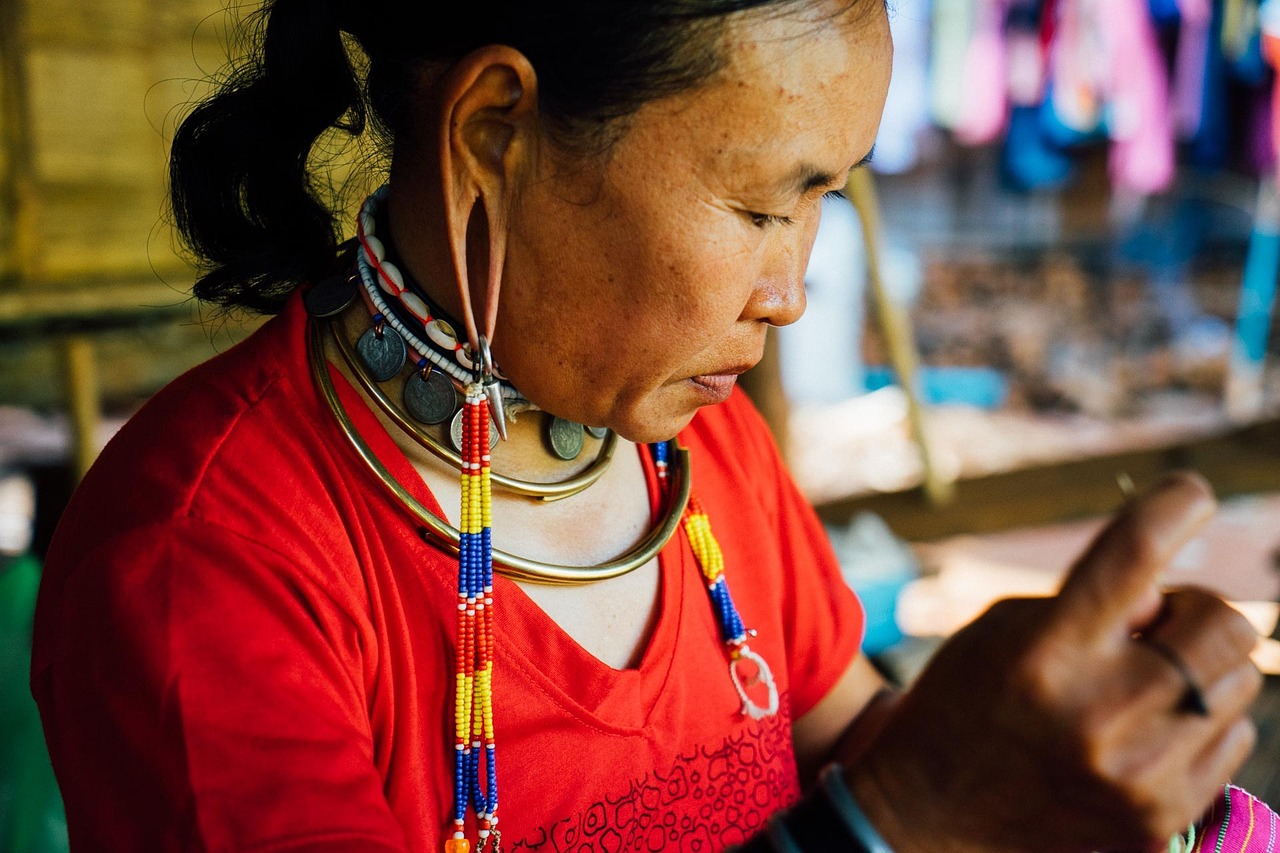
When you’re shopping for a gift that carries meaning, the difference between a piece of jewelry and something truly special often comes down to the story behind it. This guide covers ethical jewelry brands artisan communities rely onâbrands that don’t just source materials but invest in the people who make them. If you’re comparing options and want a gift that creates real, measurable impactâfair wages, skill preservation, and economic opportunityâthis is for you.
The demand for transparency in fashion has grown sharply. Shoppers no longer want vague promises about “giving back.” They want to know exactly how their purchase changes someone’s life. But sorting through marketing claims takes time. I’ve spent years following this space, buying from these brands, and seeing what worksâand what doesn’t. The brands here were selected for their concrete, verifiable impact, not their Instagram presence.
Expect some tradeoffs. Ethical artisan jewelry often costs more and has a smaller selection than mass-produced alternatives. But if your goal is a gift that genuinely supports a person and their craft, the right choice is clear.

How We Selected These Ethical Jewelry Brands
These brands weren’t chosen based on buzz or popularity. I applied a specific set of criteria to ensure the recommendations here are trustworthy and deliver on their promises. Here’s what mattered:
- Direct Artisan Partnerships: We prioritized brands that work directly with artisan cooperatives or individual makers, not through multiple middlemen who dilute the financial benefits.
- Fair Wages: Whether through a formal Fair Trade certification or a clear, published wage policy, these brands compensate makers well above local averages. Vague claims about “empowerment” weren’t enough.
- Cultural Preservation: The best brands don’t just extract designs. They invest in keeping traditional craft techniques alive, adapting them for modern markets without losing their essence.
- Material Sourcing: We looked for transparency around metals, stones, and other raw materials. Recycled metals and ethically sourced gemstones are common among top choices.
- Third-Party Certifications: While not every ethical brand holds a certification, those that do offer a clear, audited guarantee. We’ve noted where certifications exist and where transparency has to come from the brand’s own reporting.
No brand here paid for inclusion. This is a curated guide built on research and direct experience. Expect higher price points and sometimes limited availability. That’s the cost of doing things properly.
1. Soko: Empowering Kenyan Artisans Through Technology
Soko operates on a simple, powerful model: connect skilled artisans in Kenya with the global market using mobile technology. Artisans use smartphones to upload their designs, manage orders, and receive payments directly. This cuts out the middlemen who often take the largest share of the profit in traditional artisan supply chains.
The materials are equally thoughtful. Soko primarily uses recycled brass, reclaimed mahogany wood, and sustainably sourced horn. The aesthetic leans minimalist and modern, with clean lines and geometric shapes. The weight of the metal feels substantial, which makes these pieces feel more premium than their price suggests.
The tradeoff is a smaller product range. If you need a highly specific style or a certain stone color, Soko may not have it. But for a gift that embodies modern ethical designâespecially for someone who prefers subtle, everyday piecesâthis is a strong option.
Best for: A minimalist who values clean design and direct impact. A pair of Soko’s recycled brass earrings or a simple cuff bracelet works beautifully for a birthday or as a thoughtful “thinking of you” gift. For those who want a similar look with affordable materials, a search for recycled brass earrings can uncover complementary finds.

2. Ten Thousand Villages: Fair Trade Jewelry with Decades of History
Ten Thousand Villages has been doing this since 1946. That kind of track record matters. They weren’t following a trend; they helped create the fair trade movement. Their network spans over 20 countries, from India to Peru to Bangladesh, representing thousands of artisans.
What makes them a reliable choice is the breadth of their collection. Beaded necklaces, intricate metalwork, and gemstone pieces sit alongside more traditional designs. The quality standard is consistent, honed over decades of experience. You’re not gambling on an unknown maker who may or may not deliver a finished product you’d want to wear.
The obvious tradeoff is style. Some of their designs feel safe, even traditional. If you’re shopping for someone with very avant-garde taste, this may not hit the mark. But for a reliable, well-established ethical brand that consistently delivers quality, especially for gifts where the fair trade story matters most, Ten Thousand Villages is the benchmark.
Best for: A gift for someone who cares deeply about fair trade history and wants a piece with a clear, documented origin. Their best-selling beaded necklaces are a solid starting point. If you prefer to explore handmade options online, consider browsing handmade beaded necklace fair trade pieces for similar appeal.
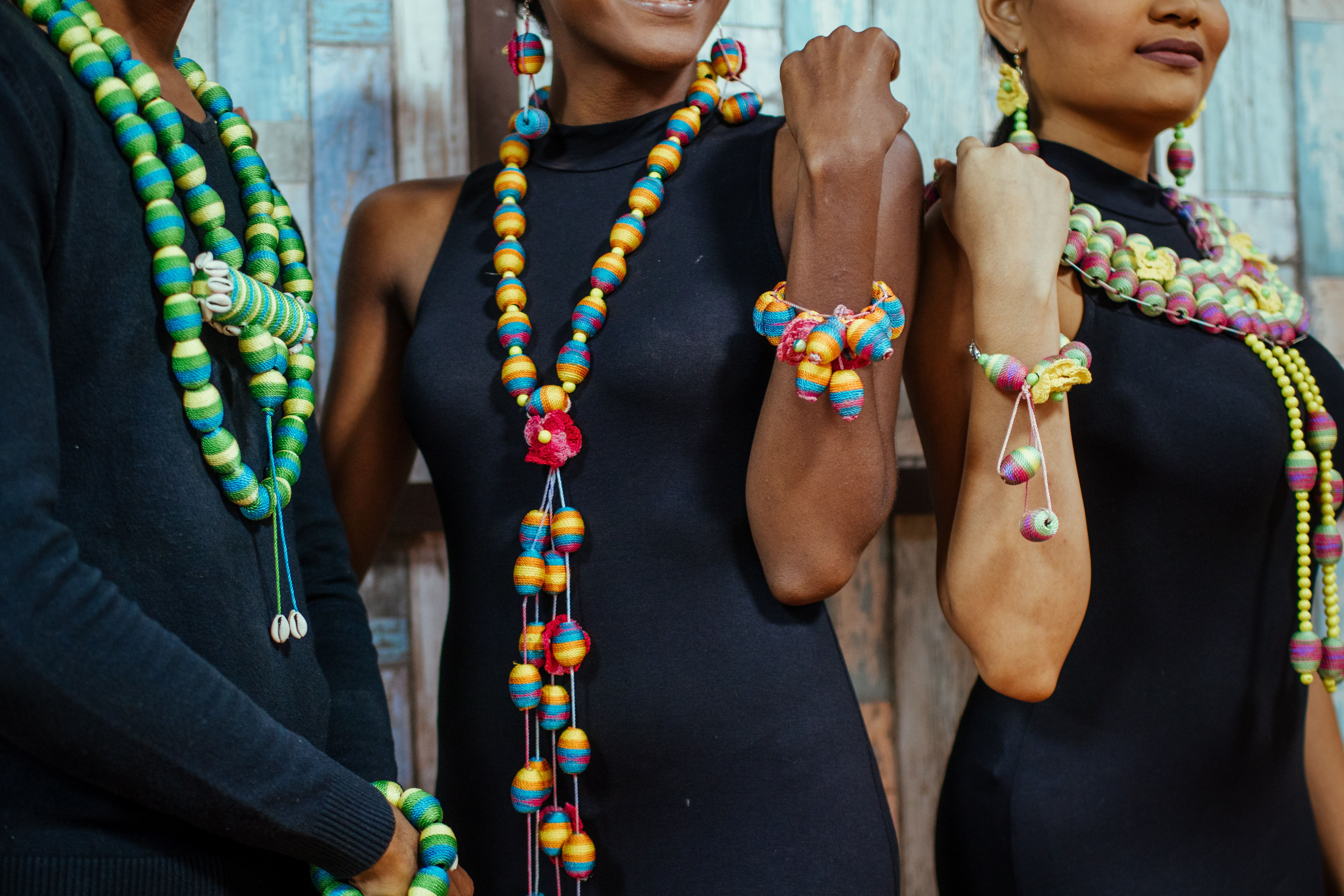
3. Made 51: Direct from UNESCO Artisans Worldwide
Made 51 operates in partnership with UNESCO, working directly with artisans in regions affected by conflict and displacement. This includes artisans in the West Bank, Afghanistan, and other areas where economic opportunity is scarce. The jewelry reflects these originsâpieces crafted from olive wood, pearl, and silver, each carrying a story rooted in a specific place and tradition.
The impact is tangible. Profits are channeled back into the artisan communities for skills training and infrastructure. When you buy from Made 51, you aren’t just funding a single purchase; you’re supporting long-term stability in regions where consistent, fair income is transformative.
The downside is practical. Inventory can be sporadic based on artisan production cycles. Shipping times may be longer, especially for pieces coming from conflict zones. This isn’t a brand for last-minute gifting. But for a truly meaningful gift with a powerful storytelling elementâthe kind that sparks conversation and builds understandingâit’s hard to beat.
Best for: A deep, significant gift for a milestone like an anniversary or a graduation. The olive wood and silver pieces are particularly evocative. For those drawn to natural materials, a search for olive wood jewelry can reveal similar artisan-crafted options.
4. ABLE: Ethical Jewelry Empowering Women Artisans
ABLE focuses on ending poverty by providing employment for women artisans in Ethiopia, Peru, and several other countries. Their model is built on transparencyâthey publish wage data, production timelines, and sourcing details for every product. This level of accountability sets them apart in a market where “transparency” is often just a buzzword.
Materials include leather, brass, and beads. The designs tend to be understated, leaning toward everyday wearability. Their earrings and bracelets are popular among women in professional settings who want something distinct without being flashy. The handmade quality is evident in the variations in finishâno two pieces look exactly alike.
The tradeoff is that this handmade look can sometimes feel rustic. If you or the recipient prefers ultra-smooth, machine-perfect finishes, ABLE’s pieces may not satisfy that expectation. But if you value a piece that clearly shows the hand of its maker, this is a standout choice.
Best for: A gift for a woman who values economic empowerment and wants a piece that reflects her support for women’s financial independence. Their popular leather-trimmed earrings are an excellent entry point. If you’re looking for durable everyday options, consider leather earrings handmade as a complementary gift.

5. Certifications: Why They Matter in Ethical Jewelry
Not all ethical jewelry is created equal, and certifications offer a straightforward way to separate brands with genuine commitments from those using ethical language as marketing. Here’s what to look for:
- Fair Trade Certified: This certification covers social and environmental standards, including fair wages, safe working conditions, and community development funds. Ten Thousand Villages is a strong example.
- B Corp Certification: B Corps meet rigorous standards of social and environmental performance, accountability, and transparency. ABLE is a certified B Corp, which aligns with their published wage data.
- Fairmined: Specific to gold and silver, Fairmined certification ensures metals are sourced from small-scale mining organizations that meet strict environmental and social standards. While less common in artisan jewelry, it’s a powerful marker when present.
Brands without formal certifications can still be ethical, but the onus is on the buyer to verify. Look for clear, detailed information about supply chain partners, published pricing breakdowns, and documented community impact. Vague statements like “we support artisans” without proof should be treated skeptically.
Practical advice: If a brand lacks certification, search for a dedicated impact page with case studies, independent auditor names, or links to specific artisan cooperatives. This level of transparency is a strong indicator of genuine commitment.
Common Mistakes When Buying Ethical Jewelry Artisan Brands
Saving you some frustration:
- Assuming high price equals ethical: A $300 necklace does not automatically guarantee fair wages. Price is influenced by materials, brand overhead, and marketing. Always verify the specific wage and sourcing policies, not the price tag.
- Overlooking return policies: Handmade pieces are often less standardized. A necklace might be slightly asymmetrical or a clasp may feel different from the photo. Always read the return policy before purchasing. Some artisan brands have stricter or shorter return windows.
- Skipping artisan stories: Brands that invest in their makers tend to share those stories prominently. If a brand only shows photos of finished jewelry and never the people who made it, that’s a red flag. You want to see faces, names, and locations.
- Not checking metals for allergies: Many artisan pieces use brass, copper, or lower-carat gold, which can be higher in nickel. If you have sensitive skin, look for nickel-free or sterling silver options. Don’t assume “handmade” means hypoallergenic. A search for nickel free earrings handmade can help you find safe alternatives.
How to Verify a Brand’s Artisan Impact
You don’t need to be a supply chain expert to assess a brand’s claims. Here are practical steps:
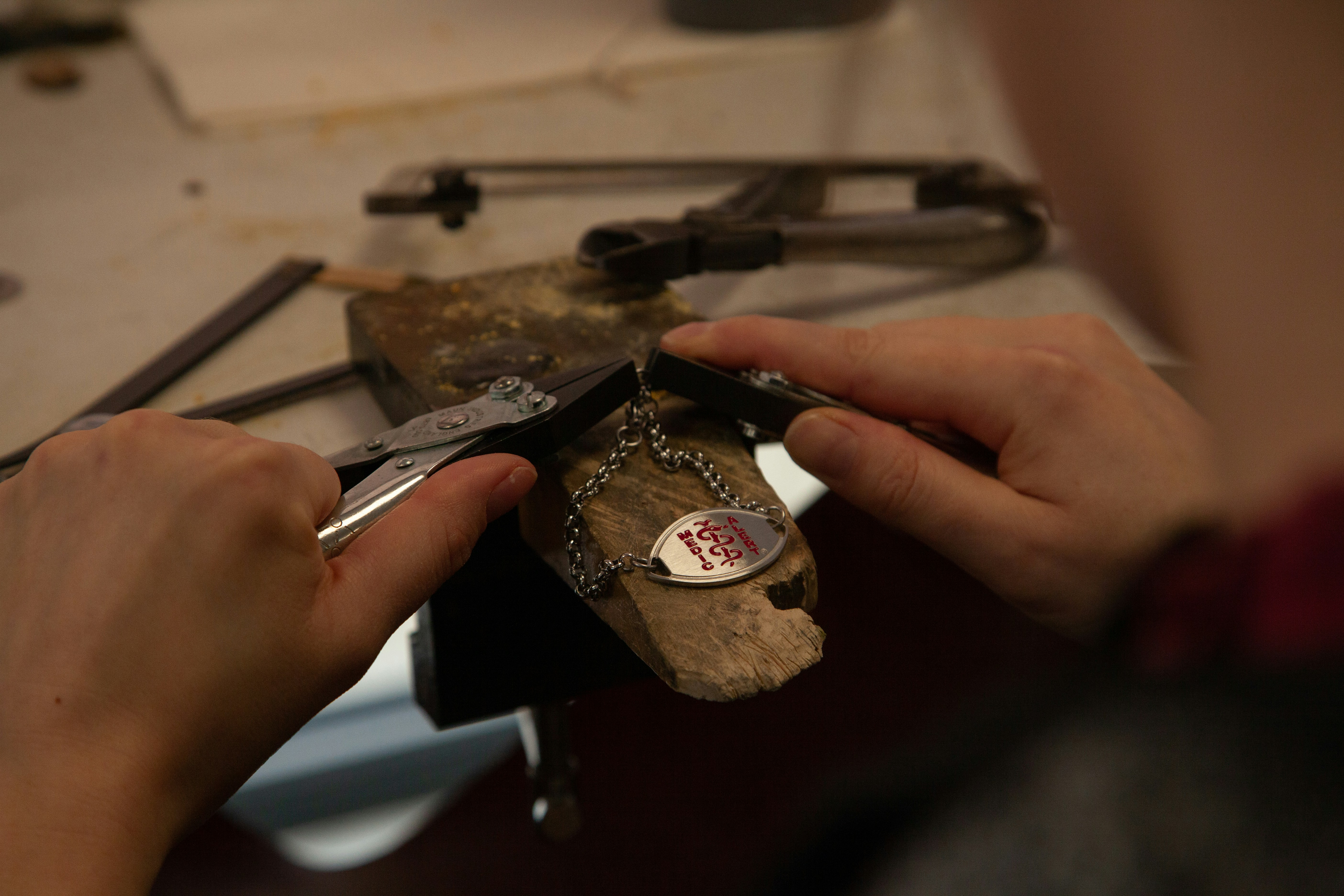
- Visit the “Our Impact” page: A good brand will have a dedicated, detailed section. Look for specific numbers (how many artisans, wage comparisons) and not just vague descriptions.
- Look for third-party audits: Certifications are the strongest proof, but even without them, see if the brand shares audit results or independent assessments.
- Read artisan profiles: Real names, faces, and personal stories from the makers are a positive sign. Stock photos or generic descriptions should raise suspicion.
- Assess geographic diversity: A brand working in one or two regions is normal. But if a brand claims to work with artisans in 50 countries without any details, that’s hard to trust.
- Email them: If the website is unclear, send a short email asking about fair wages and sourcing. How quickly and thoroughly they respond tells you a lot. A brand that takes a week to answer a basic question about their impact isn’t prioritizing transparency.
Red flags: Vague claims (“we give back”), no sourcing details, stock-like photography, and a complete absence of artisan names or stories.
Budget-Friendly Ethical Jewelry Brands for Everyday Gifts
You don’t have to spend a lot to make a real impact. These brands offer pieces under $50 that still deliver on artisan support:
- Soko (most pieces $35â$75): Their smaller studs, thin cuffs, and simple bead bracelets often fall under $50. These are ideal for a coworker, a friend who loves minimalist style, or as a small thank-you gift.
- Akira Jewelry: This marketplace connects artisans from Kenya, India, and beyond. Many pieces are under $40. The selection can be hit-or-miss, but you can find unique, culturally specific designs at accessible prices.
- Boticca: Another marketplace approach, Boticca curates pieces from artisan designers worldwide. Filter by price under $50 to find statement earrings or stacking rings. The tradeoff is that you’re buying from individual designers, so consistency varies.
Tradeoff: Lower prices often mean simpler designs (studs, plain bands) or use of less expensive materials (glass beads instead of gemstones). But the impact is still real. A $40 purchase that directly pays a maker for their craft is more ethical than a $200 piece from a brand that hides its supply chain.
Splurge-Worthy Ethical Jewelry for Special Occasions
For major milestones, spending more can be justified when the impact and quality align. Here’s where to look:
- Ten Thousand Villages ($100â$300): Their higher-end pieces use gemstones, intricate metalwork, and elaborate beadwork. A statement necklace from them carries a classic look and the full fair trade guarantee. This is a safe bet for an anniversary or a significant birthday.
- ABLE ($100â$200): Their leather and brass combinations are durable and feel premium. A pair of their elevated earrings or a monogrammed bracelet works well as a milestone gift. The transparent pricing means you know exactly where the money is going.
- Made 51 ($100â$250): For a gift with a powerful narrative, their olive wood and silver pieces are unmatched. The unique materials and the UNESCO partnership make this a conversation piece that’s both beautiful and purpose-driven.
Important note: Spending more doesn’t automatically mean more impact. Always check that the higher price translates to better materials or deeper support for the artisan, not just the brand’s own margins.
How to Care for Handcrafted Ethical Jewelry
Handmade pieces are often more delicate than mass-produced jewelry. Proper care extends their life and keeps them looking great:
- Store separately: Handmade metals and stones can be scratched by harder materials. Use a soft pouch or a divided jewelry box to prevent tangles and abrasions. A jewelry organizer box soft pouch is a practical investment for protecting artisan pieces.
- Avoid water and lotion: This is especially true for pieces with brass, copper, or natural materials like wood and horn. Take them off before showering, swimming, or applying lotion.
- Polish gently: Use a soft, lint-free cloth. Avoid harsh chemical cleaners. For brass pieces, a mild mix of vinegar and water can work, but test on an inconspicuous area first.
- Be mindful of clasps: Handmade clasps can be more delicate than factory-made ones. Handle them with care when putting on or taking off the piece.
Investing a few minutes of care each time you wear the piece will keep it in great shape for years. Handcrafted jewelry rewards attention.
Final Thoughts on Choosing Ethical Jewelry Brands Artisan Communities Support
The core insight is simple: focus on transparency and direct impact, not marketing. A brand that can show you exactly where its materials come from and how its makers are paid is doing the real work. The brands here have earned their place by being open, consistent, and genuinely committed to their artisan partners.
Start with one brand that aligns with both your values and your budget. Whether it’s a $40 pair of earrings from Soko or a $200 necklace from Ten Thousand Villages, the decision is meaningful. Every purchase from these brands sends a signal that fair treatment and cultural preservation matter in the way we buy and the gifts we give.
The jewelry itselfâthe brass, the beads, the hand-carved detailsâis just the tangible result of a system that works better. That’s a gift worth giving.
“`