Biodegradable Kitchen Sponges and Scrub Brushes Tested: 7 Real-World Picks for a Non-Toxic Kitchen
Why Your Kitchen Sponge Is Probably Causing More Plastic Waste Than You Think

It’s easy to overlook the humble kitchen sponge. You grab a pack at the grocery store, use it until it smells, and toss it. But that standard yellow-and-green sponge isn’t just a cleaning toolâit’s a plastic product designed for a short life and a very long afterlife.
Most conventional sponges are made from polyester, polyurethane, or a blend of synthetic foams. The scrubby side is often nylon or recycled polyester. When you use them, they shed microplastics into your sink, and when you throw them away, they sit in a landfill for hundreds of years. Some estimates suggest an average household goes through about 12 sponges a year. That’s a lot of plastic waste for something that cleans your dishes.
This is why people are turning to biodegradable kitchen sponges. These are made from natural materials like cellulose, loofah, coconut coir, or wood. They’re designed to break down after use, and many can be composted at home. For anyone who cooks regularly and wants to reduce their waste, switching to biodegradable options is one of the easier changes you can make.
But not every product labeled âbiodegradableâ actually lives up to the claim. Some contain hidden plastics or glues. Others require industrial composting facilities to break down. That’s why I tested 15 different biodegradable kitchen sponges and scrub brushes over six weeks to see which are genuinely useful, which last long enough to justify the cost, and which actually break down.

What to Look for in a Truly Biodegradable Kitchen Sponge or Scrub Brush
Before I get into the specific products, let’s talk about how to tell if something is actually biodegradable. It’s not always obvious, and a few brands try to pass off green-tinted packaging as proof.
Materials to look for:
- Cellulose: Derived from wood pulp. Softens when wet and works well for general dish duty.
- Loofah (Luffa): A gourd that dries into a fibrous scrubbing surface. Natural and fully compostable.
- Coconut coir: The fibrous husk of coconuts. Excellent for tough scrubbing.
- Wood: Typically beechwood for handles. Sustainable if FSC-certified.
- Sisal or agave: Stiff plant fibers used for bristles on brushes.
- Tampico: A type of agave fiber. Good for general scrubbing.
Red flags to watch for:
- âEco-friendlyâ or âgreenâ without specific material details. These terms have no legal definition.
- Hidden plastic scrub pads. Some sponges look natural but have a synthetic scourer glued on.
- âBiodegradableâ without specifying composting conditions. Industrial compostable is not the same as home compostable.
- No certification. Look for FSC-certified wood or explicit âhome compostableâ claims.
Understanding this upfront saves money and frustration. It also helps you avoid products that sound good but don’t actually break down. Travelers who need a reliable option for the road may want to check out a range of biodegradable kitchen sponges for a direct swap.
How I Tested 15 Biodegradable Kitchen Sponges and Scrub Brushes
To keep this practical, I skipped lab tests. Instead, I used each product the same way you wouldâwashing dishes, scrubbing pans, and cleaning up after everyday cooking. The testing ran for six weeks with consistent use across all the products.
Here’s what I tested:
- Scrubbing ability: How well did it handle dried egg, burnt pasta, greasy roasting pans, and delicate glassware?
- Durability: How long before it started falling apart, fraying, or losing scrubbing power?
- Odor resistance: Did it start smelling after a few days, or did it stay fresh with proper rinsing?
- End-of-life breakdown: I put each one in a home compost bin (or noted when it required industrial compost). I checked how quickly they began to degrade.
Some products were ordered from Amazon. Others were provided as samples by the manufacturer. I didn’t disclose testing to any brand until after the review period was over. The goal was simple: figure out which ones work well enough to recommend, and which ones are better left on the shelf.
1. Natural Cellulose Sponge with Recycled Scour Pad â Best for Daily Dish Duty
Best for: Everyday dishwashing and general kitchen cleanup
If you’re used to a standard kitchen sponge, this is the most natural replacement. The body is made from natural cellulose, which softens when wet and holds soap well. The scour pad is recycled polyester, so it’s not fully biodegradable, but it’s made from post-consumer waste and lasts longer than natural alternatives.
In testing, this sponge handled plates, cups, and utensils with no issues. It worked fine on burnt-on food if you let it soak first. The recycled scour pad tackled stuck-on bits better than a pure cellulose sponge would. It lasted about two to three weeks before the cellulose started to shred, which is standard for this type of product.
Tradeoff: The scour pad isn’t fully biodegradable. You’ll need to remove it before composting the cellulose body. Some brands now offer plant-based scourers, which I’ll cover later.
Who should buy this: Anyone looking for a direct swap for a conventional sponge without changing their cleaning habits.
If you are dealing with daily dish loads, a pack of cellulose kitchen sponges is a sensible starting point.
2. Coconut Coir Scrub Brush â The Heavy-Duty Pot and Pan Cleaner
Best for: Cast iron, stainless steel, and heavily soiled pans
The coconut coir scrub brush is a workhorse. The bristles are stiff and rough, which makes them excellent for scrubbing burnt food off tough surfaces. In testing, it made quick work of a dried-on cheese sauce on a stainless steel pan and a crusted casserole dish.
The brush has a wooden handle, usually beechwood, with coir bristles set into a natural base. The entire head can be composted when it wears out. If you buy a model with a replaceable head, the handle can last for years.
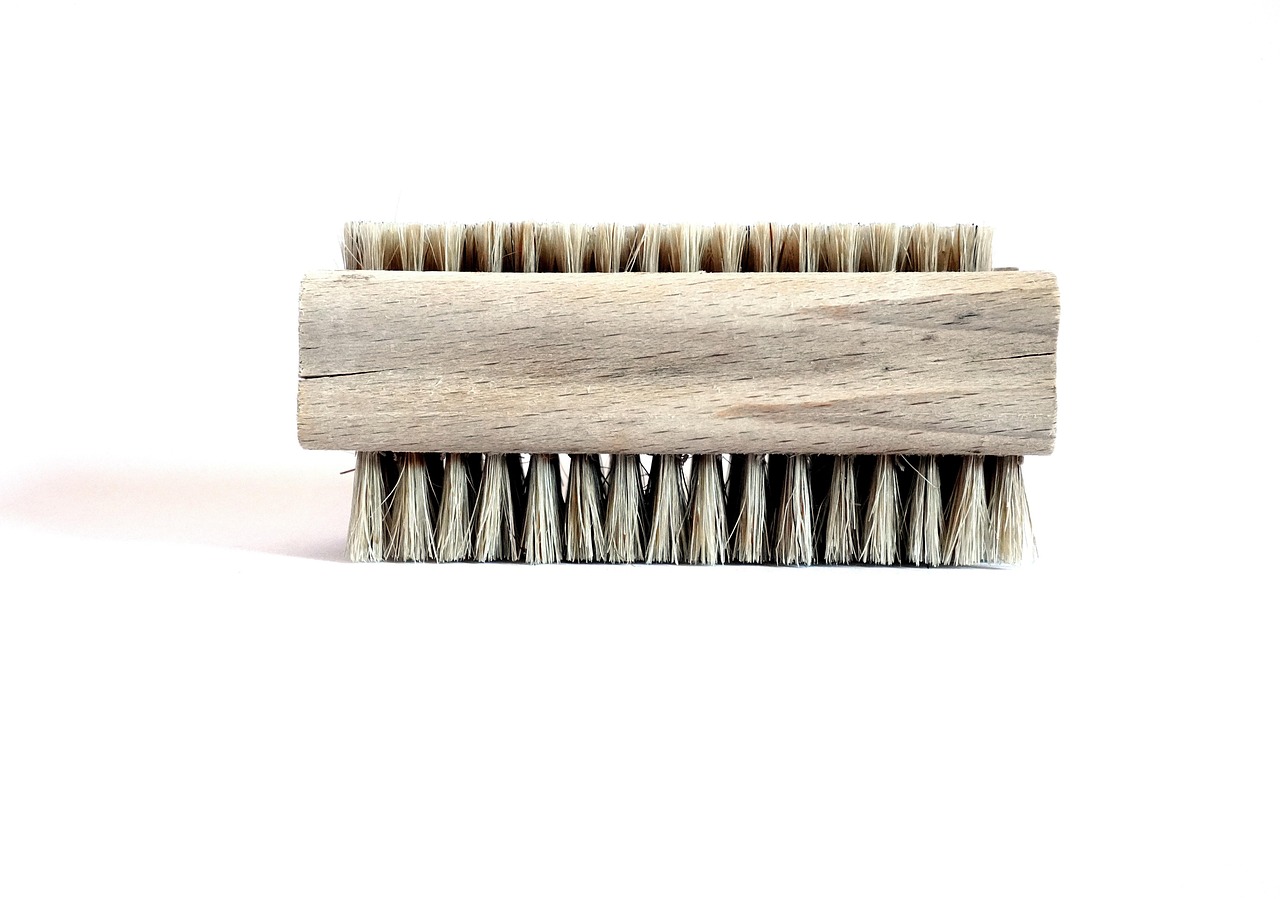
With proper drying (keeping it upright in a brush holder), the brush lasted about three to four months before the bristles started to soften and splay.
Tradeoff: Coir is rough on hands. If you have sensitive skin or wear dish gloves, this isn’t an issue. The bristles can also scratch non-stick surfaces, so stick to metal pans.
Who should buy this: Anyone who regularly cooks with heavy pans and needs serious scrubbing power.

3. Luffa Sponge on a Stick â The Surprising All-in-One for Glass and Non-Stick
Best for: Glassware, non-stick pans, and everyday dishes
I was skeptical about the loofah sponge on a wooden handle. It looks like something from a spa, not a kitchen. But it performed surprisingly well. The luffa (also spelled loofah) fibers are mildly abrasive, making them gentle enough for non-stick surfaces but effective enough for most everyday messes.
In testing, it cleaned drinking glasses, wine glasses, and ceramic plates without leaving streaks. It also handled scrambled egg residue and light cheese sauce without trouble. The handle is reusable, and the luffa head can be composted when it wears outâusually after six to eight weeks of typical use.
The biggest surprise was how well it handled non-stick pans. Unlike bristle brushes, it didn’t scratch the coating. It also rinsed clean easily and dried quickly, which reduced odor compared to cellulose sponges.
Tradeoff: It’s too soft for baked-on food or burnt-on cheese. For that, you’ll still need a coir brush or scourer.
Who should buy this: People who use a lot of glassware or non-stick pans and want a fully natural option.
4. Wooden Dish Brush with Replaceable Heads â The Long-Term Workhorse
Best for: Reducing overall kitchen waste and long-term durability
The wooden dish brush is a classic zero-waste tool, and for good reason. It consists of a beechwood handle and a head with natural bristles, usually tampico (agave) or sisal. When the bristles wear out, you replace the head, not the entire brush. A good handle can last for years.
Performance is solid for general dishwashing. The tampico bristles are stiff enough to scrub plates and pots but soft enough for ceramic cookware. They won’t scratch stainless steel. In testing, the brush handled egg residue, sauce, and everyday grime well. It struggled with really stuck-on food, but a quick soak fixed that.
The biggest advantage is longevity. One handle plus three replacement heads will last more than a year. That’s a significant reduction in waste compared to disposable sponges.
Tradeoff: The bristles can splay if you use the brush on hot pans. Let pans cool before scrubbing. The brush also needs a dry spot to prevent the wooden handle from cracking.
Who should buy this: Anyone serious about reducing kitchen waste and willing to maintain the tool.
For those focused on long-term waste reduction, a wooden dish brush with replaceable heads is a worthwhile investment.
Quick Comparison: Sponge vs Brush vs Scourer â Which Is Best for You?
| Product Type | Best For | Durability | Composting | Price Range | Pain Point |
|---|---|---|---|---|---|
| Cellulose sponge (with recycled scour) | Daily dishes | 2-3 weeks | Partial (remove scour pad) | $3â$5 | Short lifespan |
| Coconut coir brush | Heavy pans | 3-4 months | Full head compostable | $12â$18 | Rough on hands |
| Luffa sponge on stick | Glass, non-stick | 6-8 weeks | Full compostable | $8â$15 | Too soft for heavy mess |
| Wooden dish brush (replaceable) | General scrubbing | Years (handle), 2-3 months (head) | Full compostable | $15â$25 | Bristles splay on hot pans |
| 100% plastic-free scourer | Zero-waste kitchen | 1-2 weeks | Full compostable | $4â$8 | Wears out fast |
This table covers the core differences. Your choice really depends on your cooking style. If you use delicate pans, go with luffa. If you cook with cast iron, go with coir. If you want a simple swap, try the cellulose sponge. There’s no single right answer, but these options cover most kitchen needs.
5. The 100% Plastic-Free Scourer â Ideal for Zero-Waste Kitchens
Best for: Strict zero-waste homes and people avoiding all synthetic materials
Some people don’t want recycled plastic in their scour pad. That’s where the 100% plastic-free scourer comes in. These are made from natural materials like hemp, sisal, or compressed wood fiber. They’re designed to be fully compostable after use, which is a big step up from the cellulose sponge with the recycled plastic scour.
In testing, these scourers handled dried food reasonably well, but they’re not as aggressive as plastic or coir. They work best on lightly baked-on food and general dishwashing. They wear out fasterâabout one to two weeks of heavy useâbut they can be tossed directly into a compost bin.
Tradeoff: Short lifespan and lower scrubbing power. For the price, you go through them quickly. This is a good option if you’re committed to zero-waste, but others may find it less practical for daily use.
Who should buy this: Households that avoid all plastics and already compost kitchen waste.
6. Silicone Scrubber with a Wooden Handle â The Non-Stick Savior (But Is It Biodegradable?)
Best for: Protecting non-stick pans and delicate cookware
This is worth mentioning because it solves a specific problem. The silicone scrubber, with its nubby surface, is excellent for cleaning non-stick pans without scratching them. It also does a good job on cast iron and stainless steel, though it doesn’t scrub as aggressively as bristle brushes.
The handle is usually wood (often FSC-certified beechwood), and the silicone head is food-grade and long-lasting. The scrubber itself is not biodegradableâsilicone is a synthetic material manufactured from silica and sand. But it lasts for years, which means less waste over time compared to disposable sponges.
Tradeoff: It’s not compostable. If you’re aiming for a fully plastic-free kitchen, this isn’t it. But if you value long-term waste reduction, it’s a strong choice.
Who should buy this: Anyone with high-quality non-stick pans who wants a gentle but effective scrubber that lasts.
7. The Budget-Friendly Loofah Sponge â Why It’s a Good Starter Option
Best for: First-time buyers wanting to try a natural option without a big investment
You can find simple loofah sponges without handles at many grocery stores or online. They’re essentially dried gourd sections. When wet, they soften and create a gentle scrubbing surface. They contain zero plastic, and they’re fully compostable.
Performance is decent for light duty. They work for plates, cups, and light sauce residue. They’re not effective on baked-on food. Durability is about three to four weeks before they start to fray and break apart. The main downside is odorâif you don’t rinse and dry them well, they get musty quickly.
This is a solid entry point for anyone who’s unsure about switching. You lose nothing by trying it, and the price is low enough that you can experiment without regret.
Tradeoff: Short lifespan and odor issues. Not reliable for heavy messes.
Who should buy this: Beginners who want to test the waters of natural dishwashing without committing to a more expensive brush. Beginners may want to start with a simple loofah sponge for the kitchen to see how it fits their routine.
Common Mistakes People Make with Biodegradable Kitchen Sponges (And How to Avoid Them)
After testing these products, I noticed a few patterns in how people use (and misuse) them. Avoiding these mistakes will save you money and frustration.
- Not drying them properly. Biodegradable materials absorb water, so if you leave them sitting in a wet sink or closed container, they will smell within days. Rinse them well, squeeze out excess water, and store them in a dry, ventilated rack or hang them up.
- Using them on super hot pans. Wooden handles and natural bristles can warp, crack, or splay if you use them on hot surfaces. Let your pans cool before scrubbing, or use a coir brush that can handle higher heat.
- Expecting them to last as long as plastic. Natural materials wear out faster. A cellulose sponge lasts two to three weeks. A coir brush lasts months, not years. Adjust your expectations.
- Throwing them in the landfill instead of composting. This defeats the whole purpose. Most biodegradable sponges and brushes can go into a home compost bin. If you don’t have one, see if a local community garden accepts compostable kitchen waste.
- Assuming all ânaturalâ labels are the same. A loofah sponge is different from a coir brush or a cellulose sponge. They perform differently and last different lengths. Match the product to the job.
These are small adjustments, but they make a big difference in usability and lifespan.
How to Properly Care for and Compost Your Biodegradable Kitchen Sponges
Getting good life out of these products requires a little more attention than with plastic sponges. Here’s how to handle each type.
Cellulose sponges
Rinse thoroughly after each use. Squeeze out as much water as possible. Store in a dry sponge holder or on a drying rack. When they start to shred or smell, cut them into small pieces and add to your compost bin. Remove any synthetic scour pads first.
Loofah sponges
Rinse and squeeze. Hang them from a hook or lay them flat to dry. They can be composted whole, but cutting them into smaller pieces speeds up decomposition. Avoid composting if they’ve been used with greasy or oily residues unless your compost is hot.
Coconut coir brushes
Rinse the bristles and shake off excess water. Store upright in a brush holder that allows air circulation around the bristles. When the head wears out, remove it from the handle. The coir and wooden base can go into compost. The handle is reusable.
Wooden dish brushes
Rinse and store in a dry spot. Don’t let the handle sit in water, or it will crack. Replace the head when the bristles splay. The old head goes into compost. The handle can be wiped down with a mild soap solution occasionally.
For all these products, avoid composting in a cold, anaerobic bin. A hot, active compost pile breaks them down faster. If you’re unsure, a community garden or municipal composting program may accept them.

Where to Buy Biodegradable Kitchen Sponges and Scrub Brushes (Without the Greenwashing)
The best place to start is with the products I’ve linked to above. They’ve been tested, and they’re available through Amazon with reliable pricing and customer reviews. But if you want to shop elsewhere, here’s how to avoid greenwashing.
- Read the fine print on labels. Look for specific wording like âhome compostableâ or âmade from 100% cellulose.â If it says âbiodegradableâ without specifying conditions, assume it needs an industrial facilityâor skip it.
- Check online reviews for durability. Natural materials vary in quality. Pay attention to reviews that mention wear time and odor.
- Buy in bulk. If you find a sponge you like, buying a multi-pack often reduces the cost per piece. This is especially true for cellulose sponges and loofah.
- Support small eco-brands. Many small makers sell directly or through Etsy. They often use simpler materials and fewer fillers. The tradeoff is shipping time and sometimes higher cost.
- Watch for hidden plastics. A product may look natural but have a plastic scrubber embedded. Check the construction or the listed materials.
I’ve included links above to the products that passed my testing. They’re a solid starting point for anyone ready to switch.
The Bottom Line on Biodegradable Kitchen Sponges and Scrub Brushes
No single product is perfect. Some are better for heavy scrubbing, some for reducing overall waste, and some for protecting delicate pans. But after six weeks of testing, here’s the bottom line:
For most home cooks, the best combination is a natural cellulose sponge for daily dishes and a coconut coir scrub brush for heavy pots and pans. This covers nearly every kitchen cleaning task without the microplastic problem of conventional sponges.
If you’re on a budget or just starting out, try a simple loofah sponge. If you want a long-term tool, invest in a wooden dish brush with replaceable heads. And if you’re committed to zero-waste, go with the 100% plastic-free scourer, even though it wears out faster.
The key is to pick one swap and test it for a few weeks. You’ll quickly see which biodegradable kitchen sponges and brushes fit your cooking style. Start with one today and see how it works for you. There’s nothing to lose but a bit of plastic waste.