Sustainable Home Decor Made from Natural Materials: A Practical Guide
Introduction
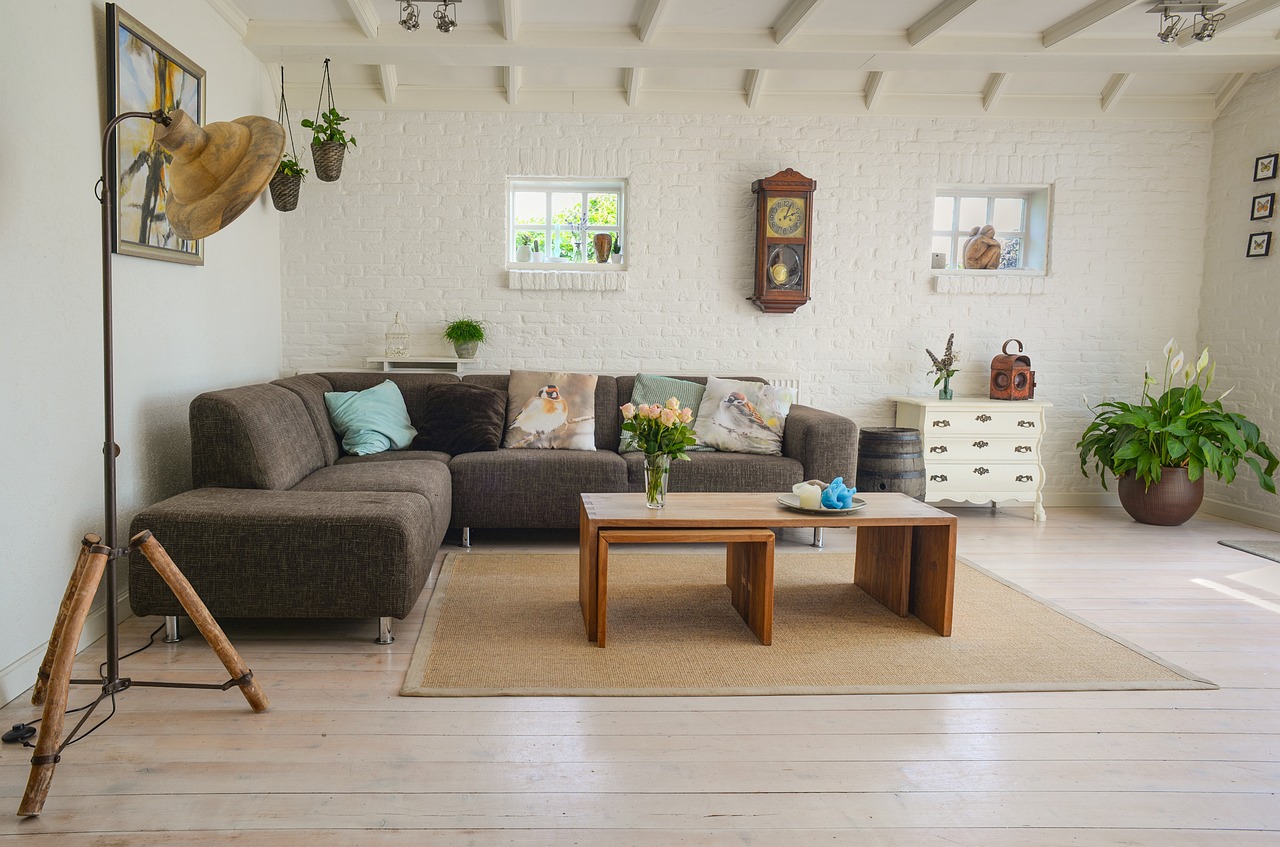
If you’re comparing eco-friendly options for your home, you’ve probably noticed the term “sustainable home decor natural” gets thrown around a lot. After years of curating and testing natural material decor, I’ve found that not everything marketed as “green” lives up to the label. This article breaks down what actually works, what to avoid, and which pieces are worth your money. Whether you’re outfitting a living room or just adding a single accent piece, these recommendations come from real experience with materials like rattan, bamboo, cork, and organic cotton. No hypeâjust practical guidance for making smarter, healthier choices for your home.

What Is Sustainable Home Decor and Why Natural Materials Matter
Sustainable home decor focuses on products made from renewable, biodegradable, or recycled resources, with minimal environmental impact throughout their lifecycle. Natural materials like bamboo, rattan, cork, wool, and organic cotton fit this definitionâthey grow quickly, need fewer chemicals to process, and break down naturally at the end of their useful life.
The benefits go beyond environmentalism. Many synthetic alternatives release volatile organic compounds (VOCs) into your home for years. Natural materials generally have low or no VOC emissions, which means better indoor air quality and fewer headaches or respiratory issues. They also tend to be more durable when properly maintained, so you replace them less often. That’s a direct win for both your wallet and the planet.
Compare this to mass-produced plastic decor or particle board furniture wrapped in a thin wood veneer. Those pieces might cost less upfront, but they often degrade quickly, end up in landfills, and can contain formaldehyde-based adhesives. Natural materials offer a simpler, healthier alternative that ages gracefully when cared for correctly.
Top Natural Materials to Look For in Eco-Friendly Decor
Bamboo
Bamboo is one of the fastest-growing plants on earth, making it highly renewable. It’s strong, lightweight, and works well for furniture, cutting boards, and shelving. Look for solid bamboo rather than particle board with a bamboo veneer. It’s naturally antimicrobial and handles humidity well, making it a great choice for kitchens and bathrooms. Wipe it down with a damp cloth and avoid soaking it.
Rattan
Rattan is a climbing palm that’s harvested without killing the plant. It’s flexible yet sturdy, perfect for woven furniture and pendant lights. Rattan has a warm, organic look that suits bohemian, coastal, and mid-century styles. It’s best used indoors or on covered patios because prolonged direct sun and rain can weaken the fibers. Regular dusting and occasional wiping with a dry cloth keeps it looking fresh.
Cork
Cork is harvested from the bark of cork oak trees without harming them. It’s lightweight, naturally resistant to moisture and mold, and has a soft, warm texture underfoot. Cork flooring and coasters are popular, but you could also consider cork wall tiles as an accent or a bulletin board. Avoid placing hot items directly on cork surfaces.
Organic Cotton
Organic cotton is grown without synthetic pesticides or fertilizers. Look for GOTS-certified textiles to ensure the entire supply chain meets strict environmental and social standards. It’s soft, breathable, and hypoallergenic. Perfect for bedding, towels, and throw blankets. Wash in cold water and air dry to extend its lifespan.
Wool
Wool is a renewable fiber that’s naturally flame-resistant, insulating, and moisture-wicking. It’s excellent for rugs and throws. Wool rugs hold up well in high-traffic areas and resist dirt because the fibers repel dust naturally. Look for undyed or low-impact dye options. Vacuum regularly and spot-clean spills immediately.
Jute
Jute is a vegetable fiber that’s fully biodegradable. It has a coarse, rustic texture and is typically used for rugs, baskets, and wall hangings. Jute rugs are affordable and add earthiness to a room. They work best in low-traffic areas because the fibers can shed and aren’t as soft underfoot as wool. Vacuum on a low setting to avoid pulling the fibers.
Seagrass
Seagrass is a natural grass fiber woven into durable rugs and baskets. It’s more durable than jute and has a smooth, slightly shiny surface. Seagrass rugs hold up well in dining rooms and hallways. They’re naturally stain-resistant but should be kept dry. Wipe up spills quickly to prevent water marks.
Reclaimed Wood
Reclaimed wood comes from old barns, warehouses, or deconstruction projects. It reduces demand for new lumber and often has unique character marks. It’s ideal for statement furniture, shelves, and accent walls. Look for pieces that have been kiln-dried to prevent warping. Check that any finish used is low-VOC.
My Criteria for Selecting the Best Pieces
I don’t recommend products based on looks alone. Every piece I suggest passes through a practical filter that considers material sourcing, craftsmanship, certifications, and longevity. Here’s what I look for:
- Material sourcing: Is the material rapidly renewable (like bamboo) or recycled (like reclaimed wood)? Was it harvested or manufactured responsibly?
- Craftsmanship: Are joints reinforced? Is the weave tight and even? Does the finish feel durable or cheap?
- Certifications: FSC for wood, GOTS for organic cotton, OEKO-TEX for textiles, and the GreenGuard label for low emissions. If a product claims eco-friendly status without certifications, I’m skeptical.
- Longevity: Does the design go out of style in a year? Can the material be repaired or refinished? Products that last reduce waste.
Using these criteria means I might skip something trendy that won’t hold up. But it also means the recommendations you see later in this article are things I’d actually buy for my own home.
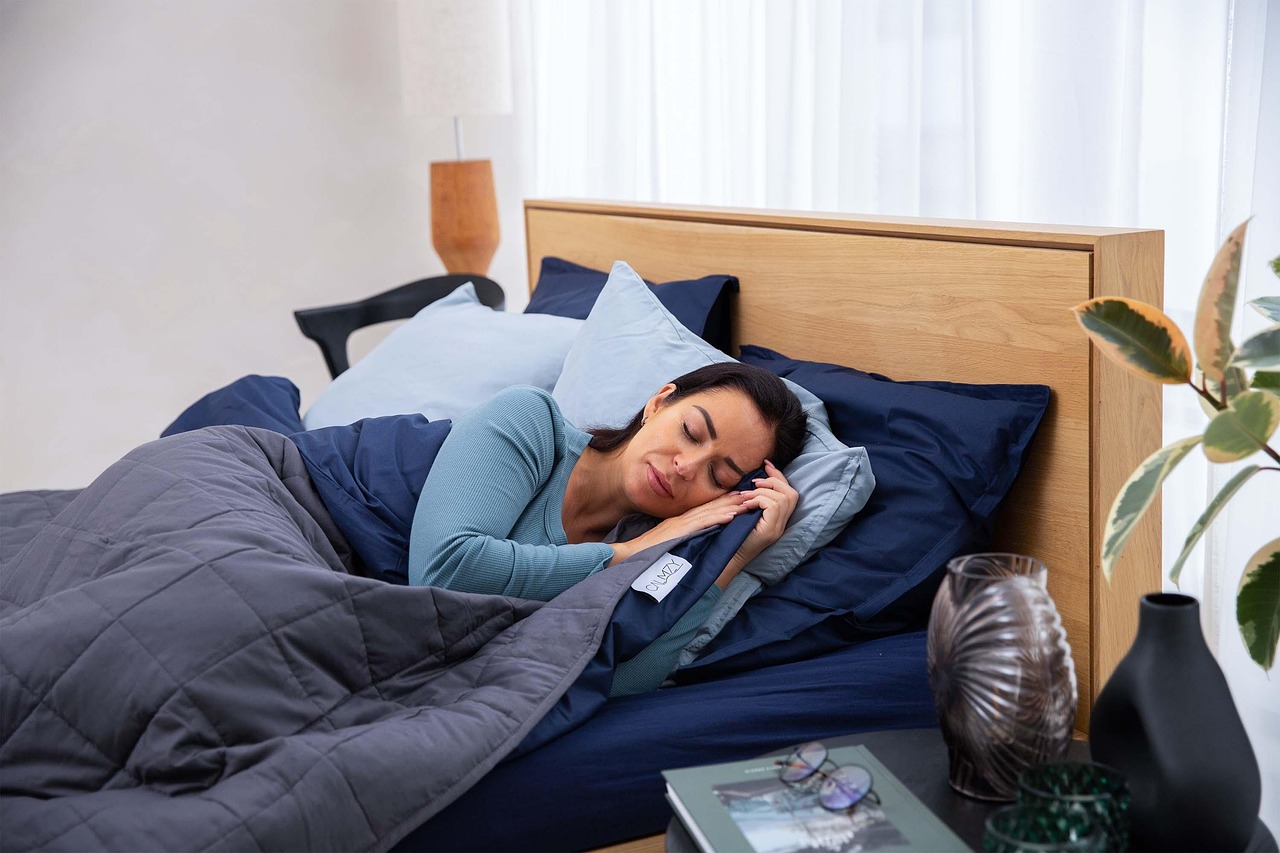

Best Sustainable Home Decor Items from Natural Materials (Curated Picks)
Here are several products that meet my criteria and work well in real homes. Each is listed with its best use case and a quick tip for getting the most out of it.
Rattan Pendant Light
A woven rattan pendant light instantly warms up a dining area or reading nook. It diffuses light softly and creates a natural focal point. Look for one with a tight, even weave and a durable metal or bamboo frame. Hang it about 30 inches above a table. Avoid using high-wattage bulbs that generate heat, as that can dry out the rattan over time. A dimmable LED bulb is ideal. If you are searching for a quality option, browse rattan pendant lights with a tight weave.
Best for: Living rooms, dining areas, or covered porches.
Organic Cotton Throw Blanket
A GOTS-certified organic cotton throw is a no-brainer for layering on a couch or bed. It’s lightweight, breathable, and soft without the chemical softening agents used in conventional cotton. Choose a neutral color like oatmeal or natural stone to blend with any decor. Machine wash cold and tumble dry low. It gets softer with each wash. For those looking for GOTS-certified options, consider browsing organic cotton throw blankets.
Best for: Living rooms, bedrooms, or as a cozy accent.
Bamboo Cutting Board Set
Bamboo is harder than maple, so it withstands knife marks better than many wood boards. A set of two or three sizes covers most kitchen prep. Look for boards that are glued together with food-safe, formaldehyde-free adhesives. Bamboo boards are naturally antimicrobial. Oil them monthly with food-grade mineral oil to prevent cracking. A well-made bamboo cutting board set is a practical way to start using natural materials in your kitchen.
Best for: Kitchen prep and serving.
Wool Rug (Low Pile)
A low-pile wool rug is practical for high-traffic areas like hallways or entryways. It’s dense, resists dirt, and doesn’t trap allergens the way synthetic rugs do. Look for undyed or naturally dyed options to avoid heavy chemical processing. Vacuum weekly and rotate it twice a year for even wear. A rug pad underneath extends its life significantly.
Best for: High-traffic zones, living rooms, or under dining tables.
Seagrass Basket (Large)
Seagrass baskets are surprisingly durable and work beautifully as laundry hampers, toy storage, or plant pot covers. They’re woven tightly and hold their shape. The natural golden color ages nicely. Because seagrass is water-resistant, it handles damp items better than jute. Wipe with a dry cloth if they get dusty.
Best for: Storage, laundry, or styling with houseplants.
Reclaimed Wood Shelf
A reclaimed wood shelf adds warmth and character to any room. Choose one with a simple bracket system that keeps the wood the center of attention. Look for shelves that have been planed smooth and finished with a low-VOC wax or oil. Don’t overload them with heavy objects; reclaimed wood can have hidden weak spots.
Best for: Living rooms, home offices, or above a desk.
What to Avoid When Buying Natural Material Decor
Natural doesn’t automatically mean safe or sustainable. Here are common traps I’ve seen and fallen into myself.
- Products labeled ‘natural’ but treated with toxic finishes: Some manufacturers spray natural materials with synthetic lacquers or stain-blockers that off-gas VOCs. Look for water-based or plant-based finishes when possible.
- Veneers over MDF or particle board: A thin layer of bamboo or wood over cheap composite board defeats the purpose. It reduces durability, introduces adhesives, and prevents the piece from being biodegradable. Always check the product description for “solid” or “full” construction.
- Cheap ‘bamboo’ that’s actually plastic composite: Some low-cost bamboo items are actually bamboo fibers mixed with plastic binders. They won’t be biodegradable and may look fake up close. Stick with reputable brands that specify “solid bamboo.”
- Mass-produced items with poor craftsmanship: Handwoven products like rattan baskets or jute rugs vary in quality. Loose weaves, crooked frames, or unraveling edges mean the piece won’t last. Inspect photos closely and read reviews about durability.
Rattan vs. Bamboo vs. Seagrass: Which Should You Choose?
Each material has a different feel and practical strength. Here’s a direct comparison to help you decide.
Rattan is flexible and lightweight. It works best for accent furniture and lighting because it can be shaped into organic forms. It’s less durable under heavy weight, so avoid it for chairs or tables that get daily use. Cost ranges from moderate to high based on weave density.
Bamboo is much denser and harder. It’s suitable for furniture, cutting boards, and flooring. It handles daily wear well but can be heavy. Cost is generally lower than rattan for solid pieces. Bamboo is ideal for structural items that need to stand up to moisture.
Seagrass falls in between. It’s durable and smooth, perfect for rugs and baskets that don’t need to support weight. It’s more water-resistant than jute but not as hard as bamboo. Cost is moderate, and it tends to work best for decorative or functional items you don’t sit on.
If you’re choosing one for a high-traffic indoor area, go with bamboo. For a warm accent piece indoors, rattan. For a durable floor covering, seagrass is your best bet. For covered outdoor use, bamboo handles moisture best. Rattan and seagrass do better in dry, shaded spaces.
Where to Shop for Authentic Sustainable Natural Decor
Amazon offers convenience and a wide selection, but you need to be specific with search terms. Use filters like “solid bamboo” or “GOTS-certified cotton” rather than generic “eco-friendly.” Read product descriptions carefully, especially the fine print about materials and certifications.
Specialty online stores that focus on natural materials tend to have better quality control. Look for shops that provide FSC, GOTS, or OEKO-TEX certifications in their listings. Avoid stores that use vague terms like “green” or “sustainable” without backup.
When browsing, start with one or two pieces rather than overhauling a whole room. This lets you test the material, see how it ages in your home, and confirm it fits your aesthetic before committing to more. Also, check return policies. Some natural materials have slight variations in color or weave, and a good shop will have a forgiving return window.
How to Mix Natural Materials Without Clashing
Combining different natural textures creates depth and interest, but it’s easy to end up with a cluttered look if you’re not intentional. Here are a few formulas that work.
- Jute rug + linen curtains + reclaimed wood shelf. This combination adds warmth without being busy. The softness of linen balances the coarse jute, and the wood offers a solid anchor.
- Bamboo chair + wool throw + seagrass basket. The sleek lines of bamboo pair well with the soft texture of wool. The basket adds an organic curve.
- Rattan pendant light + ceramic vase + cotton sofa. The natural weave draws the eye up, while the ceramic anchors the space. The cotton sofa keeps it comfortable.
Keep your color palette restrainedâstick to warm neutrals like beige, oatmeal, and natural wood tones. Avoid mixing more than three different natural materials in one room. If you add too many textures, the room can feel chaotic instead of grounded.
Caring for Decor Made from Natural Materials
Natural materials last longer with simple, consistent care. Here’s what I’ve learned through trial and error:
- Rattan and wicker: Keep out of direct sunlight to prevent drying and cracking. Dust weekly with a soft brush. If they get dusty in crevices, use a vacuum with a brush attachment.
- Bamboo: Wipe down with a damp cloth and dry immediately. Oiling monthly with food-grade mineral oil prevents splitting.
- Wool rugs: Vacuum weekly. Spot-clean spills immediately with a mild detergent and cold water. Avoid harsh chemicals. Rotate the rug twice a year to ensure even wear.
- Seagrass and jute rugs: Vacuum on a low setting to avoid pulling fibers. Do not steam clean them. Keep dry and blot spills quickly.
- Reclaimed wood: Dust frequently. Use coasters and placemats to prevent rings and heat damage. Avoid prolonged moisture exposure. Re-oil or wax yearly if the finish starts looking dull.
Common Mistakes First-Time Buyers Make (and How to Avoid Them)
I’ve made plenty of these mistakes myself. Here’s what to watch for.
- Buying for aesthetics only without checking material. A beautiful jute basket might be treated with synthetic dyes or pesticides. Always read the material list and certifications before buying.
- Ignoring care requirements. Natural materials need maintenance. If you’re not willing to vacuum a wool rug weekly or oil a bamboo board monthly, you’re better off with a different material. Be honest with yourself about what you’ll actually maintain.
- Assuming ‘natural’ means always low-maintenance. Some natural pieces are delicate. Rattan can crack in dry climates. Seagrass can warp if it gets wet. Read care instructions ahead of time.
- Underestimating cost. Solid natural material decor often costs more upfront than synthetic alternatives. That’s because the raw material and craftsmanship are more expensive. Budget for quality. A $20 bamboo cutting board from a generic brand is probably pressed board. A $40 solid bamboo board will last years.
- Not checking for chemical treatments. Some “natural” rugs are treated with stain-resistant sprays that contain PFAS. Look for rugs that explicitly state “no added chemicals” or “low-VOC finish.”

Final Recommendations Based on Your Budget and Style
To keep this practical, here are three budget tiers that align with the curated picks above.
Budget-Friendly (under $50): Start with a bamboo cutting board set or an organic cotton throw blanket. Both are affordable, versatile, and require minimal care. They’re great introduction pieces to test if natural materials fit your lifestyle.
Mid-Range Investments ($50â$150): A seagrass basket or a low-pile wool rug falls here. These pieces add significant visual weight to a room and tend to last several years with proper care. A seagrass basket also works as storage, so it’s practical and decorative.
Statement Pieces ($150+): A rattan pendant light or a reclaimed wood shelf is a larger commitment, but they become focal points in a room. They require more careful placement and maintenance, but they reward you with durability and aesthetic depth.
No matter your budget, start with one piece and build slowly. That approach aligns with the sustainability ethosâbuying less overall, but buying better. Pick the item that solves a specific need in your home, whether it’s better storage, a calming light source, or a durable floor covering.
Why Natural Materials Are Worth the Switch
Sustainable home decor natural materials aren’t just a trend. They’re a practical choice for anyone who wants a healthier, more durable home environment. The upfront cost is often higher, but the longevity, reduced off-gassing, and lower environmental impact make them a smarter long-term investment. If you’re comparing options, start with one piece from this guide. Pay attention to how it feels in your space, how it holds up over time, and whether it simplifies your life. That’s the real test.