Sustainable Gift Wrapping Ideas: How to Use Fabric and Natural Twine
Introduction

If you’ve ever stood in a checkout line staring at rolls of wrapping paper and thought there has to be a better way, you’re not alone. I’ve been wrapping gifts with fabric and natural twine for years now, and it solves most of the headaches that paper creates. It doesn’t tear, you don’t need tape, it’s reusable, and it just looks better. This guide covers sustainable gift wrap ideas using fabric and natural twine — techniques that work for any gift shape, any occasion, and any budget. I’ve tested different fabrics, knots, and embellishments across dozens of presents, and I’ll share what actually works and what to avoid.
Why Switch to Fabric and Natural Twine for Gift Wrapping?
The biggest reason to switch is the sheer volume of waste traditional wrapping paper creates. Most wrapping paper is not recyclable because of glitter, laminate, or dye, so it goes straight to a landfill after a few seconds of tearing. Fabric eliminates that entirely. A single square of cotton or linen can be used dozens of times. Tie it with natural twine, and you have a wrapping system that produces zero waste.
There are practical upsides too. Fabric is more durable than paper — no torn corners, no crushed edges. It conforms to odd shapes much better than paper ever could. And because you aren’t taping and cutting every time, you actually wrap faster once you learn a couple of basic knots.
Cost is another factor. A roll of decent wrapping paper runs a few dollars and covers maybe eight medium boxes. A yard of cotton muslin costs about the same and will wrap those same boxes many times over. The upfront cost of buying fabric or twine is higher than a single paper roll, but the per-use cost plummets. And you never have to scramble for tape mid-wrap.
There is a slight learning curve, especially if you’re used to folding corners and sticking tape. The first few wraps might be loose or uneven. That’s okay. Once your hands learn the fabric, it becomes second nature. The other tradeoff is storage — fabric squares take up more space than a flat roll of paper. But a small basket or drawer organizer solves that.
Essential Materials: What You Actually Need
You don’t need a lot to get started. Here is the shortlist of materials I reach for most often:
- Fabric: Cotton, linen, or silk. Cotton is cheapest and easiest to work with, especially for beginners. Linen has more texture and holds knots well. Silk is slippery but stunning for special gifts. Thrifted scarves are the most cost-effective option — check the scarf bin at any thrift store. Pre-cut fabric squares and reusable wrapping cloths are also available on Amazon.
- Natural Twine: Hemp, jute, or cotton string. Hemp is strong and smooth. Jute is rougher but very sturdy, and it has a rustic look. Cotton string is soft and easy to tie in neat bows. I keep a natural hemp twine roll on hand for versatility.
- Optional Accents: Dried herbs, cinnamon sticks, small wooden tags, or pine cones. These add character and are fully compostable. Avoid plastic ribbons or synthetic embellishments — they defeat the purpose.
Thrifting is the move here. I’ve wrapped entire Christmas hauls with scarves from the thrift store for under ten dollars. If you don’t have a thrift store nearby, buy cotton muslin by the yard — it is cheap, washes well, and cuts into uniform squares.
Choosing the Right Fabric for Different Gift Shapes
Matching fabric type and size to the gift shape makes or breaks the result. Here are the pairings that work best based on what I’ve wrapped:
Square or rectangular boxes (books, board games, electronics): A square of cotton or linen, roughly 28 x 28 inches for medium boxes. The classic furoshiki wrap works perfectly here. Thinner cottons fold crisply. Heavier linens hold their shape better if the box is heavy.
Bottles (wine, oil, kombucha): You want a fabric square between 20 and 24 inches. The bottle wrap technique — tie at the neck, fan the fabric over the body — works best with cotton or linen. Avoid silk for bottles unless the bottle is very smooth, because silk can slip loose.
Odd shapes (stuffed animals, hats, pottery): Use a tea towel or a longer rectangular fabric. The extra length lets you twist, tuck, and tie in ways that square fabric won’t allow. Linen tea towels work great because they are long and have some grip.

Common mistakes: Using fabric that is too small forces awkward folds and loose knots. A square that barely covers the gift will not stay closed. Likewise, slippery fabric (cheap polyester scarves) looks nice but unravels easily. Avoid it until you have more experience with knots. Also, pre-wash natural fiber fabrics — cotton and linen shrink significantly on the first wash.

Step-by-Step: How to Wrap a Gift with Fabric (Furoshiki Basics)
Here is the method I use for most square or rectangular gifts. It takes about 30 seconds once you are comfortable:
- Place the fabric square face-down. Set the gift diagonally in the center.
- Bring two opposite corners together over the gift. Tie them in a simple overhand knot. Keep the knot centered.
- Take the remaining two corners and bring them to the center. Tie another knot, snug but not tight enough to deform the box.
- Adjust the fabric so it lies flat against the sides. Fluff the knot or pull the ends into a bow if you prefer.
For a bottle wrap:
- Place the bottle in the center of the fabric square, standing upright.
- Gather all four corners at the neck of the bottle. Tie them in a knot.
- Spread the fabric out evenly over the bottle body. You can fold the fabric over itself or leave it loose for a draped look.
- For larger bottles, tie a second knot with the ends of the fabric around the neck — this creates a cleaner line.
If the gift is heavy, add a wrap of natural twine around the tightest knot to lock everything in place. Twine is also useful if your fabric is slightly too small. A few wraps of twine can hold a borderline wrap together nicely.
Using Natural Twine Effectively: Types, Knots, and Finishes
Not all twine is the same. Here is the breakdown:
- Jute: Thick, rough, brown. Great for rustic, farmhouse-style wrapping. It holds knots extremely well but can shed fibers. Best for gifts that don’t need a delicate look.
- Hemp: Strong, smooth, lighter in color. It is the most versatile pick. Hemp doesn’t break easily and ties into clean knots. I recommend a basic hemp twine roll as your first purchase.
- Cotton string: Soft, white or cream, very easy to tie. Best for small gifts or when you want a neat bow. It is less durable than jute or hemp for heavy items.
For knots, the double knot is the most reliable. It doesn’t slip and is simple to undo later. A bow works if you want presentation appeal, but tie the bow over a double knot so it stays. A slip knot is useful when you need to adjust tension, like on a bottle wrap.
Twine can fray at the cut ends. A quick pass through a flame from a lighter seals the ends of synthetic twine, but natural twine frays naturally. If you want clean ends, dip them in a little beeswax. Otherwise, just leave them — it adds to the organic look.
Compared to ribbon, twine is significantly cheaper, fully biodegradable, and holds knots better for oddly shaped gifts. Ribbon looks polished but costs more and often contains synthetic fibers. For a sustainable wrap, twine wins every time.
Common Mistakes When Wrapping with Fabric and Twine (And How to Avoid Them)
Here are the errors I see most often, including ones I made early on:
- Using fabric that is too small: The fabric must extend far enough past the gift to tie a knot. A good rule is the fabric should be at least 2.5 times the width of the gift. If in doubt, go bigger. You can always trim excess.
- Tying knots too tight: Over-tightening distorts the fabric and can damage soft items or bend thin boxes. Snug is enough. You want the fabric to stay but not strain.
- Not pre-washing fabric: Cotton and linen shrink. If you cut a square and wash it later, it may no longer fit your gift sizes. Wash and dry your fabric before cutting.
- Using twine that breaks under tension: Thin, cheap twine snaps when you pull a knot tight. Test a length before wrapping. Hemp or jute of at least 2mm thickness is reliable.
- Choosing slippery fabric: Satin, cheap polyester scarves, and some silks slip out of knots. Stick to cotton, linen, or matte silk for your first few wraps. Texture holds knots.
- Forgetting to leave enough fabric for a clean knot: The knot is the focal point. If you tie the fabric ends too short, the knot looks cramped. Leave at least four to six inches of fabric beyond the knot to create a presentable finish.
These mistakes are easy to fix once you know what to look for. A little practice smooths all of them out.

Fabric vs. Paper: A Practical Comparison for Holiday Gifting
Let’s be realistic. Paper has its place. Here is how fabric stacks up:
- Cost per use: Paper costs about $0.50–$1.00 per wrap if you buy mid-range rolls. Fabric costs $1.00–$3.00 per square upfront, but reuse it 20+ times. Fabric wins easily on long-term cost.
- Time to wrap: Paper is faster initially because most people have years of muscle memory. Fabric takes a few practice wraps to match that speed. After ten wraps, you’ll be close to the same speed.
- Reusability: Paper is single-use. Fabric can be used over and over, and if it gets dirty, you wash it. Clear advantage for fabric.
- Storage: Paper rolls store easily in a closet or under a bed. Fabric squares take up more space, but a single shoebox holds enough squares for a holiday season.
- Aesthetics: This is subjective. Paper offers endless prints and colors. Fabric offers texture and depth. I find fabric looks more intentional.
When paper still makes sense: For very small gifts like jewelry or gift cards, paper is faster and less bulky. For travel gifts, paper is lighter. And if you are wrapping a dozen identical items and need them done quickly, paper is hard to beat. But for the gifts that matter, fabric is the better choice.
Adding Natural Accents: What Enhances the Look Without Waste
Natural accents elevate the wrap without adding trash. Here is what I use:
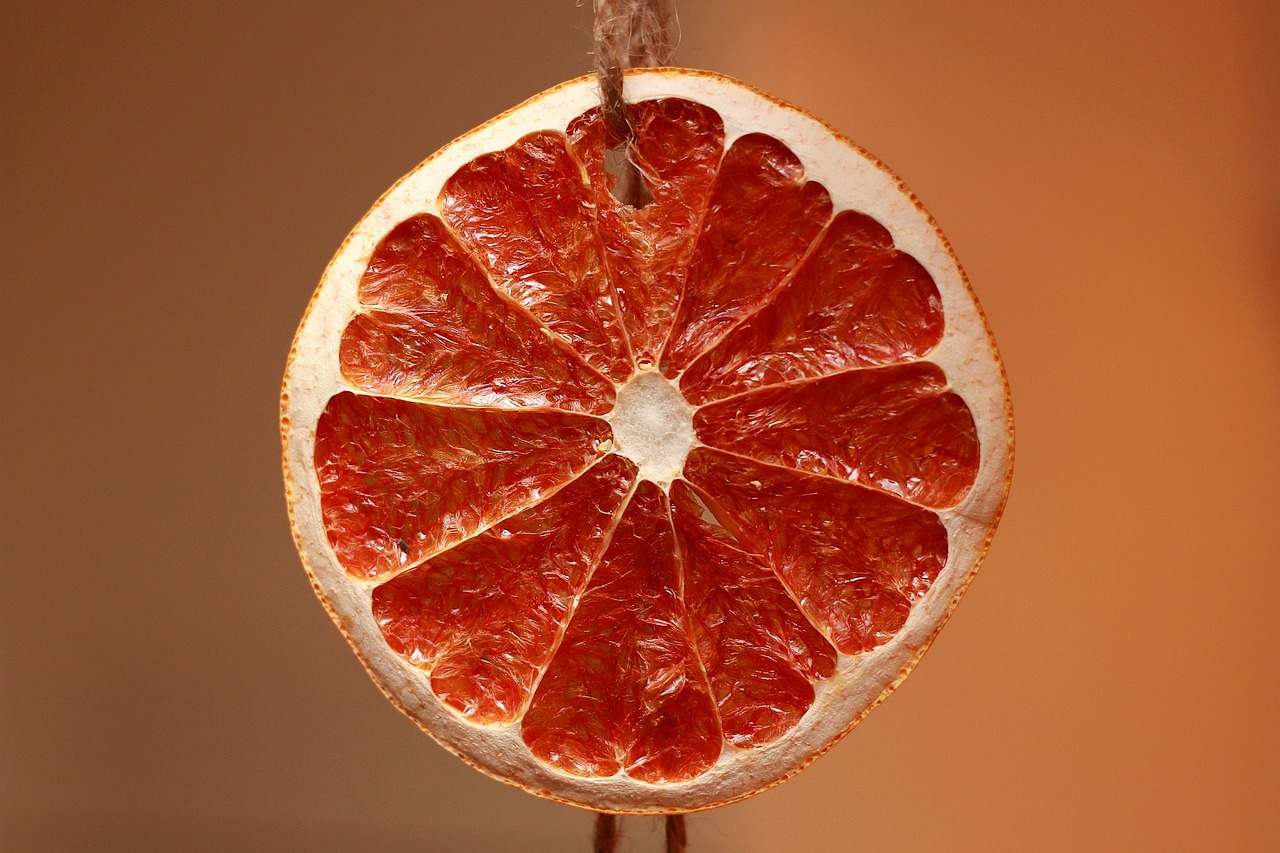
- Dried orange slices: Lightweight, smell great, and look beautiful tucked under twine. Make them yourself by slicing oranges thin and drying them in a low oven.
- Cinnamon sticks: Tuck two or three into the knot. They add color and fragrance. They are also compostable after the gift is opened.
- Fresh or dried rosemary: A single sprig tied into the knot adds green and smell. It dries naturally on the gift.
- Pine cones or acorns: Small ones can be tied directly into the twine. They add texture.
- Wooden beads: Thread a bead onto the twine before tying. Natural wooden beads give a tactile finish.
- Kraft tags: A small kraft tag tied to the knot lets you write the recipient’s name. If you need a supply, a set of natural kraft gift tags is a practical choice.
Avoid plastic flowers, synthetic ribbons, or glitter-coated items. They contradict the entire point of sustainable wrapping. Stick to things that can go in the compost bin when the gift is opened.
Where to Source Materials Affordably (Thrift, Online, and From Home)
You do not need to spend much to get started. Here is where I find materials:
- Thrift stores: Scarf bins are goldmines. You can often find silk, cotton, and linen scarves for under two dollars each. Also check the linen tablecloth section for large fabric pieces.
- Old clothing: Cotton shirts, linen pants, and silk blouses can be cut into wrapping squares. Repurpose worn items instead of tossing them.
- Fabric stores: Cotton muslin costs around $3–$5 per yard. A yard cuts into one large square or four smaller ones. JoAnn’s, Mood, or any local fabric shop works.
- Online: Amazon has pre-cut furoshiki cloths and bulk cotton muslin squares. Etsy has handmade linen wraps. The cost per wrap from Amazon is usually lower if you buy in bulk.
- Free sources: Ask friends or family for scarves they no longer wear. Facebook Marketplace and Buy Nothing groups often have fabric scrap bundles.
Wash all thrifted fabric before using it. I wash on cold and air dry to prevent shrinking. Store the squares folded in a drawer or basket, sorted by size.
Final Thoughts and Recommended Products to Get Started
Switching to fabric and twine for gift wrapping is one of the easiest changes you can make for a more sustainable holiday or birthday season. You save money over time, generate zero waste, and your gifts will stand out for their texture and care. Start simple — one fabric square, one roll of twine, one small gift to practice on. Once you wrap the first one, it clicks.
If you want a no-fuss starting point, here are a few products I recommend based on what I use regularly:
- Cotton Furoshiki Wrapping Cloth Set — pre-cut and ready to go
- Natural Hemp Twine Roll — versatile and strong
That is all you need to wrap sustainably for years. Everything else is optional.